
Introduction
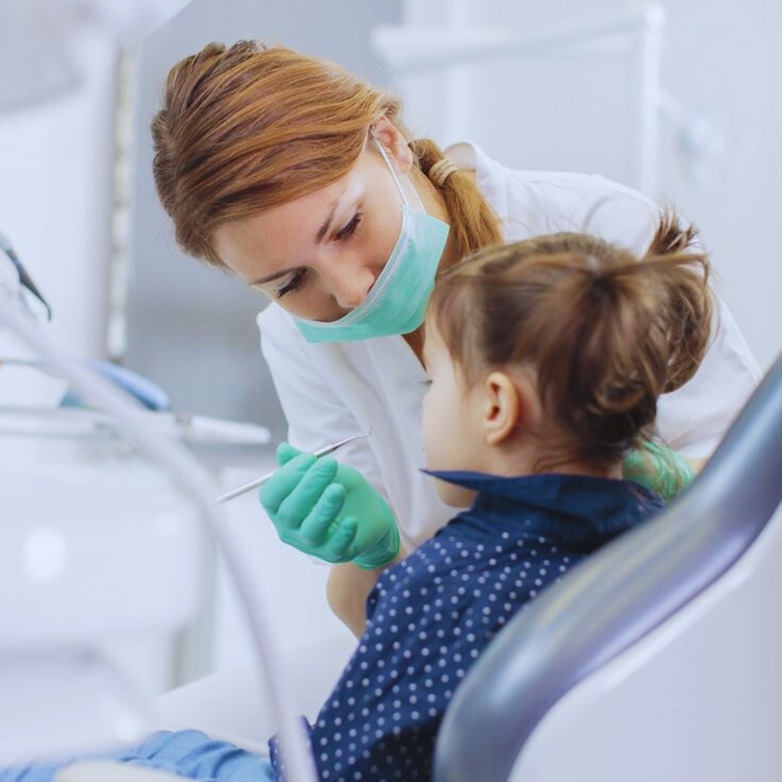
Sometimes parents believe that infant teeth are not very important because they are only temporary. But, infant teeth control jaw expansion, act as temporary replacements for permanent teeth, and have a significant impact on speaking ability and food consumption. To ensure a child’s oral health for the rest of their life, dentists place a high priority on the condition of their first set of teeth.
Influencing future smiles
The adult teeth that are scheduled to come up later are kept in proper position and space by the primary ones. Adjacent teeth may shift if a baby tooth is lost prematurely, resulting in crowded or misaligned permanent teeth. Many parents also wonder how much do braces cost when planning for their child’s orthodontic care. Additionally, healthy infant teeth provide adequate nourishment that promotes general development by allowing appropriate chewing and biting activities.
Early checkups and future examinations
According to the American Dental Association, children should see a dentist by the age of one or within six months after the emergence of their first tooth. Frequent visits enable doctors to monitor growth, treat cavities early, and instruct parents on how to properly care for their child’s growing teeth. Additionally, by making dental appointments easier for young kids, this preemptive strategy helps them feel less anxious in future appointments.
Options for treatment and preventative strategies
To prevent tooth decay, a common problem that can worsen quickly in young kids, the majority of dentists provide fluoride medications, dental sealing compounds, and recommendations for eating habits. In the event cavities happen, they also offer mild restoration treatments to keep baby teeth intact until it’s time for them to loosen and fall out on their own. The foundation for an eternity of good smiles is created by baby teeth.
Choose reputable dentists
The majority of dental professionals are aware that your child’s comfort and health come first. For this reason, they have made it their goal to offer top-notch, dependable dental services in a friendly setting that makes both parents and kids feel comfortable. Additionally, they are committed to providing the highest quality pediatric dental treatment possible, with a focus on sedation techniques to guarantee young children have a pleasant dental visit.
Falling of baby teeth
The sequence in which baby teeth disappear matches the order in which they first appeared. Baby teeth fall off in the same sequence they appeared. Most children start to lose baby teeth around the age of 4 or 5. Most children have all of their remaining teeth by the age of 12 or 14. Adult molars emerge behind baby teeth as the jawbone develops, but some people will not lose their last baby molars till their final teen years or early twenties.
Conclusion
An entire life of dental wellness depends on healthy baby teeth. Teeth are essential for clear speech, self-assured smiles, and effective food chewing, all of which support the body’s overall well-being. Tooth decay can be avoided both now and in future years by following preventative measures. Parents are also responsible for their child’s oral and dental health.

Comments are closed.