Category

Health

Category

Thyroid cancer is often described as one of the more manageable cancers, and in many cases, the outlook is genuinely favorable. That said, favorable does not mean simple, and patients frequently underestimate how much ongoing care is involved after the initial thyroid cancer treatment phase is complete.

This guide covers what long-term management typically looks like, so patients know what to expect well beyond their initial surgery or treatment.

Why Thyroid Cancer Requires Long-Term Attention

Because the thyroid gland regulates hormones that affect metabolism, energy levels, and overall body function, treatment, particularly when it involves partial or complete removal of the thyroid, changes how your body manages these processes going forward. This means thyroid cancer care does not end once the primary treatment phase is complete. It shifts into an ongoing management phase that can continue for years, sometimes for life.

What Long-Term Management Typically Involves

Hormone Replacement and Monitoring

Most patients who undergo thyroid removal need lifelong hormone replacement therapy. Getting the dosage right takes time and regular blood test monitoring, since both too little and too much thyroid hormone can affect energy, mood, weight, and heart rate.

Regular Follow-Up Imaging and Blood Work

Even after successful treatment, regular follow-up appointments, including blood tests and periodic imaging, are standard practice to monitor for recurrence. The frequency of these follow-ups typically decreases over time as you remain cancer-free for longer periods, but they do not stop entirely.

Managing Physical Changes

Some patients experience changes in voice, swallowing, or neck sensation following thyroid surgery. While many of these effects improve over time, ongoing monitoring and, in some cases, additional supportive therapies can help manage lingering symptoms.

Emotional and Psychological Adjustment

Even with a favorable prognosis, living with the knowledge of a cancer diagnosis and the need for ongoing monitoring can create lasting anxiety for many patients. This emotional aspect of long-term management is often underestimated but genuinely important to address.

Living Well During Long-Term Follow-Up

Long-term thyroid cancer management works best when patients stay engaged with their care rather than treating follow-up appointments as an afterthought. Keeping a consistent schedule for hormone level checks, reporting new symptoms promptly rather than waiting for the next scheduled visit, and maintaining open communication with your care team all contribute to better long-term outcomes.

The Role of Complementary Support Alongside Medical Follow-Up

Many patients explore additional supportive approaches to help manage the physical and emotional demands of long-term thyroid cancer follow-up. Programs like Cancer Healer Therapy, when used alongside your ongoing medical monitoring, can offer additional support for overall wellbeing during this extended phase of care. It is important that any complementary approach is discussed with your treating doctor and coordinated alongside your standard follow-up plan, rather than used in place of it.

How Dr. Tarang Krishna Supports Long-Term Thyroid Cancer Patients

Dr. Tarang Krishna works with thyroid cancer patients to provide ongoing supportive guidance throughout the long-term management phase, helping address both the physical adjustments and emotional aspects that come with extended follow-up care. This support is designed to complement, not replace, the regular monitoring and hormone management provided by your treating endocrinologist or oncologist.

Getting Started

If you have completed initial thyroid cancer treatment and are navigating the long-term management phase, understanding what to expect, and seeking additional supportive care where helpful, can make this extended journey more manageable.

Frequently Asked Questions

Will I need thyroid hormone replacement for the rest of my life?

If your thyroid was fully removed, yes, lifelong hormone replacement is typically necessary, with regular monitoring to keep dosage accurate.

How often do I need follow-up appointments after thyroid cancer treatment?

This varies by case, but follow-ups are often more frequent in the first few years after treatment, gradually spacing out as you remain cancer-free.

Can thyroid cancer come back after successful treatment?

Recurrence is possible, though many thyroid cancer subtypes have a favorable long-term outlook. Regular monitoring helps catch any recurrence early if it occurs.

Is it normal to feel anxious even after successful treatment?

Yes, ongoing anxiety about recurrence is common among cancer survivors, including thyroid cancer patients, and addressing this emotional aspect is an important part of long-term care.

Can voice changes after thyroid surgery improve over time?

Many patients see improvement in voice or swallowing changes over weeks to months, though some may need additional supportive therapy depending on the extent of surgery.

Should I combine complementary therapies with my medical follow-up plan?

Any complementary approach should be discussed with your treating doctor first, so it can be properly coordinated alongside your standard medical monitoring.

Misconceptions about organ and tissue donation persist even among healthcare professionals – myths about strict age limits, medical conditions that supposedly automatically disqualify a potential donor, or genuine confusion about exactly how brain death is clinically determined. These misunderstandings can quietly delay or prevent conversations that ultimately save lives, or that give grieving families a meaningful way to find purpose in an unimaginably difficult moment. Nurses are frequently present at exactly the moment these conversations need to happen, which makes accurate, current donation knowledge a genuinely essential clinical skill.

Who Is Eligible to Donate? Common Myths vs. Facts

Contrary to a very common belief, there is no strict, universal age cutoff for organ or tissue donation – newborn infants and people well into their eighties and beyond have successfully served as donors. Eligibility is determined by the actual condition of specific organs and tissues at the time of death, not by any blanket age rule or a single sweeping health criterion. Even people with chronic illnesses, a history of cancer, or a history of certain infectious diseases may still be eligible to donate particular tissues, evaluated carefully and individually on a case-by-case basis by the recovery team.

Living Donation vs. Deceased Donation

Living donation typically involves a kidney or a portion of the liver, donated by a living person to a specific intended recipient, often though not always a close family member. Deceased donation happens only after death has been formally declared, either through neurological criteria, commonly known as brain death, or through circulatory criteria, known as donation after circulatory death. Each of these two pathways carries distinct medical, legal, and timing requirements that ultimately determine exactly which organs and tissues can be safely recovered for transplantation.

The Role of Organ Procurement Organizations

Organ Procurement Organizations (OPOs) coordinate the entire donation process from start to finish – evaluating potential donors for medical suitability, matching available organs to waiting recipients through the national transplant list, and directly supporting hospital nursing and physician staff through the practical logistics of recovery. Every deceased patient who meets basic referral criteria should be formally reported to the local OPO, regardless of whether the care team personally assumes the family is likely to decline the option.

Brain Death vs. Donation After Cardiac Death

Brain death is both a clinical and a legal determination of death, based on the complete and irreversible loss of all brain function, confirmed through a specific, standardized testing protocol performed by qualified physicians. Donation after cardiac death follows a meaningfully different pathway instead, occurring after circulatory function stops following the planned withdrawal of life-sustaining treatment in a patient who does not meet brain death criteria. Understanding clearly which pathway applies to a given patient affects timing, organ eligibility, and the specific conversations families need to have with the care team.

What Organs and Tissues Can Be Donated?

Beyond the major solid organs like the heart, lungs, kidneys, and liver, tissue donation more broadly includes corneas, skin, bone, heart valves, and various types of connective tissue – each carrying its own distinct eligibility window and specialized recovery process. A single tissue donor can meaningfully improve outcomes for dozens of different recipients, from burn victims who need skin grafts to patients needing corneal transplants to restore lost vision to orthopedic patients needing bone grafts.

Supporting Families Through the Donation Conversation

Nurses frequently support families through some of the hardest conversations that occur anywhere in healthcare. Approaching donation with genuine sensitivity, accurate up-to-date information, and without any sense of pressure helps families make a decision that’s truly aligned with their own values, whatever that ultimate decision turns out to be. Framing donation clearly as an option rather than an obligation, and having specially trained OPO staff lead the formal request conversation, consistently improves both the family’s experience and overall donation rates.

Why Timing Matters in Organ Donation

Timing plays a major role in the donation process as well, and it’s a common source of misunderstanding for families under stress. Different organs and tissues have different viability windows once circulation stops, which means decisions sometimes need to be made relatively quickly after a patient’s death is declared. Nurses can help families understand that this urgency reflects biological reality rather than any sense of the care team rushing the family’s grieving process, and that supporting a family emotionally and moving efficiently through the necessary steps are not mutually exclusive goals.

Legal and Ethical Frameworks Governing Donation

It’s also worth noting that donation decisions are governed by clear legal and ethical frameworks designed to protect both donor families and recipients. In the United States, the “opt-in” donor registry system means a documented decision to donate, whether through a driver’s license designation or a formal registry, generally carries legal weight even when family members have differing wishes, though care teams typically still involve the family in the conversation out of respect and sensitivity. Understanding this framework helps nurses support families accurately rather than inadvertently suggesting the family has more discretion than they may actually have, or the reverse, that their input doesn’t matter at all.

Continuing Education on Tissue and Organ Donation

The Tissue and Organ Donation course covers eligibility criteria, both donation pathways, and practical family communication strategies in real detail, and is available among a set of free continuing education courses for nurses working across critical care, emergency, and end-of-life care settings where these conversations happen most often. Beyond meeting a continuing education requirement, understanding donation eligibility clearly equips nurses to correct common myths in the moment, refer appropriately to the OPO without hesitation, and support grieving families with accurate information at one of the most difficult moments they will ever face.

How to find the right primary care physician for your family with practical tips to compare doctors, insurance, experience, and quality care.

Finding the right primary care physician for your family starts with understanding your healthcare needs, checking insurance coverage, reviewing qualifications, reading patient reviews, and scheduling a first visit. A trusted doctor provides preventive care, treats common illnesses, coordinates specialist referrals, and builds a long-term relationship that keeps your entire family healthier.

Have you ever wondered why some families feel confident about every healthcare decision while others struggle to find a doctor they truly trust?

Choosing the right primary care physician is one of the most important healthcare decisions you can make. Your doctor becomes your family’s first point of contact for illnesses, annual checkups, preventive care, chronic disease management, and referrals to specialists. The right physician doesn’t just treat symptoms-they get to know your family’s medical history, lifestyle, and long-term health goals. When you find a doctor who communicates well and genuinely cares, every healthcare visit becomes more comfortable and effective.

ðŸĐš Why Choosing The Right Primary Care Physician Matters

A primary care physician is much more than someone who treats the occasional cold or flu. They oversee your family’s overall health and help prevent problems before they become serious. From childhood vaccinations to senior wellness exams, they guide patients through every stage of life with personalized care. Building a long-term relationship also helps the doctor recognize health changes early.

Having one trusted physician improves communication between healthcare providers. Your medical records stay organized, prescriptions are easier to manage, and referrals happen more smoothly. Instead of repeating your medical history at every appointment, your physician already understands your family’s unique health needs. This continuity often leads to faster diagnoses and better treatment outcomes.

Many chronic conditions such as diabetes, asthma, high blood pressure, and heart disease require regular monitoring. A dependable physician tracks your progress over time and adjusts treatment plans when necessary. Preventive screenings, lifestyle counseling, and routine checkups also reduce the risk of developing serious illnesses later in life. âĪïļ

Choosing wisely today can save you time, stress, and medical expenses in the future. A caring physician becomes a trusted healthcare partner who supports your family through life’s expected and unexpected health challenges.

People often begin their search online using phrases like primary care physician near me because convenience matters just as much as quality. Looking for nearby providers helps reduce travel time, makes scheduling easier, and ensures quick access when someone becomes sick unexpectedly. While location is important, don’t let distance be the only deciding factor. Take time to compare credentials, patient satisfaction, office hours, and accepted insurance plans before making your final decision.

Many families also search for a general practitioner near me when they want routine healthcare for adults and children. This search is an excellent starting point, but reading reviews and checking the doctor’s experience provides a much clearer picture of the care you can expect. A physician who communicates well, listens carefully, and explains treatments in simple language often delivers a much better patient experience. Investing a little extra research today can lead to years of dependable healthcare for your loved ones.

ðŸ‘Ļ⚕ïļ Understand Your Family’s Healthcare Needs

Every family has different healthcare priorities. Some households mainly need annual physicals and preventive screenings, while others require ongoing treatment for chronic conditions. Understanding these needs helps narrow your search for the right physician.

Consider the ages of everyone in your household. Families with young children may benefit from a physician experienced in pediatric care, while households with elderly members may prefer someone familiar with senior health concerns. Some physicians also have expertise in women’s health, men’s health, or chronic disease management.

Think about convenience as well. Office hours, weekend appointments, telehealth services, and emergency availability can make a significant difference. Choosing a physician whose services match your lifestyle makes healthcare easier to manage.

Family Need Why It Matters Questions To Ask
Preventive Care Keeps everyone healthy Are annual exams available?
Chronic Disease Care Ongoing monitoring Do they manage diabetes or hypertension?
Children’s Care Regular growth checks Do they treat all ages?
Telehealth Convenient follow-ups Are virtual visits offered?
Same-Day Visits Quick treatment Can urgent appointments be scheduled?

📋 Check Insurance Coverage Before Choosing

Healthcare costs can quickly add up if your physician isn’t covered by your insurance plan. Before scheduling an appointment, confirm that the doctor’s office accepts your health insurance. This simple step prevents unexpected bills and reduces out-of-pocket expenses.

Visit your insurance provider’s directory or contact customer service for an updated list of in-network physicians. Insurance networks sometimes change, so verify the information directly with the doctor’s office before your first visit.

It’s also helpful to ask about copays, deductibles, laboratory fees, and referral policies. Understanding these details beforehand allows you to budget for healthcare without surprises. 💰

Even if you find an outstanding physician, affordability matters for long-term care. A doctor who fits both your healthcare needs and your insurance network offers the best overall value.

🎓 Verify Credentials And Professional Experience

Board certification demonstrates that a physician has completed specialized training and met professional standards. While certification isn’t the only factor, it provides confidence in the doctor’s knowledge and clinical skills.

Experience is equally important. Physicians who regularly treat conditions similar to yours often recognize symptoms more quickly and recommend appropriate treatments sooner. Years of practice can contribute to stronger diagnostic abilities and patient confidence.

Look for additional certifications, continuing education, and hospital affiliations. These details reflect a physician’s commitment to staying current with evolving medical practices. A doctor who continues learning is better prepared to provide modern, evidence-based care.

Don’t hesitate to ask questions during your first visit. Most physicians welcome patients who want to understand their qualifications and approach to care.

⭐ Read Patient Reviews Carefully

Online reviews provide valuable insights into patient experiences. While no physician receives perfect feedback, consistent patterns can reveal strengths and weaknesses. Focus on comments about communication, appointment scheduling, staff professionalism, and follow-up care.

Avoid making decisions based on one extremely positive or negative review. Instead, evaluate the overall trend across many patient experiences. Balanced reviews often provide the most realistic expectations.

Pay attention to comments about how well the physician listens. Many patients value doctors who explain diagnoses clearly, answer questions patiently, and involve families in treatment decisions.

Remember that reviews reflect personal experiences and should be combined with other research. They are one helpful tool-not the only factor-in selecting the right physician.

ðŸĪ Schedule A First Consultation

Meeting a physician in person helps determine whether they’re the right fit for your family. The first visit isn’t only about receiving medical care; it’s also an opportunity to evaluate communication, professionalism, and comfort level.

Observe how the physician interacts with family members. Do they listen without interrupting? Do they explain treatments clearly? Are they respectful and patient? Small interactions often reveal the quality of long-term care you can expect.

Notice how the office operates as well. Friendly staff, organized scheduling, reasonable wait times, and clean facilities contribute to a positive healthcare experience.

During your first visit, consider asking:

  • How do you communicate test results?
  • What preventive screenings do you recommend?
  • How are after-hours concerns handled?
  • Do you offer telemedicine appointments?
  • How do referrals to specialists work?

A successful consultation should leave you feeling informed, respected, and confident. 😊 If you feel comfortable asking questions and trust the physician’s recommendations, you’ve likely found an excellent partner for your family’s healthcare journey.

📅 Consider Office Location And Appointment Availability

Convenience plays a bigger role in healthcare than many people realize. A doctor’s office that is close to home, work, or your children’s school makes routine appointments much easier to manage. When unexpected illnesses happen, a nearby office can also save valuable time. Choosing a convenient location increases the chances that your family will keep up with regular checkups and preventive care.

Appointment availability is equally important. Some primary care physicians offer same-day visits for urgent illnesses, while others schedule appointments several weeks in advance. Flexible office hours, evening appointments, and weekend availability can make healthcare fit your busy schedule. Families with demanding work and school commitments often benefit from practices that provide extended hours.

Before selecting a physician, ask how appointments are scheduled and how quickly patients are typically seen. You should also find out whether telehealth appointments are available for minor illnesses and follow-up visits. A practice that offers multiple scheduling options helps reduce stress when healthcare needs arise unexpectedly.

ðŸ’ŧ Look For Telehealth And Digital Services

Healthcare has become more convenient thanks to virtual medical appointments. Many primary care physicians now provide telehealth visits for common illnesses, medication refills, follow-up consultations, and minor health concerns. These services save travel time and make it easier to receive care without leaving home.

A modern medical practice should also offer digital conveniences like online appointment scheduling, secure patient portals, electronic prescriptions, and digital access to test results. These features improve communication and help patients stay involved in their healthcare. Managing appointments and medical records online is especially helpful for busy families.

Ask whether the physician uses electronic health records that can easily be shared with specialists when needed. Quick access to accurate medical information improves coordination between healthcare providers. Technology should support-not replace-the personal relationship you build with your physician.

Feature Why It Benefits Families What To Check
Online Scheduling Saves time Easy appointment booking
Patient Portal Access records anytime Secure messaging available
Electronic Prescriptions Faster pharmacy service Supports refill requests
Telehealth Visits Convenient virtual care Video appointments offered
Digital Test Results Faster communication Online lab reports

âĪïļ Evaluate Communication Style

A great physician is also a great communicator. Medical terms can sometimes feel confusing, so your doctor should explain diagnoses, medications, and treatment plans using simple language. You should leave every appointment knowing exactly what the next steps are.

Pay attention to whether the physician encourages questions during appointments. A caring doctor listens carefully, answers honestly, and never makes patients feel rushed. Open communication builds trust, which is one of the most valuable parts of a long-term healthcare relationship.

Your physician should also respect your family’s preferences and involve you in important healthcare decisions. Shared decision-making helps patients feel confident about treatments while improving overall satisfaction. Good communication often leads to better health outcomes because patients clearly understand their care plans.

🧒 Make Sure The Practice Fits Every Family Member

Some families prefer one physician who treats everyone, while others choose different doctors based on age or healthcare needs. Family medicine physicians often care for patients from infancy through older adulthood, making healthcare more convenient under one practice. This approach allows the physician to understand your family’s complete medical history.

If your household includes children, ask whether the physician is comfortable providing pediatric care. Likewise, older adults may require experience managing age-related conditions, preventive screenings, and multiple medications. Matching the physician’s expertise with your family’s needs ensures more personalized care.

Think about future healthcare needs as well. Families grow, children become teenagers, and healthcare priorities change over time. Choosing a physician who can support your family through different life stages creates valuable continuity of care.

ðŸĨ Check Hospital Affiliations

Many primary care physicians are affiliated with one or more hospitals. These affiliations become important if you ever require emergency treatment, surgery, or specialized care. Receiving care within the same healthcare network often improves communication between providers and simplifies access to your medical records.

Hospital quality can also influence your healthcare experience. Consider factors such as patient safety ratings, available specialists, advanced medical technology, and overall reputation. A physician connected to a respected hospital system often has access to broader healthcare resources.

Ask where the physician admits patients when hospitalization becomes necessary. Knowing this information before an emergency occurs provides peace of mind and helps your family prepare for unexpected situations. Strong physician-hospital relationships often lead to smoother coordination throughout the treatment process.

ðŸ’ē Understand Costs Beyond Insurance

Insurance helps reduce healthcare expenses, but additional costs may still apply. Copayments, deductibles, laboratory testing, imaging services, vaccinations, and specialist referrals can all affect your total healthcare spending. Understanding these costs ahead of time helps avoid financial surprises.

Ask the medical office about payment policies, billing procedures, and accepted payment methods. Some practices also offer payment plans or transparent pricing for patients without insurance. Clear communication about costs reflects a well-managed healthcare practice.

Preventive care often costs less than treating advanced medical conditions. Annual physicals, routine screenings, and early diagnosis help reduce long-term healthcare expenses while supporting better health outcomes. Investing in preventive care today can save both money and stress tomorrow. 💙

Question To Ask Why It Matters Ideal Answer
How quickly can I get an appointment? Reduces waiting time Same week or same day when needed
Do you provide preventive care? Supports long-term health Yes, for all age groups
How are specialists coordinated? Ensures smooth treatment Referrals and shared medical records
Are virtual visits available? Adds convenience Yes, for eligible appointments
How do patients contact the office? Improves communication Phone, portal, and secure messaging

🌟 Trust Your Instincts After The First Visit

Even after researching credentials and reviews, your personal experience matters most. During the first appointment, notice how comfortable you and your family feel with the physician. A welcoming environment and respectful communication can make every future visit easier.

Trust is built through honest conversations and consistent care. If your doctor listens carefully, explains treatment options clearly, and makes you feel valued, you’ve likely found someone who genuinely cares about your family’s well-being. Feeling comfortable discussing sensitive health concerns is essential for receiving the best care.

Don’t ignore warning signs. If appointments feel rushed, questions are dismissed, or communication is poor, it may be worth continuing your search. Your family deserves a physician who prioritizes both medical excellence and compassionate care.

ðŸ›Ąïļ Build A Long-Term Healthcare Partnership

The best primary care physician becomes more than just a healthcare provider. Over time, they learn your family’s medical history, understand lifestyle habits, and recognize subtle health changes that others might miss. This familiarity helps improve diagnosis and treatment decisions.

Long-term relationships also encourage preventive care. Patients who consistently visit the same physician are more likely to receive recommended screenings, vaccinations, and wellness counseling. Preventive healthcare often identifies potential issues before they become serious problems.

Strong partnerships create confidence. Instead of searching for a new doctor every time someone becomes ill, you’ll already have a trusted medical professional who knows your family’s healthcare journey and can respond quickly when needed.

📚 Keep Your Medical Records Organized

Organized medical records help both patients and physicians make better healthcare decisions. Keep copies of vaccination records, medications, allergies, laboratory results, imaging reports, and previous diagnoses in one secure location. Having quick access to this information saves valuable time during appointments.

Many healthcare providers now offer secure online patient portals where records can be viewed anytime. These digital tools make it easier to track prescriptions, upcoming appointments, and test results. They also improve communication between patients and healthcare teams.

Bring an updated medication list to every appointment, including vitamins and supplements. Accurate records reduce medication errors and help your physician recommend the safest treatment options.

🍎 Focus On Preventive Care Instead Of Waiting For Illness

One of the biggest advantages of having a trusted primary care physician is preventive healthcare. Rather than only visiting the doctor when you’re sick, regular wellness visits help identify risk factors early. Early detection often leads to simpler treatments and better long-term outcomes.

Preventive care includes annual physical exams, vaccinations, blood pressure monitoring, cholesterol screening, diabetes testing, cancer screenings, and lifestyle counseling. These routine services protect your family’s health before serious conditions develop.

Healthy habits matter just as much as medical care. Your physician can provide guidance on nutrition, exercise, stress management, sleep, and weight management that fits your family’s lifestyle. Small improvements today often produce lifelong health benefits. ðŸŒŋ

ðŸĄ Encourage Every Family Member To Stay Involved

Healthcare works best when everyone participates. Encourage family members to ask questions, understand their medications, and attend recommended checkups. Children also benefit from learning healthy habits early and becoming comfortable with routine medical visits.

Older adults should discuss medications, chronic conditions, and preventive screenings regularly with their physician. Open communication allows treatment plans to evolve as healthcare needs change over time.

Creating a family culture that values preventive healthcare improves overall well-being. When everyone understands the importance of regular medical care, healthier decisions become part of everyday life.

ðŸŽŊ Common Mistakes To Avoid When Choosing A Physician

Many people choose a doctor based only on location or convenience. While these factors matter, they shouldn’t outweigh experience, communication skills, and quality of care. Taking a little extra time to research now can prevent years of frustration.

Avoid skipping patient reviews, ignoring insurance coverage, or choosing the first physician you find online. Failing to schedule an introductory visit can also lead to mismatched expectations. A thoughtful decision helps create a lasting healthcare relationship.

Watch out for these common mistakes:

  • Choosing based only on the nearest location.
  • Ignoring insurance network details.
  • Not checking board certification.
  • Overlooking office hours.
  • Skipping patient reviews.
  • Forgetting to ask about telehealth services.
  • Not evaluating communication style.
  • Rushing the decision.

✅ Conclusion

Finding the right primary care physician for your family is an investment in your long-term health and peace of mind. The ideal physician combines medical expertise, clear communication, compassion, convenience, and a commitment to preventive care. By evaluating credentials, insurance coverage, office policies, patient reviews, and your own comfort level, you can confidently choose a healthcare partner who supports your family through every stage of life.

Remember that this decision doesn’t have to be rushed. Take the time to compare your options, ask thoughtful questions, and schedule an initial consultation before making your final choice. A trusted primary care physician provides far more than medical treatment-they become an essential partner in helping your family enjoy healthier, happier lives for years to come.

❓ FAQs

How do I choose the best primary care physician for my family?

Start by checking insurance coverage, board certification, experience, and patient reviews. Schedule a first appointment to evaluate communication and comfort. Choose a physician who listens well and understands your family’s healthcare needs.

Should I choose a family doctor or internist?

A family doctor treats patients of all ages, making them ideal for households with children and adults. An internist focuses on adult healthcare and chronic disease management. Choose the option that best matches your family’s needs.

How often should my family visit a primary care physician?

Most healthy adults should schedule an annual wellness exam. Children and older adults may need more frequent visits depending on age and medical conditions. Your physician can recommend the right schedule for each family member.

What questions should I ask a new primary care physician?

Ask about appointment availability, preventive care, telehealth services, after-hours support, referrals, and communication methods. Discuss your family’s health concerns and treatment philosophy. Clear answers help build confidence in your choice.

Can I change my primary care physician anytime?

Yes. If you’re unhappy with your current care, you can usually switch physicians at any time, depending on your insurance plan. Request that your medical records be transferred to ensure continuity of care and a smooth transition.


Cells’ insulin sensitivity determines their ability to respond to insulin rather than how much insulin their body produces. Researchers kept returning to retatrutide in sensitivity discussions because its receptor profile intervenes at points where resistance typically develops rather than simply increasing insulin output. Fat tissue, liver cells, and skeletal muscle each contribute to resistance through separate mechanisms. Investigators sourcing retatrutide vials for sale for preclinical programs found that all three tissue types showed sensitivity shifts under triple receptor engagement, which no single incretin compound had produced across the same breadth.

GLP-1 receptor activation reduces glucagon and slows glucose delivery, giving cells more time to respond. GIP receptor input at adipose tissue changes how fat handles incoming energy signals. Glucagon receptor agonism reduces hepatic glucose output directly. When these three operate together, the conditions driving insulin resistance weaken from multiple directions rather than one, which is why sensitivity researchers kept landing on retatrutide as a subject worth tracking across successive trial phases.

What receptor activity drives sensitivity shifts?

Insulin resistance does not originate from one failure point, and retatrutide’s receptor coverage maps onto where that resistance actually builds across tissue types.

Hepatic glucose output

  1. Glucagon receptor agonism reduces the liver’s tendency to release glucose independently of insulin signalling
  2. Lower hepatic glucose output means that circulating insulin faces less opposition from continuous liver-driven glucose entry
  3. Sensitivity at peripheral tissue improves partly because glucose load drops before cells even respond

Adipose tissue signalling

  1. GIP receptor activation in fat cells alters how lipids are stored and released during different metabolic states
  2. Dysfunctional fat tissue is a primary driver of systemic insulin resistance, and GIP input at that level changes the inflammatory and lipid signal environment
  3. Researchers found adipose-driven resistance markers shifted alongside GIP receptor engagement in early preclinical observations

Pancreatic output calibration

  1. GLP-1 receptor activation sharpens insulin secretion relative to actual glucose levels rather than producing flat excess output
  2. Chronic excess insulin output is itself linked to receptor down regulation and worsening sensitivity over time
  3. More precise secretion reduces the conditions under which peripheral resistance accelerates

Tissue-level resistance patterns

Skeletal muscle accounts for a significant share of glucose uptake after meals, and impaired signalling there contributes heavily to systemic resistance. Retatrutide’s combined receptor activity reduces the hepatic and adipose signals that impair muscle insulin response indirectly. Researchers noted that sensitivity improvements in muscle tissue appeared in tandem with fat tissue and liver changes rather than independently. This pattern suggested that upstream receptor engagement at the liver and adipose levels was clearing conditions that had been blunting muscle response. Triple receptor coverage created a cascade rather than a targeted correction at one point, which produced broader sensitivity improvement than investigators initially projected from single-receptor reference data.

Retatrutide trial phases showed consistent sensitivity endpoints supporting a mechanistic explanation. Fasting insulin levels, glucose disposal rates, and HOMA-IR scores all fell, suggesting reduced resistance. Participants with varying baseline resistance severity showed these shifts, suggesting the receptor profile addressed resistance drivers rather than masking them through increased secretion.

Insulin sensitivity research keeps returning to retatrutide because the data does not point to one corrected pathway. It points to several resistance drivers weakening simultaneously, and that breadth of effect is difficult to attribute to anything other than what triple receptor engagement produces across interconnected tissue systems.

You do not need exotic superfoods or imported supplements to hit your fibre goals. Most high-fibre Indian foods are already sitting in your kitchen, in the dal, the sabzi, and the morning poha. Fibre supports digestion, keeps you full for longer, feeds the good bacteria in your gut, and helps steady blood sugar, yet most Indians fall short of the recommended daily intake.

As Delhi-based dietician in Delhi, Avni Kaul often points out, the fix is rarely about adding new things and more about using everyday staples better.

Before the food list, it helps to understand why fibre matters and what kind you are actually eating.

Two Types of Fibre, and Why You Need Both

Fibre comes in two broad forms, and Indian diets can supply both easily.

Soluble fibre dissolves in water and forms a gel in the gut. It slows digestion, helps control blood sugar spikes, and supports healthy cholesterol levels. You find it in oats, legumes, apples, guava, and flax seeds. Insoluble fibre does not dissolve. It adds bulk to stool and keeps things moving, which helps prevent constipation. It is found in whole wheat, bran, vegetable skins, and millets.

Most whole foods contain a mix of both, which is why eating a variety of staples matters more than chasing a single “best” fibre food. The recommended intake for most adults sits around 25 to 30 grams a day, and surveys consistently show many Indians eat well below this, largely because of the shift toward refined flours and polished rice.

Legumes and Pulses

Dals and beans are among the richest fibre sources in an Indian diet. Rajma, chana, moong, masoor, and lobia all deliver fibre along with plant protein, which makes them doubly useful, especially in a vegetarian diet where protein quality is a common concern.

A few practical points make a real difference here. Whole versions like whole moong or kala chana carry more fibre than the polished, split dals, because splitting and polishing removes the fibre-rich outer layer. Soaking pulses before cooking improves digestibility and reduces the gas that puts some people off them. And pairing a legume with a whole grain, like rajma with brown rice or chana with bajra roti, gives you a fuller fibre and protein profile in a single meal.

Whole Grains and Millets

Refining strips grains of much of their fibre, so the simplest upgrade is choosing whole over polished. Whole wheat atta, brown rice, oats, and millets like jowar, bajra, and ragi carry far more fibre than maida, white rice, or refined breakfast cereals.

Article image

Millets deserve a special mention. They are naturally high in fibre, gluten free, and have a lower impact on blood sugar than refined grains, which is why they have made such a strong comeback. You do not need to overhaul your meals to use them. Rotating a bajra or jowar roti through the week, or starting the day with a ragi porridge, lifts your intake without changing how you eat. Even small swaps, like moving from white bread to whole grain or from polished to hand-pounded rice, add up over time.

Vegetables With the Skin On

Everyday vegetables quietly add up across the day. Bhindi, beans, carrots, peas, cabbage, and leafy greens like palak and methi are all solid fibre sources, and they bring vitamins and minerals along with the fibre.

The way you prepare them matters. A good share of fibre sits in or just under the skin, so leaving the skin on edible vegetables like lauki, potato, cucumber, and carrot keeps more of it intact. Lightly cooking vegetables rather than overboiling them also preserves more of their structure and nutrients. Raw salads, sprouts, and a side of kachumber are easy ways to add fibre that needs almost no cooking at all.

Fruits You Already Buy

Guava, apple, pear, orange, banana, and pomegranate are common, affordable, and fibre rich. Guava in particular is one of the highest-fibre fruits widely available in India, especially when eaten with the seeds.

The single most useful habit with fruit is to eat it whole rather than as juice. Juicing removes most of the fibre and concentrates the sugar, so a glass of juice gives you a quick sugar hit with little of the fullness or digestive benefit that the whole fruit provides. Eating the fruit with its skin where edible, as with apple, pear, and guava, adds even more.

Nuts, Seeds, and Everyday Add-Ons

Article image

Small additions throughout the day stack up. A spoon of flax or chia stirred into dahi, a handful of peanuts or almonds, roasted chana as a snack, or a sprinkle of sesame on a sabzi all push your fibre higher without much effort or planning.

Seeds are an easy win because they slot into food you already eat. Flax and chia in particular are rich in soluble fibre and blend into curd, smoothies, or porridge without changing the taste much. Just add water alongside them, since these seeds absorb a lot of liquid.

A Simple Way to Eat More Fibre Every Day

You do not need a new diet, just a few consistent swaps. Choose whole grains over refined ones, keep skins on where edible, eat fruit whole instead of juiced, and build at least one dal or legume into your day. A balanced plate that includes a whole grain, a legume or vegetable, and some fruit across the day usually gets most people close to their fibre target without any tracking.

Two cautions are worth remembering. Increase fibre gradually rather than all at once, since a sudden jump can cause bloating and discomfort while your gut adjusts. And drink enough water through the day, because fibre works best when there is adequate fluid to move it along.

About Avni Kaul

Avni Kaul is a renowned registered dietician and nutritionist, and the founder of Nutri Activania, a Delhi-based nutrition consultancy. A Gold Medallist from the University of Delhi, she brings a strong academic foundation to her evidence-based approach to nutrition and wellness.

Her expertise has earned recognition at the highest levels. She served as an Olympic Nutrition Advisor at the 2018 Youth Games in Buenos Aires, and was honoured with the Best Dietician Award at the Fitness Excellence Awards in 2019. Through Nutri Activania, Avni works with clients on sustainable, personalised nutrition for weight management, clinical conditions, gut health, and overall wellbeing, helping people build healthier habits around everyday Indian food rather than restrictive fad diets.

A receding hairline is often the very first sign of male pattern baldness (androgenetic alopecia). This specific form of hair loss typically begins at the temples, creating a distinctive “M” shape, before thinning progresses across the crown of the head.

While a changing hairline can be frustrating, understanding the biological mechanism behind it allows you to choose targeted, clinically backed products rather than relying on marketing gimmicks.

What Causes a Receding Hairline?

To treat a receding hairline effectively, you must understand why it happens. This type of hair loss is primarily genetic and hormonal. It is driven by a sensitivity to Dihydrotestosterone (DHT), a hormone derived from testosterone.

When DHT binds to receptors in the hair follicles along your hairline, it triggers a process called miniaturization.

  1. The follicle’s growth phase (anagen) becomes shorter.
  2. The hair grows back finer, thinner, and shorter with each cycle.
  3. Eventually, the follicle shrinks so much that it stops producing hair entirely.

Because the hair follicles at the temples and crown have the highest concentration of DHT receptors, they are the first to recede.

The Best Hair Growth Product Categories for Men

When looking for the best hair growth product for men, you must look past basic vitamin gummies and cosmetic shampoos. Because a receding hairline is caused by a medical, hormonal process, it requires medical-grade active ingredients to reverse.

The gold standard of hair preservation relies on two FDA-approved treatments that attack the problem from two different angles: blocking DHT and stimulating blood flow.

1. The Best Over-the-Counter Product: Topical Minoxidil (5%)

  • How it works: Minoxidil is a powerful vasodilator. When applied directly to the hairline, it widens the blood vessels surrounding your hair follicles. This increases the delivery of oxygen, blood, and vital nutrients, forcing dormant or miniaturized follicles back into an active growth phase.
  • What to buy: Look for 5% Minoxidil Foam (available from brands like Rogaine, Hims, or generic Kirkland). The foam version is widely preferred over the liquid solution because it dries faster and does not contain propylene glycol, an ingredient known to cause scalp irritation, redness, and flaking.

2. The Best Prescription Product: Finasteride (1mg)

  • How it works: While Minoxidil stimulates growth, Finasteride addresses the root cause of the receding hairline. Taken as a daily oral tablet or a compounded topical spray, Finasteride blocks the 5-alpha reductase enzyme, which is responsible for converting testosterone into DHT. By lowering scalp DHT levels by up to 70%, it halts follicle shrinkage.
  • What to buy: This requires a prescription from a doctor or a reputable telehealth platform (such as Keeps, Roman, or Hims).

The Modern All-in-One: Topical Finasteride & Minoxidil Sprays

In recent years, the hair restoration industry has shifted toward combination topical sprays. These prescription-only formulas blend both Minoxidil and Finasteride into a single daily spray applied directly to the hairline.

This approach is highly effective for a receding hairline because it delivers the DHT-blocking power exactly where it is needed most, significantly reducing the risk of systemic side effects associated with oral medication.

Comparing Your Best Options

Product TypePrimary IngredientHow It HelpsBest ForAvailability
Topical FoamMinoxidil 5%Boosts blood flow & widens folliclesRegrowing hair at the templesOver-the-counter
Oral TabletFinasteride 1mgBlocks DHT hormone productionHalting further recessionPrescription required
Combined SprayMinoxidil + FinasterideStimulates growth and blocks DHTAll-in-one hairline targeted treatmentPrescription required

Clinical Realities to Keep in Mind

  • The Timeline: Hair growth cycles move slowly. You must use these products consistently for 3 to 6 months just to see the hair loss stabilize, and up to 12 months to see visible regrowth at the hairline.
  • The Commitment: Hair loss treatments are not temporary cures. If you stop using the products, DHT levels will rise again, the follicles will begin shrinking, and any hair you saved or regrown will gradually shed.

Next Steps

To successfully treat a receding hairline, consistency is your greatest asset. If you are just beginning to notice thinning at your temples, starting with an over-the-counter 5% minoxidil foam is a safe and effective first step. For more aggressive recession, consulting a dermatologist about a prescription DHT-blocker will give you the highest chance of long-term success.

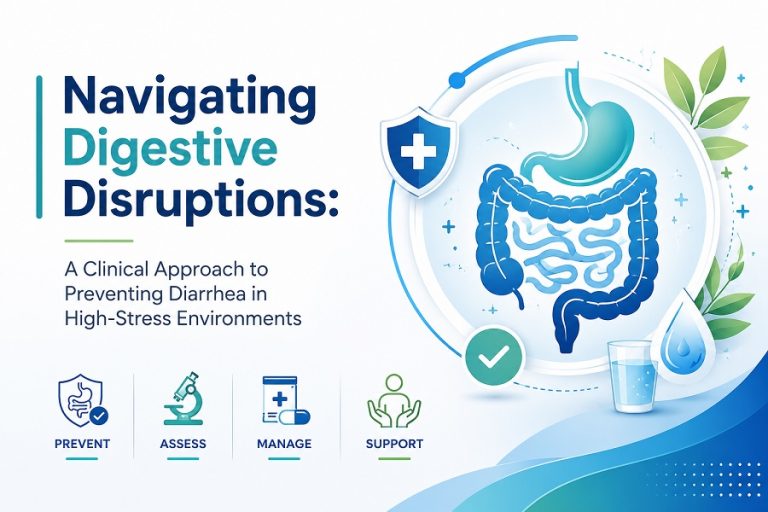
The human gastrointestinal tract is often referred to as the “second brain.” This moniker stems from the Enteric Nervous System (ENS), a complex network of neurons lining the gut that communicates constantly with the Central Nervous System (CNS). In high-stress environments—whether due to demanding professional schedules, intense athletic competition, or the rigors of international travel—this communication pathway can become compromised. Understanding the physiological triggers of gastrointestinal distress is the first step in preventing diarrhea and maintaining systemic equilibrium.

When the body enters a “fight or flight” state, it prioritizes immediate survival over long-term metabolic processes. Blood flow is diverted from the digestive organs to the skeletal muscles, and the release of stress hormones like cortisol and adrenaline can significantly alter gut motility. For many, this results in sudden, disruptive bouts of loose stools that can derail productivity and physical well-being.

The Gut-Brain Axis: Why Stress Triggers Distress

The relationship between psychological pressure and physical symptoms is rooted in biology. Under stress, the brain signals the gut to speed up its contractions (peristalsis). When these contractions become hyperactive, the large intestine does not have sufficient time to absorb water from food waste. The result is the liquid consistency characteristic of diarrhea.

Proactive Strategies for Preventing Diarrhea

Maintaining control over one’s digestive health requires a multi-faceted approach, particularly when you know a high-pressure period is approaching. Preventing diarrhea is not just about avoiding “bad food”; it is about reinforcing the gut’s natural defenses.

  • Mindful Consumption: In high-stress environments, there is a tendency to rely on stimulants like caffeine or artificial sweeteners. Both are known osmotic agents that can draw water into the colon, exacerbating the risk of loose stools.
  • Hydration with Purpose: Dehydration can actually slow down certain digestive processes while making the gut more sensitive. Drinking water consistently throughout the day ensures the mucosal lining of the intestines remains functional.
  • The 80/20 Dietary Rule: Focus on “low-residue” foods during peak stress. Simple carbohydrates like white rice, bananas, and boiled potatoes are easier for a stressed digestive system to process than high-fiber cruciferous vegetables or heavy, fatty meals.
  • Sanitation Vigilance: In shared workspaces or transit hubs, the risk of viral or bacterial contamination increases. Strict hand hygiene is the most effective clinical defense against infectious agents that trigger sudden gastrointestinal episodes.

The Role of Rapid Intervention: Anti Diarrhea Medicine

Even with the best preventive measures, the body’s physiological response to stress or a new environment can sometimes override our efforts. This is where the strategic use of anti diarrhea medicine becomes essential.

When to Incorporate Medication into Your Routine

For individuals in high-stakes environments—such as a keynote speaker, a frequent flyer, or a project manager facing a deadline—waiting for symptoms to “pass on their own” is often not a viable option. Early intervention with anti diarrhea medicine can prevent the secondary complications of diarrhea, such as:

  1. Electrolyte Imbalance: Rapid fluid loss can lead to the depletion of sodium and potassium, causing fatigue and brain fog.
  2. Increased Anxiety: The fear of a “bathroom emergency” creates a feedback loop of stress, which in turn further irritates the gut.
  3. Physical Exhaustion: Frequent episodes can be physically draining, reducing one’s ability to focus or perform.

Creating a “Digestive First-Aid Kit”

For those who frequently navigate high-stress environments, being prepared is a psychological and physical advantage. A well-stocked kit should include:

  • Fast-acting anti diarrhea medicine: Look for formats that are easy to carry, such as tablets that dissolve on the tongue without needing water.
  • Oral Rehydration Salts (ORS): To replace lost minerals.
  • Probiotic Supplements: To support long-term microbial balance.
  • Sanitizing Wipes: To ensure a clean environment regardless of location.

Conclusion: Reclaiming Control

When prevention is not enough, the informed use of anti diarrhea medicine serves as a reliable tool to restore balance, ensuring that your body stays in sync with your schedule. Success in any high-pressure environment requires your full focus; don’t let a manageable digestive issue be the thing that holds you back.

Hormonal health is the foundation of many vital bodily functions, from metabolism and energy regulation to growth and reproduction. When these chemical messengers are out of balance, the impact on quality of life can be significant. Finding a qualified endocrinologist in dubai is essential for managing conditions like diabetes, thyroid disorders, and metabolic syndromes. Given the high standard of medical care in the region, patients have access to some of the most advanced diagnostic and treatment facilities in the world.

The Role of an Endocrinologist in Modern Healthcare

An endocrinologist is a medical specialist who focuses on the endocrine system, a complex network of glands that produce hormones. These glands include the thyroid, parathyroid, pancreas, adrenals, pituitary, ovaries, and testes. Because hormones influence nearly every cell in the body, an imbalance can manifest in diverse ways, such as unexplained weight changes, chronic fatigue, or mood disturbances.

Hospitals in dubai are equipped with multidisciplinary teams that address these issues through a combination of clinical expertise and advanced technology. By seeking professional care, patients can receive a precise diagnosis and a personalized management plan designed to restore hormonal equilibrium.

Common Conditions Treated by Endocrinology Specialists

1. Diabetes Mellitus Management

Diabetes is one of the most prevalent endocrine disorders globally. Whether managing Type 1, Type 2, or gestational diabetes, a specialist provides the necessary tools for glucose monitoring and insulin regulation. Modern hospitals offer integrated programs that include nutritional counseling and podiatry to prevent long-term complications such as neuropathy or kidney disease.

2. Thyroid Health and Disorders

The thyroid gland regulates the body’s metabolism. Conditions such as hypothyroidism (underactive thyroid) or hyperthyroidism (overactive thyroid) can lead to symptoms like heart palpitations, hair loss, and temperature sensitivity. Specialists utilize fine-needle aspiration (FNA) and advanced imaging to evaluate thyroid nodules and manage autoimmune conditions like Hashimoto’s or Graves’ disease.

3. Metabolic and Lipid Disorders

High cholesterol and metabolic syndrome often require endocrine intervention to reduce the risk of cardiovascular disease. Specialists work with patients to manage obesity through medical protocols and lifestyle modifications, ensuring a holistic approach to weight management.

4. Reproductive Endocrinology and PCOS

Polycystic Ovary Syndrome (PCOS) is a common hormonal disorder among women of reproductive age. It can lead to irregular periods, acne, and fertility challenges. An endocrinologist in dubai provides targeted therapies to manage insulin resistance and hormonal fluctuations associated with reproductive health.

5. Bone and Mineral Metabolism

Hormones play a critical role in bone density. Conditions like osteoporosis and vitamin D deficiency are frequently managed within endocrinology departments to prevent fractures and maintain skeletal integrity.

State-of-the-Art Diagnostics in Dubai

Accurate diagnosis is the first step toward effective treatment. Premier hospitals in dubai utilize a range of sophisticated diagnostic tools, including:

  • Comprehensive Hormone Panels: Blood tests that measure specific hormone levels at precise times of the day to detect imbalances.
  • Dynamic Endocrine Testing: Specialized tests, such as glucose tolerance or ACTH stimulation tests, to evaluate gland function under stress.
  • Advanced Imaging: High-resolution ultrasound, CT scans, and MRI imaging to identify tumors or structural abnormalities in glands like the pituitary or adrenals.
  • Continuous Glucose Monitoring (CGM): Wearable technology that provides real-time data for diabetic patients, allowing for more precise treatment adjustments.

The Importance of a Multidisciplinary Approach

Endocrine disorders often intersect with other medical fields. For instance, a patient with a pituitary tumor may require the collaborative efforts of an endocrinologist and a neurosurgeon. Similarly, managing diabetes requires coordination between primary care physicians, dietitians, and ophthalmologists. NMC Healthcare emphasizes this collaborative model, ensuring that patients receive comprehensive care that addresses all aspects of their well-being.

When to See a Specialist

Many hormonal symptoms are subtle and can be easily mistaken for general stress or aging. However, persistent symptoms warrant a consultation with an endocrinologist in dubai. Key indicators include:

  • Sudden and unexplained weight gain or loss.
  • Persistent fatigue that does not improve with rest.
  • Excessive thirst and frequent urination.
  • Irregular menstrual cycles or symptoms of menopause.
  • New or worsening skin conditions, such as adult acne or excessive hair growth.
  • Thinning bones or frequent fractures.

Choosing the Right Hospital for Endocrine Care

When selecting a facility, patients should look for hospitals that offer a combination of board-certified expertise and patient-centered services. The best hospitals in dubai provide a seamless experience, from the initial consultation and diagnostic testing to long-term follow-up and education.

Patient education is a vital component of endocrine care. Since many hormonal conditions are chronic, understanding how to manage medication, diet, and exercise is essential for achieving the best outcomes. Leading clinics prioritize transparent communication, ensuring patients are well-informed participants in their own health journey.

Conclusion

Prioritizing your hormonal health is a vital step toward long-term wellness. With access to a world-class endocrinologist in dubai and the advanced resources available in the region’s leading medical facilities, patients can successfully manage complex endocrine disorders. Whether you are dealing with a new diagnosis or seeking better management of a chronic condition, the specialized care provided in local hospitals ensures that you can lead a healthy, balanced life. By choosing a facility that values clinical excellence and personalized attention, you are investing in a future of radiant health and vitality.

Key Takeaways

Your health insurance plan could have hidden exclusions that limit coverage for specialized treatments, certain medications, and mental health services. Always check the fine print to dodge unexpected costs.

It’s crucial to grasp the differences between copays and deductibles; copays are on-the-spot expenses at the time of service, while deductibles are amounts you need to pay out-of-pocket before your insurance kicks in. Confusing these terms can lead to unwelcome financial surprises.

Many Delawareans overlook the state-specific health insurance plans that could suit their needs better than generic alternatives. Take a look at local providers like Highmark, Aetna, and Cigna for more personalized coverage options.

Keep in mind, not all health insurance plans offer the same coverage. The differences in network restrictions, prescription coverage, and preventive care could significantly influence your healthcare experience.

It’s common to see people overpaying for health insurance by sticking to outdated plans or failing to compare their options. Taking a hard look at what’s available and understanding where you could save can lead to much better financial results.

To lower your health insurance premiums, you need a smart strategy. Think about Health Savings Accounts, compare plans every year, and check your eligibility for subsidies. Being aware and managing your options proactively really matters.

Open enrollment is a vital time to make informed decisions about your health insurance. Start early, consider your past costs, and make use of available resources to find the best plan suited for your needs.

Why Your Health Insurance Plan Might Not Cover What You Think

The Hidden Exclusions That Can Cost You

Imagine securing an appointment with a highly-rated doctor nearby. You’re feeling optimistic, believing you’ve got everything sorted. But suddenly, surprise! Your health insurance isn’t covering that specialized treatment. Why does this happen? Most times, it’s the hidden exclusions tucked away in the fine print. These exclusions can sneak up on you, often when you least expect it. It’s incredible how few people take the time to read what they’re agreeing to. Go figure.

In Delaware, these exclusions can cover everything from specific medications to whole categories of treatment. Let’s take a closer look at some typical offenders:

  • Experimental treatments.
  • Certain mental health services.
  • Pre-existing condition limitations.

Feeling anxious about your plan? You should be. Because of the unpredictable nature of medical needs, you can’t just assume you’ll be covered because your doctor referred you. Stay alert and examine your policy closely. The hardest lessons often come with massive bills.

Misunderstood Copay and Deductible Dynamics

Copays and deductibles – two terms that create a world of confusion. Copays are those immediate costs incurred when you visit a provider. A deductible is what you must pay out-of-pocket before your insurance begins covering anything. Seems straightforward, right? But here’s the kicker: Many folks get the two mixed up, or worse, fail to see how they impact their overall health expenses.

Just pause for a moment and think about your healthcare habits. Are you going for regular check-ups? If you’re dealing with a high deductible, those visits might hit your wallet harder than you expect, especially when you’re also managing copays. Here’s some food for thought:

  • A low monthly premium doesn’t automatically mean you’re getting a good deal.
  • Look at the total cost of care, not just the premium alone.
  • Be aware of when your deductible resets – it’s usually annually.

This misunderstanding can lead to unexpected expenses that dig into your budget. Know your plan back to front. Ignorance isn’t bliss; it’s a ticket to financial trouble.

Delaware-Specific Health Insurance Options You Overlook

The Top Plans Ignored by Most Residents

Many people in Delaware might not realize that state-centric plans can often provide better coverage than one-size-fits-all options. Seriously, why settle for generic when local providers offer customized alternatives? These frequently overlooked health insurance plans in Delaware could really work in your favor.

Some plans have proven quite beneficial for various folks:

  • Highmark Blue Cross Blue Shield – known for their extensive healthcare network.
  • Aetna – frequently offers great choices for families.
  • Cigna’s plans usually get high marks for their customer service.

So, why are these plans often ignored? Sometimes it’s branding, or perhaps misunderstandings about what they cover. Remember, this is about your health! Don’t just choose the first name you come across. Do a little research!

Finding the Right Fit for Your Unique Needs

Isn’t it about time you match your health insurance to your unique needs? Here’s what I usually suggest: evaluate your lifestyle and health requirements before landing on a plan. Everyone’s health journey is unique. Here’s a quick checklist of things to consider:

  • Do you have any chronic conditions?
  • How frequently do you visit doctors?
  • What’s your budget for premiums versus out-of-pocket expenses?

Answering these questions can guide you on the right path. Don’t just fill out forms and call it done. Take charge. You’re the one steering this ship.

Common Myths About Health Insurance in Delaware

Debunking the Belief That All Plans Are the Same

Here’s a hot take: Not all health insurance plans are equal. It’s surprising how many people believe they are. What they fail to grasp is just how varied the coverage can be. Some plans cover a whole bunch of services, while others barely scratch the surface.

“Choosing a plan based on misconceptions can lead to a financial crisis when you desperately need care.”

Looking into multiple options is a must, not a nice-to-have. You need to dispel this myth! Here’s a rundown of what distinguishes different plans:

  • Network restrictions – who’s actually in your corner?
  • Prescription coverage – do your medications make the list?
  • Preventive care – what proactive services are on offer?

Once you fully grasp the variety among plans, you may just reconsider your choices. Don’t stick to the status quo; it’ll pay off in the long run.

Why You’re Probably Paying Too Much

Ever feel like you’re tossing money out the window? You’re not alone in that experience. A lot of people end up overpaying for health insurance, convincing themselves it’s just “the way it is.” But, honestly, it’s more complicated than that. I’ve helped friends and clients dissect their bills enough to realize the truth:

Most people don’t dig deep enough into their options. Many cling to outdated or unnecessary coverages. Premiums can vary so much even in the same category. So, what can you do?

  • Get several quotes – don’t settle for the first one.
  • Inquire about discounts – savings could be waiting for you.
  • Review your plan every year – don’t let it become stale.

And let’s be honest: loyalty isn’t always rewarded. Companies often give their best rates to new customers. It’s time to evaluate and make informed choices about your coverage.

Strategies for Optimizing Your Health Insurance Choices

Smart Tips for Lowering Your Premiums

Everyone wants to save some cash, but many struggle with their health insurance. Lowering those premiums isn’t just luck; it requires strategy. I’ve picked up a few tricks along the way.

Here’s the scoop on some strategies that can provide you with better value:

  • Think about setting up a Health Savings Account (HSA) for tax benefits.
  • Compare your plan with others at least once each year.
  • Look into your eligibility for state subsidies on the exchange.

These small hacks can lead to significant savings. Stay alert; life changes may warrant a shift in your plan.

How to Use Open Enrollment Like a Pro

Open enrollment can sometimes feel burdensome, but it’s really a golden opportunity. The decisions you make during this time can influence your health costs for the entire year. So, why not make the most of it?

Here are some tips to navigate it with ease:

  • Start early – don’t leave it until the last minute.
  • Look back at last year’s costs to inform your new choices.
  • Participate in informational webinars offered by insurers.

Staying informed is a game changer. Don’t just let someone else chart your health course for the coming year. Be proactive, and you just might find a plan that fits your needs better while saving you some money, too.

The bottom line? Health insurance can feel overwhelming if you don’t know what to look for. But by understanding what you’re signing up for, challenging common beliefs, and staying informed, you can avoid many traps others fall into. Take charge of your health insurance journey, and you may find that managing your health coverage is not only doable, but crucial.

FAQ

What should I consider when evaluating my health insurance options?

Think about your unique health needs, lifestyle, and budget. Do you manage a chronic condition? How often do you see a doctor? Create a checklist of these factors to help guide your decisions.

Are there any resources to help compare Delaware health insurance plans?

Absolutely! Websites like Healthcare.gov have tools for side-by-side comparisons. Plus, local resources like the Delaware Department of Insurance can provide personalized help and educational materials.

Can I change my health insurance outside of open enrollment?

Typically, you can only change your health insurance during open enrollment unless something big happens in your life. This could be marriage, having a baby, or losing your current coverage. If any of these happen, make sure to act quickly!

What impact does my credit score have on health insurance premiums?

A bad credit score can result in higher premiums with some plans, especially if the insurer considers credit in their rates. So, keep your credit in check – those numbers might affect your health insurance costs more than you think.

How do I know if I qualify for state subsidies?

Whether you qualify for state subsidies usually hinges on your income relative to the federal poverty line. Check the guidelines on Healthcare.gov or your state’s exchange. It could lead to significant savings on your premiums.

What are common mistakes people make during open enrollment?

Many individuals skip reviewing their healthcare needs from the past year, which can lead to poor choices. Others rush through the process at the last moment without fully understanding their options. Take your time, do your research, and don’t make assumptions based on what worked last year.

How does my employer’s insurance compare to marketplace options?

Employer-sponsored plans sometimes offer better coverage at lower costs, but that’s not a given. Be sure to compare your employer’s offerings with marketplace plans, paying attention to total coverage, costs, and network restrictions.

What’s the best way to stay informed about health insurance changes?

Stay proactive! Subscribe to newsletters from health-related sites, keep an eye on updates from your state’s insurance department, and regularly browse relevant social media platforms. Knowledge is power – don’t wait for changes to take you by surprise.

Useful Resources

MADE Collagen, frequently referred to in Thailand as āļ‰āļĩāļ”āļĄāļēāđ€āļ”āđ‰āļĨāļ”āļŠāļīāļ§, is a homeopathic-based skin rejuvenation treatment designed to restore biological balance from within. Unlike traditional topical treatments, it aims to support cellular detoxification and improve microcirculation. It is a favored choice for individuals managing chronic acne, persistent dullness, or heightened skin sensitivity.

The treatment is designed to facilitate a “skin detox” by supporting the lymphatic system and reducing internal inflammation. This process encourages natural recovery, leading to a clearer complexion and a reduction in recurring breakouts. However, achieving these results requires a systematic approach, as the outcome depends heavily on the individual’s skin health and adherence to the recommended protocol.

How Does MADE Collagen Improve Skin Concerns?

MADE Collagen (āļ‰āļĩāļ”āļĄāļēāđ€āļ”āđ‰āļĨāļ”āļŠāļīāļ§) Injections help improve skin problems by supporting the skin’s internal balance and overall function. The treatment is designed to assist in reducing toxin buildup, improving microcirculation, and calming inflammation within the skin. As a result, it may help decrease acne breakouts, reduce skin dullness, and improve overall skin clarity.

By working on skin detoxification and regulation processes, Made injections aim to create a healthier skin environment where new breakouts are less likely to form and existing skin concerns gradually improve. However, results can vary depending on individual skin conditions, lifestyle, and aftercare routine.

How Many MADE Collagen Sessions Are Needed to See Visible Results?

Typically, MADE Collagen (āļ‰āļĩāļ”āļĄāļēāđ€āļ”āđ‰āļĨāļ”āļŠāļīāļ§) injections start showing noticeable improvements within the first 2-4 sessions, such as smoother skin texture, reduced inflammation, and fewer new breakouts. However, for clearer and longer-lasting results, a full course of about 4-8 sessions is usually recommended, depending on individual skin conditions.

In the beginning, treatments may be done once a week. As the skin improves, the interval can be extended to once every 2-4 weeks to help maintain balanced and healthy skin.

Factors That Influence How Quickly MADE Collagen Show Results

1. Consistency of the treatment course: Made injections are not a one-time treatment. They should be done consistently during the initial phase. In general, doctors recommend completing a full course to allow the skin to fully rebalance. Stopping halfway may lead to less noticeable results.

2. Skincare and lifestyle habits: Even with Made injections, poor sleep, oily food consumption, or high stress levels can still trigger breakouts. Proper self-care plays a key role in enhancing and maintaining results.

3. Initial skin condition: Individuals with chronic inflammatory acne or hormonal imbalances may take longer to respond to treatment. In contrast, those with milder skin concerns often see faster and more noticeable improvements.

Key Factors in Choosing a Safe and Reliable Clinic for MADE Collagen

Choosing the right clinic is very important because it directly affects both safety and treatment results. Selecting a reliable provider helps ensure a safer procedure and more effective, consistent results. Here is a key checklist to consider:

1. Check the medication and its source

You should choose a clinic that uses genuine Made products with proper import authorization and verifiable information. This includes clear labeling, batch numbers, import documents, or even opening the product in front of patients before injection. These practices ensure transparency, reduce the risk of counterfeit products, and increase confidence in treatment safety.

2. Experience and expertise of the doctor

The procedure should be performed by a doctor experienced in dermatology or aesthetic medicine. They should be able to carefully analyze different skin conditions such as inflammatory acne, hormonal acne, clogged pores, or allergy-related acne, and create a personalized treatment plan. Clear explanation of the treatment plan before starting is also essential for safety and patient confidence.

3. Clinic standards and hygiene

The clinic must be properly licensed by the Ministry of Public Health and maintain strict hygiene standards. This includes proper sterilization of equipment, use of sterile needles, appropriate treatment room separation, and a structured patient care system covering consultation, procedure, and aftercare. Medical records should also be systematically maintained to ensure patient safety.

4. Skin assessment before treatment

A good clinic should conduct a detailed skin analysis before starting the treatment, including oil levels, dryness, sensitivity, clogged pores, and acne tendencies, as well as daily skincare habits. This allows for a personalized treatment plan, improving effectiveness, reducing irritation risks, and helping patients achieve faster and more visible results.

5. Real user reviews and results

You should consider real patient reviews in terms of results, safety, and aftercare service from multiple sources such as social media, websites, video reviews, or before-and-after cases. Relying on only one source is not recommended. It is also important to observe long-term results, such as sustained acne reduction or recurrence patterns, to evaluate treatment effectiveness more accurately.

MADE Collagen is a skin-rejuvenation treatment that helps restore skin balance, reduce inflammation, and support detoxification from within, making it suitable for acne-prone, dull, or sensitive skin. Most people start to see improvements after 2-4 sessions, while a full course of around 4-8 sessions is recommended for more stable results.

Effectiveness depends on consistency, lifestyle habits, and individual skin conditions.

Choosing a safe clinic is essential-look for genuine products, experienced doctors, proper medical standards, and clear skin assessment before treatment.

Choosing a standardized clinic such as Better Me Clinic helps ensure both safety and more effective results, along with close professional care throughout every step of the treatment process. All of these factors contribute to safer MADE Collagen (āļ‰āļĩāļ”āļĄāļēāđ€āļ”āđ‰āļĨāļ”āļŠāļīāļ§) and more consistent, satisfying outcomes.