Category

Dental Care

Category

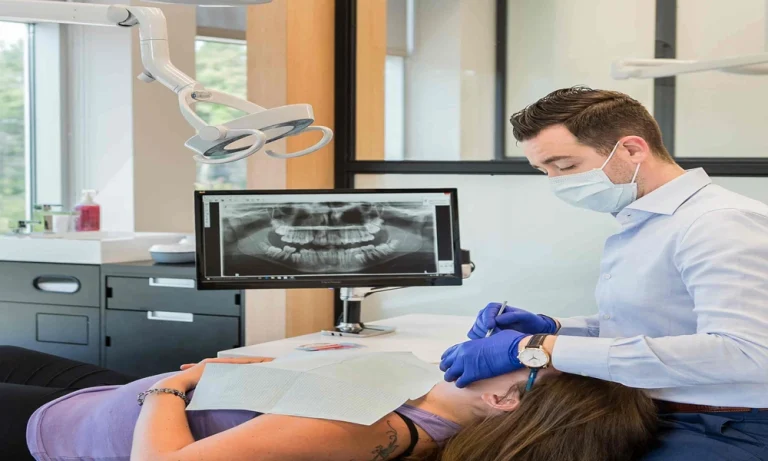
You already keep track of school forms, sports schedules, work deadlines, and the small health complaints that pop up at the worst times. It is easy for routine appointments to slide down the list, especially when everyone seems fine, which is why scheduling with a Concord cosmetic dentist can make preventive care feel more manageable. That is usually how it happens. A child says a tooth feels “a little weird.” An adult ignores gum bleeding because there is no pain. Months pass, and a simple visit turns into a bigger problem.

That is why 3 Reasons To Schedule Biannual Checkups For Every Family Member comes down to one truth. Regular visits catch problems early, protect your budget, and help every age group stay on track with preventive care. A trusted family dentist does more than clean teeth. They help you avoid the stress that comes from waiting too long.

Biannual checkups catch small dental problems before they grow

Most dental issues do not start with severe pain. Cavities often begin quietly. Gum disease can show up as mild tenderness or bleeding when you brush. Kids may not explain discomfort clearly, and adults often push through symptoms because there is always something more urgent to handle.

Two checkups a year create a steady rhythm. Your dentist can spot changes in enamel, gums, bite alignment, and oral habits before they lead to fillings, root canals, or tooth loss. This matters for children whose mouths are still developing, for teens with orthodontic concerns, and for adults managing wear, stress grinding, or older dental work.

Preventive visits also fit into the larger picture of routine health care. The federal guide to preventive services and regular doctor visits supports staying current with checkups because early care lowers the chance of missed problems. Dental care works the same way. You are not waiting for pain to tell you something is wrong.

This is one of the clearest reasons to schedule dental checkups twice a year. Early treatment is usually simpler, faster, and easier on your family.

Routine family dental visits help control long term costs

Skipping a six month visit can feel like saving money, especially if no one is complaining. The problem shows up later. Plaque hardens into tartar, a small cavity deepens, a cracked filling fails, and a child who needed sealants ends up needing restorative work instead.

You have probably felt that sinking moment when a “quick check” becomes a treatment plan. It is not just the bill. It is time off work, missed school, extra appointments, and the stress of hearing that something preventable got worse.

Regular exams and cleanings are part of smart prevention. MedlinePlus explains that routine dental care helps prevent decay and gum disease, which are two of the most common reasons people need more involved treatment. Preventive care costs less than corrective care in most cases, and that gap grows when multiple family members fall behind at once.

Twice yearly dental exams for families also help you plan. Instead of reacting to surprise dental needs, you can space out appointments, ask questions, and stay ahead of treatment while problems are still manageable.

Consistent checkups support every stage of growth and health

A family dental practice sees something many households need. One place can track patterns across ages and stages. A toddler may need guidance on brushing and thumb sucking. A school age child may need help with sealants or cavity prevention. A teen may need monitoring during orthodontic care. Adults may need support for grinding, gum recession, or worn restorations.

Children especially benefit from regular preventive visits because growth changes quickly. The American Academy of Pediatrics notes that well child care and regular checkups support healthy development. Dental visits are part of that pattern. They help build comfort with care, create healthy habits early, and reduce fear around appointments.

This is where a family dentist becomes more than a convenience. You are building continuity. Your provider learns your family history, notices changes over time, and gives advice that fits real life instead of one size fits all instructions.

Preventive dental care costs less than delayed treatment

Situation Biannual Checkups Delayed Dental Visits
Small cavity Often found early and treated with a simple filling May progress to pain, infection, or root canal treatment
Gum inflammation Can be addressed with cleaning and home care changes May advance to gum disease and deeper treatment needs
Children’s oral habits Thumb sucking, crowding, and hygiene issues are monitored early Problems may affect alignment, comfort, and treatment cost later
Family scheduling Planned visits with fewer surprises Urgent appointments, missed work, and missed school are more likely

The pattern is hard to ignore. Prevention gives you more control. Delay usually gives the problem more time.

Simple steps make family dental checkups easier to keep

Book everyone before the calendar fills up. Set the next round of appointments before you leave the office. When visits are already on the schedule, they stop competing with everything else.

Group appointments when possible. If your family dentist offers back to back visits, use them. One morning or afternoon is easier to manage than four separate trips spread across months.

Treat symptoms as a reason to move faster, not wait longer. Bleeding gums, tooth sensitivity, jaw pain, and bad breath that does not improve are signs to call sooner. A routine exam can turn into timely treatment before the issue gets harder to fix.

Keeping up with checkups is not about being perfect. It is about giving your family a steady baseline, so small issues stay small and oral health does not become one more crisis to manage. If it has been a while since your last visit, schedule those biannual checkups now and get everyone back on track.

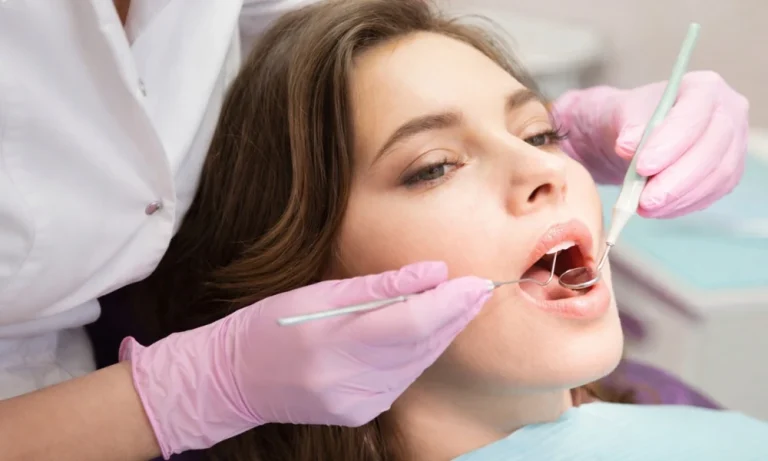
You brush, you floss when you can, and you still catch yourself hiding your teeth in photos or worrying about a spot that does not look right. That mix of health concerns and appearance concerns is common, and a Calgary dentist can help you understand both. Most people do not separate the two in real life. If your teeth look worn, stained, chipped, or uneven, you often wonder whether something deeper is going on too.

That is why 6 Cosmetic And Preventive Services That Create Comprehensive Smile Care matters as more than a catchy phrase. The best smile care usually blends protection with appearance. You are not choosing between a healthy mouth and a smile you feel good about. A skilled General And Cosmetic Dentist helps you protect enamel, lower the risk of decay, and improve the way your smile looks at the same time.

Preventive dental care supports cosmetic results that last

Cosmetic work gets attention because it is visible. Whitening brightens your teeth. Bonding smooths out chips. Veneers change shape and color. Those treatments can make a real difference in how you feel when you speak, laugh, or meet someone new. The problem is that cosmetic improvements last longer when the mouth underneath is healthy.

If plaque keeps building up along the gumline, if early decay is ignored, or if enamel is already thinning, cosmetic treatment can turn into a short term fix. You may spend money on the look of your smile while the structure underneath keeps breaking down. That is frustrating, and it can feel like you are always catching up.

A more balanced plan includes regular cleanings, exams, fluoride support, and cavity prevention along with cosmetic options. This is the heart of complete smile care services. It is less about chasing perfection and more about keeping your smile stable, comfortable, and easier to maintain.

These six smile care services work together

Routine exams and professional cleanings are the starting point. They catch small issues before they become painful or expensive. Early gum inflammation, tiny cavities, and wear from grinding often show up here first.

Fluoride treatments help strengthen enamel and lower the risk of decay, especially if you are prone to cavities, dry mouth, or sensitivity. The CDC explains how fluoride helps prevent tooth decay by making teeth more resistant to acid attacks.

Dental sealants add another layer of protection, usually on the chewing surfaces of molars where food and bacteria settle into deep grooves. According to the CDC, dental sealants can prevent cavities in those hard to clean areas.

Teeth whitening addresses surface stains from coffee, tea, red wine, tobacco, and age. It does not repair damage, but it can make a healthy smile look fresher and more even.

Dental bonding is useful when a tooth is chipped, slightly uneven, or has small gaps. It is one of the more conservative cosmetic services because it usually removes little to no natural tooth structure.

Veneers or similar aesthetic restorations can reshape teeth that are deeply stained, worn, or irregular. They are often chosen when whitening or bonding will not create the result you want.

When you put those services together, you get a stronger version of cosmetic and preventive dentistry. The preventive side lowers future problems. The cosmetic side helps you feel more at ease showing your smile.

Ignoring small dental problems often changes how your smile looks and feels

Tooth decay does not always start with pain. It can begin as a weak spot in enamel, then grow into a cavity that darkens the tooth, roughens the surface, and makes cold drinks sting. MedlinePlus outlines how tooth decay develops, often gradually enough that people miss it until real damage has already happened.

You may think a small chip is just cosmetic, but that rough edge can collect plaque more easily or worsen under daily pressure. You may think whitening is all you need, but if the discoloration comes from decay or an old filling, bleach will not fix the source. This is where a general dentist with cosmetic training brings more value. You get a plan that looks at function first, then appearance, instead of treating them like separate problems.

Comparing preventive and cosmetic dental services helps you plan wisely

ServiceMain PurposeBest ForWhat It Does Not Do
Dental exam and cleaningDetects early issues and removes buildupNearly everyone, especially patients overdue for careDoes not whiten or reshape teeth
Fluoride treatmentStrengthens enamel and helps prevent decayPeople with sensitivity, dry mouth, or frequent cavitiesDoes not repair deep cavities
Dental sealantsProtects grooves in back teeth from decayChildren, teens, and some adults with cavity riskDoes not treat existing decay
Teeth whiteningBrightens stained enamelSurface stains from food, drinks, and smokingDoes not fix chips, gaps, or disease
BondingRepairs chips, small gaps, and minor shape issuesPatients wanting a conservative cosmetic fixDoes not replace full restorative work
VeneersImproves color, shape, and symmetryMore visible cosmetic concernsDoes not replace preventive care

Small steps make smile improvement feel manageable

Book a diagnostic visit before choosing a cosmetic treatment. If you are focused on stains or shape, start with an exam anyway. Hidden decay, gum irritation, and grinding can change what treatment makes sense.

Ask for a phased plan. You do not need to do everything at once. Many people do better with a staged approach that starts with cleaning, decay prevention, and any needed repairs, then moves into whitening or bonding.

Match treatment to your real habits. If you drink coffee daily, grind your teeth at night, or struggle with sensitivity, say so. Those details affect which smile care services will hold up best for you.

A healthier smile and a better looking smile can happen together

You do not have to pick one goal and ignore the other. The strongest results usually come from blending prevention with appearance focused treatment, so your smile not only looks better now but stays easier to care for over time. If you have been putting off treatment because it all feels too expensive, too confusing, or too far gone, start with the first step and build from there. A trusted General And Cosmetic Dentist can help you create a plan that fits your teeth, your budget, and your life.

You might not think much about your teeth until something starts to hurt, a filling falls out, or your gums bleed when you brush. That is usually how dental trouble shows up. Quietly at first, then all at once. And when it does, it can feel stressful, expensive, and hard to fit into the rest of your life. If that sounds familiar, you are not alone. Kifer Park Dental in Sunnyvale, CA can help you take the next step.

The good news is that many oral health issues can be spotted early, often before they turn into pain or bigger treatment. That is where a general dentist can make a real difference. In simple terms, How General Dentists Help Patients Stay Ahead Of Dental Problems comes down to prevention, early detection, and steady care that keeps small concerns from becoming major ones.

Why do dental problems seem to appear out of nowhere?

Often, they do not appear out of nowhere at all. Cavities, gum disease, enamel wear, and even bite problems tend to build over time. The problem is that early warning signs are easy to miss. A tiny cavity may not hurt. Mild gum inflammation may seem unimportant. Grinding your teeth at night may only show up as a headache or jaw tension in the morning.

Because of this, many people wait until they feel pain before making an appointment. That makes sense on a human level. Life gets busy, and if nothing feels urgent, dental visits can slide down the list. But when you wait for pain, the issue is often further along, which can mean more treatment, more time, and more cost.

A dental care provider looks for the things you may not see at home. During routine visits, they check for decay, gum changes, cracked teeth, bite issues, and signs of habits like clenching or grinding. They also clean areas that daily brushing and flossing may miss. According to MedlinePlus information on dental exams, regular exams help identify problems early, when they are easier to manage.

How does a general dentist prevent small issues from turning into bigger ones?

Think about a small chip in a windshield. Left alone, it can spread. Teeth and gums are much the same. A general dentist does more than react to damage. They monitor changes over time and step in early.

For example, a small cavity may be treated with a simple filling. Catch that same tooth later, after decay reaches the inner pulp, and you may be looking at a root canal or extraction. Mild gingivitis may improve with a cleaning and better home care. Ignore it for too long, and it can develop into gum disease that affects the bone supporting your teeth.

This is one reason many people see preventive dental care as a way to protect both health and budget. Early care tends to be simpler. It is also less disruptive. You are more likely to keep your normal routine when you handle a problem early than when you are trying to manage pain, infection, or urgent treatment.

The link between oral health and overall health matters too. The NIH page on oral health research explains that oral health is tied to the health of the whole body. So, where does that leave you? It means routine dental care is not just about a nice smile. It is part of caring for your broader well being.

What is the difference between home care and seeing a general dentist?

Home care matters a great deal, and it is your first line of defense. But brushing and flossing, even when done well, cannot do everything. A general dentist brings trained eyes, clinical tools, and a record of your oral health over time. That combination helps catch patterns and changes that are easy to miss on your own.

Approach What It Helps With What It May Miss
Brushing and flossing at home Reduces plaque, freshens breath, supports gum health Early cavities, tartar buildup, hidden cracks, bite issues
Routine visit with a general dentist Exam, cleaning, early diagnosis, treatment planning Cannot replace daily home habits between visits
Waiting until pain starts May address urgent discomfort Often means the problem has advanced and may need more treatment

If you have ever thought, “I brush every day, so why do I still need a checkup?” that is the answer. Home care and professional care work together. One does not replace the other.

What practical steps can you take right now to stay ahead of dental problems?

1. Pay attention to small changes.

Sensitivity, bleeding gums, bad breath that lingers, jaw soreness, or a rough edge on a tooth may seem minor, but they are worth noticing. Small symptoms can be early signs. When you act early, care is often simpler.

2. Keep regular dental visits on your calendar.

A general dentist helps track your oral health over time, which is hard to do on your own. If you are not sure what healthy daily habits look like, the CDC oral health tips for adults offer clear guidance on brushing, flossing, and other everyday steps that support strong teeth and gums.

3. Ask questions before a problem grows.

If a tooth feels different, if your gums look swollen, or if you grind your teeth at night, bring it up. You do not need to wait until something becomes severe to ask for help. General dentistry works best when concerns are addressed early, not after they become emergencies.

How can steady dental care make life easier over time?

When you stay ahead of oral health problems, you are often protecting more than your teeth. You are protecting your time, your comfort, your sleep, and your finances. You are also giving yourself a better chance of avoiding the cycle many people know too well, which is ignoring a small issue, dealing with sudden pain, and then needing bigger treatment than expected.

That is the quiet value of a general dentist. They help you notice what is changing, understand what it means, and respond before the situation gets harder. If you have been putting off a visit, it may help to think of it not as one more task, but as a way to make the months ahead easier on yourself.

Staying ahead of dental problems is possible, and it usually starts with one simple step. Schedule a visit with a general dentist and give yourself the chance to catch issues early, protect your health, and move forward with more peace of mind.

You might be feeling pulled in ten different directions every time someone in your family mentions a toothache, a cleaning, or braces. One child needs their first checkup, a teenager is asking about whitening, and you are quietly worrying about your own gums. It can feel like every stage of life needs a different dentist and a different plan, and that is exhausting-unless you find a dentist in Enfield, CT who can care for your whole family at every stage.

Because of this pressure, you may be wondering if there is one trusted place that can care for your whole household. That is where a strong family dentist can change the picture. Instead of scattered appointments and mixed advice, you get one home base. One team that knows your history, your worries, and your goals. In short, six key services work together to make family dentistry a complete, long term solution for your oral health.

Here is the short version. A good family practice covers routine checkups and cleanings, children’s dentistry, restorative work, gum care, cosmetic options, and emergency help, often supported by modern tools like digital records and telehealth. When these services live under one roof, your care becomes simpler, more consistent, and usually less expensive over time.

Why does dental care feel so overwhelming for families?

It often starts with something small. A missed cleaning, a tiny chip in a tooth, a bit of bleeding when you floss. Life is busy, children’s schedules are packed, and your own needs slide to the bottom of the list. Months pass. By the time you finally book an appointment, the problem has grown, the cost has grown, and your stress has grown with it.

There is also the emotional side. Many adults carry old memories of painful or rushed dental visits. Children sense that anxiety and create their own. So each visit becomes not just a health task, but an emotional hurdle. That is a lot to carry when you are trying to protect your family’s health and your budget.

Financial worries add another layer. You might be wondering how to balance insurance limits, out of pocket costs, and the fear of a “surprise” bill if something more serious is found. It can feel safer to wait and hope things do not get worse, even though you know that usually makes problems harder to fix.

So where does that leave you? Often feeling stuck between wanting the best care and feeling unsure how to manage it all. This is exactly the gap a well rounded family dental care practice is built to fill.

How do six core services turn family dentistry into one complete solution?

When you think of the dentist, you might picture a quick cleaning and a check for cavities. Modern family dentistry services go far beyond that, and the way they fit together is what makes them powerful.

1. Preventive checkups and cleanings for every age

Regular exams, professional cleanings, X rays, and fluoride treatments are the quiet foundation of a healthy mouth. They catch problems when they are small, remove buildup you cannot reach at home, and give you clear guidance on brushing and flossing. The Health Resources and Services Administration explains why routine preventive care is so important for adults’ long term health, including heart disease and diabetes, which you can read more about in this overview of oral health for adults.

In a family setting, this means everyone can often be seen on the same day. One visit, one place, one team. Less time off work, less school missed, and fewer chances to forget or cancel.

2. Gentle pediatric dentistry that grows with your child

Children are not just “small adults.” They need care that matches their stage of growth and their emotional needs. A family practice that sees kids regularly can make those first visits short, calm, and friendly. That way, your child learns that the dentist is a safe place, not a scary one.

From baby teeth and thumb sucking questions to sealants and early orthodontic checks, the same team can guide you through each step. This long view helps spot problems with alignment or habits before they become painful or expensive to fix.

3. Restorative care to repair damage and save teeth

Even with excellent brushing, life happens. Cavities appear, a tooth cracks on a popcorn kernel, an old filling wears out. A complete family dental service includes fillings, crowns, root canals, and sometimes simple extractions. The goal is always to save and strengthen natural teeth whenever possible.

Here is where consistency matters. When the same dentist has seen your X rays and exams over the years, they know what “normal” looks like for you. That can lead to more tailored decisions and fewer surprises.

4. Gum care and periodontal treatment for adults

Many adults quietly struggle with gum disease. Gums that bleed, bad breath that does not go away, or teeth that feel a bit loose. These issues are more than cosmetic. Gum disease is linked to serious health conditions, and it is one of the main reasons adults lose teeth.

Family practices that include periodontal cleanings, deep cleanings, and gum health education can help you stay ahead of these problems. Instead of bouncing between offices, you can manage teeth and gums in one place, with a plan that fits your life and your medical history.

5. Cosmetic options to support confidence at any age

Appearance matters to how you feel in daily life. Maybe your teenager is self conscious about discoloration, or you have always hidden your smile in photos. When cosmetic options like whitening, bonding, or veneers are part of the same practice, they can be done with a clear understanding of your overall health, not just your looks.

This matters because cosmetic work should sit on a healthy foundation. When your dentist knows your full story, they can tell you honestly what will help, what might not last, and what is worth waiting on.

6. Emergency and supportive services, including telehealth

Toothaches do not respect business hours. A good family practice has a plan for urgent issues like sudden pain, broken teeth, or infections. Even if they cannot always see you immediately, they can often advise you on what to do in the short term, which can prevent small issues from turning into crises.

Some family practices also use telehealth for quick check ins, follow ups, or to decide if an in person visit is needed. The U.S. telehealth program shares helpful guidance for providers and patients on how virtual visits can support dental care, which you can see in this guide to telehealth for oral health. When used thoughtfully, this can save you time and reduce stress, especially for simple questions or post treatment checks.

How does a family dentist compare to piecing care together?

You might be wondering if it really matters whether you choose one family practice or keep using different dentists for different needs. Looking at the tradeoffs side by side can help.

Question Single Family Dentist Multiple Separate Providers
How well is your history understood? One full record for the whole family. Patterns and risks are easier to spot. Scattered records. You may repeat tests or re explain problems often.
Scheduling and time off work Group visits and coordinated appointments reduce trips. Different offices and times. More travel, more missed work and school.
Emotional comfort and trust Familiar faces and routines. Children often feel safer when parents see the same team. New settings and staff more often. Harder to build long term trust.
Cost over the years Preventive focus can reduce big emergencies. Often clearer planning for future costs. Higher chance of delayed care. Emergencies and rushed work can be more expensive.
Consistency of advice One team guiding habits, products, and treatment choices. Different opinions and styles. Can feel confusing or conflicting.

When you look at it this way, the value of a strong family practice is not just convenience. It is the calm that comes from having a clear, consistent path for everyone you care about.

What can you do right now to move toward calmer family dental care?

1. List your family’s real needs and fears

Before you search for a dentist, take ten minutes with a notepad. Write down who in your family needs what. First cleanings, overdue checkups, gum concerns, cosmetic wishes, fear of pain, fear of cost. Be honest and specific. This list becomes your guide when you speak with any office, and it helps you notice which practices truly listen.

2. Ask focused questions when you call or visit

When you contact a potential practice, ask about the six service areas. Do they treat young children regularly. How do they handle emergencies. What is their approach to gum care and prevention. Do they offer options to spread out treatment or payments when needed. Do they use any telehealth or virtual check ins.

You are not being “difficult” by asking. You are protecting your family. A good office will welcome these questions and answer in clear, plain language.

3. Plan the first year, not just the first visit

Once you choose a practice, think in terms of a year. Schedule cleanings in advance for everyone. Ask your dentist what they expect you might need in the next 12 months, such as sealants for a child or a deep cleaning for you. This does two things. It helps you budget and it reduces the fear of surprise problems, because you have already talked about what is likely and what to watch for.

Finding steady ground for your family’s smiles

You do not have to keep juggling different offices, last minute appointments, and unanswered questions. A well rounded family dentistry practice can give you one steady place to turn, no matter who in your home needs care or what stage of life they are in.

The first step is simply choosing to move from reacting to planning. Once you do that, those six core services stop feeling like separate tasks and start working together to protect your health, your time, and your peace of mind.

Your family deserves care that is calm, coordinated, and kind. You can start building that today by reaching out to a trusted family dentist in your area and beginning the conversation about what your household truly needs.

Healthy smiles change with time. Every life stage brings different dental challenges and goals. The right care supports lasting oral health. Early guidance often prevents future concerns. Later treatment can restore comfort and confidence. The best approach always depends on personal needs and careful assessment. orthodontist care helps create balanced smiles through every important stage. Prestwich Orthodontics understands these changing needs and provides suitable treatment for every age.

Understanding Early Childhood Development

The first year’s shape future smiles. Young teeth need careful attention. Small changes appear quite naturally. Parents should notice bite patterns early. Sometimes minor concerns become larger issues. The early examination offers valuable guidance for future growth. The treatment plan remains gentle and supports natural jaw development whenever possible. Prestwich Orthodontics encourages early evaluations because timely advice often reduces complicated treatment later.

The Changing Needs During Teenage Years

Teenage years bring rapid growth. Teeth shift more easily now. Jaw development continues naturally. Many alignment problems become clearer. But emotional confidence also becomes important. Comfortable treatment options help daily routines without creating unnecessary stress. Modern orthodontic solutions fit active school life and encourage better oral hygiene habits. Every personalized treatment plan supports healthy function while improving smile appearance with steady progress.

Adult Orthodontic Care Has Different Priorities

Adult treatment requires careful planning. Previous dental work matters greatly. Gum health needs attention first. Lifestyle choices affect treatment decisions. So, every smile deserves personalized care. Adults often choose discreet solutions because professional confidence remains an important daily consideration. Prestwich Orthodontics provides customized treatment plans that respect existing dental conditions while supporting long lasting oral health outcomes.

Why Regular Reviews Matter Throughout Life

Every smile continues changing naturally. Teeth respond to pressure. Daily habits influence alignment. Regular reviews protect lasting results. Now consistent monitoring prevents unexpected movement. Small adjustments made at the proper time maintain healthy bite relationships and comfortable function. Professional guidance also encourages better cleaning habits that reduce future dental complications while protecting treatment success.

FAQs

How Can Seasonal Sports Affect Orthodontic Treatment Plans?

Active sporting activities may require additional protective appliances that keep braces and teeth safer during regular training and competitive events.

Why Are Bite Assessments Important Before Cosmetic Smile Improvements?

A stable bite supports attractive results and helps cosmetic treatments remain comfortable and durable for many years.

Can Changing Work Routines Influence Orthodontic Appointments?

Flexible scheduling allows treatment to continue smoothly despite busy professional responsibilities or changing daily commitments.

Why Do Retained Baby Teeth Sometimes Delay Treatment Decisions?

Delayed tooth replacement may affect spacing and alignment, so careful observation helps determine the ideal treatment timing.

How Does Personalized Smile Planning Improve Long Term Satisfaction?

Individual planning considers oral health lifestyle and future goals, creating treatment outcomes that remain comfortable functional and naturally attractive.

Reliable oral habits shape stronger outcomes when guided with structured awareness daily. Consistent routines support balance while reducing unexpected complications across changing conditions. Professional insights from dentist anchorage improve direction with better clarity today. Early attention ensures stability while preventing gradual structural decline over time. Balanced care methods encourage steady progress with measurable, long-lasting improvements.

Daily oral hygiene routines improve stability

Simple practices maintain balance while supporting structured oral condition control daily.Consistent actions prevent buildup while improving overall structural strength gradually.

Regular monitoring practices supporting early detection

Frequent evaluations ensure timely identification while reducing the risk of hidden concerns.Structured observation helps maintain alignment with improved clarity across conditions.

Nutritional awareness supporting structural oral strength

Balanced intake supports strength while improving resistance against common structural issues.Healthy choices maintain internal balance while supporting overall oral condition stability.

  • Nutrient-rich intake supports stronger enamel formation with improved durability levels
  • Proper hydration maintains balance while reducing dryness within the oral environment daily
  • Limited sugar intake prevents buildup while supporting cleaner structural conditions
  • Balanced minerals support strength while improving long term oral stability effectively
  • Consistent habits maintain condition while reducing the risks of gradual structural decline

Preventive evaluations ensuring long term oral balance

Routine check-up’s maintain awareness while supporting structured monitoring across conditions.Professional insights guide adjustments while improving overall oral maintenance strategies.

  • Periodic reviews detect changes early with improved intervention planning accuracy
  • Structured analysis supports a better understanding of evolving structural conditions effectively
  • Timely adjustments prevent complications while maintaining stable oral alignment consistently
  • Professional guidance improves habits with clear and actionable recommendations regularly
  • Continuous monitoring ensures balanced progress with reduced unexpected structural variations

Protective habits enhancing long term oral strength

Daily care routines support resilience while maintaining structural consistency effectively.Preventive actions reduce stress while improving long-lasting oral stability outcomes.

  • Avoiding harmful habits supports stronger surfaces with reduced structural damage risks
  • Controlled pressure during cleaning prevents wear while maintaining surface integrity effectively
  • Balanced routine supports consistent care while improving long term strength outcomes
  • Timely attention reduces minor concerns before they develop into major issues
  • Structured habits maintain alignment while improving overall oral health consistency

How does preventive care support oral stability?

Preventive actions reduce risks while maintaining a balanced oral structure consistently.Early attention ensures better outcomes with reduced need for complex corrections.Structured habits support strength while improving clarity across changing conditions.

Common clarity questions on oral prevention

  • How often should care routines follow?Daily consistency ensures stability with improved long-term oral outcomes.
  • Does nutrition affect oral strength?Balanced intake supports durability with improved resistance against structural issues.
  • Are routine checks necessary?Yes, regular monitoring ensures early detection with better control outcomes.

Sustained care approach insights

Long-lasting stability grows through structured habits with reliable guidance daily.Balanced actions improve outcomes while supporting steady oral condition improvement consistently.Focused attention ensures strength while reducing risks across changing oral conditions.Continuous improvement builds reliability with clear direction across preventive care systems.Trusted guidance through emeraldpeakdental.com supports better decisions with lasting results.

The staff at Dixie Dental treats every person like family. Sometimes a friendly smile makes a huge difference during visits. You will feel comfortable from the moment you enter. The office atmosphere stays calm and very professional today. Most patients appreciate the gentle touch of the team. But high quality care requires more than just kindness. The doctors listen closely to all of your concerns. So you receive a plan tailored to your goals. Now the focus remains on your lasting comfort level. This dedication defines a truly great local dental practice.

Advanced Technology and Modern Techniques

Precision in dentistry relies heavily on the latest tools. Dixie Dental utilizes modern equipment for every single procedure. These advanced tools ensure very accurate results for you. But technology works best with a highly skilled hand. Sometimes modern machines make the process much faster now.

You benefit from less time spent in the chair. The team stays updated on the newest dental methods by the dentist in Washington, UT. So your treatments remain efficient and very effective today. Quality care starts with these innovative medical resources. The practice invests in your long term oral health.

Comprehensive Services for the Entire Family

A great clinic offers solutions for every age group. You might need simple cleanings or complex restorative work. The wide range of services covers most dental needs. Now families can get care in one single location. But convenience is only part of the great experience. The providers manage everything from prevention to cosmetic upgrades. Sometimes children feel nervous about their first dental visit. The friendly staff makes these appointments very easy today. So you can trust the experts with your family. This versatility sets the office apart from many others.

Clear Communication and Honest Guidance

Honesty forms the foundation of a good doctor relationship. You will understand every step of your dental journey. The experts explain all the details of your treatment. But they never pressure you into unnecessary dental work. Sometimes complex terms feel very confusing for many people.

The staff uses simple words to describe your options. So you make informed choices about your own teeth. Now you can feel confident in your health decisions. Transparent pricing also helps you plan for your care. The team values the trust of the local community.

Commitment to Long Term Oral Wellness

Regular visits help prevent many serious dental issues today. The doctors emphasize the importance of consistent daily habits. You receive helpful tips for maintaining a bright smile. But professional cleanings remain a vital part of health.

Sometimes small problems grow without the right expert care. The team catches these issues early to save you. So your natural teeth stay strong for many years. Now you can enjoy a lifetime of healthy smiles. Dixie Dental remains a dedicated partner in your wellness.

The first and most common thought that always comes to mind is usually a fear. I cannot explain why, but when I think about children and dentists, I instantly recall that pungent smell in the clinic, mint mingled with something sterile, cold air, subdued buzzing instruments in the background, and with a child, it is not scary in particular.

Yes, it probably feels huge and overwhelming. Bright lights. Strange noises. Someone leaning over your face. I mean, even adults get nervous sometimes, so about kids, you can imagine. That is where sedation dentistry comes in. Not to knock kids out completely like in movies, but more like helping them relax enough so their little shoulders stop tensing up, and their fingers unclench from gripping the chair.

Why parents look for gentle options

You would want to a nice kids dentist Abbotsford clinic where you and your child will be comfortable. My close friend suggested that I visit the Glow Pediatric Dental clinic, where the professionals discuss a lot about the creation of a calm space, such as making the entire experience look safe before anything else.

That section impressed me as it is not merely about teeth; it is also about feelings, credibility, and the entire atmosphere of the visit. They describe the benefit of sedation in helping children who are too anxious, or with sensitive gagging reflexes, or even children who require more time to have their procedures performed with no anxiety.

Makes sense, honestly, because when a child is scared, nothing goes smoothly.

Article image

How does sedation actually help kids?

It is not one single thing; different levels depend on what a child needs. From what I remember, the common benefits include:

  • Helping kids stay calm and relaxed
  • Reducing fear and panic during treatment
  • Making long procedures easier to complete
  • Preventing sudden movements that could cause injury
  • Creating better dental memories for future visits

And that last one feels important, because childhood dental experiences always stick with you forever, don’t they?

Types of sedation used

When I first heard the word “sedation,” I pictured hospital beds and machines, totally wrong. It is actually much simpler.

Usually it involves:

  • Nitrous oxide (laughing gas) – kids breathe it in and feel floaty, calm
  • Oral sedation – a mild medicine that makes them drowsy
  • Deeper sedation – used only when really necessary

The goal is not sleep, but it is comfort. That is the key difference I did not understand at first.

Random thoughts that keep lingering

Honestly, the biggest thing sedation dentistry seems to do is remove fear, not just for the child, but for parents, too. Because watching your kid cry in a dental chair stays with you.

But when the experience is calm, quiet, almost peaceful, soft voices, gentle lights, slow breathing, it changes everything. Kids walk out smiling instead of wiping tears.

And that, I guess, makes the whole dental journey feel lighter. Less like something to dread. More like just another normal part of growing up. Which is how it should be.

Your first cosmetic dentistry visit follows a set pattern. You talk about what bugs you about your smile. The dentist checks your teeth, gums, and how your jaw lines up. They usually take digital pictures for planning. Different treatment choices are laid out based on what you need. Invisalign NYC offices might do 3D scans to make your aligners. Most appointments run forty-five minutes to an hour. You’ll hear about prices, how long things take, and what results to expect before anything starts.

Initial assessment process

The dentist wants your dental background first; what you’ve had done before matters a lot. Old fillings, crowns, or root canals change, which procedures make sense. They’ll ask about health problems and medications you take. Next comes looking in your mouth. Tooth colour gets checked. Shape and positioning, too. Your gum condition matters quite a bit. How your teeth bite together is bigger than most people think. If your bite is off, some cosmetic fixes won’t work right. X-rays might be used to see under the gums.

Treatment options explained

Dentists usually offer several ways to fix cosmetic problems. Every method has good points and bad points. Veneers handle multiple issues, but they grind down your enamel. Whitening happens fast, but won’t fix shape problems. Bonding runs cheaper yet wears out sooner.

  • How long do different materials hold up
  • What upkeep does each option need
  • Whether the results look real
  • If you can undo the procedure
  • How much it hurts and the healing time

Your dentist should say why they push certain treatments instead of others. Some mouth conditions make specific procedures impossible. Heavy teeth grinding ruins veneers pretty quickly, for instance.

Financial planning details

Insurance almost never pays for cosmetic dental work. You’re covering this yourself. Offices give you exact cost numbers during that first visit. These cover every appointment, all materials, and checkups after. Payment plans help when treatments cost a ton. Lots of dentists partner with lending companies. You pay monthly for over six months to a few years. Interest charges bounce around quite a bit. Some places let you make payments directly without checking your credit. Knowing the money situation up front keeps you from getting shocked later.

Timeline and next steps

Your dentist maps out how long your picked treatment runs. Easy stuff like whitening goes quickly. Braces and aligners eat up months or years. Complicated things like veneers take multiple appointments. You find out what goes down at each visit. Prep work might happen first. Temporary fixes sometimes cover teeth between the real appointments. If you’re ready to go, they book your next time slot. Some folks need to mull it over. Nothing wrong with that. Good dental offices don’t push you to decide right then.

Cosmetic dental consultations hand you the facts you need for smart choices. Deep exams show what’s doable. Straight talk helps you weigh different routes. Clear pricing lets you budget properly. Asking questions during this meeting sets you up for better results and no second-guessing later.

Many parents do not realize how closely a child’s teeth are connected to speech development. Teeth help children form sounds, say words clearly, and speak with confidence. Many families planning orthodontic care also consider Invisalign cost when evaluating treatment options. Without teeth, children would have a hard time talking and eating. Teeth can even affect a child’s voice and language skills as they grow.

Speech and language development begins early in life. Around the age of one, children start to combine sounds and use simple words to ask for things. This is also the time when children usually have their first dental visit. As children learn to talk, they also learn how to move their mouth, tongue, and lips to make sounds. Healthy teeth help guide where sounds are made in the mouth, which improves speech over time.

Teeth play a big role in articulation, which means making sounds clearly. Some sounds are more affected by teeth than others. For example, the “F” sound is made by placing the top teeth on the bottom lip. If a child does not have front teeth, this sound can be hard to say. The “S” sound is another example. Missing or unhealthy front teeth can cause the tongue to move too far forward, leading to a frontal lisp. In these cases, speech therapists help children relearn how to move their mouth correctly to make clear sounds.

Dentists also check other parts of the mouth that affect speech, such as the uvula. The uvula is the small piece of tissue that hangs at the back of the throat. Its job is to close off the nose so air can flow out of the mouth during speech. If the uvula does not work properly, speech can sound nasal or unclear. This can make it hard for others to understand the child, which may cause frustration.

The tongue and teeth are also very important for eating. Even if a child does not have all their teeth yet, they can still eat solid foods. The tongue moves food around the mouth and helps push it toward the molars, which chew and break it down. After chewing, the tongue forms the food into a small ball and helps the child swallow safely. Speech and occupational therapists can help children who have trouble with feeding or are very picky eaters.

Tongue ties are another issue that can affect speech and feeding. A tongue tie restricts the tongue’s range of movement. This can make breastfeeding difficult for babies and speech difficult for older children. Dentists and speech therapists often work together to decide the best treatment.

Finally, drinking enough water is very important for both speech and oral health. Water keeps the voice clear and healthy. Sugary and caffeinated drinks can cause cavities and make the voice sound raspy or hoarse. Encouraging children to drink more water can help protect their teeth and improve their speech.