Category

Anti Aging

Category

Understanding how personalized hormone therapy may support patients experiencing hormonal imbalances.

Hormones play a central role in regulating many essential functions in the human body. From metabolism and sleep cycles to mood, energy levels, and reproductive health, hormones influence how the body maintains balance and stability.

However, hormone levels naturally change over time. Aging, medical conditions, and lifestyle factors can disrupt hormone production and lead to noticeable symptoms that affect quality of life. When these changes occur, healthcare providers may explore treatment strategies designed to restore hormonal balance.

In some cases, physicians consider personalized hormone therapy, particularly when commercially available medications do not meet a patient’s specific needs. Compounding pharmacies help support this personalized approach by preparing hormone medications tailored to individual prescriptions.

At King’s Pharmacy and Compounding Center, pharmacists work closely with healthcare providers to prepare customized hormone therapy formulations designed to align with each patient’s treatment plan.

Understanding Hormonal Imbalances

Hormonal imbalances occur when the body produces too much or too little of certain hormones. Because hormones regulate many biological processes, even small changes can lead to noticeable symptoms.

Common causes of hormonal imbalance may include:

  • Aging and natural hormonal decline
  • Menopause or perimenopause
  • Andropause in men
  • Thyroid conditions
  • Certain medical treatments
  • Stress or lifestyle factors

Symptoms of hormone imbalance can vary widely depending on the hormones involved. Some patients may experience fatigue, mood changes, sleep disturbances, or reduced energy levels.

For others, symptoms may include changes in metabolism, weight fluctuations, or shifts in cognitive function.

When these symptoms significantly affect daily life, healthcare providers may evaluate whether hormone therapy could help restore balance.

“Hormonal balance plays an essential role in maintaining energy, mood, and overall well-being.”

What Is Custom Hormone Therapy?

Custom hormone therapy refers to hormone medications that are prepared according to a physician’s prescription and tailored to the needs of a specific patient.

Unlike standardized medications manufactured in fixed strengths, compounded hormone therapy allows healthcare providers to adjust dosage levels and delivery methods to better match individual treatment goals.

Compounded hormone therapy may include medications that contain hormones such as:

  • Estrogen
  • Progesterone
  • Testosterone
  • DHEA
  • Thyroid hormones

By customizing the formulation, physicians can address unique hormonal needs that may not be adequately managed with standard medication options.

This personalized approach may also help patients who require specific dosage adjustments or alternative delivery methods.

Why Physicians Use Compounding for Hormone Therapy

Commercial hormone medications are designed to treat large populations with standardized formulations. However, each patient’s hormone levels, symptoms, and treatment goals can differ significantly.

Compounding pharmacies provide flexibility by allowing physicians to prescribe medications that are customized to each patient’s unique profile.

For example, compounded hormone therapy can be prepared in different dosage strengths or delivery forms depending on the patient’s needs.

These formulations may include:

  • Capsules
  • Topical creams
  • Transdermal gels
  • Sublingual preparations

This customization helps healthcare providers design treatment plans that better align with patient responses and clinical goals.

“Compounding allows hormone therapy to be tailored to the specific needs of each patient.”

Monitoring Hormone Therapy

When hormone therapy is prescribed, ongoing monitoring is an important part of the treatment process.

Healthcare providers typically evaluate patient symptoms, review laboratory testing when appropriate, and adjust dosages as needed to achieve optimal balance.

Because hormone levels can change over time, treatment plans may evolve to reflect a patient’s progress and overall health.

Pharmacists also play an important role by ensuring medications are compounded accurately and consistently according to the physician’s prescription.

Healthcare providers encourage patients to openly communicate their feelings during treatment, allowing for necessary adjustments.

The Role of Compounding Pharmacies

Compounding pharmacies are specially equipped to prepare customized medications that meet the needs of individual patients.

Licensed pharmacists follow strict protocols to ensure that compounded medications are prepared safely and accurately. Pharmaceutical-grade ingredients, precise measurement techniques, and quality control procedures help maintain consistency in each formulation.

At King’s Pharmacy and Compounding Center, pharmacists work collaboratively with physicians to prepare customized hormone therapy options when prescribed.

The pharmacy follows rigorous compounding standards and is licensed to serve patients in multiple states, ensuring that customized medications are prepared according to high safety and quality expectations.

Personalized Medicine and Hormone Health

Modern healthcare increasingly emphasizes personalized medicine, an approach that focuses on tailoring treatments to the unique characteristics of each patient. This holistic perspective is particularly valuable for complex, interconnected conditions; for instance, many patients seek out functional medicine for dysautonomia to address root causes rather than just managing symptoms

Rather than relying solely on standardized medications, personalized medicine considers factors such as medical history, symptoms, lifestyle, and laboratory data when designing treatment plans.

Compounded medications play an important role in this model because they allow physicians to prescribe therapies that match individual needs more closely.

Custom hormone therapy represents one example of how compounding can support personalized healthcare strategies under professional medical guidance.

FAQs About Custom Hormone Therapy

What is the difference between compounded hormones and commercial hormone medications?

Commercial medications are produced in standardized strengths, while compounded hormone therapy can be customized by pharmacists according to a physician’s prescription.

Is custom hormone therapy appropriate for everyone?

Hormone therapy is not suitable for every patient. A healthcare provider must evaluate symptoms, medical history, and individual health factors before recommending treatment.

How are compounded hormone medications prepared?

Licensed compounding pharmacists prepare medications using pharmaceutical-grade ingredients and precise formulations based on a physician’s prescription.

Why do patients choose compounding pharmacies for hormone therapy?

Compounding pharmacies provide customized dosage strengths and delivery forms that may not be available through standard commercial medications.

Personalized Compounding at King’s Pharmacy

As personalized healthcare continues to evolve, compounding pharmacies remain essential partners in helping physicians tailor treatment plans for individual patients.

At King’s Pharmacy and Compounding Center, pharmacists prepare customized medications, including compounded hormone therapy formulations, when prescribed by healthcare providers. By maintaining strict quality standards and working closely with physicians, the pharmacy helps support individualized care strategies for patients across multiple states.

If you would like to learn more about customized medications or compounded hormone therapy options, contact King’s Pharmacy and Compounding Center. Their experienced pharmacists work with healthcare providers to prepare personalized treatment solutions.
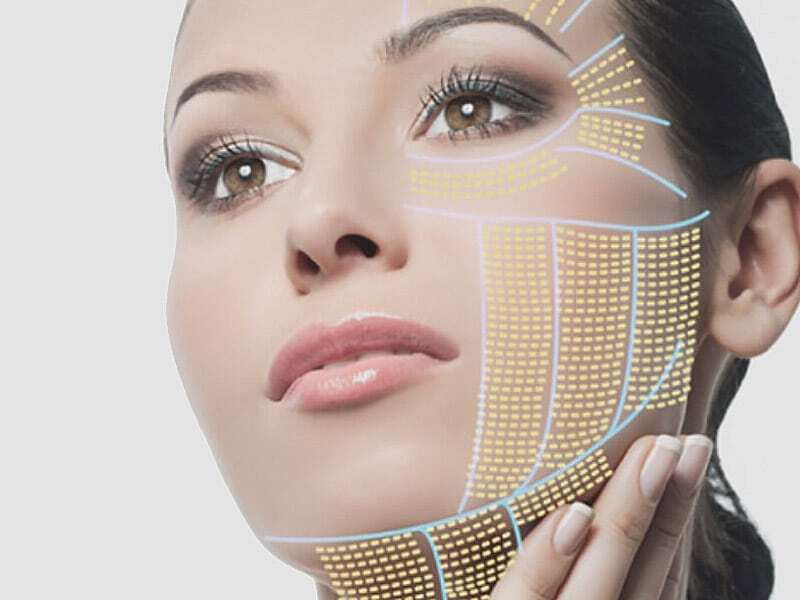
In the era of constant advancements in beauty technology, one treatment that has gained immense popularity is HIFU (High-Intensity Focused Ultrasound). 

HIFU has revolutionized the way people achieve a youthful and radiant appearance without the need for invasive surgery. 

With its remarkable effectiveness and impressive results, it’s no wonder that HIFU has become a go-to treatment for many individuals seeking a rejuvenated look. 

In this article, we will delve into the incredible effects of HIFU, exploring why it has become a sought-after procedure in the realm of beauty enhancement.

Understanding HIFU

hifu效果, or Hi Fu as it is commonly referred to, is a non-invasive cosmetic treatment that utilizes focused ultrasound energy to stimulate collagen production deep within the skin. 

This innovative approach allows HIFU to effectively lift and tighten sagging and loose areas on the face, neck, and body, resulting in a more sculpted and youthful appearance. 

Unlike traditional surgical face-lifting procedures, HIFU targets the foundational layers of the skin without causing any harm to the outer layers. 

This makes it a safe and popular choice for individuals looking for a non-surgical alternative to traditional facelifts.

The Remarkable Effects of HIFU

  • Lifts and Tightens

HIFU’s key benefit lies in its ability to lift and tighten loose or sagging skin. By penetrating precise areas with focused ultrasound energy, HIFU stimulates collagen production. Collagen, the protein responsible for maintaining skin elasticity and firmness, undergoes a replenishment process with HIFU treatments. 

The result is a noticeable improvement in skin firmness, resulting in a lifted and more youthful appearance.

  • Wrinkle Reduction

As we age, fine lines and wrinkles become more prominent on our faces. HIFU effectively minimizes the appearance of these aging signs by stimulating collagen production and increasing skin elasticity. 

By targeting the deeper layers of the skin, HIFU encourages the natural healing process, reducing the visibility of wrinkles and creating a smoother complexion.

  • Improved Facial Contouring

HIFU’s versatility extends beyond wrinkle reduction. It can be employed to contour and define specific facial areas such as the jawline, cheekbones, and chin. 

By harnessing the power of ultrasound energy, HIFU tightens and sculpts these areas, enhancing the overall facial profile. The treatment can effectively refine facial contours, offering a slimmer and more defined look.

  • Non-Invasive and Minimal Downtime

Unlike surgical procedures that require extensive downtime and recovery, HIFU is a non-invasive treatment with minimal to no downtime. 

This means that individuals can resume their daily activities immediately after the treatment. HIFU sessions are generally comfortable, with minimal discomfort experienced during the procedure. 

This convenience and efficiency make HIFU an attractive option for individuals with busy lifestyles.

Conclusion

HIFU, the revolutionary non-invasive treatment, has swept the beauty industry by storm, offering incredible effects that were once only achievable through surgical procedures. 

With its ability to lift, tighten, reduce wrinkles, and contour the face and body, HIFU is a game-changer for those seeking a refreshed and youthful appearance. 

As technology progresses and more individuals strive to look their best, HIFU stands at the forefront of innovation, providing a safe, effective, and non-surgical solution to their beauty needs. Embrace the power of HIFU and unlock your true beauty potential today!

Landing page 

Let our team of experts guide you through the transformative journey to a youthful and radiant you. Don’t miss out on the chance to redefine your beauty with the incredible power of HIFU!

As individuals age, the impact on their mental health becomes increasingly significant. The aging process brings about various challenges and changes that can affect a person’s mental well-being. Understanding the intersection of mental health and aging is crucial to ensure the overall well-being of older adults.

1. Age-related Changes and Mental Health

As people age, they may experience several physical and cognitive changes. These changes can have a direct impact on mental health. For example, decreased mobility, chronic health conditions, and the loss of loved ones can lead to feelings of isolation, loneliness, and depression.

Moreover, cognitive decline and memory loss can contribute to anxiety and frustration, making it difficult for older adults to cope with daily activities and maintain their independence. Recognizing and addressing these challenges are essential for promoting positive mental health in the aging population.

2. Stigma and Mental Health in Older Adults

Unfortunately, mental health issues among older adults often go unaddressed due to the stigma surrounding mental health in society. There is a prevalent belief that mental health problems are a normal part of aging, leading to the underdiagnosis and undertreatment of mental health conditions in this population.

It is crucial to challenge this misconception and raise awareness about the importance of mental health at all stages of life. By reducing stigma, older adults are more likely to seek help and receive the necessary support for their mental well-being.

3. Prevention and Supportive Measures

Implementing preventive measures and providing support systems can significantly improve the mental health of older adults. Encouraging regular physical activity, promoting social interactions, and maintaining a healthy lifestyle can help alleviate symptoms of depression and anxiety.

Additionally, providing access to mental health services and resources specifically tailored to the needs of older adults is of utmost importance. This can include counseling services, support groups, and educational programs addressing mental health concerns in aging populations.

4. Caregiver’s Role in Mental Health

Family members and caregivers play a crucial role in supporting the mental health of older adults. Providing emotional support, engaging in active listening, and encouraging open communication can help older adults feel understood and valued.

Caregivers should also be aware of the signs of mental health issues and seek professional help when necessary. Collaborating with healthcare professionals can ensure that older adults receive the appropriate treatment and support for their mental well-being.

5. Empowering Older Adults

Empowering older adults is essential to promote positive mental health. Encouraging them to maintain their independence, engage in meaningful activities, and pursue hobbies and interests can enhance their overall well-being.

Furthermore, fostering a sense of purpose and belonging within the community can significantly impact mental health. By recognizing the value and wisdom older adults bring, society can create an environment that supports their mental and emotional needs.

The intersection of mental health and aging is a crucial aspect of overall well-being in older adults. Understanding the age-related changes, challenging stigma, implementing preventive measures, involving caregivers, and empowering older adults are all essential components in promoting positive mental health. By prioritizing mental health at all stages of life, we can ensure a healthier and happier aging population.

Stem cell research has emerged as a revolutionary field of study with immense potential in various medical applications. One area where stem cells have shown significant promise is in anti-aging treatments. In recent years, breakthroughs in stem cell research have offered new hope for combating the effects of aging and rejuvenating the human body.

The Science Behind Stem Cells

Stem cells are undifferentiated cells that have the remarkable ability to develop into different types of specialized cells in the body. They can self-renew and divide to produce more stem cells or differentiate into specific cell types, such as muscle, nerve, or skin cells. This unique characteristic makes them invaluable in regenerative medicine.

Anti-Aging Potential of Stem Cells

As we age, our body’s ability to regenerate and repair itself diminishes. This decline is evident in the visible signs of aging, such as wrinkles, loss of skin elasticity, and reduced muscle mass. Stem cells offer a potential solution to counteract these effects by stimulating the body’s natural regenerative processes.

Researchers have discovered that stem cells can secrete various growth factors and signaling molecules that promote tissue repair and regeneration. By harnessing these properties, scientists are exploring ways to utilize stem cells to reverse the signs of aging.

Breakthroughs in Stem Cell Research

Recent advancements in stem cell research have provided exciting breakthroughs in anti-aging treatments. One significant development is the ability to extract stem cells from adipose tissue, commonly known as fat cells. Adipose-derived stem cells (ADSCs) have shown tremendous potential in rejuvenating aging skin.

Scientists have found that ADSCs can differentiate into skin cells and stimulate the production of collagen and elastin, two essential proteins responsible for maintaining skin elasticity and firmness. Clinical trials have demonstrated that injecting ADSCs into the skin can reduce wrinkles, improve skin texture, and enhance overall skin quality.

In addition to ADSCs, researchers are also exploring the use of induced pluripotent stem cells (iPSCs) in anti-aging therapies. iPSCs are adult cells that are reprogrammed to behave like embryonic stem cells, offering the ability to generate various cell types. This opens up new possibilities for regenerating damaged tissues and organs affected by aging.

The Future of Anti-Aging Treatments

While stem cell research has made significant progress in anti-aging treatments, there is still much to uncover. Scientists are continuously exploring different approaches to harness the potential of stem cells and refine their application in rejuvenation therapies.

Advancements in stem cell technology, such as tissue engineering and gene editing, hold great promise for the future of anti-aging treatments. By combining these innovative techniques with the regenerative properties of stem cells, researchers aim to develop more targeted and effective interventions to reverse the effects of aging.

Breakthroughs in stem cell research have opened up new possibilities in the field of anti-aging treatments. The unique regenerative properties of stem cells offer a potential solution to counteract the effects of aging and rejuvenate the human body. As research continues to progress, we can look forward to more innovative therapies that harness the power of stem cells to help us age gracefully.

As we age, it becomes increasingly important to take care of both our physical and mental well-being. Mind-body practices offer a holistic approach to graceful aging, promoting harmony between the mind, body, and spirit. These practices can help improve overall health, reduce stress, enhance cognitive function, and increase longevity. Here are some effective mind-body practices that aid in graceful aging:

1. Yoga

Yoga is a centuries-old practice that combines physical postures, breathing exercises, and meditation. It helps improve flexibility, strength, and balance, which are crucial for maintaining mobility and preventing falls as we age. Regular yoga practice also promotes relaxation, reduces stress, and enhances mental clarity.

2. Tai Chi

Tai Chi is a gentle martial art that involves slow, flowing movements and deep breathing. It improves balance, coordination, and flexibility, making it an excellent practice for older adults. Tai Chi also promotes relaxation and mindfulness, helping to reduce anxiety and improve mental well-being.

3. Meditation

Meditation is a practice that involves focusing the mind and achieving a state of deep relaxation. It can be done in various forms, such as seated meditation, walking meditation, or mindfulness meditation. Regular meditation practice has been shown to reduce stress, improve attention and memory, and increase feelings of happiness and well-being.

4. Mindfulness

Mindfulness is the practice of paying attention to the present moment without judgment. It involves being fully aware of your thoughts, feelings, and sensations in a non-reactive way. Practicing mindfulness can help reduce stress, improve emotional well-being, and increase self-awareness. It also promotes a positive outlook on life and enhances overall resilience.

5. Breathing exercises

Deep breathing exercises are a simple yet powerful practice that can be done anywhere, anytime. They help activate the body’s relaxation response, reduce stress, and improve oxygenation. Deep breathing exercises also enhance lung capacity, which is especially beneficial for older adults who may be prone to respiratory issues.

6. Creative expression

Engaging in creative activities such as painting, writing, or playing a musical instrument can have a profound impact on graceful aging. These activities stimulate the brain, promote self-expression, and provide a sense of fulfillment. Creative expression also fosters a positive mindset, enhances cognitive function, and improves overall well-being.

7. Social connections

Maintaining strong social connections is essential for healthy aging. Engaging in social activities, spending time with loved ones, and participating in community events can help reduce loneliness and improve mental well-being. Social connections provide a sense of belonging and purpose, which are crucial for graceful aging.

Incorporating these mind-body practices into your daily routine can greatly contribute to graceful aging. They offer a holistic approach to health and well-being, addressing both the physical and mental aspects of aging. Whether it’s through yoga, meditation, or creative expression, find the practices that resonate with you and make them a regular part of your life. Embrace the journey of graceful aging with a balanced mind, body, and spirit.

Having healthy and youthful-looking skin is a desire shared by many individuals. While there are various skincare products and treatments available, it is essential to recognize the significant role that diet plays in maintaining skin health and preventing premature aging. The saying, “you are what you eat,” holds true for the skin as well. The foods we consume can either promote a vibrant complexion or contribute to skin issues such as acne, wrinkles, and dullness.

The Link between Diet and Skin Health

Our skin is the largest organ in the body and serves as a protective barrier against external factors. It requires a constant supply of essential nutrients to function optimally. A well-balanced diet rich in vitamins, minerals, antioxidants, and healthy fats can help nourish the skin from within, providing it with the necessary tools for repair, rejuvenation, and a youthful appearance.

Here are some key nutrients found in certain foods that have a positive impact on skin health:

  • Vitamin C: Found in citrus fruits, berries, and leafy greens, vitamin C is crucial for collagen production, which keeps the skin firm and supple.
  • Vitamin E: Nuts, seeds, and avocados are excellent sources of vitamin E, which helps protect the skin from free radical damage caused by sun exposure and pollution.
  • Omega-3 fatty acids: Foods like fatty fish, walnuts, and flaxseeds are rich in omega-3 fatty acids, which help maintain skin elasticity and reduce inflammation.
  • Antioxidants: Brightly colored fruits and vegetables such as tomatoes, carrots, and spinach contain antioxidants that fight oxidative stress and promote a healthy glow.
  • Water: Staying hydrated by drinking an adequate amount of water throughout the day is essential for maintaining skin moisture and preventing dryness.

The Effects of an Unhealthy Diet on the Skin

On the other hand, consuming a diet high in processed foods, refined sugars, and unhealthy fats can have detrimental effects on the skin, leading to various skin issues and accelerated aging. These types of foods can contribute to inflammation, break down collagen, and increase sebum production, which can result in acne and other skin conditions.

Furthermore, a diet lacking in essential nutrients can compromise the skin’s ability to repair itself, leading to a dull and lackluster complexion. A deficiency in vitamins and minerals can also weaken the skin’s protective barrier, making it more susceptible to environmental damage.

Tips for a Skin-Healthy Diet

To promote skin health and slow down the aging process, it is crucial to incorporate skin-friendly foods into your diet. Here are some tips:

  1. Include a variety of fruits and vegetables in your meals, aiming for different colors to ensure a diverse range of nutrients.
  2. Incorporate sources of healthy fats such as avocados, nuts, and olive oil into your diet.
  3. Choose whole grains over refined grains to maintain stable blood sugar levels and reduce inflammation.
  4. Limit your intake of processed foods, sugary snacks, and beverages, as they can contribute to skin problems.
  5. Stay hydrated by drinking plenty of water throughout the day.
  6. Consider adding skin-boosting supplements such as collagen peptides or omega-3 fish oil to your routine, after consulting with a healthcare professional.

A well-balanced diet plays a significant role in maintaining healthy skin and preventing premature aging. By nourishing our bodies with the right nutrients, we can support our skin’s natural processes, enhance its appearance, and maintain a youthful glow. So, next time you think about skincare, remember that what you put on your plate is just as important as what you put on your skin.

As we age, our bodies go through various changes, both internally and externally. One of the key factors that contribute to the aging process and age-related diseases is the role of telomeres. Telomeres are repetitive DNA sequences found at the ends of chromosomes that protect them from degradation or fusion with other chromosomes. They act as a sort of protective cap, preventing damage to the genetic information contained within the chromosomes.

Telomeres play a crucial role in cell division and aging. Each time a cell divides, the telomeres shorten. Eventually, they become so short that the cells can no longer divide and enter a state called senescence or apoptosis, leading to the loss of tissue function and the onset of aging. This phenomenon is known as the Hayflick limit, named after Leonard Hayflick, who first discovered it in the 1960s.

Furthermore, the length of telomeres has also been linked to various age-related diseases. Shortened telomeres have been associated with an increased risk of cardiovascular diseases, diabetes, Alzheimer’s disease, and certain types of cancer. This connection between telomere length and disease susceptibility has sparked interest in studying telomeres as potential biomarkers for early detection and prevention of age-related diseases.

Telomeres and Cellular Aging

Cellular aging is a natural process that occurs as a result of telomere shortening. Telomeres protect the genetic material of the chromosomes from being eroded or fused together. With each cell division, the telomeres shorten, eventually reaching a critical length where the cells can no longer divide. This leads to cellular senescence, where cells lose their ability to function properly and contribute to the aging process.

Several factors can accelerate telomere shortening, such as chronic stress, poor diet, lack of exercise, and exposure to environmental toxins. These factors can increase oxidative stress and inflammation, further damaging the telomeres and contributing to accelerated aging.

Telomeres and Age-Related Diseases

Research has shown that shortened telomeres are associated with an increased risk of age-related diseases. Cardiovascular diseases, such as heart disease and stroke, have been linked to telomere shortening. The connection between telomeres and cardiovascular health is thought to be due to the role of telomeres in maintaining the integrity of blood vessel walls and regulating inflammation.

Telomere shortening has also been implicated in the development of diabetes. Shortened telomeres can affect the function of pancreatic beta cells, which are responsible for producing insulin. This dysfunction can lead to insulin resistance and the development of type 2 diabetes.

Furthermore, telomeres have been studied in relation to neurodegenerative diseases, including Alzheimer’s disease. Shortened telomeres have been found in the brains of individuals with Alzheimer’s disease, suggesting a potential role in the disease’s progression. Additionally, telomere dysfunction has been associated with an increased risk of certain types of cancer, such as lung, breast, and prostate cancer.

Telomeres as Biomarkers

Given the association between telomere length and age-related diseases, telomeres have emerged as potential biomarkers for early detection and prevention of these conditions. Measuring telomere length can provide insight into an individual’s biological age and their risk of developing age-related diseases.

Several methods for measuring telomere length have been developed, including quantitative polymerase chain reaction (qPCR) and fluorescence in situ hybridization (FISH). These techniques allow researchers to accurately assess telomere length and study its relationship with various health outcomes.

Understanding the role of telomeres in aging and age-related diseases has opened up new avenues for research and potential interventions. Strategies aimed at preserving or lengthening telomeres, such as lifestyle modifications, antioxidant supplementation, and telomerase activation, are being explored as potential approaches to slow down the aging process and reduce the risk of age-related diseases.

  • Telomeres play a crucial role in cell division and aging.
  • Shortened telomeres have been associated with an increased risk of cardiovascular diseases, diabetes, Alzheimer’s disease, and certain types of cancer.
  • Cellular aging occurs as a result of telomere shortening, leading to cellular senescence and functional decline.
  • Telomere shortening is accelerated by factors such as chronic stress, poor diet, lack of exercise, and exposure to environmental toxins.
  • Measuring telomere length can serve as a biomarker for assessing an individual’s risk of age-related diseases.