Author

Lorraine

Browsing

Navigating pregnancy requires professional guidance to ensure the health and well-being of both mother and baby. Consulting a qualified maternity doctor helps expectant parents understand every stage of prenatal care, routine screenings, and labor preparations. Working alongside an experienced obstetrician Dubai ensures comprehensive medical monitoring, personalized birth plans, and expert post-delivery support tailored to individual healthcare needs.

Understanding the Role of a Maternity Doctor and Obstetrician

Embarking on the journey of pregnancy is an extraordinary milestone that brings significant physical and emotional changes. Securing expert medical support early in the process is essential for maintaining optimal maternal and fetal health. A dedicated maternity doctor specializes in evaluating prenatal progress, managing routine maternal health concerns, and offering continuous guidance from early conception through the postpartum period. Their primary goal is to foster a safe, supportive, and informative environment where expectant mothers feel empowered throughout their pregnancy.

In addition to general maternal care, partnering with an obstetrician in Dubai provides specialized medical oversight for surgical, high-risk, or complex pregnancy scenarios. Obstetricians are fully trained medical doctors equipped to handle complications, perform emergency or elective cesarean deliveries, and monitor intricate fetal developments. Together, these healthcare professionals form a complete support network, ensuring every phase of pregnancy, labor, and recovery is carefully managed according to international standards of care.

The Initial Prenatal Consultation and Health Assessment

The first visit to a medical facility during pregnancy sets the foundation for a healthy gestation period. During this crucial initial appointment, your maternity doctor will perform a comprehensive evaluation to establish baseline health parameters. This includes taking a detailed personal and family medical history, reviewing previous pregnancies, discussing lifestyle factors, and establishing an estimated due date.

Routine physical examinations, blood pressure checks, and baseline laboratory tests are routinely conducted during this visit. These initial assessments help identify potential nutritional deficiencies, hormonal imbalances, blood type considerations, or underlying conditions such as gestational hypertension or diabetes. Establishing clear communication during your first consultation with an obstetrician in Dubai allows parents to voice questions, discuss personal birth preferences, and gain a clear timeline of upcoming milestones and routine check-ups.

Routine Check-Ups and Developmental Screenings

As pregnancy progresses, continuous prenatal monitoring becomes the primary mechanism for assessing fetal development and maternal health. Standard prenatal care schedules typically involve monthly visits during the first two trimesters, increasing to bi-weekly visits in the third trimester, and weekly check-ups as the estimated due date approaches.

During these routine visits, your maternity doctor will track essential growth markers, including maternal weight gain, fundal height, blood pressure levels, and fetal heart rates. Non-invasive ultrasound examinations are performed at strategic intervals, typically in the first trimester for viability and dating, and around mid-pregnancy for detailed anatomical evaluations. An experienced obstetrician in Dubai carefully reviews these diagnostic images to confirm structural development, evaluate placental location, and measure amniotic fluid volumes, guaranteeing that any subtle variance is detected and addressed immediately.

Navigating Advanced Diagnostics and High-Risk Pregnancy Care

While many pregnancies proceed smoothly without significant issues, some journeys require additional medical vigilance due to pre-existing health conditions, maternal age, multiple gestations, or specific genetic risk factors. In such instances, routine consultations expand to include specialized diagnostic procedures and tailored management plans.

When complex medical circumstances arise, an obstetrician in Dubai utilizes advanced diagnostic technologies, such as non-invasive prenatal testing (NIPT), detailed fetal echocardiograms, or continuous biophysical profiling. Working in close coordination with specialized care teams, your maternity doctor provides structured support for managing lifestyle modifications, dietary requirements, and therapeutic interventions. This structured approach helps minimize complications associated with preeclampsia, gestational diabetes, or intrauterine growth restriction, giving parents reassurance and clarity.

Preparing for Delivery and Postpartum Support

The final trimester focuses heavily on labor preparations, birth planning, and immediate post-delivery care protocols. Developing a clear labor strategy involves discussing pain management preferences, understanding stages of labor, and identifying delivery options suitable for both mother and child.

Your obstetrician in Dubai will review all potential delivery pathways, explaining the circumstances that may require medical interventions or operative procedures. Simultaneously, your maternity doctor provides guidance on recognizing early labor signs, packing hospital essentials, and preparing for initial infant care. Following delivery, healthcare providers continue to monitor maternal recovery, assisting with wound care, hormonal fluctuations, lactation support, and mental health evaluations to ensure a smooth transition into parenthood.

Conclusion

Choosing proper medical guidance throughout pregnancy is one of the most vital decisions expectant parents can make. Consulting a knowledgeable maternity doctor guarantees continuous, empathetic prenatal monitoring and comprehensive lifestyle guidance. Paired with the specialized clinical expertise of an obstetrician in Dubai, families receive top-tier diagnostic care, individualized birth management, and complete postpartum support. Investing in qualified, professional care ensures a safe and positive delivery experience for both mother and child.


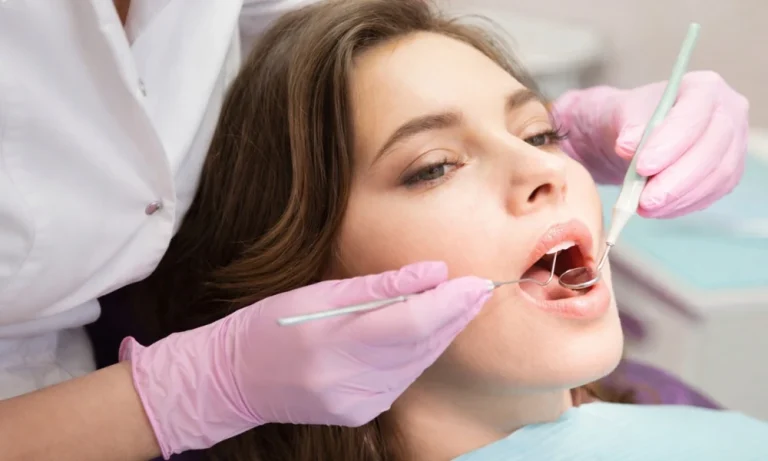
You catch your reflection in a photo, a video call, or the bathroom mirror, and your eyes go straight to your teeth. Maybe it is discoloration, worn edges, crowding, or gums that look uneven. You want a better smile, but you do not want to trade health for looks. That tension is real, and it is why the best smile improvements come from a dentist in Honolulu who sees function and appearance as part of the same picture.

A stronger smile is not built on whitening alone, and it is not built on cosmetic work that ignores gum health, bite balance, or enamel strength. The safest path usually starts with the basics, then moves into treatments that fit your goals, your budget, and your mouth as it actually is. These smile enhancement tips can help you think like a dentist who cares about both beauty and long term oral health.

Healthy gums and clean enamel create the base for cosmetic dentistry

If your gums bleed when you brush, if your breath stays off even after mouthwash, or if plaque keeps building up around the same spots, cosmetic treatment should not be the first move. Gum disease can change the way your smile looks and feels. It can also affect how long cosmetic results last. The CDC explains that gum or periodontal disease can damage the tissues that support your teeth, which makes early care worth taking seriously.

This is where many people get frustrated. You may want veneers or whitening now, but inflamed gums, untreated decay, and heavy tartar make those choices less predictable. A general and cosmetic dentist will usually start with a full exam, a cleaning, and any needed restorative care. That is not a delay. It is how you protect your investment and avoid chasing cosmetic fixes that sit on top of untreated problems.

Whitening works best when stains are identified before treatment

Not all discoloration responds the same way. Coffee, tea, red wine, and tobacco often cause surface staining, while some darkening comes from age, medication, trauma, or old dental work. That matters, because over the counter strips may help one person and disappoint another.

Professional whitening can brighten natural teeth more evenly, especially when the enamel is healthy and the shade change is realistic. If one tooth is darker because of past injury, or if visible fillings do not change color with whitening, a dentist may suggest bonding or a crown instead. This is one of the most useful cosmetic dental tips to remember. The right treatment depends on why the color changed in the first place.

Small shape changes can improve a smile without major dental work

People often assume smile design means dramatic treatment. Sometimes the biggest difference comes from small corrections. Smoothing a chipped edge, reshaping a slightly uneven tooth, or using bonding to close a minor gap can change the whole feel of your smile without removing much enamel or committing to a larger plan.

This matters if you have been putting off care because you fear a long, expensive process. A dentist focused on both health and aesthetics will often look for conservative options first. If your bite is stable and your teeth are sound, subtle contouring or composite bonding may give you the cleaner, softer look you wanted without pushing you toward treatment you do not need.

Daily habits protect both appearance and long term oral health

Cosmetic results fade faster when home care slips. Whitening loses ground. Bonding stains. Gums get puffy. Breath changes. The CDC offers practical oral health tips for adults that support both appearance and prevention, including brushing twice a day with fluoride toothpaste and cleaning between teeth daily.

You do not need a perfect routine. You need one you can keep. If you clench your teeth, wear a night guard if your dentist recommends one. If you sip coffee for hours, rinse with water after. If your gums are tender, switch to a soft brush and improve your technique instead of brushing harder. Cosmetic dentistry looks better when the everyday habits behind it are steady.

Professional care and DIY fixes do not carry the same risks

Approach What It Can Help Main Limits Best Use
Whitening toothpaste Light surface stain Minimal shade change, can be abrasive if overused Maintenance after professional cleaning or whitening
Over the counter whitening strips Mild to moderate yellowing on natural teeth Uneven results, tooth sensitivity, no change to crowns or fillings Healthy teeth with simple staining
Professional whitening More noticeable brightening Temporary sensitivity, still limited by existing restorations Faster, more controlled whitening
Dental bonding Chips, small gaps, shape issues, isolated discoloration Can stain or wear over time Conservative cosmetic improvement
Veneers Color, shape, size, spacing concerns Higher cost, usually irreversible enamel changes Broader smile redesign

The point is not that home products are bad. Some are useful. The problem starts when a DIY fix is asked to solve something it cannot solve, like internal discoloration, bite wear, or gum recession. That is often when money gets wasted and disappointment builds.

Three steps can make smile improvement feel manageable

Start with a health first exam. Ask for a full check of your gums, enamel, bite, and existing dental work before choosing cosmetic treatment. A good plan for smile aesthetics and oral health starts with what needs protection, not just what needs brightening.

Pick one concern, not five. If you focus on the issue that bothers you most, color, shape, or alignment, the path gets clearer. Many people feel less overwhelmed once they realize they do not need to fix everything at once.

Ask for conservative options first. Bonding, contouring, whitening, and gum care may get you close to your goal without major treatment. If you do need more involved cosmetic dentistry, you will move into it with better information and healthier teeth.

Your smile does not need to look fake to look better, and it does not need to be perfect to feel like yours again. The best results usually come from steady care, honest planning, and a dentist who respects both appearance and function. If you are ready to improve your smile, schedule a visit with a general and cosmetic dentist and find out which changes will make the biggest difference for you.

Thyroid cancer is often described as one of the more manageable cancers, and in many cases, the outlook is genuinely favorable. That said, favorable does not mean simple, and patients frequently underestimate how much ongoing care is involved after the initial thyroid cancer treatment phase is complete.

This guide covers what long-term management typically looks like, so patients know what to expect well beyond their initial surgery or treatment.

Why Thyroid Cancer Requires Long-Term Attention

Because the thyroid gland regulates hormones that affect metabolism, energy levels, and overall body function, treatment, particularly when it involves partial or complete removal of the thyroid, changes how your body manages these processes going forward. This means thyroid cancer care does not end once the primary treatment phase is complete. It shifts into an ongoing management phase that can continue for years, sometimes for life.

What Long-Term Management Typically Involves

Hormone Replacement and Monitoring

Most patients who undergo thyroid removal need lifelong hormone replacement therapy. Getting the dosage right takes time and regular blood test monitoring, since both too little and too much thyroid hormone can affect energy, mood, weight, and heart rate.

Regular Follow-Up Imaging and Blood Work

Even after successful treatment, regular follow-up appointments, including blood tests and periodic imaging, are standard practice to monitor for recurrence. The frequency of these follow-ups typically decreases over time as you remain cancer-free for longer periods, but they do not stop entirely.

Managing Physical Changes

Some patients experience changes in voice, swallowing, or neck sensation following thyroid surgery. While many of these effects improve over time, ongoing monitoring and, in some cases, additional supportive therapies can help manage lingering symptoms.

Emotional and Psychological Adjustment

Even with a favorable prognosis, living with the knowledge of a cancer diagnosis and the need for ongoing monitoring can create lasting anxiety for many patients. This emotional aspect of long-term management is often underestimated but genuinely important to address.

Living Well During Long-Term Follow-Up

Long-term thyroid cancer management works best when patients stay engaged with their care rather than treating follow-up appointments as an afterthought. Keeping a consistent schedule for hormone level checks, reporting new symptoms promptly rather than waiting for the next scheduled visit, and maintaining open communication with your care team all contribute to better long-term outcomes.

The Role of Complementary Support Alongside Medical Follow-Up

Many patients explore additional supportive approaches to help manage the physical and emotional demands of long-term thyroid cancer follow-up. Programs like Cancer Healer Therapy, when used alongside your ongoing medical monitoring, can offer additional support for overall wellbeing during this extended phase of care. It is important that any complementary approach is discussed with your treating doctor and coordinated alongside your standard follow-up plan, rather than used in place of it.

How Dr. Tarang Krishna Supports Long-Term Thyroid Cancer Patients

Dr. Tarang Krishna works with thyroid cancer patients to provide ongoing supportive guidance throughout the long-term management phase, helping address both the physical adjustments and emotional aspects that come with extended follow-up care. This support is designed to complement, not replace, the regular monitoring and hormone management provided by your treating endocrinologist or oncologist.

Getting Started

If you have completed initial thyroid cancer treatment and are navigating the long-term management phase, understanding what to expect, and seeking additional supportive care where helpful, can make this extended journey more manageable.

Frequently Asked Questions

Will I need thyroid hormone replacement for the rest of my life?

If your thyroid was fully removed, yes, lifelong hormone replacement is typically necessary, with regular monitoring to keep dosage accurate.

How often do I need follow-up appointments after thyroid cancer treatment?

This varies by case, but follow-ups are often more frequent in the first few years after treatment, gradually spacing out as you remain cancer-free.

Can thyroid cancer come back after successful treatment?

Recurrence is possible, though many thyroid cancer subtypes have a favorable long-term outlook. Regular monitoring helps catch any recurrence early if it occurs.

Is it normal to feel anxious even after successful treatment?

Yes, ongoing anxiety about recurrence is common among cancer survivors, including thyroid cancer patients, and addressing this emotional aspect is an important part of long-term care.

Can voice changes after thyroid surgery improve over time?

Many patients see improvement in voice or swallowing changes over weeks to months, though some may need additional supportive therapy depending on the extent of surgery.

Should I combine complementary therapies with my medical follow-up plan?

Any complementary approach should be discussed with your treating doctor first, so it can be properly coordinated alongside your standard medical monitoring.

You might be dealing with a tooth that hurts when you chew, a chipped edge that catches your tongue, or a filling that works fine but shows every time you smile. That mix of concern can feel harder than it sounds, because you are not only thinking about pain or repair. You are also thinking about how your teeth look when you talk, laugh, and eat with other people. When you need dental work, it is normal to want both comfort and confidence, which is why seeing a dentist in Strathcona Edmonton can feel like an important step.

That is where how general dentistry balances functionality with aesthetic outcomes becomes so important. Good treatment is not just about fixing damage. It is about helping your teeth work the way they should while keeping your smile natural and healthy looking. In many cases, a general dentist can guide you toward choices that protect your bite, your budget, and your appearance at the same time.

Why does fixing a tooth often mean thinking about both strength and appearance?

When a tooth is damaged, the first goal is usually simple. Stop pain, remove decay, and restore function. But real life is rarely that simple. A front tooth needs to look natural. A back tooth needs to handle pressure from chewing. Sometimes one tooth has to do both, and that is where the decision gets more personal.

Because of this tension, you might wonder whether you have to choose between a durable repair and a good looking one. Often, you do not. Modern materials give patients more options than they had years ago. For example, the National Institute of Dental and Craniofacial Research explains the types of dental fillings available, including materials chosen for strength, color match, or both. The best option depends on where the tooth sits, how much pressure it takes, and how visible it is when you smile.

This is why a general dentist does more than fill a cavity or smooth a chip. They look at your bite, the size of the repair, the surrounding teeth, and how the result will age over time. A repair that looks good on day one but wears down too fast may create new trouble. On the other hand, a strong repair that stands out sharply can leave you self conscious. The right plan respects both needs.

What challenges can come up when you want a healthy smile that also looks natural?

Sometimes the challenge is emotional. You may feel embarrassed about visible dental work, even if the tooth is technically fixed. Other times the issue is financial. Tooth colored materials and more tailored restorations can cost more, and that can force difficult choices. Then there is timing. If you grind your teeth, clench at night, or have uneven wear, cosmetic concerns cannot be separated from function for very long.

What if you choose the least visible option for a molar that takes heavy chewing force, only to need another repair sooner? What if you focus only on strength for a front tooth and end up avoiding photos because the result feels obvious? These are not shallow concerns. They affect daily life.

Functional and cosmetic dental care works best when it starts with prevention and honest planning. MedlinePlus outlines common tooth repair treatments, including bonding, crowns, and fillings, each with a different role depending on the damage. A small chip may do well with bonding. A larger break may need a crown because appearance alone cannot carry the load of chewing.

There is also a broader reason not to wait. The CDC reports in its oral health findings that tooth decay remains common across age groups. That matters because small problems are usually easier to restore in a way that protects both function and appearance. Once damage spreads, treatment often becomes more involved, more visible, and more expensive.

So, what does a balanced treatment plan actually look like?

A balanced plan usually begins with a simple question. What does this tooth need to do every day? From there, the answer becomes clearer. Front teeth often call for close color matching and smooth shaping. Back teeth may need more focus on pressure resistance. Teeth with large fractures may require full coverage. Teeth with minor damage may only need a conservative repair.

Treatment optionBest for functionBest for appearanceThings to weigh
Tooth colored fillingSmall to medium areas of decay, especially with moderate bite pressureBlends well with natural teethGood for visible areas, but durability depends on location and size
Metal fillingStrong support in some back teethVisible and less natural lookingMay last well, but appearance is a common concern
BondingMinor chips and small shape repairsOften very natural on front teethCan stain or wear over time, especially with heavy use
CrownLarge fractures, weak teeth, or major damageCan be shaped and shaded to match nearby teethMore tooth structure may need to be prepared, but support is stronger

This is the heart of general dentistry aesthetic outcomes. The goal is not perfection. The goal is a repair that fits your real life, protects your tooth, and feels like your smile still belongs to you.

What can you do right now if you want both durability and a natural look?

1. Ask what matters most for that specific tooth.

Not every tooth needs the same approach. Ask whether the area is under heavy chewing pressure, how visible it is, and how long the repair is expected to last. That one conversation can prevent a choice that looks good short term but fails under daily use.

2. Talk openly about budget and priorities.

You do not need to pretend cost is not part of the decision. A good discussion can help you compare what is ideal, what is practical, and what can be staged over time. Sometimes the best plan is to protect the tooth now and improve appearance in a second step later.

3. Protect the result after treatment.

Even the best restoration can wear down if you grind, skip cleanings, or ignore small changes. If a repair feels high when you bite, chips at the edge, or starts to discolor, get it checked early. Small adjustments are often easier than major replacements.

Where does that leave you if you want a repair that feels good and looks right?

You do not have to choose between a tooth that works and a smile you feel good showing. In many cases, general dentist care is about finding the middle ground where strength, comfort, and appearance support each other. That balance is not vanity. It is part of feeling at ease in your own day to day life.

If you are weighing treatment options, ask clear questions, share your concerns honestly, and look for a plan that treats the whole picture. A healthy smile should help you chew well, speak easily, and smile without second guessing yourself.

You might not think much about your teeth until something starts to hurt, a filling falls out, or your gums bleed when you brush. That is usually how dental trouble shows up. Quietly at first, then all at once. And when it does, it can feel stressful, expensive, and hard to fit into the rest of your life. If that sounds familiar, you are not alone. Kifer Park Dental in Sunnyvale, CA can help you take the next step.

The good news is that many oral health issues can be spotted early, often before they turn into pain or bigger treatment. That is where a general dentist can make a real difference. In simple terms, How General Dentists Help Patients Stay Ahead Of Dental Problems comes down to prevention, early detection, and steady care that keeps small concerns from becoming major ones.

Why do dental problems seem to appear out of nowhere?

Often, they do not appear out of nowhere at all. Cavities, gum disease, enamel wear, and even bite problems tend to build over time. The problem is that early warning signs are easy to miss. A tiny cavity may not hurt. Mild gum inflammation may seem unimportant. Grinding your teeth at night may only show up as a headache or jaw tension in the morning.

Because of this, many people wait until they feel pain before making an appointment. That makes sense on a human level. Life gets busy, and if nothing feels urgent, dental visits can slide down the list. But when you wait for pain, the issue is often further along, which can mean more treatment, more time, and more cost.

A dental care provider looks for the things you may not see at home. During routine visits, they check for decay, gum changes, cracked teeth, bite issues, and signs of habits like clenching or grinding. They also clean areas that daily brushing and flossing may miss. According to MedlinePlus information on dental exams, regular exams help identify problems early, when they are easier to manage.

How does a general dentist prevent small issues from turning into bigger ones?

Think about a small chip in a windshield. Left alone, it can spread. Teeth and gums are much the same. A general dentist does more than react to damage. They monitor changes over time and step in early.

For example, a small cavity may be treated with a simple filling. Catch that same tooth later, after decay reaches the inner pulp, and you may be looking at a root canal or extraction. Mild gingivitis may improve with a cleaning and better home care. Ignore it for too long, and it can develop into gum disease that affects the bone supporting your teeth.

This is one reason many people see preventive dental care as a way to protect both health and budget. Early care tends to be simpler. It is also less disruptive. You are more likely to keep your normal routine when you handle a problem early than when you are trying to manage pain, infection, or urgent treatment.

The link between oral health and overall health matters too. The NIH page on oral health research explains that oral health is tied to the health of the whole body. So, where does that leave you? It means routine dental care is not just about a nice smile. It is part of caring for your broader well being.

What is the difference between home care and seeing a general dentist?

Home care matters a great deal, and it is your first line of defense. But brushing and flossing, even when done well, cannot do everything. A general dentist brings trained eyes, clinical tools, and a record of your oral health over time. That combination helps catch patterns and changes that are easy to miss on your own.

Approach What It Helps With What It May Miss
Brushing and flossing at home Reduces plaque, freshens breath, supports gum health Early cavities, tartar buildup, hidden cracks, bite issues
Routine visit with a general dentist Exam, cleaning, early diagnosis, treatment planning Cannot replace daily home habits between visits
Waiting until pain starts May address urgent discomfort Often means the problem has advanced and may need more treatment

If you have ever thought, “I brush every day, so why do I still need a checkup?” that is the answer. Home care and professional care work together. One does not replace the other.

What practical steps can you take right now to stay ahead of dental problems?

1. Pay attention to small changes.

Sensitivity, bleeding gums, bad breath that lingers, jaw soreness, or a rough edge on a tooth may seem minor, but they are worth noticing. Small symptoms can be early signs. When you act early, care is often simpler.

2. Keep regular dental visits on your calendar.

A general dentist helps track your oral health over time, which is hard to do on your own. If you are not sure what healthy daily habits look like, the CDC oral health tips for adults offer clear guidance on brushing, flossing, and other everyday steps that support strong teeth and gums.

3. Ask questions before a problem grows.

If a tooth feels different, if your gums look swollen, or if you grind your teeth at night, bring it up. You do not need to wait until something becomes severe to ask for help. General dentistry works best when concerns are addressed early, not after they become emergencies.

How can steady dental care make life easier over time?

When you stay ahead of oral health problems, you are often protecting more than your teeth. You are protecting your time, your comfort, your sleep, and your finances. You are also giving yourself a better chance of avoiding the cycle many people know too well, which is ignoring a small issue, dealing with sudden pain, and then needing bigger treatment than expected.

That is the quiet value of a general dentist. They help you notice what is changing, understand what it means, and respond before the situation gets harder. If you have been putting off a visit, it may help to think of it not as one more task, but as a way to make the months ahead easier on yourself.

Staying ahead of dental problems is possible, and it usually starts with one simple step. Schedule a visit with a general dentist and give yourself the chance to catch issues early, protect your health, and move forward with more peace of mind.

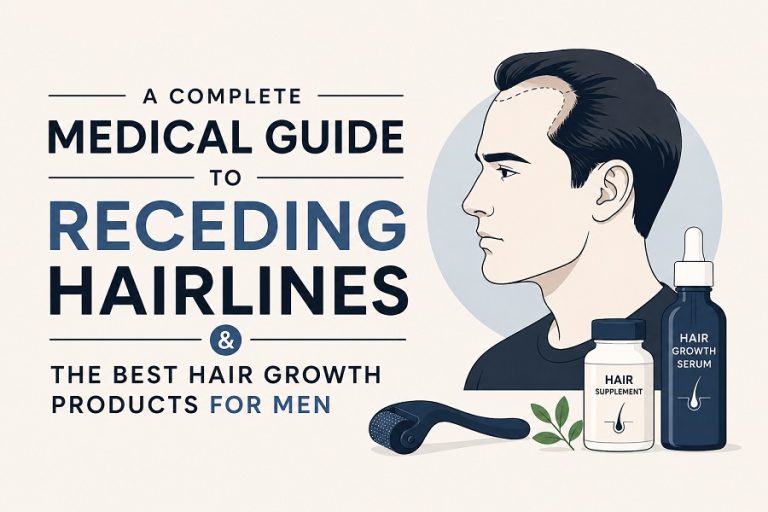
A receding hairline is often the very first sign of male pattern baldness (androgenetic alopecia). This specific form of hair loss typically begins at the temples, creating a distinctive “M” shape, before thinning progresses across the crown of the head.

While a changing hairline can be frustrating, understanding the biological mechanism behind it allows you to choose targeted, clinically backed products rather than relying on marketing gimmicks.

What Causes a Receding Hairline?

To treat a receding hairline effectively, you must understand why it happens. This type of hair loss is primarily genetic and hormonal. It is driven by a sensitivity to Dihydrotestosterone (DHT), a hormone derived from testosterone.

When DHT binds to receptors in the hair follicles along your hairline, it triggers a process called miniaturization.

  1. The follicle’s growth phase (anagen) becomes shorter.
  2. The hair grows back finer, thinner, and shorter with each cycle.
  3. Eventually, the follicle shrinks so much that it stops producing hair entirely.

Because the hair follicles at the temples and crown have the highest concentration of DHT receptors, they are the first to recede.

The Best Hair Growth Product Categories for Men

When looking for the best hair growth product for men, you must look past basic vitamin gummies and cosmetic shampoos. Because a receding hairline is caused by a medical, hormonal process, it requires medical-grade active ingredients to reverse.

The gold standard of hair preservation relies on two FDA-approved treatments that attack the problem from two different angles: blocking DHT and stimulating blood flow.

1. The Best Over-the-Counter Product: Topical Minoxidil (5%)

  • How it works: Minoxidil is a powerful vasodilator. When applied directly to the hairline, it widens the blood vessels surrounding your hair follicles. This increases the delivery of oxygen, blood, and vital nutrients, forcing dormant or miniaturized follicles back into an active growth phase.
  • What to buy: Look for 5% Minoxidil Foam (available from brands like Rogaine, Hims, or generic Kirkland). The foam version is widely preferred over the liquid solution because it dries faster and does not contain propylene glycol, an ingredient known to cause scalp irritation, redness, and flaking.

2. The Best Prescription Product: Finasteride (1mg)

  • How it works: While Minoxidil stimulates growth, Finasteride addresses the root cause of the receding hairline. Taken as a daily oral tablet or a compounded topical spray, Finasteride blocks the 5-alpha reductase enzyme, which is responsible for converting testosterone into DHT. By lowering scalp DHT levels by up to 70%, it halts follicle shrinkage.
  • What to buy: This requires a prescription from a doctor or a reputable telehealth platform (such as Keeps, Roman, or Hims).

The Modern All-in-One: Topical Finasteride & Minoxidil Sprays

In recent years, the hair restoration industry has shifted toward combination topical sprays. These prescription-only formulas blend both Minoxidil and Finasteride into a single daily spray applied directly to the hairline.

This approach is highly effective for a receding hairline because it delivers the DHT-blocking power exactly where it is needed most, significantly reducing the risk of systemic side effects associated with oral medication.

Comparing Your Best Options

Product TypePrimary IngredientHow It HelpsBest ForAvailability
Topical FoamMinoxidil 5%Boosts blood flow & widens folliclesRegrowing hair at the templesOver-the-counter
Oral TabletFinasteride 1mgBlocks DHT hormone productionHalting further recessionPrescription required
Combined SprayMinoxidil + FinasterideStimulates growth and blocks DHTAll-in-one hairline targeted treatmentPrescription required

Clinical Realities to Keep in Mind

  • The Timeline: Hair growth cycles move slowly. You must use these products consistently for 3 to 6 months just to see the hair loss stabilize, and up to 12 months to see visible regrowth at the hairline.
  • The Commitment: Hair loss treatments are not temporary cures. If you stop using the products, DHT levels will rise again, the follicles will begin shrinking, and any hair you saved or regrown will gradually shed.

Next Steps

To successfully treat a receding hairline, consistency is your greatest asset. If you are just beginning to notice thinning at your temples, starting with an over-the-counter 5% minoxidil foam is a safe and effective first step. For more aggressive recession, consulting a dermatologist about a prescription DHT-blocker will give you the highest chance of long-term success.

In the modern pursuit of a “Hollywood smile,” teeth whitening has become a ubiquitous goal. however, a bright smile is only as sustainable as the health of the tissues supporting it. For patients diagnosed with periodontitis, the journey to aesthetic enhancement is not a sprint, but a carefully sequenced medical progression.

Periodontitis is a chronic inflammatory disease that destroys the bone and gum tissue surrounding the teeth. Attempting to whiten teeth while this disease is active is akin to painting a house while the foundation is crumbling. To achieve a result that is both beautiful and safe, patients must follow a clinical timeline that prioritizes biological stability over cosmetic speed.

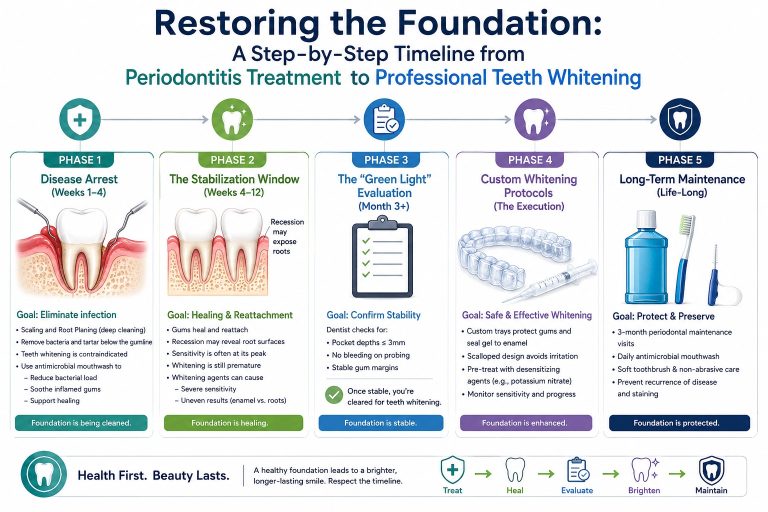
Phase 1: Disease Arrest (Weeks 1–4)

The first and most critical step in the timeline is the elimination of active infection. Periodontitis creates deep “pockets” between the tooth and the gum, where bacteria thrive in an oxygen-free environment.

The Clinical Intervention

Treatment typically begins with Scaling and Root Planing (SRP). This “deep cleaning” removes the tartar and bacterial toxins from beneath the gum line. During this phase, teeth whitening is strictly contraindicated. The gum tissues are often inflamed, ulcerated, and bleeding; applying acidic whitening peroxides to these open wounds would cause extreme pain and potential chemical burns to the delicate connective tissues.

The Role of Antimicrobial Mouthwash

During this initial healing phase, a therapeutic mouthwash is an essential tool. An alcohol-free, antimicrobial rinse helps to:

  • Reduces the bacterial load in the newly cleaned periodontal pockets.
  • Soothes inflamed gingiva, allowing the “red and puffy” appearance to subside.
  • Prepares the oral environment for the next phase of healing by preventing rapid bacterial re-colonization.

Phase 2: The Stabilization Window (Weeks 4–12)

Once the initial scaling is complete, the mouth enters a period of profound transition. This is often the most frustrating part of the timeline for patients eager for teeth whitening, but it is biologically the most important.

Tissue Reattachment and Recession

As the inflammation from periodontitis leaves the body, the gums begin to “shrink” or tighten back around the teeth. This is a sign of health, but it often reveals the true extent of the damage.

  • Root Exposure: Gums that were once swollen and covering the tooth may recede, exposing the root surface (cementum).
  • Sensitivity Peak: Exposed roots contain dentinal tubules that lead to the nerve. This is the period where patients often experience the highest levels of sensitivity.

Whitening during this window is still premature. If whitening gel touches these newly exposed roots, the resulting “zingers” (sharp nerve pains) can be debilitating. Furthermore, whitening agents do not change the color of the roots, only the enamel, which could lead to an unattractive, mismatched two-tone appearance.

Phase 3: The “Green Light” Evaluation (Month 3+)

At the three-month mark, a dentist will perform a periodontal maintenance exam. They are looking for “stability,” which is defined by:

  1. Pocket Depths: Depths should be reduced to a manageable level (typically 3mm or less).
  2. Lack of Bleeding: Gums should no longer bleed when probed or brushed.
  3. Stable Gingival Margins: The gum line has stopped moving, ensuring that a whitening tray or strip will sit consistently on the teeth.

Once the dentist confirms that the periodontitis is in remission, the conversation can finally shift to teeth whitening.

Phase 4: Custom Whitening Protocols (The Execution)

For a post-periodontal patient, a “one-size-fits-all” whitening kit is rarely the best choice. Because the history of gum disease leaves the teeth more vulnerable, the whitening process must be highly controlled.

Why Custom Trays Matter

Professional custom-fitted trays are designed to seal the whitening gel onto the enamel while keeping it away from the sensitive, recessed gum line. This “scalloped” design is vital for patients with a history of periodontitis to prevent chemical irritation of the healed tissues.

Integrating Desensitizing Agents

Even with healthy gums, the previous bone loss from periodontitis often leaves teeth more reactive. A common clinical strategy is to “pre-treat” the teeth with a desensitizing mouthwash or gel containing potassium nitrate for two weeks before the whitening begins. This “calms” the dental nerves, making the cosmetic process much more comfortable.

Phase 5: Long-Term Maintenance (Life-Long)

The final stage of the timeline is the most enduring. Teeth whitening results are temporary, but periodontitis is a chronic condition that requires lifelong vigilance.

To protect both the aesthetic investment and the biological foundation, a strict maintenance routine is required:

  • Three-Month Cleanings: Standard six-month cleanings are often not enough for periodontal patients; more frequent visits ensure the infection does not return.
  • Daily Chemical Defense: Continued use of an antimicrobial mouthwash is the best way to prevent the plaque buildup that causes both staining and gum disease.
  • Non-Abrasive Care: Using a soft toothbrush and non-abrasive whitening products ensures that you don’t wear down the already thinned enamel or damage the fragile gum attachments.

Conclusion: Respecting the Biological Clock

The desire for a whiter smile is understandable, but for the patient with periodontitis, health must always precede beauty. By respecting the 3-to-4-month timeline from deep cleaning to stabilization, you ensure that your teeth whitening procedure is a success rather than a source of pain.

A truly beautiful smile is one where the teeth are bright, but more importantly, where they are firmly rooted in healthy, infection-free bone and tissue. Restoring the foundation first is the only way to ensure that your new, whiter smile lasts a lifetime.

The human gastrointestinal tract is often referred to as the “second brain.” This moniker stems from the Enteric Nervous System (ENS), a complex network of neurons lining the gut that communicates constantly with the Central Nervous System (CNS). In high-stress environments—whether due to demanding professional schedules, intense athletic competition, or the rigors of international travel—this communication pathway can become compromised. Understanding the physiological triggers of gastrointestinal distress is the first step in preventing diarrhea and maintaining systemic equilibrium.

When the body enters a “fight or flight” state, it prioritizes immediate survival over long-term metabolic processes. Blood flow is diverted from the digestive organs to the skeletal muscles, and the release of stress hormones like cortisol and adrenaline can significantly alter gut motility. For many, this results in sudden, disruptive bouts of loose stools that can derail productivity and physical well-being.

The Gut-Brain Axis: Why Stress Triggers Distress

The relationship between psychological pressure and physical symptoms is rooted in biology. Under stress, the brain signals the gut to speed up its contractions (peristalsis). When these contractions become hyperactive, the large intestine does not have sufficient time to absorb water from food waste. The result is the liquid consistency characteristic of diarrhea.

Proactive Strategies for Preventing Diarrhea

Maintaining control over one’s digestive health requires a multi-faceted approach, particularly when you know a high-pressure period is approaching. Preventing diarrhea is not just about avoiding “bad food”; it is about reinforcing the gut’s natural defenses.

  • Mindful Consumption: In high-stress environments, there is a tendency to rely on stimulants like caffeine or artificial sweeteners. Both are known osmotic agents that can draw water into the colon, exacerbating the risk of loose stools.
  • Hydration with Purpose: Dehydration can actually slow down certain digestive processes while making the gut more sensitive. Drinking water consistently throughout the day ensures the mucosal lining of the intestines remains functional.
  • The 80/20 Dietary Rule: Focus on “low-residue” foods during peak stress. Simple carbohydrates like white rice, bananas, and boiled potatoes are easier for a stressed digestive system to process than high-fiber cruciferous vegetables or heavy, fatty meals.
  • Sanitation Vigilance: In shared workspaces or transit hubs, the risk of viral or bacterial contamination increases. Strict hand hygiene is the most effective clinical defense against infectious agents that trigger sudden gastrointestinal episodes.

The Role of Rapid Intervention: Anti Diarrhea Medicine

Even with the best preventive measures, the body’s physiological response to stress or a new environment can sometimes override our efforts. This is where the strategic use of anti diarrhea medicine becomes essential.

When to Incorporate Medication into Your Routine

For individuals in high-stakes environments—such as a keynote speaker, a frequent flyer, or a project manager facing a deadline—waiting for symptoms to “pass on their own” is often not a viable option. Early intervention with anti diarrhea medicine can prevent the secondary complications of diarrhea, such as:

  1. Electrolyte Imbalance: Rapid fluid loss can lead to the depletion of sodium and potassium, causing fatigue and brain fog.
  2. Increased Anxiety: The fear of a “bathroom emergency” creates a feedback loop of stress, which in turn further irritates the gut.
  3. Physical Exhaustion: Frequent episodes can be physically draining, reducing one’s ability to focus or perform.

Creating a “Digestive First-Aid Kit”

For those who frequently navigate high-stress environments, being prepared is a psychological and physical advantage. A well-stocked kit should include:

  • Fast-acting anti diarrhea medicine: Look for formats that are easy to carry, such as tablets that dissolve on the tongue without needing water.
  • Oral Rehydration Salts (ORS): To replace lost minerals.
  • Probiotic Supplements: To support long-term microbial balance.
  • Sanitizing Wipes: To ensure a clean environment regardless of location.

Conclusion: Reclaiming Control

When prevention is not enough, the informed use of anti diarrhea medicine serves as a reliable tool to restore balance, ensuring that your body stays in sync with your schedule. Success in any high-pressure environment requires your full focus; don’t let a manageable digestive issue be the thing that holds you back.

Mirrors never lie, but they rarely tell the full story. When it comes to skin and hair health, the desire for transformation is natural, but finding the right path through countless non-invasive treatments can feel overwhelming. Knowing what matters most before starting a new regimen is the key to genuine, lasting results.

Understanding Non-Invasive Treatments: What They Are and Why They Matter

Non-invasive procedures have revolutionized aesthetic medicine. Unlike surgery, these treatments offer significant improvements with minimal disruption to daily life. Think of advanced microneedling, laser therapies, and gentle injection-based options: each works beneath the surface to stimulate renewal without incisions or prolonged downtime.

Why the popularity surge? Non-invasive techniques provide visible changes while reducing risks like scarring or lengthy recovery. This appeals to people seeking natural-looking improvements, especially with busy schedules in mind. Yet, despite their benefits, non-surgical options are not magic wands. Expectations need to be realistic, recognizing that outcomes vary depending on individual factors like skin type, age, and underlying health.

Assessing Your Skin and Hair Needs: Personalized Diagnosis

Before any treatment, the journey starts with understanding your unique skin and hair concerns. For some, it’s persistent acne or scarring; for others, it’s thinning hair or loss of radiance. Dermatological assessment is crucial. Qualified professionals do more than just treat symptoms; they identify triggers such as hormonal shifts, stress, or chronic conditions that may influence both skin and hair vitality.

A professional consultation goes beyond surface-level analysis. The best clinics, like Clinique Anti Aging, employ a holistic approach, examining emotional wellbeing and medical history alongside visible signs of aging or distress. This ensures treatment plans are safe, effective, and tailored to your needs.

Exploring Popular Non-Invasive Treatments: Techniques and Technologies

Modern clinics now blend several leading-edge options to address the full spectrum of skin and hair concerns.

– Microneedling RF and Laser CO2 Resurfacing: Combining radiofrequency microneedling with CO2 laser treatments amplifies collagen production for smoother, firmer skin. These treatments can minimize wrinkles, pigmentation, and scars.

– Advanced Laser Therapies: Technologies like LaserMD Ultra™ make skin resurfacing accessible for all skin tones, targeting sun damage, uneven tone, and texture irregularities.

– Radiofrequency Skin Tightening: Devices like XERF use multi-frequency radio waves to tighten skin, boosting elasticity and delivering a youthful glow.

– Injection-Based Therapies: Beyond smoothing wrinkles, injectables can restore lost volume and address targeted concerns such as under-eye circles or thinning lips.

– Hair and Scalp Solutions: Specialized treatments stimulate follicles, manage scalp health, and slow or reverse hair loss with minimal discomfort.

Case Study: Overcoming Acne and Oily Skin with AviClear Protocol

Consider the story of a patient plagued by relentless acne and oily skin. Previous regimens offered little relief. Under the AviClear protocol, the patient experienced a tailored series of sessions. Professional adherence to the process yielded clear, balanced skin, boosting both confidence and comfort. Feedback highlighted expert guidance and a supportive clinic environment as central to the successful outcome.

Balancing Aesthetic Outcomes with Overall Wellbeing

True transformation extends deeper than appearance. Integrating hormone bio-identical replacement therapy (BHRT) can address issues linked to menopause or andropause, restoring balance from within. When combined with external treatments, the result is an improvement not only in appearance but also in mood, energy, and overall health. Clinics that embrace a multi-modal strategy provide the most sustainable, satisfying results.

Evaluating Clinics and Providers: What to Look For

Choosing the right provider is pivotal. Seek out clinics led by experienced medical professionals with a comprehensive range of treatments. Advanced technology is essential, but so is an individualized approach. Testimonials speak volumes, patients consistently value clinics that offer expert care, honest advice, and a welcoming atmosphere. The right provider listens first, recommends second.

Preparing for Your Treatment Journey

Success begins before the first session. Adhering to pre-treatment instructions, such as avoiding sun exposure or certain medications, can influence outcomes. Understanding possible downtime and post-procedure care helps set realistic expectations. Every procedure carries potential risks, but choosing a reputable clinic with clear guidance ensures that issues are managed promptly and effectively.

Wrapping Up: Making Informed Decisions for Youthful Skin and Healthy Hair

Lasting results come from a blend of science, artistry, and self-awareness. Setting clear goals and understanding required timelines prevents disappointment. Maintenance is just as important as the initial treatment; regular follow-ups and adapting regimens as needs evolve keep skin and hair at their best. Arm yourself with knowledge, consult trusted professionals, and you’ll be empowered to choose the right path to looking and feeling your best at any age.

Hormonal health is the foundation of many vital bodily functions, from metabolism and energy regulation to growth and reproduction. When these chemical messengers are out of balance, the impact on quality of life can be significant. Finding a qualified endocrinologist in dubai is essential for managing conditions like diabetes, thyroid disorders, and metabolic syndromes. Given the high standard of medical care in the region, patients have access to some of the most advanced diagnostic and treatment facilities in the world.

The Role of an Endocrinologist in Modern Healthcare

An endocrinologist is a medical specialist who focuses on the endocrine system, a complex network of glands that produce hormones. These glands include the thyroid, parathyroid, pancreas, adrenals, pituitary, ovaries, and testes. Because hormones influence nearly every cell in the body, an imbalance can manifest in diverse ways, such as unexplained weight changes, chronic fatigue, or mood disturbances.

Hospitals in dubai are equipped with multidisciplinary teams that address these issues through a combination of clinical expertise and advanced technology. By seeking professional care, patients can receive a precise diagnosis and a personalized management plan designed to restore hormonal equilibrium.

Common Conditions Treated by Endocrinology Specialists

1. Diabetes Mellitus Management

Diabetes is one of the most prevalent endocrine disorders globally. Whether managing Type 1, Type 2, or gestational diabetes, a specialist provides the necessary tools for glucose monitoring and insulin regulation. Modern hospitals offer integrated programs that include nutritional counseling and podiatry to prevent long-term complications such as neuropathy or kidney disease.

2. Thyroid Health and Disorders

The thyroid gland regulates the body’s metabolism. Conditions such as hypothyroidism (underactive thyroid) or hyperthyroidism (overactive thyroid) can lead to symptoms like heart palpitations, hair loss, and temperature sensitivity. Specialists utilize fine-needle aspiration (FNA) and advanced imaging to evaluate thyroid nodules and manage autoimmune conditions like Hashimoto’s or Graves’ disease.

3. Metabolic and Lipid Disorders

High cholesterol and metabolic syndrome often require endocrine intervention to reduce the risk of cardiovascular disease. Specialists work with patients to manage obesity through medical protocols and lifestyle modifications, ensuring a holistic approach to weight management.

4. Reproductive Endocrinology and PCOS

Polycystic Ovary Syndrome (PCOS) is a common hormonal disorder among women of reproductive age. It can lead to irregular periods, acne, and fertility challenges. An endocrinologist in dubai provides targeted therapies to manage insulin resistance and hormonal fluctuations associated with reproductive health.

5. Bone and Mineral Metabolism

Hormones play a critical role in bone density. Conditions like osteoporosis and vitamin D deficiency are frequently managed within endocrinology departments to prevent fractures and maintain skeletal integrity.

State-of-the-Art Diagnostics in Dubai

Accurate diagnosis is the first step toward effective treatment. Premier hospitals in dubai utilize a range of sophisticated diagnostic tools, including:

  • Comprehensive Hormone Panels: Blood tests that measure specific hormone levels at precise times of the day to detect imbalances.
  • Dynamic Endocrine Testing: Specialized tests, such as glucose tolerance or ACTH stimulation tests, to evaluate gland function under stress.
  • Advanced Imaging: High-resolution ultrasound, CT scans, and MRI imaging to identify tumors or structural abnormalities in glands like the pituitary or adrenals.
  • Continuous Glucose Monitoring (CGM): Wearable technology that provides real-time data for diabetic patients, allowing for more precise treatment adjustments.

The Importance of a Multidisciplinary Approach

Endocrine disorders often intersect with other medical fields. For instance, a patient with a pituitary tumor may require the collaborative efforts of an endocrinologist and a neurosurgeon. Similarly, managing diabetes requires coordination between primary care physicians, dietitians, and ophthalmologists. NMC Healthcare emphasizes this collaborative model, ensuring that patients receive comprehensive care that addresses all aspects of their well-being.

When to See a Specialist

Many hormonal symptoms are subtle and can be easily mistaken for general stress or aging. However, persistent symptoms warrant a consultation with an endocrinologist in dubai. Key indicators include:

  • Sudden and unexplained weight gain or loss.
  • Persistent fatigue that does not improve with rest.
  • Excessive thirst and frequent urination.
  • Irregular menstrual cycles or symptoms of menopause.
  • New or worsening skin conditions, such as adult acne or excessive hair growth.
  • Thinning bones or frequent fractures.

Choosing the Right Hospital for Endocrine Care

When selecting a facility, patients should look for hospitals that offer a combination of board-certified expertise and patient-centered services. The best hospitals in dubai provide a seamless experience, from the initial consultation and diagnostic testing to long-term follow-up and education.

Patient education is a vital component of endocrine care. Since many hormonal conditions are chronic, understanding how to manage medication, diet, and exercise is essential for achieving the best outcomes. Leading clinics prioritize transparent communication, ensuring patients are well-informed participants in their own health journey.

Conclusion

Prioritizing your hormonal health is a vital step toward long-term wellness. With access to a world-class endocrinologist in dubai and the advanced resources available in the region’s leading medical facilities, patients can successfully manage complex endocrine disorders. Whether you are dealing with a new diagnosis or seeking better management of a chronic condition, the specialized care provided in local hospitals ensures that you can lead a healthy, balanced life. By choosing a facility that values clinical excellence and personalized attention, you are investing in a future of radiant health and vitality.