
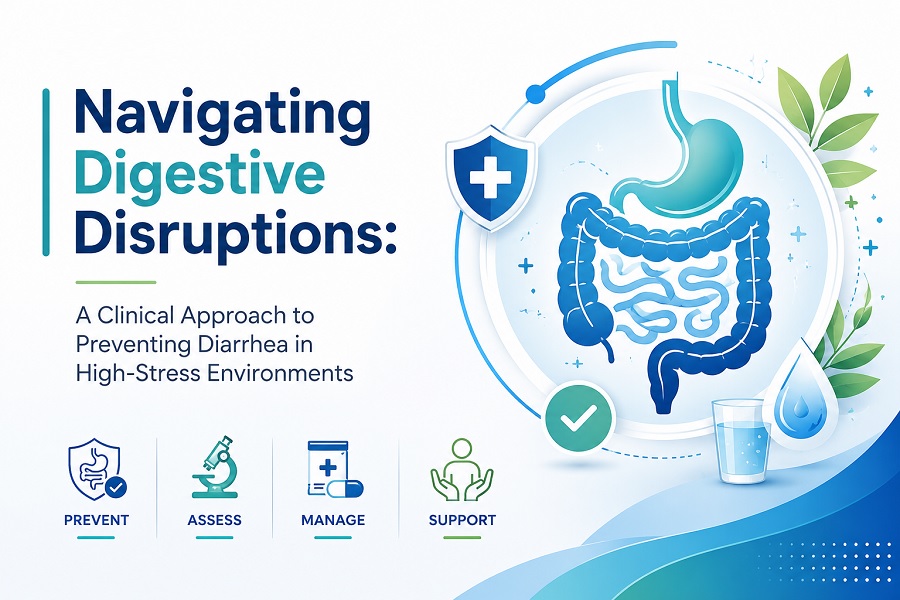
The human gastrointestinal tract is often referred to as the “second brain.” This moniker stems from the Enteric Nervous System (ENS), a complex network of neurons lining the gut that communicates constantly with the Central Nervous System (CNS). In high-stress environments—whether due to demanding professional schedules, intense athletic competition, or the rigors of international travel—this communication pathway can become compromised. Understanding the physiological triggers of gastrointestinal distress is the first step in preventing diarrhea and maintaining systemic equilibrium.
When the body enters a “fight or flight” state, it prioritizes immediate survival over long-term metabolic processes. Blood flow is diverted from the digestive organs to the skeletal muscles, and the release of stress hormones like cortisol and adrenaline can significantly alter gut motility. For many, this results in sudden, disruptive bouts of loose stools that can derail productivity and physical well-being.
The Gut-Brain Axis: Why Stress Triggers Distress
The relationship between psychological pressure and physical symptoms is rooted in biology. Under stress, the brain signals the gut to speed up its contractions (peristalsis). When these contractions become hyperactive, the large intestine does not have sufficient time to absorb water from food waste. The result is the liquid consistency characteristic of diarrhea.
Proactive Strategies for Preventing Diarrhea
Maintaining control over one’s digestive health requires a multi-faceted approach, particularly when you know a high-pressure period is approaching. Preventing diarrhea is not just about avoiding “bad food”; it is about reinforcing the gut’s natural defenses.
- Mindful Consumption: In high-stress environments, there is a tendency to rely on stimulants like caffeine or artificial sweeteners. Both are known osmotic agents that can draw water into the colon, exacerbating the risk of loose stools.
- Hydration with Purpose: Dehydration can actually slow down certain digestive processes while making the gut more sensitive. Drinking water consistently throughout the day ensures the mucosal lining of the intestines remains functional.
- The 80/20 Dietary Rule: Focus on “low-residue” foods during peak stress. Simple carbohydrates like white rice, bananas, and boiled potatoes are easier for a stressed digestive system to process than high-fiber cruciferous vegetables or heavy, fatty meals.
- Sanitation Vigilance: In shared workspaces or transit hubs, the risk of viral or bacterial contamination increases. Strict hand hygiene is the most effective clinical defense against infectious agents that trigger sudden gastrointestinal episodes.
The Role of Rapid Intervention: Anti Diarrhea Medicine
Even with the best preventive measures, the body’s physiological response to stress or a new environment can sometimes override our efforts. This is where the strategic use of anti diarrhea medicine becomes essential.
When to Incorporate Medication into Your Routine
For individuals in high-stakes environments—such as a keynote speaker, a frequent flyer, or a project manager facing a deadline—waiting for symptoms to “pass on their own” is often not a viable option. Early intervention with anti diarrhea medicine can prevent the secondary complications of diarrhea, such as:
- Electrolyte Imbalance: Rapid fluid loss can lead to the depletion of sodium and potassium, causing fatigue and brain fog.
- Increased Anxiety: The fear of a “bathroom emergency” creates a feedback loop of stress, which in turn further irritates the gut.
- Physical Exhaustion: Frequent episodes can be physically draining, reducing one’s ability to focus or perform.
Creating a “Digestive First-Aid Kit”
For those who frequently navigate high-stress environments, being prepared is a psychological and physical advantage. A well-stocked kit should include:
- Fast-acting anti diarrhea medicine: Look for formats that are easy to carry, such as tablets that dissolve on the tongue without needing water.
- Oral Rehydration Salts (ORS): To replace lost minerals.
- Probiotic Supplements: To support long-term microbial balance.
- Sanitizing Wipes: To ensure a clean environment regardless of location.
Conclusion: Reclaiming Control
When prevention is not enough, the informed use of anti diarrhea medicine serves as a reliable tool to restore balance, ensuring that your body stays in sync with your schedule. Success in any high-pressure environment requires your full focus; don’t let a manageable digestive issue be the thing that holds you back.

Comments are closed.