
You might not think much about your teeth until something starts to hurt, a filling falls out, or your gums bleed when you brush. That is usually how dental trouble shows up. Quietly at first, then all at once. And when it does, it can feel stressful, expensive, and hard to fit into the rest of your life. If that sounds familiar, you are not alone. Kifer Park Dental in Sunnyvale, CA can help you take the next step.
The good news is that many oral health issues can be spotted early, often before they turn into pain or bigger treatment. That is where a general dentist can make a real difference. In simple terms, How General Dentists Help Patients Stay Ahead Of Dental Problems comes down to prevention, early detection, and steady care that keeps small concerns from becoming major ones.
Why do dental problems seem to appear out of nowhere?
Often, they do not appear out of nowhere at all. Cavities, gum disease, enamel wear, and even bite problems tend to build over time. The problem is that early warning signs are easy to miss. A tiny cavity may not hurt. Mild gum inflammation may seem unimportant. Grinding your teeth at night may only show up as a headache or jaw tension in the morning.
Because of this, many people wait until they feel pain before making an appointment. That makes sense on a human level. Life gets busy, and if nothing feels urgent, dental visits can slide down the list. But when you wait for pain, the issue is often further along, which can mean more treatment, more time, and more cost.
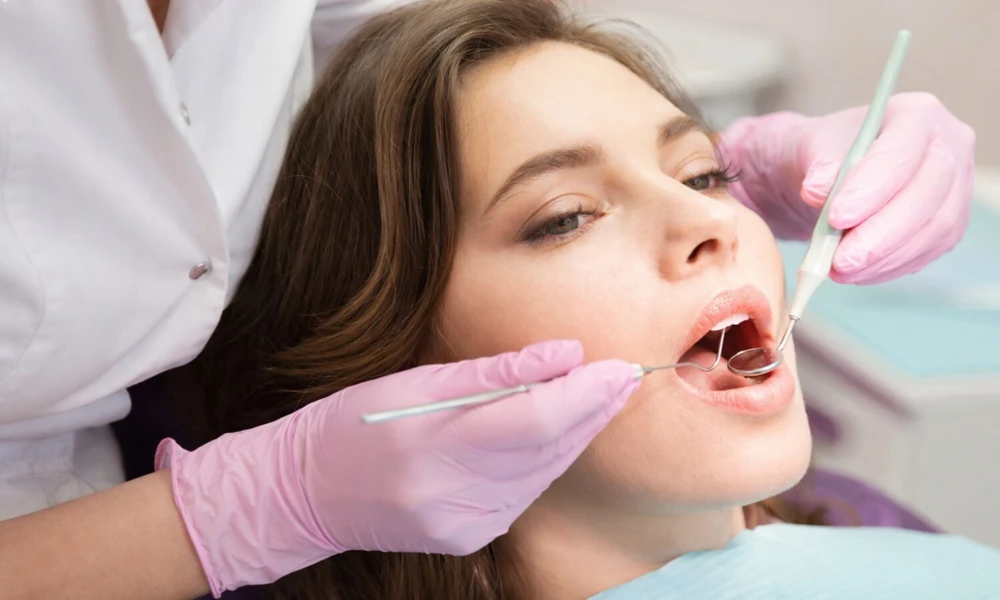
A dental care provider looks for the things you may not see at home. During routine visits, they check for decay, gum changes, cracked teeth, bite issues, and signs of habits like clenching or grinding. They also clean areas that daily brushing and flossing may miss. According to MedlinePlus information on dental exams, regular exams help identify problems early, when they are easier to manage.
How does a general dentist prevent small issues from turning into bigger ones?
Think about a small chip in a windshield. Left alone, it can spread. Teeth and gums are much the same. A general dentist does more than react to damage. They monitor changes over time and step in early.
For example, a small cavity may be treated with a simple filling. Catch that same tooth later, after decay reaches the inner pulp, and you may be looking at a root canal or extraction. Mild gingivitis may improve with a cleaning and better home care. Ignore it for too long, and it can develop into gum disease that affects the bone supporting your teeth.
This is one reason many people see preventive dental care as a way to protect both health and budget. Early care tends to be simpler. It is also less disruptive. You are more likely to keep your normal routine when you handle a problem early than when you are trying to manage pain, infection, or urgent treatment.
The link between oral health and overall health matters too. The NIH page on oral health research explains that oral health is tied to the health of the whole body. So, where does that leave you? It means routine dental care is not just about a nice smile. It is part of caring for your broader well being.
What is the difference between home care and seeing a general dentist?
Home care matters a great deal, and it is your first line of defense. But brushing and flossing, even when done well, cannot do everything. A general dentist brings trained eyes, clinical tools, and a record of your oral health over time. That combination helps catch patterns and changes that are easy to miss on your own.
| Approach | What It Helps With | What It May Miss |
|---|---|---|
| Brushing and flossing at home | Reduces plaque, freshens breath, supports gum health | Early cavities, tartar buildup, hidden cracks, bite issues |
| Routine visit with a general dentist | Exam, cleaning, early diagnosis, treatment planning | Cannot replace daily home habits between visits |
| Waiting until pain starts | May address urgent discomfort | Often means the problem has advanced and may need more treatment |
If you have ever thought, “I brush every day, so why do I still need a checkup?” that is the answer. Home care and professional care work together. One does not replace the other.
What practical steps can you take right now to stay ahead of dental problems?
1. Pay attention to small changes.
Sensitivity, bleeding gums, bad breath that lingers, jaw soreness, or a rough edge on a tooth may seem minor, but they are worth noticing. Small symptoms can be early signs. When you act early, care is often simpler.
2. Keep regular dental visits on your calendar.
A general dentist helps track your oral health over time, which is hard to do on your own. If you are not sure what healthy daily habits look like, the CDC oral health tips for adults offer clear guidance on brushing, flossing, and other everyday steps that support strong teeth and gums.
3. Ask questions before a problem grows.
If a tooth feels different, if your gums look swollen, or if you grind your teeth at night, bring it up. You do not need to wait until something becomes severe to ask for help. General dentistry works best when concerns are addressed early, not after they become emergencies.
How can steady dental care make life easier over time?
When you stay ahead of oral health problems, you are often protecting more than your teeth. You are protecting your time, your comfort, your sleep, and your finances. You are also giving yourself a better chance of avoiding the cycle many people know too well, which is ignoring a small issue, dealing with sudden pain, and then needing bigger treatment than expected.
That is the quiet value of a general dentist. They help you notice what is changing, understand what it means, and respond before the situation gets harder. If you have been putting off a visit, it may help to think of it not as one more task, but as a way to make the months ahead easier on yourself.
Staying ahead of dental problems is possible, and it usually starts with one simple step. Schedule a visit with a general dentist and give yourself the chance to catch issues early, protect your health, and move forward with more peace of mind.

Comments are closed.