Category

Dental Care

Category

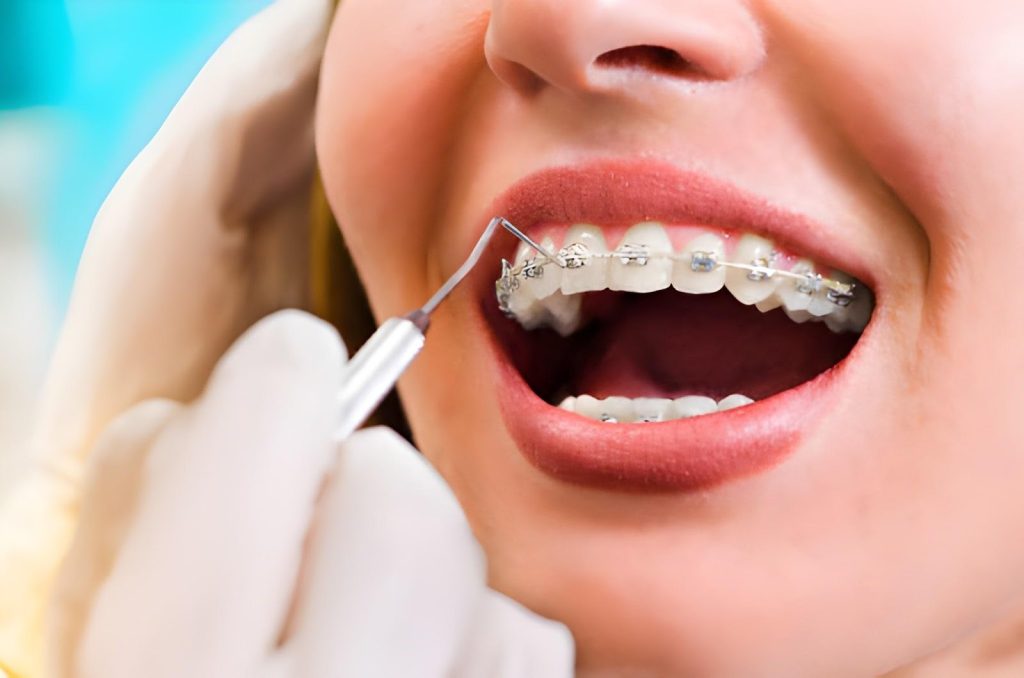
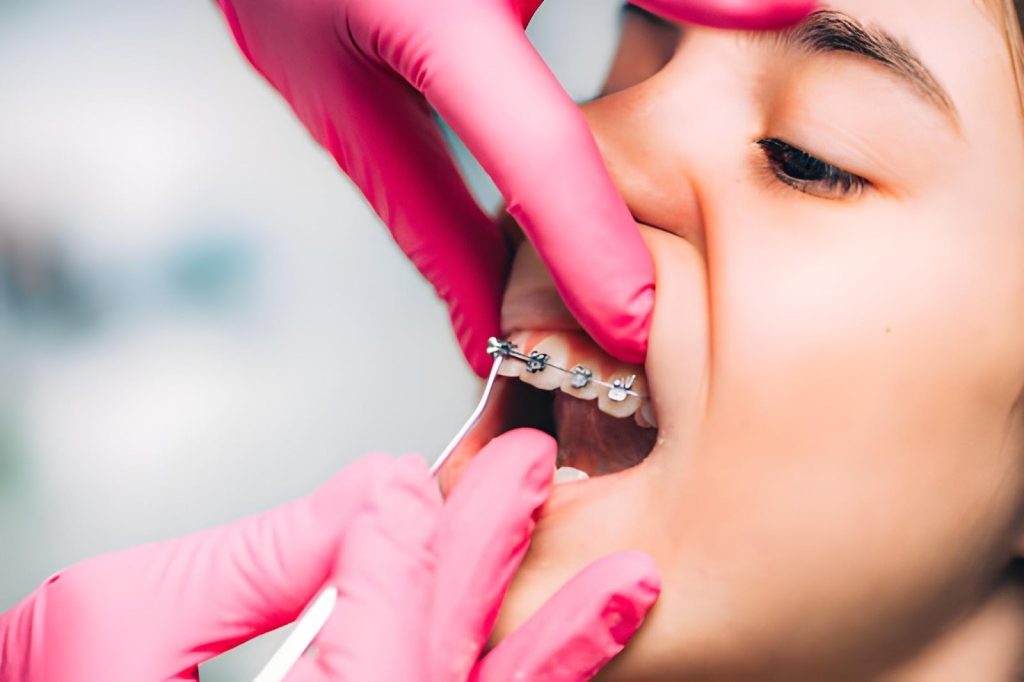
I have been thinking about talking about this because it honestly surprised me how much braces have changed since the old “metal-mouth” days. I remember those days when people used to be scared of braces, as it was associated with painful sessions. However, now I hear about something known as self-ligating braces, which is no doubt quite fascinating.

What Makes Them Different

So here is the deal. Traditional braces use tiny elastic bands to hold the wire in place. But self-ligating braces? They have ditched those bands entirely. Instead, they use little clips or “doors” to secure the wire. It sounds like a small change, but it is a big one.

  • Less friction means the teeth can move more smoothly.
  • Fewer appointments since there is no constant tightening.
  • Less discomfort because the pressure is gentler and more even.

It is more or less like the teeth will not be forced but guided into the new positions. It is quite amazing to learn that such a tiny thing can make so much difference.

A Family Touch in Monrovia

And if you are around Monrovia or anywhere nearby, you might have heard of Hwang Orthodontics, a family orthodontist Monrovia clinic that is known for this kind of treatment. Here you will come across a doctor, who is an orthodontist, who is a very calm and composed person. He will hear you patiently and not treat you like just a patient. And that matters a lot, particularly when it is related to your smile, a personal matter.  

Smart Braces for a Smarter Time

We live in a world where everything is “smart” – phones, homes, even watches. So why not braces too? These self-ligating ones practically manage themselves. The brackets open and close on their own, adjusting gently as your teeth move.

People say:

  • The treatment time can be months shorter than traditional braces.
  • There is less irritation to the gums and cheeks.
  • And cleaning? So much easier. No rubber bands, no hidden food bits after lunch.
  • It feels like orthodontics finally caught up with comfort.

A Little Life Lesson Hidden in Teeth

When I read this in an article, it forced me to think more. It was surprising for me to learn that our teeth may shift over a period of time, under steady pressure. However, to make a real change, it will not be so much of a painful experience if it is done in the right manner. All it needs is a little patience, care, and everything will align as it should be.

A Kinder, Quieter Transformation

And maybe that is the real beauty of self-ligating braces. They still do all the hard work, just without the heaviness. No dread before appointments. No awkward smiles hiding metal wires. Just quiet progress – comfort meeting precision.

So, in case you are considering your teeth straightening, but still carrying the mindset of the olden days, then it is the right time to discuss with an orthodontist. In my opinion, self-ligating braces can be your smart option to restore your smile.

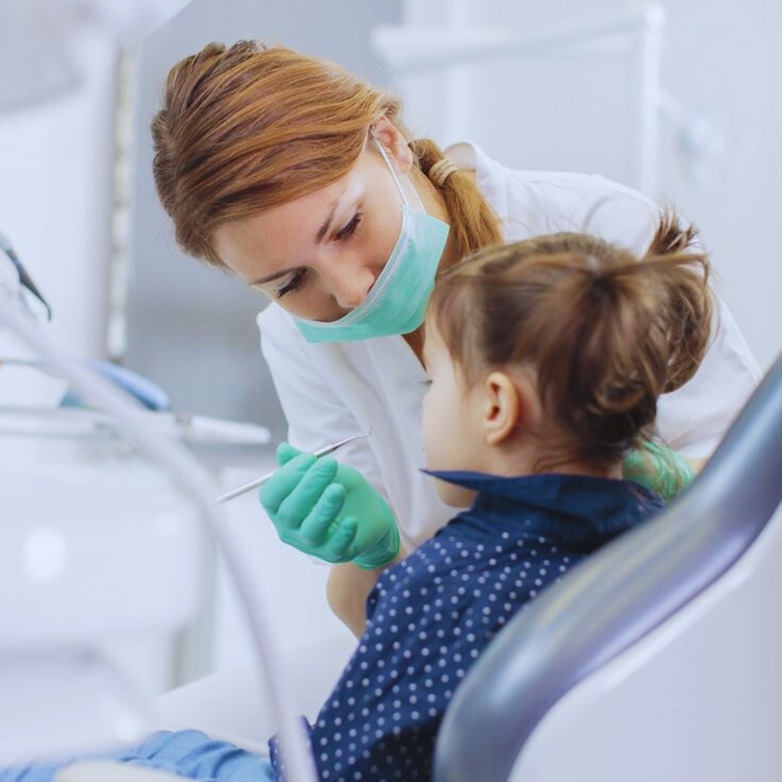
There are lots of dental issues that kids face and one of the most common problems happens to the overlapping of permanent teeth. In such case, the predominant question that arises is whether the baby teeth need to be extracted. When the baby tooth is loose and does not fall out, the permanent teeth could not come out and appears in a crowded manner causing significant misalignment. Not all baby teeth will fall out at the expected time and some tends to prolong. In such case, the dentist will extract the teeth so the process of teeth growth resumes uninterrupted.

Baby teeth importance

Baby teeth are nothing but the first set of teeth that begin to come out when kids are around 6 months old. It is to be noted that all 20 teeth appear when children are around 2 to 2.5 years old. Permanent teeth are quite important to develop for a baby to start chewing food, speaking and creating sounds and other such important activities. It needs to be understood that baby teeth are also very important for the teeth to start emerging in the right position. Each baby tooth has a different lifespan and it is at that time the baby teeth will start to become loose and fall out in a natural manner. To get the most of the treatment, make sure that you choose to go with a reliable, trusted and professional dental clinic of the lot.

Tooth Fairy

Tooth Fairy dental clinic brings with it several years of experience and expertise in this field. It is an industry leader as far as treating kids’ dental issues are concerned. It provides for a whole range of services right from baby tooth extraction (ถอนฟันน้ำนม, this is the term in the Thai), clear braces, crown and other such treatments. It also provides for exclusive treatment procedures for cleaning teeth and also applying fluoride coating on kids’ teeth to prevent tooth decay. In case the permanent teeth is overlapping and the baby teeth does not fall out then it is time to go for extraction. If not removed, it would cause a lot of issues that affects the baby’s eating, chewing, speaking and other such functions to a great extent. Also, it would greatly affect the looks and confidence of the person involved and hence proper care needs to be paid at the onset itself.

If the problem persists then make sure to book a dental appointment and go on to get a proper treatment in this regard. Tooth Fairy has the best team that would provide for the best treatments using the latest techniques and tools. ToothFairy Dental Clinic was founded with the intention of becoming a dental clinic where every child wants to visit the paediatric dentist without any hassles and the clinic where children will take home good memories as well as teeth. The place happens to be absolutely kids-friendly. It includes a play area where children can play till their turn for meeting the dentist through appointment comes. It is the best place for kids.

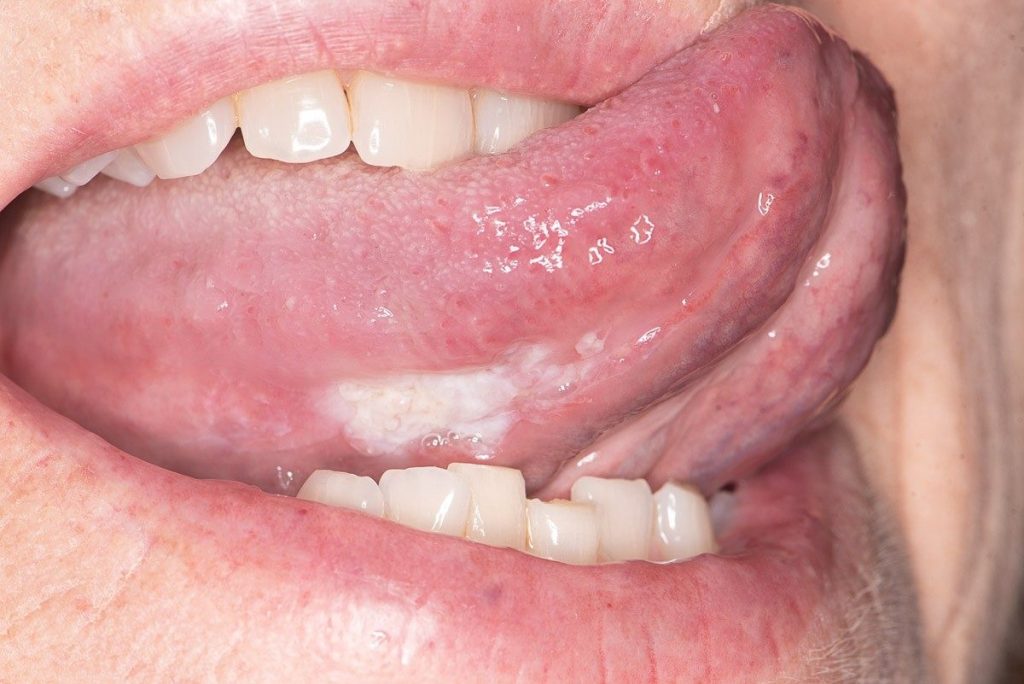
The primary services at Hyde park dental office include cavity examinations and teeth cleaning yet the facility does not provide essential required elements of healthcare. The dentist devotes most of their time to different treatment requirements thereby neglecting oral cancer testing procedures during visits. Procedures for early oral cancer diagnosis performed during dental exams lead to better treatment results with powerful survival prospects.

Why Oral Cancer Screenings Matter

Medical patients fail to understand what causes their dentist to conduct oral cancer assessment testing at standard dental appointments. Citizens can identify oral cancer through expert analysis at Major Dental while medical detection reveals the existence of cancer to them via their visual examination. Since Major Dental’s healthcare staff operate as dental practitioners they can discern the early signs of problems through examining unexpected areas of soreness and unusual tissue development which fail to heal normally. The training of dental professionals enables them to spot warning indicators that patients normally miss through their specialized examination procedures.

Early Detection Saves Lives

Medical studies demonstrate that treatment of oral cancer succeeds better when patients recognize their disease at its initial stages. Local cancer treatment becomes available to oral cancer patients when their diagnosis occurs promptly because it increases their recovery potential. The time period when early oral cancer goes undetected causes the condition to evolve into progressively complex forms. The dental practice at Lake Success Dental Care actively promotes regular dental appointments because they reveal warning signs needed by medical experts. Medical staff achieve better treatment choices at early diagnosis to produce optimistic results.

The Role of an Oral Surgeon in New Hyde Park

When a dentist from hyde park notices unusual findings during oral cancer exams they will direct patients to visit an oral surgeon operating from new hyde park for specialized assessment. Professional oral surgeons possess specialized abilities for both condition identification and treatment of oral cancers. The dentist sends patients to an oral surgeon new hyde park who conducts additional tests and procedures to make proper treatment decisions.   

What to Expect from an Oral Cancer Screening

A standard oral cancer screening procedure requires only brief time without causing any invasive procedures. During a visit to the dentist in Hyde Park the practitioner conducts an inspection of your lips alongside throat investigations along with assessments of the tongue and gums. During the examination the professional will check the neck and jaw to detect any abnormal bumps or tissue swelling. This basic evaluation contributes to detecting problems which appear beyond immediate detection.

Oral Cancer Screenings for Children

Children face risks of developing oral cancer although people in the adult age range tend to get this condition more frequently. The pediatric dentist new hyde park provides regular dental care to children together with detailed evaluations to detect possible oral health problems. The distinct symptoms that adults exhibit never materialize in children yet pediatric dentists excel at detecting any abnormalities in a child’s oral cavity. The need for early detection matches adult requirements in children because their cases occur infrequently.

How a Pediatric Dentist Plays a Key Role

The pediatric dentist checks teeth and evaluates both oral cancer indicators along with other medical signs throughout patient examinations. Specialized training which pediatric dentists receive prepares them to detect abnormal oral signs in the mouth that indicate oral cancer alongside other health problems.

The Comprehensive Care at Major Dental Practices

Major dental practice management counts the comprehensive oral healthcare model as its primary operational goal. Standard cancer screening tests are part of major dental practice treatments while patients receive cleaning services and filling procedures together with multiple dental therapies. Major dental practice visits supply you with oral cleaning services while their examination procedures assess the health of your mouth for signs of oral cancer.

Holistic Dental Care

Major dental practices conduct holistic care for their patients by taking care of each dental element separately. The dental facilities concentrate on treating their patients for strong smiles together with ensuring total oral health. The practice of holistic oral healthcare includes regularly performing oral cancer screening examinations among other routines.

The Role of Early Detection in Oral Cancer Treatment

Regular oral cancer screenings serve as the only method to detect the disease prior to its advancement. Except for subtle symptoms, oral cancer remains undiscoverable in early stages which makes regular dental examinations vital for prompt diagnosis. Early screening of oral cancer enables interventions that require minimal surgical techniques to deliver more favorable lasting health consequences.

Regular Check-ups as Preventive Care

Routine oral cancer screenings serve as a fundamental preventive technique that goes above basic additional services. People need to schedule their regular appointments for oral cancer examination tests regardless of their current health status or symptom absence.

Conclusion: 

Any patient who seeks service from hyde park pediatric dentists or new hyde park oral surgeons for pediatric dentistry care or regular dental examinations at major dental must request oral cancer screenings at the appointment booking stage. Short screenings that take up less than five minutes lead to life-saving cancer detections while cancer remains easily treatable and detectable at its initial stages. You must request oral cancer screening assessments at every dental appointment when booking pediatric or oral surgery services.

Advice from a top dentist in Hicksville NY

Having a baby is full of a lot of decisions and even more questions. Some are huge and apparent like when to start with solids or how to get through teething. Others are simple but are astonishingly important. One of these is whether bottles and pacifiers can influence your baby’s oral growth.

At Tiny Teeth, we’ve spoken with a trusted pediatric dentist Hicksville NY, to get the inside scoop on what pacifiers and bottles are really doing to your baby’s teeth and jaws. And trust us, this is something most parents are not hearing enough about.

Not All Soothing Is Harmless

Let’s start with the reality that pacifiers and bottles are lifesavers. They soothe a crying baby in a second, help them sleep, and offer comfort on long car rides or doctor visits. For many families, they’re a survival staple.

But prolonged use, especially after infancy, can have lasting effects on your baby’s oral development. Both pacifiers and bottles have an influence on the way your baby’s mouth grows, how their teeth erupt, and even how they breathe, according to a leading pediatric dentist Long Island NY.

How Pacifiers Affect Baby Teeth and Jaws

Most dentists believe that it is okay to use a pacifier during the first year of life and can actually help prevent sudden infant death syndrome (SIDS) risk. After this first year, however, problems arise.

Issues related to prolonged pacifier use include:

Crooked teeth

Narrowness of the upper jaw

Open bites that observe the front teeth not coming together properly

Changes in tongue posture and swallowing habits

One Hicksville dentist we spoke to described it like this: “Imagine your baby’s mouth like clay. It’s soft, growing, and easily shaped. Continuous pressure from a pacifier will slowly fashion the jaws and teeth into positions that are hard to fix later without braces or even surgery.”

Bottles Aren’t Off the Hook Either

Bottles, especially if used over long periods, do the same thing. The sucking action that is required when bottle-feeding is different from when breastfeeding. That is not to say bottles are awful, but how and how long they are utilized will make a difference.

One of the largest fears is “bottle mouth,” a condition resulting from prolonged exposure to sweet drinks like juice or milk. This leads to tooth decay, mostly in the front teeth. Even more surprising, most parents are unaware that having a baby sleep with a bottle wears away enamel quietly throughout a night.

A children’s dentist Hicksville NY parents rely on advice weaning off bottles at 12 to 18 months and transitioning to sippy cups or open cups as soon as possible instead of later.

What Nobody Talks About Breathing and Speech

This is where things really get interesting. One of the less-talked-about impacts of pacifiers and bottles is that they can actually affect a child’s breathing and speech development.

A pediatric dentist on Long Island NY said that children who utilize pacifiers or bottles for extended periods of time tend to develop habits like breathing through the mouth. This is not a serious thing, but it can lead to issues with sleep, concentration, and even facial development.

Some speech delays or muddled pronunciation can also be attributed to extended sucking habits. The mouth simply doesn’t get to work on natural movement and muscle control when a pacifier or bottle is constantly present.

So When Should You Stop

Every child is different, but the experts are in consensus regarding the overall timeline. 886 wordsclear

Humanize AI

Here’s what one credible dentist in Hicksville NY recommends:

Wean off pacifiers at 6 to 12 months

Transition from bottle to cup at 12 to 18 months

Never put a baby to bed with a bottle

Avoid sweetened drinks in bottles or sippy cups

Consistency is key. It’s probably going to be a bumpy few days, but most children adjust faster than we do.

What You Can Do Instead

We understand. Sometimes your baby just needs comfort and a pacifier is like magic. So what are your other choices

Provide comfort through touch Gentle rocking, skin-to-skin contact, and babywearing can make babies feel secure

Experiment with teething toys If your baby is soothing due to teething, use safe silicone teethers that don’t remain in the mouth at all times

Practice drinking from an open cup About 6 months, start introducing small amounts of water from an open or straw cup at mealtimes

Perfection is not the goal. It’s making changes in small steps that are beneficial to your baby’s overall health over the long term.

Talk to Your Pediatric Dentist Early

Most parents don’t bring their child to the dentist until they are two or three, but the first visit should be by age one or with the first tooth. This enables your dentist to check for signs of bottle or pacifier issues early on and give you advice specific to the child’s age.

At Tiny Teeth, we always recommend finding a pediatric dentist in Hicksville NY or where you are who truly understands infant and toddler oral development. Pediatric professionals are educated to notice the tiny details that general dentists tend to miss.

The Bottom Line

Bottles and pacifiers are not wicked devices they just need to be used wisely. You could keep your baby turning into a confident, healthy little grin if you have some awareness and consultation from a trusted Long Island NY pediatric dentist.

Your baby’s teeth are tiny, but surprisingly important. A little attention now will prevent major problems later and that’s the kind of knowledge every parent needs.

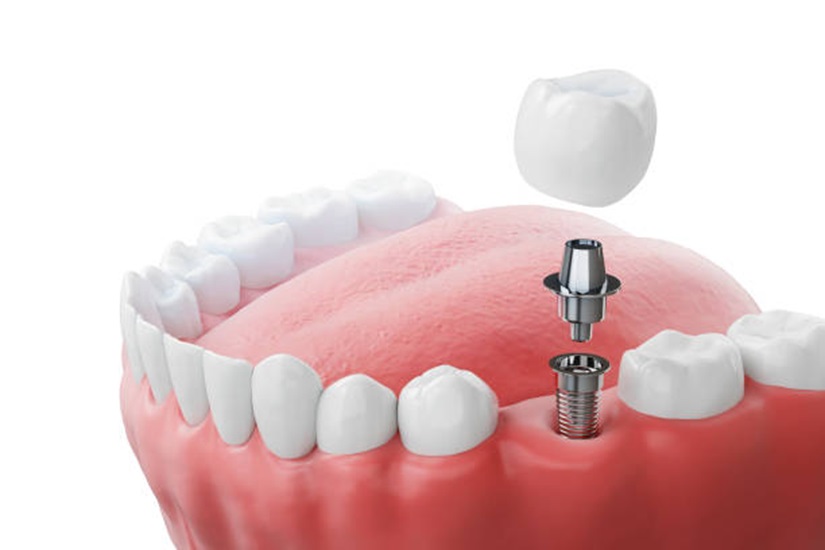
Most of the time, people associate missing teeth with their smile or their ability to chew correctly. Missing teeth and your night-time sleep quality are, however, more closely related than you would think. Looking at dental implants boca raton might be a game changer for persons living with sleep apnea, particularly in Boca Raton. It goes beyond simply regaining your mouth’s appearance. It is on restoring the framework that enables unimpeded, honest breathing during sleep. A complete and well aligned set of teeth keeps your jaw in the proper orientation, therefore greatly lowering airway obstruction. 

When the airway blocks while sleeping, sleep apnea causes breathing to stop. Particularly in some parts of the mouth, missing teeth can cause changes in the way the jaw rests and loss of jawbone. Though they could seem insignificant during the day, these changes could close the airway and inhibit nighttime breathing. That’s why renovating your mouth with dental implants is more than a cosmetic choice. It could be a health-saving one. 

Some patients could require a tooth extraction boca raton first before a dental implant can even be fitted. Removal of a tooth badly injured, infected, or interfering with surrounding teeth is needed to preserve your general oral health. Sometimes folks avoid having troublesome teeth taken out because they worry losing more teeth would aggravate their situation. But leaving an improper tooth in situ might cause bone loss and shifting that compromises sleep apnea more. One preventive action is removing a troublesome tooth. It provides opportunity to build a better, stronger basis for future dental work and breathing. 

Often, too, the extraction of wisdom teeth is very important. Removal of wisdom teeth boca raton helps general mouth alignment as well as prevents crowding or infection. Impacted or developing at terrible angles, wisdom teeth can push other teeth out of alignment. This pressure and tightness can subtly alter the size of your mouth cavity as well as the alignment of your jaw. For a person already fighting sleep apnea, even tiny adjustments like these can significantly affect their symptoms. Getting rid of wisdom teeth at the right moment can provide the extra space your mouth needs to work properly and breathe more easily. 

It’s also crucial to understand that you not have to solve this on your own. Working with a sleep apnea doctor boca raton will enable you to see the links between your sleep issues and your dental condition. A sleep apnea expert knows how your airway, jaw, and teeth all interact. They can develop a treatment strategy addressing the entire picture rather than just one concern. This could entail counseling you on how to stabilize your jaw to enhance nighttime breathing patterns, recommending wisdom teeth removal to reduce crowding, or recommending dental implants following extractions. 

Everything else can begin to get better when your mouth is whole and healthy. You might discover you snore less, breathe more deeply at night, and wake more rested. Your risk of other problems like heart disease or high blood pressure, which frequently accompany untreated sleep apne amight be lowered if your oxygen levels stabilize. It’s not about vanity to replace missing teeth and preserve your mouth intact. It is on providing your body what it needs to operate well while you sleep. 

If you lack teeth and also battling sleep apnea symptoms, you should seriously consider speaking with your dental team. They can guide you through whether dental implants, wisdom teeth removal, or a tooth extraction would be appropriate for you. Every patient is unique, hence a tailored approach guarantees you have the ideal mix of therapies.

Dental implants Boca Raton are meticulously created to feel and seem like real teeth. They bond with the jawbone, therefore assisting to stop the shifting which could aggravate sleep apnea and preserving bone density. Tooth extraction boca raton removes undesirable teeth potentially compromising the structure of your mouth. Removal of wisdom teeth can help with crowding and pressure to enhance air flow. And consulting a sleep apnea expert in boca raton helps you to sleep well, feel good, and safeguard your health by neatly tie all these treatments into a clear roadmap. 

The good news is that with the correct support, you can rebuild your mouth and notice actual improvements in your sleep quality. You need tranquil nights and a good smile. If dental care seemed like a low priority, you have been putting it off. It might be time to see it differently. Good dental health goes beyond appearance. It belongs to the basis of your general well-being.

Dental care is critical to overall health and well-being, especially for families with diverse needs. A family dentist plays a pivotal role in ensuring that every family member, from the youngest to the oldest, receives comprehensive dental care tailored to their needs. Families can simplify their dental care routine by choosing a family dentist, enjoying consistent and high-quality treatment, and building lasting relationships with their providers.

Benefits of Choosing a Family Dentist

Comprehensive Care for All Ages

One of the primary benefits of a family dentist is the ability to provide dental care for all ages. From toddlers getting their first teeth to grandparents needing dentures, a family dentist has the expertise to handle many dental issues. This comprehensive care ensures that all family members receive consistent and coordinated treatment.

Convenience and Consistency

Having a single point of contact for all dental needs simplifies scheduling and follow-up appointments. Families can book multiple appointments on the same day, reducing the need for numerous visits to different dentists. This convenience not only saves time but also helps maintain consistency in dental care, as the same dentist tracks each family member’s dental history and progress.

Personalized Care

A family dentist takes the time to get to know each family member’s unique dental needs and preferences. This personalized care allows for more accurate diagnosis and treatment plans, ensuring that each person receives the best care. Over time, the dentist becomes familiar with the family’s dental history, which helps provide more effective and timely treatments.

Preventative Care and Education

Preventative care is a cornerstone of family dentistry. Regular check-ups, cleanings, and early detection of dental issues can prevent more severe problems down the line. A family dentist educates the entire family on proper oral hygiene practices, diet, and habits that promote healthy teeth and gums. This proactive approach helps reduce the risk of cavities, gum disease, and other dental issues.

Emergency Dental Care

Dental emergencies can happen anytime, and having a family dentist ensures families have a reliable and trusted professional to turn to. A family dentist can provide prompt and effective emergency care, whether a chipped tooth from a sports injury or a severe toothache.

Services Provided by a Family Dentist

Routine Check-ups and Cleanings

Regular dental check-ups and cleanings are essential for maintaining oral health. A family dentist performs thorough examinations to detect any issues early and provides professional cleanings to remove plaque and tartar build-up.

family dentist

Pediatric Dental Care

Children have unique dental needs, and a family dentist is trained to provide specialized care for young patients. This includes monitoring tooth development, applying sealants, and offering fluoride treatments to protect against cavities.

Orthodontic Care

A family dentist can also provide orthodontic services or refer to a trusted orthodontist for treatments such as braces or aligners. Early detection of misaligned teeth can lead to more effective and less invasive treatments.

Cosmetic Dentistry

Cosmetic dentistry is not just about aesthetics; it also contributes to overall dental health. Services such as teeth whitening, veneers, and bonding can improve the appearance of teeth and boost self-confidence. A cosmetic dentist within the family dentistry practice ensures these services are readily available.

Restorative Dentistry

From fillings to crowns and bridges, a family dentist provides vital services to repair and replace damaged teeth. These treatments help restore functionality and appearance, ensuring that patients can confidently chew, speak, and smile.

Dental Implants

Dental implants offer a long-lasting and natural-looking solution for those needing tooth replacement. A family dentist trained in implant dentistry can perform the procedure or work with an implant dentist to ensure the best outcomes.

Periodontal Care

Gum health is crucial for overall dental health. A family dentist provides periodontal care to treat and prevent gum disease, which can lead to tooth loss if left untreated. This includes deep cleanings, scaling, and root planing.

How to Choose the Right Family Dentist

Check Qualifications and Experience

When selecting a family dentist, it’s essential to consider their qualifications and experience. Look for a dentist with a proven track record in family dentistry and check their credentials, including education and any specialized training.

Consider the Services Offered

Ensure that the family dentist offers a comprehensive range of services that meet the needs of all family members. This includes routine care, pediatric dentistry, orthodontics, cosmetic dentistry, and emergency care.

Read Reviews and Testimonials

Online reviews and testimonials from other patients can provide valuable insights into the quality of care provided by the dentist. Look for consistently positive feedback and any specific mentions of excellent service or care.

Evaluate the Office Environment

A family-friendly dental office should be welcoming and comfortable for patients of all ages. Visit the office to assess the cleanliness, atmosphere, and whether the staff is friendly and accommodating.

cosmetic dentist

Discuss Payment and Insurance Options

Dental care can be expensive, so discussing payment and insurance options with the family dentist is crucial. Ensure they accept your insurance and offer flexible payment plans if needed.

The Role of Preventative Care in Family Dentistry

Preventative care is a cornerstone of family dentistry. It aims to maintain oral health and prevent dental issues before they become severe. By focusing on regular check-ups, cleanings, and education, family dentists help families adopt habits that promote long-term dental health.

Regular Check-ups and Cleanings

Routine dental check-ups and cleanings are essential for detecting and addressing dental issues early. During these visits, the dentist examines the teeth and gums for any signs of problems, such as cavities, gum disease, or oral cancer. Professional cleanings remove plaque and tartar build-up that regular brushing and flossing cannot eliminate, reducing the risk of decay and gum disease.

Sealants and Fluoride Treatments

For children, preventative care often includes sealants and fluoride treatments. Sealants are thin, protective coatings applied to the chewing surfaces of the back teeth, where cavities are most likely to form. Fluoride treatments strengthen the tooth enamel, making it more resistant to decay.

Education on Oral Hygiene

A significant part of preventative care is educating patients on proper oral hygiene practices. Family dentists teach children and adults the correct way to brush and floss, the importance of a balanced diet for dental health, and habits to avoid, such as excessive sugar consumption and smoking.

Early Detection and Treatment

Preventative care also involves early detection and treatment of dental issues. Regular visits allow the dentist to catch problems such as cavities, gum disease, and misaligned teeth in their early stages when they are more accessible and less costly. Early intervention can prevent more severe complications and the need for extensive dental work.

Pediatric Dental Care: A Focus on Children’s Dental Health

Children’s dental health requires special attention and care, and a family dentist is equipped to handle the unique needs of young patients. Pediatric dental care focuses on the growth and development of children’s teeth and instilling good oral hygiene habits from an early age.

Monitoring Dental Development

A family dentist closely monitors the development of children’s teeth and jaws to ensure they are growing correctly. Regular check-ups help track the progress of tooth eruption and identify any issues early, such as crowded or misaligned teeth.

Preventative Treatments for Children

Preventative treatments, such as sealants and fluoride applications, are essential for children. Sealants protect the chewing surfaces of the back teeth from cavities, while fluoride treatments strengthen the enamel, making it more resistant to decay.

6

Teaching Good Oral Hygiene Habits

Instilling good oral hygiene habits in children is crucial for their long-term dental health. Family dentists teach children how to brush and floss correctly and emphasize the importance of maintaining these habits daily. They also educate parents on supporting their children’s oral hygiene routine at home.

Addressing Dental Anxiety

Children may feel anxious about visiting the dentist, but a family dentist can create a positive and comforting experience. They use gentle techniques and child-friendly communication to help children feel at ease during dental visits.

Orthodontic Assessments

Early orthodontic assessments are part of pediatric dental care. A family dentist can identify potential alignment issues and refer children to an orthodontist if necessary. Early intervention can simplify orthodontic treatment and improve outcomes.

The Importance of Cosmetic Dentistry in Family Dental Care

Cosmetic dentistry enhances the appearance of teeth and plays a significant role in overall dental health. A family dentist can boost patients’ confidence by addressing aesthetic concerns and encouraging them to maintain oral hygiene.

Teeth Whitening

Teeth whitening is a popular cosmetic procedure that removes stains and discoloration, resulting in a brighter smile. It can be done in-office or with take-home kits provided by the family dentist. A whiter smile can improve self-esteem and motivate patients to care for their teeth better.

Veneers and Bonding

Veneers and bonding correct minor imperfections, such as chipped, cracked, or uneven teeth. Veneers are thin shells covering the teeth’ front surface, while bonding involves applying a tooth-colored resin to repair damage. These treatments can dramatically improve the appearance of the teeth and provide a more uniform smile.

Orthodontics for Cosmetic Improvement

Orthodontic treatments, such as braces and clear aligners, straighten teeth and enhance their appearance. Correcting misaligned teeth can improve bite function and reduce the risk of dental problems. A family dentist can provide or refer for orthodontic treatments catering to functional and aesthetic needs.

Restorative Cosmetic Procedures

Restorative cosmetic procedures, such as crowns and bridges, help restore damaged teeth while enhancing their appearance. Crowns cover damaged or weakened teeth, providing strength and a natural look, while bridges replace missing teeth, restoring both function and aesthetics.

Addressing Dental Emergencies with a Family Dentist

Dental emergencies can occur unexpectedly, and having a family dentist ensures families have a reliable professional to turn to. Quick and effective treatment of dental emergencies is crucial.

Oral health plays a crucial role in our overall well-being, and recent studies have shown a significant link between oral health and cardiovascular diseases. While the connection between oral health and heart health may not be immediately apparent, research has revealed that poor oral hygiene and the presence of gum disease can contribute to the development of various cardiovascular conditions.

Understanding the Link

Gum disease, also known as periodontal disease, is a common oral health issue that affects the tissues surrounding the teeth. When left untreated, it can lead to inflammation and infection, causing the gums to pull away from the teeth and form pockets. These pockets become a breeding ground for bacteria, which can enter the bloodstream and travel to other parts of the body, including the heart.

Scientific studies have shown that the same bacteria responsible for gum disease have been found in the plaque that clogs the arteries. This plaque buildup can lead to atherosclerosis, a condition characterized by the narrowing and hardening of the arteries. When the arteries become narrow, blood flow to the heart is restricted, increasing the risk of heart attacks and other cardiovascular diseases.

Prevention is Key

Maintaining good oral hygiene practices is essential for preventing gum disease and reducing the risk of cardiovascular diseases. Here are some essential steps to follow:

  • Brush your teeth at least twice a day using fluoride toothpaste.
  • Floss daily to remove plaque and food particles from between the teeth.
  • Use an antimicrobial mouthwash to kill bacteria and freshen breath.
  • Visit your dentist regularly for professional cleanings and check-ups.

In addition to these oral care practices, adopting a healthy lifestyle can also contribute to better oral and cardiovascular health. Avoiding tobacco products, maintaining a balanced diet, and managing stress levels are all factors that can positively impact both your oral and heart health.

The Importance of Regular Dental Check-ups

Regular dental check-ups are crucial for early detection and prevention of gum disease. Dentists can identify signs of inflammation, infection, or other oral health issues that may contribute to cardiovascular diseases. They can provide professional cleanings to remove plaque and tartar buildup, reducing the risk of bacteria entering the bloodstream.

Furthermore, if you already have a pre-existing cardiovascular condition, it is essential to inform your dentist. They can take necessary precautions during dental procedures to minimize the risk of bacteria entering the bloodstream.

Good oral health is not just about having a beautiful smile; it is also closely linked to our cardiovascular well-being. Maintaining proper oral hygiene practices, such as regular brushing, flossing, and dental check-ups, can significantly reduce the risk of gum disease and its potential impact on cardiovascular health. By taking care of our teeth and gums, we can strive for a healthier heart.

Teledentistry, a branch of telemedicine, is revolutionizing the way dental care is delivered in remote areas. With advancements in technology and internet connectivity, teledentistry has emerged as a powerful tool to bridge the gap between dental professionals and patients in underserved communities. This article explores the implications of teledentistry in remote areas and its potential to improve access to dental care.

Improved Access to Dental Care

One of the primary implications of teledentistry in remote areas is the improved access to dental care. In many remote regions, access to dental clinics and oral healthcare professionals is limited or non-existent. Teledentistry allows patients to connect with dentists remotely, eliminating the need for travel and reducing barriers to care. Through virtual consultations, dentists can assess oral health conditions, provide advice, and even prescribe medications when appropriate.

Moreover, teledentistry enables dental professionals to reach populations in remote areas who may have difficulty accessing traditional dental care due to various reasons such as physical disabilities, mobility issues, or lack of transportation. This breakthrough technology allows dentists to extend their reach beyond physical boundaries and provide essential dental services to those who need it the most.

Educational Opportunities

Teledentistry also brings about educational opportunities for both dental professionals and patients in remote areas. Through virtual conferences, webinars, and online training programs, dentists can stay updated with the latest dental practices and advancements. This continuous professional development ensures that dental professionals in remote areas can provide high-quality care comparable to their urban counterparts.

For patients, teledentistry offers educational resources and guidance on oral hygiene, preventive care, and common dental issues. Patients can access educational videos, interactive tools, and guidance materials from the comfort of their homes, empowering them to take better care of their oral health. By improving oral health literacy, teledentistry contributes to prevention and early intervention, reducing the need for extensive dental treatments in the long run.

Cost Savings and Efficiency

Another implication of teledentistry in remote areas is the potential for cost savings and increased efficiency. Traditional dental care often involves significant costs associated with travel expenses and time off work. Teledentistry eliminates these expenses by allowing patients to receive care remotely, reducing the financial burden on individuals and healthcare systems.

Additionally, teledentistry streamlines the workflow for dental professionals. Through virtual consultations, dentists can efficiently triage patients, identify urgent cases, and determine the need for in-person visits. This targeted approach allows dental practices to optimize their resources and allocate more time and attention to patients who require immediate care.

Challenges and Future Directions

While teledentistry holds great promise for improving access to dental care in remote areas, it also faces certain challenges. The availability of reliable internet connectivity and access to appropriate technology can be limiting factors in some remote regions. Additionally, there are regulatory and legal considerations that need to be addressed to ensure the safe and ethical practice of teledentistry.

Despite these challenges, the future of teledentistry in remote areas looks promising. As technology continues to advance and become more affordable, more dental professionals and patients will be able to benefit from this innovative approach to oral healthcare delivery.

Teledentistry has far-reaching implications for remote areas in terms of improved access to dental care, educational opportunities, cost savings, and increased efficiency. By harnessing the power of technology, teledentistry has the potential to transform oral healthcare delivery in underserved communities, ensuring that everyone has access to quality dental care regardless of their geographical location.

Pregnancy is a time of immense change and excitement for expectant mothers. While most people are aware of the importance of maintaining overall health during pregnancy, dental care is often overlooked. However, it is crucial for pregnant women to prioritize their oral health as it can have a significant impact on both their own well-being and that of their unborn child.

Why is dental care important during pregnancy?

Dental care is important during pregnancy for several reasons:

  • Hormonal changes: Pregnancy causes hormonal changes in the body, which can lead to an increased risk of gum disease. Pregnant women are more susceptible to gum inflammation and infection, which can negatively affect the health of their teeth and gums.
  • Gestational gingivitis: Hormonal changes can also result in a condition called gestational gingivitis, which is characterized by swollen, tender, and bleeding gums. If left untreated, it can progress to more severe gum disease, known as periodontitis.
  • Preventing preterm birth: Studies have shown a correlation between gum disease and preterm birth. Pregnant women with untreated gum disease are at a higher risk of giving birth prematurely, which can have long-term health implications for the baby.
  • Protecting the baby’s developing teeth: The baby’s teeth begin to develop during the second trimester of pregnancy. Proper dental care, including a balanced diet and regular brushing and flossing, can help ensure the healthy development of the baby’s teeth and gums.
  • Minimizing the risk of pregnancy complications: Poor oral health has been linked to an increased risk of developing pregnancy complications such as preeclampsia, gestational diabetes, and low birth weight. Taking care of your teeth and gums can help reduce the likelihood of experiencing these complications.

Tips for maintaining good oral health during pregnancy

Here are some tips to help pregnant women maintain good oral health:

  1. Visit your dentist: Schedule a dental check-up before or during your pregnancy to address any existing oral health issues and receive professional guidance on maintaining a healthy mouth.
  2. Practice good oral hygiene: Brush your teeth at least twice a day using a fluoride toothpaste and a soft-bristled toothbrush. Don’t forget to floss daily to remove plaque and food particles from between your teeth.
  3. Eat a balanced diet: Consume a variety of nutrient-rich foods to support your oral and overall health. Limit sugary snacks and beverages, as they can contribute to tooth decay and gum problems.
  4. Manage morning sickness: If you experience morning sickness, rinse your mouth with water or a fluoride mouthwash after vomiting to help neutralize stomach acid and protect your teeth.
  5. Stay hydrated: Drink plenty of water throughout the day to keep your mouth moist and reduce the risk of dry mouth, which can increase the likelihood of dental problems.
  6. Share your pregnancy status with your dentist: Inform your dentist about your pregnancy so that they can provide appropriate dental care and make any necessary adjustments to your treatment plan.

Remember, taking care of your oral health during pregnancy is not only beneficial for you but also for the health and development of your baby. By following these simple steps, you can ensure a healthy smile for both you and your little one.

Tooth sensitivity is a common dental problem that affects many people. It occurs when the tooth enamel, which protects the underlying dentin and nerves, becomes worn down or damaged, exposing the sensitive parts of the tooth. This can cause discomfort or pain when consuming hot, cold, sweet, or acidic foods and drinks.

If you’re looking for natural remedies to alleviate tooth sensitivity, here are a few options to consider:

1. Desensitizing Toothpaste

Using a desensitizing toothpaste specifically formulated for sensitive teeth can help reduce discomfort. These toothpastes contain ingredients that block the nerve signals responsible for tooth sensitivity.

2. Saltwater Rinse

A simple and effective remedy is rinsing your mouth with warm saltwater. Salt has natural antibacterial properties that can help reduce inflammation and promote healing of the sensitive areas in your mouth. Mix half a teaspoon of salt in a glass of warm water and swish it around your mouth for 30 seconds before spitting it out.

3. Oil Pulling

Oil pulling is an ancient Ayurvedic practice that involves swishing oil (such as coconut or sesame oil) around your mouth for 15-20 minutes. This technique can help reduce tooth sensitivity by removing bacteria and promoting gum health.

4. Green Tea

Green tea is known for its numerous health benefits, including its ability to reduce inflammation. Drinking a cup of green tea daily can help alleviate tooth sensitivity by reducing gum inflammation and protecting against bacterial infections.

5. Clove Oil

Clove oil has natural analgesic and antibacterial properties, making it an effective remedy for tooth sensitivity. Apply a small amount of clove oil to the affected tooth using a cotton swab or a clean finger. Leave it on for a few minutes and then rinse your mouth with lukewarm water.

6. Avoid Acidic Foods and Drinks

Acidic foods and drinks can erode tooth enamel, making teeth more sensitive. Limit your consumption of citrus fruits, soda, and other acidic beverages. If you do consume them, rinse your mouth with water afterward to mitigate the effects of the acid.

7. Proper Oral Hygiene

Maintaining good oral hygiene is crucial for preventing and reducing tooth sensitivity. Brush your teeth twice a day using a soft-bristled toothbrush and fluoride toothpaste. Also, don’t forget to floss daily to remove plaque and food particles that can contribute to tooth sensitivity.

Incorporating these natural remedies into your oral care routine can help alleviate tooth sensitivity and improve your overall dental health. However, it’s important to consult with your dentist if your tooth sensitivity persists or worsens, as it could be a sign of an underlying dental issue that requires professional treatment.