Category

Dental Care

Category

Tooth sensitivity is a common dental problem that affects many people. It occurs when the tooth enamel, which protects the underlying dentin and nerves, becomes worn down or damaged, exposing the sensitive parts of the tooth. This can cause discomfort or pain when consuming hot, cold, sweet, or acidic foods and drinks.

If you’re looking for natural remedies to alleviate tooth sensitivity, here are a few options to consider:

1. Desensitizing Toothpaste

Using a desensitizing toothpaste specifically formulated for sensitive teeth can help reduce discomfort. These toothpastes contain ingredients that block the nerve signals responsible for tooth sensitivity.

2. Saltwater Rinse

A simple and effective remedy is rinsing your mouth with warm saltwater. Salt has natural antibacterial properties that can help reduce inflammation and promote healing of the sensitive areas in your mouth. Mix half a teaspoon of salt in a glass of warm water and swish it around your mouth for 30 seconds before spitting it out.

3. Oil Pulling

Oil pulling is an ancient Ayurvedic practice that involves swishing oil (such as coconut or sesame oil) around your mouth for 15-20 minutes. This technique can help reduce tooth sensitivity by removing bacteria and promoting gum health.

4. Green Tea

Green tea is known for its numerous health benefits, including its ability to reduce inflammation. Drinking a cup of green tea daily can help alleviate tooth sensitivity by reducing gum inflammation and protecting against bacterial infections.

5. Clove Oil

Clove oil has natural analgesic and antibacterial properties, making it an effective remedy for tooth sensitivity. Apply a small amount of clove oil to the affected tooth using a cotton swab or a clean finger. Leave it on for a few minutes and then rinse your mouth with lukewarm water.

6. Avoid Acidic Foods and Drinks

Acidic foods and drinks can erode tooth enamel, making teeth more sensitive. Limit your consumption of citrus fruits, soda, and other acidic beverages. If you do consume them, rinse your mouth with water afterward to mitigate the effects of the acid.

7. Proper Oral Hygiene

Maintaining good oral hygiene is crucial for preventing and reducing tooth sensitivity. Brush your teeth twice a day using a soft-bristled toothbrush and fluoride toothpaste. Also, don’t forget to floss daily to remove plaque and food particles that can contribute to tooth sensitivity.

Incorporating these natural remedies into your oral care routine can help alleviate tooth sensitivity and improve your overall dental health. However, it’s important to consult with your dentist if your tooth sensitivity persists or worsens, as it could be a sign of an underlying dental issue that requires professional treatment.
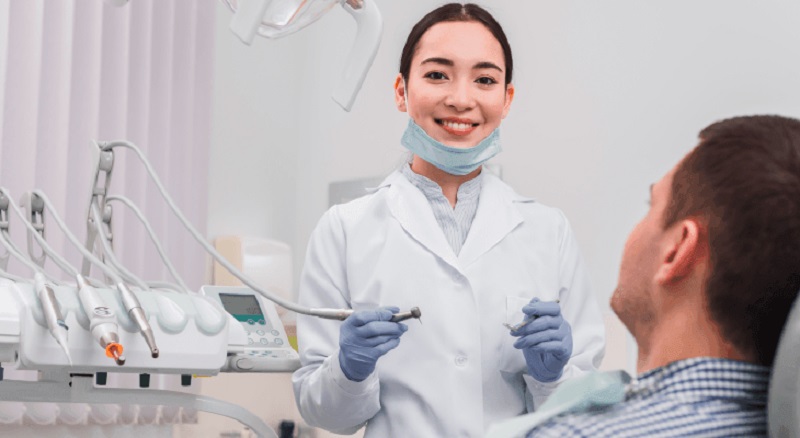
Orthodontic treatments have come a long way in recent years, thanks to constant innovations in braces technology. These advancements have revolutionized the field by providing more effective, comfortable, and aesthetically pleasing options for patients seeking orthodontic treatment. In this article, we will explore some of the most exciting innovations in orthodontic treatments and braces technology.

1. Clear Aligners

Clear aligners, such as Invisalign, have gained immense popularity in recent years. These aligners are virtually invisible and offer a discreet alternative to traditional metal braces. Clear aligners use a series of customized, removable trays to gradually shift teeth into their desired positions. They are comfortable to wear and allow for easier brushing and flossing compared to traditional braces. Clear aligners are a great option for individuals who want to straighten their teeth without drawing attention to their orthodontic treatment.

2. Self-Ligating Braces

Self-ligating braces are another innovative orthodontic treatment option. Unlike traditional braces that use elastic bands to hold the wire in place, self-ligating braces have a built-in mechanism that holds the wire without the need for additional bands. This technology allows for more efficient tooth movement and reduces friction, resulting in faster treatment times and fewer adjustments. Self-ligating braces also make oral hygiene easier as there are fewer areas for plaque to accumulate.

3. Accelerated Orthodontics

Accelerated orthodontics is a technique that expedites the tooth movement process, reducing the overall treatment time. This technique involves using devices such as AcceleDent or Propel, which apply gentle vibrations or create micro-perforations in the bone to stimulate faster bone remodeling. By speeding up the movement of teeth, accelerated orthodontics can significantly reduce the time patients need to wear braces or aligners.

4. 3D Imaging and Treatment Planning

Advancements in technology have allowed orthodontists to incorporate 3D imaging and treatment planning into their practice. With the help of cone-beam computed tomography (CBCT) scans, orthodontists can create detailed 3D models of a patient’s teeth, jaw, and facial structure. This technology enables precise treatment planning, improved diagnosis, and better communication between the orthodontist and the patient. Patients can also get a visual representation of how their teeth will look after the treatment, which enhances treatment acceptance and satisfaction.

5. Lingual Braces

Lingual braces are an excellent option for patients who desire a discreet treatment but prefer fixed braces over aligners. These braces are attached to the backside of the teeth, making them virtually invisible from the front. Lingual braces utilize the same principles as traditional braces but offer a more aesthetically pleasing solution. They are custom-made to fit each patient’s teeth, ensuring optimal comfort and effectiveness.

The innovations in orthodontic treatments and braces technology have revolutionized the field, providing patients with more options and improved treatment experiences. From clear aligners and self-ligating braces to accelerated orthodontics and 3D imaging, these advancements have made orthodontic treatment more efficient, comfortable, and aesthetically pleasing. If you are considering orthodontic treatment, consult with your orthodontist to explore which of these innovative options may be suitable for your needs.