
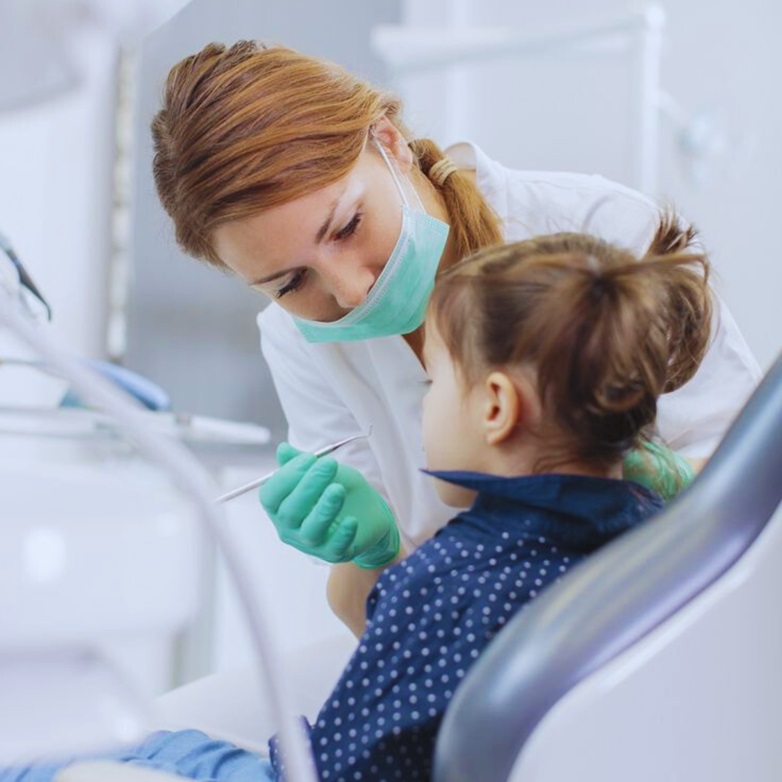
Advice from a top dentist in Hicksville NY
Having a baby is full of a lot of decisions and even more questions. Some are huge and apparent like when to start with solids or how to get through teething. Others are simple but are astonishingly important. One of these is whether bottles and pacifiers can influence your baby’s oral growth.
At Tiny Teeth, we’ve spoken with a trusted pediatric dentist Hicksville NY, to get the inside scoop on what pacifiers and bottles are really doing to your baby’s teeth and jaws. And trust us, this is something most parents are not hearing enough about.
Not All Soothing Is Harmless
Let’s start with the reality that pacifiers and bottles are lifesavers. They soothe a crying baby in a second, help them sleep, and offer comfort on long car rides or doctor visits. For many families, they’re a survival staple.
But prolonged use, especially after infancy, can have lasting effects on your baby’s oral development. Both pacifiers and bottles have an influence on the way your baby’s mouth grows, how their teeth erupt, and even how they breathe, according to a leading pediatric dentist Long Island NY.
How Pacifiers Affect Baby Teeth and Jaws
Most dentists believe that it is okay to use a pacifier during the first year of life and can actually help prevent sudden infant death syndrome (SIDS) risk. After this first year, however, problems arise.
Issues related to prolonged pacifier use include:
Crooked teeth
Narrowness of the upper jaw
Open bites that observe the front teeth not coming together properly
Changes in tongue posture and swallowing habits
One Hicksville dentist we spoke to described it like this: “Imagine your baby’s mouth like clay. It’s soft, growing, and easily shaped. Continuous pressure from a pacifier will slowly fashion the jaws and teeth into positions that are hard to fix later without braces or even surgery.”
Bottles Aren’t Off the Hook Either
Bottles, especially if used over long periods, do the same thing. The sucking action that is required when bottle-feeding is different from when breastfeeding. That is not to say bottles are awful, but how and how long they are utilized will make a difference.
One of the largest fears is “bottle mouth,” a condition resulting from prolonged exposure to sweet drinks like juice or milk. This leads to tooth decay, mostly in the front teeth. Even more surprising, most parents are unaware that having a baby sleep with a bottle wears away enamel quietly throughout a night.
A children’s dentist Hicksville NY parents rely on advice weaning off bottles at 12 to 18 months and transitioning to sippy cups or open cups as soon as possible instead of later.
What Nobody Talks About Breathing and Speech
This is where things really get interesting. One of the less-talked-about impacts of pacifiers and bottles is that they can actually affect a child’s breathing and speech development.
A pediatric dentist on Long Island NY said that children who utilize pacifiers or bottles for extended periods of time tend to develop habits like breathing through the mouth. This is not a serious thing, but it can lead to issues with sleep, concentration, and even facial development.
Some speech delays or muddled pronunciation can also be attributed to extended sucking habits. The mouth simply doesn’t get to work on natural movement and muscle control when a pacifier or bottle is constantly present.
So When Should You Stop
Every child is different, but the experts are in consensus regarding the overall timeline. 886 wordsclear
Humanize AI
Here’s what one credible dentist in Hicksville NY recommends:
Wean off pacifiers at 6 to 12 months
Transition from bottle to cup at 12 to 18 months
Never put a baby to bed with a bottle
Avoid sweetened drinks in bottles or sippy cups
Consistency is key. It’s probably going to be a bumpy few days, but most children adjust faster than we do.
What You Can Do Instead
We understand. Sometimes your baby just needs comfort and a pacifier is like magic. So what are your other choices
Provide comfort through touch Gentle rocking, skin-to-skin contact, and babywearing can make babies feel secure
Experiment with teething toys If your baby is soothing due to teething, use safe silicone teethers that don’t remain in the mouth at all times
Practice drinking from an open cup About 6 months, start introducing small amounts of water from an open or straw cup at mealtimes
Perfection is not the goal. It’s making changes in small steps that are beneficial to your baby’s overall health over the long term.
Talk to Your Pediatric Dentist Early
Most parents don’t bring their child to the dentist until they are two or three, but the first visit should be by age one or with the first tooth. This enables your dentist to check for signs of bottle or pacifier issues early on and give you advice specific to the child’s age.
At Tiny Teeth, we always recommend finding a pediatric dentist in Hicksville NY or where you are who truly understands infant and toddler oral development. Pediatric professionals are educated to notice the tiny details that general dentists tend to miss.
The Bottom Line
Bottles and pacifiers are not wicked devices they just need to be used wisely. You could keep your baby turning into a confident, healthy little grin if you have some awareness and consultation from a trusted Long Island NY pediatric dentist.
Your baby’s teeth are tiny, but surprisingly important. A little attention now will prevent major problems later and that’s the kind of knowledge every parent needs.

Comments are closed.