Author

Christian E. Gonzalez

Browsing

You brush, you floss when you can, and you still catch yourself hiding your teeth in photos or worrying about a spot that does not look right. That mix of health concerns and appearance concerns is common, and a Calgary dentist can help you understand both. Most people do not separate the two in real life. If your teeth look worn, stained, chipped, or uneven, you often wonder whether something deeper is going on too.

That is why 6 Cosmetic And Preventive Services That Create Comprehensive Smile Care matters as more than a catchy phrase. The best smile care usually blends protection with appearance. You are not choosing between a healthy mouth and a smile you feel good about. A skilled General And Cosmetic Dentist helps you protect enamel, lower the risk of decay, and improve the way your smile looks at the same time.

Preventive dental care supports cosmetic results that last

Cosmetic work gets attention because it is visible. Whitening brightens your teeth. Bonding smooths out chips. Veneers change shape and color. Those treatments can make a real difference in how you feel when you speak, laugh, or meet someone new. The problem is that cosmetic improvements last longer when the mouth underneath is healthy.

If plaque keeps building up along the gumline, if early decay is ignored, or if enamel is already thinning, cosmetic treatment can turn into a short term fix. You may spend money on the look of your smile while the structure underneath keeps breaking down. That is frustrating, and it can feel like you are always catching up.

A more balanced plan includes regular cleanings, exams, fluoride support, and cavity prevention along with cosmetic options. This is the heart of complete smile care services. It is less about chasing perfection and more about keeping your smile stable, comfortable, and easier to maintain.

These six smile care services work together

Routine exams and professional cleanings are the starting point. They catch small issues before they become painful or expensive. Early gum inflammation, tiny cavities, and wear from grinding often show up here first.

Fluoride treatments help strengthen enamel and lower the risk of decay, especially if you are prone to cavities, dry mouth, or sensitivity. The CDC explains how fluoride helps prevent tooth decay by making teeth more resistant to acid attacks.

Dental sealants add another layer of protection, usually on the chewing surfaces of molars where food and bacteria settle into deep grooves. According to the CDC, dental sealants can prevent cavities in those hard to clean areas.

Teeth whitening addresses surface stains from coffee, tea, red wine, tobacco, and age. It does not repair damage, but it can make a healthy smile look fresher and more even.

Dental bonding is useful when a tooth is chipped, slightly uneven, or has small gaps. It is one of the more conservative cosmetic services because it usually removes little to no natural tooth structure.

Veneers or similar aesthetic restorations can reshape teeth that are deeply stained, worn, or irregular. They are often chosen when whitening or bonding will not create the result you want.

When you put those services together, you get a stronger version of cosmetic and preventive dentistry. The preventive side lowers future problems. The cosmetic side helps you feel more at ease showing your smile.

Ignoring small dental problems often changes how your smile looks and feels

Tooth decay does not always start with pain. It can begin as a weak spot in enamel, then grow into a cavity that darkens the tooth, roughens the surface, and makes cold drinks sting. MedlinePlus outlines how tooth decay develops, often gradually enough that people miss it until real damage has already happened.

You may think a small chip is just cosmetic, but that rough edge can collect plaque more easily or worsen under daily pressure. You may think whitening is all you need, but if the discoloration comes from decay or an old filling, bleach will not fix the source. This is where a general dentist with cosmetic training brings more value. You get a plan that looks at function first, then appearance, instead of treating them like separate problems.

Comparing preventive and cosmetic dental services helps you plan wisely

ServiceMain PurposeBest ForWhat It Does Not Do
Dental exam and cleaningDetects early issues and removes buildupNearly everyone, especially patients overdue for careDoes not whiten or reshape teeth
Fluoride treatmentStrengthens enamel and helps prevent decayPeople with sensitivity, dry mouth, or frequent cavitiesDoes not repair deep cavities
Dental sealantsProtects grooves in back teeth from decayChildren, teens, and some adults with cavity riskDoes not treat existing decay
Teeth whiteningBrightens stained enamelSurface stains from food, drinks, and smokingDoes not fix chips, gaps, or disease
BondingRepairs chips, small gaps, and minor shape issuesPatients wanting a conservative cosmetic fixDoes not replace full restorative work
VeneersImproves color, shape, and symmetryMore visible cosmetic concernsDoes not replace preventive care

Small steps make smile improvement feel manageable

Book a diagnostic visit before choosing a cosmetic treatment. If you are focused on stains or shape, start with an exam anyway. Hidden decay, gum irritation, and grinding can change what treatment makes sense.

Ask for a phased plan. You do not need to do everything at once. Many people do better with a staged approach that starts with cleaning, decay prevention, and any needed repairs, then moves into whitening or bonding.

Match treatment to your real habits. If you drink coffee daily, grind your teeth at night, or struggle with sensitivity, say so. Those details affect which smile care services will hold up best for you.

A healthier smile and a better looking smile can happen together

You do not have to pick one goal and ignore the other. The strongest results usually come from blending prevention with appearance focused treatment, so your smile not only looks better now but stays easier to care for over time. If you have been putting off treatment because it all feels too expensive, too confusing, or too far gone, start with the first step and build from there. A trusted General And Cosmetic Dentist can help you create a plan that fits your teeth, your budget, and your life.

You might not think much about your mouth until something hurts, bleeds, or starts to change the way you eat, speak, or smile. That is often how it goes. Life gets busy, a cleaning gets pushed back, and brushing and flossing can start to feel like one more thing on a long list. Then, all at once, a small issue becomes harder to ignore. If that sounds familiar, you are not alone, and you are not failing. Oral health is closely tied to the rest of your body, which means regular dental care from a Fairfield dentist can help protect more than your teeth. In simple terms, The Role Of General Dentistry In Supporting Overall Health is about prevention, early treatment, and keeping small problems from turning into larger ones.

When your mouth is healthy, daily life feels easier. You chew without pain, speak with ease, and smile without thinking twice. When it is not, the effects can reach further than many people expect. Gum inflammation, untreated decay, and oral infections can affect comfort, sleep, nutrition, and even confidence. Because of that, routine visits for general, cosmetic, and restorative dentistry are not just about appearance. They are part of taking care of your whole self.

Why does general dentistry matter beyond your teeth?

It is easy to see dental visits as separate from the rest of your health care. But your mouth is part of your body, not apart from it. According to the CDC’s overview of oral health, oral health affects eating, speaking, smiling, and overall well being. Problems in the mouth can also be linked with conditions such as diabetes and heart disease, and they can make day to day life harder in ways that build slowly over time.

So, where does that leave you? It means a routine exam and cleaning can do more than polish teeth. General dentistry helps spot cavities early, check for gum disease, monitor changes in soft tissues, and catch signs of grinding, bite issues, or wear before they lead to pain or costly treatment. That is the quiet value of prevention. You may not feel a cavity when it starts, and early gum disease can show up as mild bleeding that is easy to dismiss. Left alone, though, those issues can grow.

Oral health and overall wellness are more connected than many people realize. If your gums are inflamed, chewing may become uncomfortable, which can affect the foods you choose. If a broken tooth makes you avoid smiling or speaking, your confidence may take a hit. If an infection develops, it can disrupt sleep, focus, and work. These are not small effects. They shape how you move through your day.

What can happen when routine dental care gets delayed?

Sometimes the delay is practical. Cost is a concern. Schedules are packed. Dental anxiety is real. Other times, it is emotional. You may worry about being judged for how long it has been, or fear that one visit will lead to a long list of treatments. Those feelings make sense, and they keep many people away longer than they want.

The hard part is that delay often makes care more complex. A small cavity may need a simple filling at first, but if decay spreads, treatment can move toward a crown or root canal. Mild gingivitis may improve with professional cleaning and better home care, but untreated gum disease can lead to deeper infection, bone loss, and loose teeth. What starts as manageable can become expensive, painful, and stressful.

What if you have no pain right now? That can be misleading. Many dental problems begin quietly. General dental services are built around finding those problems early, when treatment is usually simpler and recovery is easier. This is one reason regular checkups matter so much. They create a pattern of care instead of a cycle of crisis.

How do general, cosmetic, and restorative dentistry support daily health?

Each type of care plays a different role, yet they often work together. General dentistry focuses on prevention and early treatment, including exams, cleanings, fillings, and gum care. Cosmetic treatment may improve appearance, but it can also support confidence and help people feel more comfortable showing up in work and social settings. Restorative dentistry repairs damage, replacing missing or broken tooth structure so you can chew, speak, and function more normally again.

That is why general dentistry is often the foundation. It helps maintain stability. Then, if you need added support, cosmetic or restorative options can build on that base. A patient with worn teeth from grinding may need a night guard, fillings, or crowns. Someone who has avoided care for years may first need a deep cleaning and decay treatment before considering whitening or other cosmetic changes. Health comes first, and appearance often follows naturally from that care.

What practical choices help protect your health most?

It can help to compare home care with professional care, not as an either or choice, but as a partnership. Brushing and flossing matter every day, while dental visits provide the deeper check that you cannot do on your own. The National Institute of Dental and Craniofacial Research oral hygiene guide outlines habits like brushing twice a day with fluoride toothpaste and cleaning between teeth daily. Those steps are strong protection, but they work best when paired with regular exams.

ApproachWhat It Helps WithLimits to Know
Daily home careRemoves plaque, freshens breath, lowers cavity and gum riskCannot diagnose hidden decay, gum pockets, or bite problems
Routine dental exams and cleaningsFinds early issues, removes tartar, checks gums and soft tissuesWorks best when visits are consistent, not only pain based
Restorative treatmentRepairs damage, restores chewing and comfort, prevents further breakdownMay become more extensive if problems have been ignored too long

That comparison often brings relief. You do not have to do everything perfectly. You just need a realistic plan that covers both what you can do at home and what should be checked by a professional.

What can you do right now to support better health?

1. Pay attention to early signs. Bleeding gums, bad breath that lingers, tooth sensitivity, jaw soreness, or a tooth that feels rough or cracked are worth noting. None of these guarantee a major issue, but they do signal that your mouth needs attention.

2. Tighten up your daily routine. Brush twice a day with fluoride toothpaste, clean between your teeth once a day, and drink water often. If you snack frequently on sugary foods or drinks, try to reduce how often your teeth are exposed. Small changes done every day can lower risk in a meaningful way.

3. Schedule preventive care before pain forces the issue. If it has been a while, that is okay. The important step is simply to restart. Preventive visits are often the easiest point of entry, and they can give you a clear picture of what is going on without guessing.

Your mouth does not exist in isolation, and neither does your health. The better you care for your teeth and gums, the more support you give your comfort, nutrition, confidence, and long term wellness. If you have been putting off care, you do not need to solve everything at once. Start with one appointment, one honest conversation, and one practical step forward. General, cosmetic, and restorative dentistry can help you protect your smile and support your overall health in a way that feels steady and manageable.

Misconceptions about organ and tissue donation persist even among healthcare professionals – myths about strict age limits, medical conditions that supposedly automatically disqualify a potential donor, or genuine confusion about exactly how brain death is clinically determined. These misunderstandings can quietly delay or prevent conversations that ultimately save lives, or that give grieving families a meaningful way to find purpose in an unimaginably difficult moment. Nurses are frequently present at exactly the moment these conversations need to happen, which makes accurate, current donation knowledge a genuinely essential clinical skill.

Who Is Eligible to Donate? Common Myths vs. Facts

Contrary to a very common belief, there is no strict, universal age cutoff for organ or tissue donation – newborn infants and people well into their eighties and beyond have successfully served as donors. Eligibility is determined by the actual condition of specific organs and tissues at the time of death, not by any blanket age rule or a single sweeping health criterion. Even people with chronic illnesses, a history of cancer, or a history of certain infectious diseases may still be eligible to donate particular tissues, evaluated carefully and individually on a case-by-case basis by the recovery team.

Living Donation vs. Deceased Donation

Living donation typically involves a kidney or a portion of the liver, donated by a living person to a specific intended recipient, often though not always a close family member. Deceased donation happens only after death has been formally declared, either through neurological criteria, commonly known as brain death, or through circulatory criteria, known as donation after circulatory death. Each of these two pathways carries distinct medical, legal, and timing requirements that ultimately determine exactly which organs and tissues can be safely recovered for transplantation.

The Role of Organ Procurement Organizations

Organ Procurement Organizations (OPOs) coordinate the entire donation process from start to finish – evaluating potential donors for medical suitability, matching available organs to waiting recipients through the national transplant list, and directly supporting hospital nursing and physician staff through the practical logistics of recovery. Every deceased patient who meets basic referral criteria should be formally reported to the local OPO, regardless of whether the care team personally assumes the family is likely to decline the option.

Brain Death vs. Donation After Cardiac Death

Brain death is both a clinical and a legal determination of death, based on the complete and irreversible loss of all brain function, confirmed through a specific, standardized testing protocol performed by qualified physicians. Donation after cardiac death follows a meaningfully different pathway instead, occurring after circulatory function stops following the planned withdrawal of life-sustaining treatment in a patient who does not meet brain death criteria. Understanding clearly which pathway applies to a given patient affects timing, organ eligibility, and the specific conversations families need to have with the care team.

What Organs and Tissues Can Be Donated?

Beyond the major solid organs like the heart, lungs, kidneys, and liver, tissue donation more broadly includes corneas, skin, bone, heart valves, and various types of connective tissue – each carrying its own distinct eligibility window and specialized recovery process. A single tissue donor can meaningfully improve outcomes for dozens of different recipients, from burn victims who need skin grafts to patients needing corneal transplants to restore lost vision to orthopedic patients needing bone grafts.

Supporting Families Through the Donation Conversation

Nurses frequently support families through some of the hardest conversations that occur anywhere in healthcare. Approaching donation with genuine sensitivity, accurate up-to-date information, and without any sense of pressure helps families make a decision that’s truly aligned with their own values, whatever that ultimate decision turns out to be. Framing donation clearly as an option rather than an obligation, and having specially trained OPO staff lead the formal request conversation, consistently improves both the family’s experience and overall donation rates.

Why Timing Matters in Organ Donation

Timing plays a major role in the donation process as well, and it’s a common source of misunderstanding for families under stress. Different organs and tissues have different viability windows once circulation stops, which means decisions sometimes need to be made relatively quickly after a patient’s death is declared. Nurses can help families understand that this urgency reflects biological reality rather than any sense of the care team rushing the family’s grieving process, and that supporting a family emotionally and moving efficiently through the necessary steps are not mutually exclusive goals.

Legal and Ethical Frameworks Governing Donation

It’s also worth noting that donation decisions are governed by clear legal and ethical frameworks designed to protect both donor families and recipients. In the United States, the “opt-in” donor registry system means a documented decision to donate, whether through a driver’s license designation or a formal registry, generally carries legal weight even when family members have differing wishes, though care teams typically still involve the family in the conversation out of respect and sensitivity. Understanding this framework helps nurses support families accurately rather than inadvertently suggesting the family has more discretion than they may actually have, or the reverse, that their input doesn’t matter at all.

Continuing Education on Tissue and Organ Donation

The Tissue and Organ Donation course covers eligibility criteria, both donation pathways, and practical family communication strategies in real detail, and is available among a set of free continuing education courses for nurses working across critical care, emergency, and end-of-life care settings where these conversations happen most often. Beyond meeting a continuing education requirement, understanding donation eligibility clearly equips nurses to correct common myths in the moment, refer appropriately to the OPO without hesitation, and support grieving families with accurate information at one of the most difficult moments they will ever face.

Patients with a large tooth loss who desire a long-term solution may benefit from full-arch dental implants. The overall price of treatment will vary from person-to-person, however. A variety of factors will affect the final price, such as the number of implants, the materials used, preparatory procedures, the expertise of the dentist and the costs of the lab. Knowing these things can help the patient to plan financially and make decisions.

When comparing full-arch implant options, patients may also consider affordability alongside treatment quality, materials, and the experience of the dental team. Searching for the cheapest place to get all-on-4 dental implants can help identify more budget-friendly options, but the lowest quoted price should not be the only consideration. Patients should check what is included in the treatment package, such as consultations, imaging, implant placement, temporary and permanent restorations, follow-up visits, and any necessary preparatory procedures, to understand the true overall cost.

Number of Implants Required

One of the biggest factors regarding the cost of implants is how many are required. The number of implants may be four, five, six or more for some implant full arches, depending on the patient’s jawbone condition and treatment plan. An increased number of implants leads to higher surgical, material and restoration expenses.

The type and quality of materials

The cost of the implant and the prosthetic tooth materials can make a huge difference to the total cost. Prosthetic arches can be constructed from acrylic, composite, zirconia or other specialised options, with the components of the implant potentially being different in design and manufacturing quality. Materials with higher quality can have a higher initial cost and some might have certain durability, aesthetic or functional advantages.

Bone Grafting and Preparatory Procedures

Patients may need more procedures prior to implant placement. If there is not enough bone to support implants, a bone grafting procedure may be recommended. The total expense may also be higher if additional treatments, such as tooth extraction or gum treatment, need to be performed in preparation for the procedure. Not all of these treatments are necessary for every patient and so the cost can be significantly different.

The seniority of the dentist and specialist will be taken into account.

Treatment costs could be influenced by the qualifications and experience of the dentist who will provide the treatment. Careful planning, surgical skill, and a knowledge of prosthetics are all essential to full-arch implant procedures. Clinically experienced or specialist teams or individuals might charge higher due to their training, technology and experience.

Diagnostic Tests and Technology

Today, digital scans, X-rays, 3D imaging and computer-assisted planning are often used to help implement modern implant treatment. These technologies can enhance treatment plans and implant placement, but may add to the overall treatment expenses. Diagnostic planning is also dependent on the complexity of the problem posed by the patient.

Temporary and Permanent Teeth

The cost can be a temporary denture while healing and a permanent one at a later stage. The overall cost can be influenced by the design, materials, customization and laboratory work required to complete the final restoration.

The location and Dental Facility.

The price of dental care varies depending on the geographic location, the quality of the clinic, its equipment and staffing, and operating costs. A larger clinic equipped with state-of-the-art technology and an implant team could charge more for the treatment than a smaller clinic with less technology.

Follow-Up and Maintenance

Long-term maintenance should also be part of the total cost of the investment in a patient. Follow-up appointments, adjustments, repairs, and eventual replacement of the prosthesis could add to the costs.

Conclusion

Many factors interact with one another to determine the cost of full-arch dental implants and this is not a fixed cost. Patients should seek a comprehensive treatment plan that includes an explanation of the cost, procedures, materials to be used, diagnostics, and follow-up treatment. Treatment plans can be compared not just based on cost, but quality and long-term value, to help patients make their decision.

You might be feeling proud of your smile and a little protective of it too, which makes sense. If you have spent time and money on whitening, veneers, bonding, clear aligners, or crowns, you do not want small dental problems to quietly undo that progress. That is often where the worry begins, and seeing a dentist in Hazelwood, Southeast Portland can help you protect the results you have worked for. Everything may look fine on the surface, yet you still wonder whether a missed cleaning, sore gums, or a few nights of teeth grinding could shorten the life of your results.

The short answer is yes, prevention matters more than many people realize. 3 Reasons Preventive Dentistry Protects Cosmetic Dental Investments comes down to this. It helps keep gums and teeth healthy enough to support cosmetic work, it can catch small issues before they turn into costly repairs, and it helps your smile keep its appearance longer. If you want your cosmetic results to last, preventive care is not extra. It is part of the plan.

Why can cosmetic dental work fail when the real problem starts underneath?

Cosmetic treatment often gets the attention because it is the part you can see. The brighter shade, the straighter teeth, the repaired chip. But your smile depends on the health underneath. If plaque builds up around veneers or crowns, if decay starts at the edge of a restoration, or if your gums begin to recede, even beautiful dental work can lose support.

That is why preventive dental care for cosmetic work matters so much. Daily brushing and flossing, along with regular exams and cleanings, reduce the conditions that can damage both natural teeth and restorations. The National Institute of Dental and Craniofacial Research offers practical guidance on good oral hygiene habits, and those basics are often what protect expensive treatment over time.

Think about a simple example. A patient gets bonding on front teeth to improve shape and symmetry. It looks great. Then flossing becomes inconsistent, plaque hardens near the gumline, and the gums become inflamed. The bonding itself may still be intact, but the smile no longer looks as healthy or even as even. The cosmetic result has not technically failed, yet the overall effect has changed. That can be frustrating, especially when it could have been prevented.

How does preventive dentistry save you money after cosmetic treatment?

Most people do not mind paying for something they chose. What stings is paying again because a small issue went unnoticed. Preventive visits help catch decay, gum irritation, bite problems, and wear before they lead to replacement work. That matters whether you have had whitening or more advanced treatment from a family and cosmetic dentist.

What if a tiny cavity forms near the margin of a crown and no one spots it early? What if clenching starts to chip porcelain and you do not realize it until the damage is visible? What if gum disease begins to loosen support around a tooth that holds a veneer or crown? These are the kinds of changes that can turn maintenance into repair.

The CDC shares helpful oral health tips for adults that support long term dental health, and they are not complicated. Consistent home care, routine checkups, and attention to diet and tobacco use all play a part. In practical terms, prevention is often far less expensive than replacing cosmetic work before its time.

What role do healthy gums play in keeping your smile looking natural?

Healthy gums frame your smile. When gums are irritated, swollen, or receding, even high quality cosmetic work can start to look less natural. This is one of the most overlooked reasons preventive dentistry and cosmetic dentistry work best together.

Gum disease can begin quietly. You may notice bleeding when you brush, mild tenderness, or nothing at all. Yet over time, infection and inflammation can affect the tissue and bone that support your teeth. The CDC explains the basics of gum and periodontal disease, and it is worth paying attention to because cosmetic results depend on a stable foundation.

If you have invested in a more polished smile, keeping your gums healthy is not just about avoiding disease. It is also about preserving balance, symmetry, and confidence. A brighter smile still needs healthy edges around it to look its best.

How does preventive care compare with waiting until something feels wrong?

When life gets busy, it is easy to put off a cleaning or ignore a little sensitivity. But waiting often raises the cost, the discomfort, and the chance that cosmetic work will need attention sooner than expected.

ApproachWhat It Usually IncludesLikely Short Term CostLong Term Impact on Cosmetic Work
Preventive careExams, cleanings, X rays as needed, home care, bite checksLower and more predictableHelps restorations last longer and keeps smile appearance more stable
Wait until there is pain or visible damageUrgent visits, repair of decay, gum treatment, replacement of damaged workOften higher and less predictableGreater risk of shortened lifespan for veneers, crowns, bonding, and whitening results

So, where does that leave you? Usually in a simple place. Prevention supports appearance, comfort, and cost control all at once.

What can you do right now to protect your cosmetic dental investment?

1. Keep routine visits on the calendar. If you already have cosmetic dental work, regular checkups are part of maintaining it. These visits can uncover early decay, gum irritation, staining patterns, and bite changes before they become bigger problems.

2. Clean with purpose at home. Brush twice a day with a fluoride toothpaste, floss daily, and ask whether any products are better for your specific restorations. If you have veneers, crowns, or bonding, technique matters just as much as consistency.

3. Pay attention to small changes. Bleeding gums, new sensitivity, rough edges, jaw soreness, or changes in how your teeth come together are worth mentioning. Small symptoms often point to issues that are easier to manage early.

Your smile can stay beautiful for a long time, but it usually does best with steady care behind the scenes. Cosmetic treatment improves what you see. Prevention protects what supports it. If you want to get the most from your work with a cosmetic dentist, make preventive care part of the investment, not an afterthought.

If you are ready to protect your results, schedule your next checkup with a family and cosmetic dentist and give your smile the support it deserves.

How to find the right primary care physician for your family with practical tips to compare doctors, insurance, experience, and quality care.

Finding the right primary care physician for your family starts with understanding your healthcare needs, checking insurance coverage, reviewing qualifications, reading patient reviews, and scheduling a first visit. A trusted doctor provides preventive care, treats common illnesses, coordinates specialist referrals, and builds a long-term relationship that keeps your entire family healthier.

Have you ever wondered why some families feel confident about every healthcare decision while others struggle to find a doctor they truly trust?

Choosing the right primary care physician is one of the most important healthcare decisions you can make. Your doctor becomes your family’s first point of contact for illnesses, annual checkups, preventive care, chronic disease management, and referrals to specialists. The right physician doesn’t just treat symptoms-they get to know your family’s medical history, lifestyle, and long-term health goals. When you find a doctor who communicates well and genuinely cares, every healthcare visit becomes more comfortable and effective.

🩺 Why Choosing The Right Primary Care Physician Matters

A primary care physician is much more than someone who treats the occasional cold or flu. They oversee your family’s overall health and help prevent problems before they become serious. From childhood vaccinations to senior wellness exams, they guide patients through every stage of life with personalized care. Building a long-term relationship also helps the doctor recognize health changes early.

Having one trusted physician improves communication between healthcare providers. Your medical records stay organized, prescriptions are easier to manage, and referrals happen more smoothly. Instead of repeating your medical history at every appointment, your physician already understands your family’s unique health needs. This continuity often leads to faster diagnoses and better treatment outcomes.

Many chronic conditions such as diabetes, asthma, high blood pressure, and heart disease require regular monitoring. A dependable physician tracks your progress over time and adjusts treatment plans when necessary. Preventive screenings, lifestyle counseling, and routine checkups also reduce the risk of developing serious illnesses later in life. ❤️

Choosing wisely today can save you time, stress, and medical expenses in the future. A caring physician becomes a trusted healthcare partner who supports your family through life’s expected and unexpected health challenges.

People often begin their search online using phrases like primary care physician near me because convenience matters just as much as quality. Looking for nearby providers helps reduce travel time, makes scheduling easier, and ensures quick access when someone becomes sick unexpectedly. While location is important, don’t let distance be the only deciding factor. Take time to compare credentials, patient satisfaction, office hours, and accepted insurance plans before making your final decision.

Many families also search for a general practitioner near me when they want routine healthcare for adults and children. This search is an excellent starting point, but reading reviews and checking the doctor’s experience provides a much clearer picture of the care you can expect. A physician who communicates well, listens carefully, and explains treatments in simple language often delivers a much better patient experience. Investing a little extra research today can lead to years of dependable healthcare for your loved ones.

👨⚕️ Understand Your Family’s Healthcare Needs

Every family has different healthcare priorities. Some households mainly need annual physicals and preventive screenings, while others require ongoing treatment for chronic conditions. Understanding these needs helps narrow your search for the right physician.

Consider the ages of everyone in your household. Families with young children may benefit from a physician experienced in pediatric care, while households with elderly members may prefer someone familiar with senior health concerns. Some physicians also have expertise in women’s health, men’s health, or chronic disease management.

Think about convenience as well. Office hours, weekend appointments, telehealth services, and emergency availability can make a significant difference. Choosing a physician whose services match your lifestyle makes healthcare easier to manage.

Family Need Why It Matters Questions To Ask
Preventive Care Keeps everyone healthy Are annual exams available?
Chronic Disease Care Ongoing monitoring Do they manage diabetes or hypertension?
Children’s Care Regular growth checks Do they treat all ages?
Telehealth Convenient follow-ups Are virtual visits offered?
Same-Day Visits Quick treatment Can urgent appointments be scheduled?

📋 Check Insurance Coverage Before Choosing

Healthcare costs can quickly add up if your physician isn’t covered by your insurance plan. Before scheduling an appointment, confirm that the doctor’s office accepts your health insurance. This simple step prevents unexpected bills and reduces out-of-pocket expenses.

Visit your insurance provider’s directory or contact customer service for an updated list of in-network physicians. Insurance networks sometimes change, so verify the information directly with the doctor’s office before your first visit.

It’s also helpful to ask about copays, deductibles, laboratory fees, and referral policies. Understanding these details beforehand allows you to budget for healthcare without surprises. 💰

Even if you find an outstanding physician, affordability matters for long-term care. A doctor who fits both your healthcare needs and your insurance network offers the best overall value.

🎓 Verify Credentials And Professional Experience

Board certification demonstrates that a physician has completed specialized training and met professional standards. While certification isn’t the only factor, it provides confidence in the doctor’s knowledge and clinical skills.

Experience is equally important. Physicians who regularly treat conditions similar to yours often recognize symptoms more quickly and recommend appropriate treatments sooner. Years of practice can contribute to stronger diagnostic abilities and patient confidence.

Look for additional certifications, continuing education, and hospital affiliations. These details reflect a physician’s commitment to staying current with evolving medical practices. A doctor who continues learning is better prepared to provide modern, evidence-based care.

Don’t hesitate to ask questions during your first visit. Most physicians welcome patients who want to understand their qualifications and approach to care.

⭐ Read Patient Reviews Carefully

Online reviews provide valuable insights into patient experiences. While no physician receives perfect feedback, consistent patterns can reveal strengths and weaknesses. Focus on comments about communication, appointment scheduling, staff professionalism, and follow-up care.

Avoid making decisions based on one extremely positive or negative review. Instead, evaluate the overall trend across many patient experiences. Balanced reviews often provide the most realistic expectations.

Pay attention to comments about how well the physician listens. Many patients value doctors who explain diagnoses clearly, answer questions patiently, and involve families in treatment decisions.

Remember that reviews reflect personal experiences and should be combined with other research. They are one helpful tool-not the only factor-in selecting the right physician.

🤝 Schedule A First Consultation

Meeting a physician in person helps determine whether they’re the right fit for your family. The first visit isn’t only about receiving medical care; it’s also an opportunity to evaluate communication, professionalism, and comfort level.

Observe how the physician interacts with family members. Do they listen without interrupting? Do they explain treatments clearly? Are they respectful and patient? Small interactions often reveal the quality of long-term care you can expect.

Notice how the office operates as well. Friendly staff, organized scheduling, reasonable wait times, and clean facilities contribute to a positive healthcare experience.

During your first visit, consider asking:

  • How do you communicate test results?
  • What preventive screenings do you recommend?
  • How are after-hours concerns handled?
  • Do you offer telemedicine appointments?
  • How do referrals to specialists work?

A successful consultation should leave you feeling informed, respected, and confident. 😊 If you feel comfortable asking questions and trust the physician’s recommendations, you’ve likely found an excellent partner for your family’s healthcare journey.

📅 Consider Office Location And Appointment Availability

Convenience plays a bigger role in healthcare than many people realize. A doctor’s office that is close to home, work, or your children’s school makes routine appointments much easier to manage. When unexpected illnesses happen, a nearby office can also save valuable time. Choosing a convenient location increases the chances that your family will keep up with regular checkups and preventive care.

Appointment availability is equally important. Some primary care physicians offer same-day visits for urgent illnesses, while others schedule appointments several weeks in advance. Flexible office hours, evening appointments, and weekend availability can make healthcare fit your busy schedule. Families with demanding work and school commitments often benefit from practices that provide extended hours.

Before selecting a physician, ask how appointments are scheduled and how quickly patients are typically seen. You should also find out whether telehealth appointments are available for minor illnesses and follow-up visits. A practice that offers multiple scheduling options helps reduce stress when healthcare needs arise unexpectedly.

💻 Look For Telehealth And Digital Services

Healthcare has become more convenient thanks to virtual medical appointments. Many primary care physicians now provide telehealth visits for common illnesses, medication refills, follow-up consultations, and minor health concerns. These services save travel time and make it easier to receive care without leaving home.

A modern medical practice should also offer digital conveniences like online appointment scheduling, secure patient portals, electronic prescriptions, and digital access to test results. These features improve communication and help patients stay involved in their healthcare. Managing appointments and medical records online is especially helpful for busy families.

Ask whether the physician uses electronic health records that can easily be shared with specialists when needed. Quick access to accurate medical information improves coordination between healthcare providers. Technology should support-not replace-the personal relationship you build with your physician.

Feature Why It Benefits Families What To Check
Online Scheduling Saves time Easy appointment booking
Patient Portal Access records anytime Secure messaging available
Electronic Prescriptions Faster pharmacy service Supports refill requests
Telehealth Visits Convenient virtual care Video appointments offered
Digital Test Results Faster communication Online lab reports

❤️ Evaluate Communication Style

A great physician is also a great communicator. Medical terms can sometimes feel confusing, so your doctor should explain diagnoses, medications, and treatment plans using simple language. You should leave every appointment knowing exactly what the next steps are.

Pay attention to whether the physician encourages questions during appointments. A caring doctor listens carefully, answers honestly, and never makes patients feel rushed. Open communication builds trust, which is one of the most valuable parts of a long-term healthcare relationship.

Your physician should also respect your family’s preferences and involve you in important healthcare decisions. Shared decision-making helps patients feel confident about treatments while improving overall satisfaction. Good communication often leads to better health outcomes because patients clearly understand their care plans.

🧒 Make Sure The Practice Fits Every Family Member

Some families prefer one physician who treats everyone, while others choose different doctors based on age or healthcare needs. Family medicine physicians often care for patients from infancy through older adulthood, making healthcare more convenient under one practice. This approach allows the physician to understand your family’s complete medical history.

If your household includes children, ask whether the physician is comfortable providing pediatric care. Likewise, older adults may require experience managing age-related conditions, preventive screenings, and multiple medications. Matching the physician’s expertise with your family’s needs ensures more personalized care.

Think about future healthcare needs as well. Families grow, children become teenagers, and healthcare priorities change over time. Choosing a physician who can support your family through different life stages creates valuable continuity of care.

🏥 Check Hospital Affiliations

Many primary care physicians are affiliated with one or more hospitals. These affiliations become important if you ever require emergency treatment, surgery, or specialized care. Receiving care within the same healthcare network often improves communication between providers and simplifies access to your medical records.

Hospital quality can also influence your healthcare experience. Consider factors such as patient safety ratings, available specialists, advanced medical technology, and overall reputation. A physician connected to a respected hospital system often has access to broader healthcare resources.

Ask where the physician admits patients when hospitalization becomes necessary. Knowing this information before an emergency occurs provides peace of mind and helps your family prepare for unexpected situations. Strong physician-hospital relationships often lead to smoother coordination throughout the treatment process.

💲 Understand Costs Beyond Insurance

Insurance helps reduce healthcare expenses, but additional costs may still apply. Copayments, deductibles, laboratory testing, imaging services, vaccinations, and specialist referrals can all affect your total healthcare spending. Understanding these costs ahead of time helps avoid financial surprises.

Ask the medical office about payment policies, billing procedures, and accepted payment methods. Some practices also offer payment plans or transparent pricing for patients without insurance. Clear communication about costs reflects a well-managed healthcare practice.

Preventive care often costs less than treating advanced medical conditions. Annual physicals, routine screenings, and early diagnosis help reduce long-term healthcare expenses while supporting better health outcomes. Investing in preventive care today can save both money and stress tomorrow. 💙

Question To Ask Why It Matters Ideal Answer
How quickly can I get an appointment? Reduces waiting time Same week or same day when needed
Do you provide preventive care? Supports long-term health Yes, for all age groups
How are specialists coordinated? Ensures smooth treatment Referrals and shared medical records
Are virtual visits available? Adds convenience Yes, for eligible appointments
How do patients contact the office? Improves communication Phone, portal, and secure messaging

🌟 Trust Your Instincts After The First Visit

Even after researching credentials and reviews, your personal experience matters most. During the first appointment, notice how comfortable you and your family feel with the physician. A welcoming environment and respectful communication can make every future visit easier.

Trust is built through honest conversations and consistent care. If your doctor listens carefully, explains treatment options clearly, and makes you feel valued, you’ve likely found someone who genuinely cares about your family’s well-being. Feeling comfortable discussing sensitive health concerns is essential for receiving the best care.

Don’t ignore warning signs. If appointments feel rushed, questions are dismissed, or communication is poor, it may be worth continuing your search. Your family deserves a physician who prioritizes both medical excellence and compassionate care.

🛡️ Build A Long-Term Healthcare Partnership

The best primary care physician becomes more than just a healthcare provider. Over time, they learn your family’s medical history, understand lifestyle habits, and recognize subtle health changes that others might miss. This familiarity helps improve diagnosis and treatment decisions.

Long-term relationships also encourage preventive care. Patients who consistently visit the same physician are more likely to receive recommended screenings, vaccinations, and wellness counseling. Preventive healthcare often identifies potential issues before they become serious problems.

Strong partnerships create confidence. Instead of searching for a new doctor every time someone becomes ill, you’ll already have a trusted medical professional who knows your family’s healthcare journey and can respond quickly when needed.

📚 Keep Your Medical Records Organized

Organized medical records help both patients and physicians make better healthcare decisions. Keep copies of vaccination records, medications, allergies, laboratory results, imaging reports, and previous diagnoses in one secure location. Having quick access to this information saves valuable time during appointments.

Many healthcare providers now offer secure online patient portals where records can be viewed anytime. These digital tools make it easier to track prescriptions, upcoming appointments, and test results. They also improve communication between patients and healthcare teams.

Bring an updated medication list to every appointment, including vitamins and supplements. Accurate records reduce medication errors and help your physician recommend the safest treatment options.

🍎 Focus On Preventive Care Instead Of Waiting For Illness

One of the biggest advantages of having a trusted primary care physician is preventive healthcare. Rather than only visiting the doctor when you’re sick, regular wellness visits help identify risk factors early. Early detection often leads to simpler treatments and better long-term outcomes.

Preventive care includes annual physical exams, vaccinations, blood pressure monitoring, cholesterol screening, diabetes testing, cancer screenings, and lifestyle counseling. These routine services protect your family’s health before serious conditions develop.

Healthy habits matter just as much as medical care. Your physician can provide guidance on nutrition, exercise, stress management, sleep, and weight management that fits your family’s lifestyle. Small improvements today often produce lifelong health benefits. 🌿

🏡 Encourage Every Family Member To Stay Involved

Healthcare works best when everyone participates. Encourage family members to ask questions, understand their medications, and attend recommended checkups. Children also benefit from learning healthy habits early and becoming comfortable with routine medical visits.

Older adults should discuss medications, chronic conditions, and preventive screenings regularly with their physician. Open communication allows treatment plans to evolve as healthcare needs change over time.

Creating a family culture that values preventive healthcare improves overall well-being. When everyone understands the importance of regular medical care, healthier decisions become part of everyday life.

🎯 Common Mistakes To Avoid When Choosing A Physician

Many people choose a doctor based only on location or convenience. While these factors matter, they shouldn’t outweigh experience, communication skills, and quality of care. Taking a little extra time to research now can prevent years of frustration.

Avoid skipping patient reviews, ignoring insurance coverage, or choosing the first physician you find online. Failing to schedule an introductory visit can also lead to mismatched expectations. A thoughtful decision helps create a lasting healthcare relationship.

Watch out for these common mistakes:

  • Choosing based only on the nearest location.
  • Ignoring insurance network details.
  • Not checking board certification.
  • Overlooking office hours.
  • Skipping patient reviews.
  • Forgetting to ask about telehealth services.
  • Not evaluating communication style.
  • Rushing the decision.

✅ Conclusion

Finding the right primary care physician for your family is an investment in your long-term health and peace of mind. The ideal physician combines medical expertise, clear communication, compassion, convenience, and a commitment to preventive care. By evaluating credentials, insurance coverage, office policies, patient reviews, and your own comfort level, you can confidently choose a healthcare partner who supports your family through every stage of life.

Remember that this decision doesn’t have to be rushed. Take the time to compare your options, ask thoughtful questions, and schedule an initial consultation before making your final choice. A trusted primary care physician provides far more than medical treatment-they become an essential partner in helping your family enjoy healthier, happier lives for years to come.

❓ FAQs

How do I choose the best primary care physician for my family?

Start by checking insurance coverage, board certification, experience, and patient reviews. Schedule a first appointment to evaluate communication and comfort. Choose a physician who listens well and understands your family’s healthcare needs.

Should I choose a family doctor or internist?

A family doctor treats patients of all ages, making them ideal for households with children and adults. An internist focuses on adult healthcare and chronic disease management. Choose the option that best matches your family’s needs.

How often should my family visit a primary care physician?

Most healthy adults should schedule an annual wellness exam. Children and older adults may need more frequent visits depending on age and medical conditions. Your physician can recommend the right schedule for each family member.

What questions should I ask a new primary care physician?

Ask about appointment availability, preventive care, telehealth services, after-hours support, referrals, and communication methods. Discuss your family’s health concerns and treatment philosophy. Clear answers help build confidence in your choice.

Can I change my primary care physician anytime?

Yes. If you’re unhappy with your current care, you can usually switch physicians at any time, depending on your insurance plan. Request that your medical records be transferred to ensure continuity of care and a smooth transition.

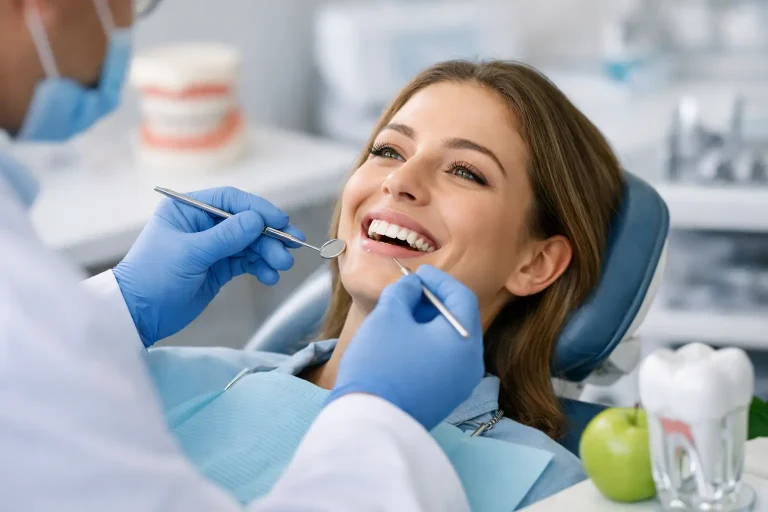
Tooth decay is one of the most common dental concerns, and in many cases, cavities can be treated with a simple filling. However, when a cavity becomes larger or affects a significant portion of the tooth, the decision between a filling and a crown becomes more important.

Both restorations are designed to repair damaged teeth and restore normal function, but they work differently and are recommended for different levels of tooth damage. Understanding the differences between crowns and fillings can help patients better understand their treatment options and why a dentist may recommend one over the other.

How Dental Fillings Work

Dental fillings are commonly used to restore teeth affected by small to moderate cavities.

During treatment, the decayed portion of the tooth is removed and replaced with a restorative material, often a tooth-coloured composite resin. The goal is to rebuild the missing area while preserving as much healthy tooth structure as possible.

Because fillings are conservative restorations, they are often preferred when enough natural tooth remains strong and stable after the decay is removed.

What Makes a Crown Different?

A dental crown covers the entire visible portion of a tooth rather than only the damaged area.

Crowns are typically recommended when a tooth has extensive decay, fractures, or weakened enamel that may not be adequately supported by a filling alone. By surrounding the tooth, the crown helps distribute biting pressure more evenly and protects the remaining structure from further damage.

Crowns are custom-made to match the shape and appearance of the natural tooth and may be fabricated from porcelain, ceramic, zirconia, or other durable materials.

The Size of the Cavity Matters

One of the main factors influencing treatment choice is the amount of healthy tooth structure remaining.

Small cavities often respond well to fillings because the surrounding tooth remains strong enough to support normal chewing forces. However, as cavities grow larger, the remaining tooth walls may become thinner and more vulnerable to cracking.

In these situations, placing a large filling may not provide enough reinforcement for long-term stability. A crown may be recommended instead because it provides greater structural protection.

This is especially common for molars, which absorb substantial pressure during chewing.

Durability and Longevity

Both crowns and fillings can last many years with proper care, but their durability differs depending on the extent of damage and bite pressure.

Large fillings may eventually wear down, crack, or loosen if the surrounding tooth structure is weak. Crowns generally offer more comprehensive protection for heavily restored teeth because they cover the full tooth surface.

Factors affecting restoration longevity include:

  • Oral hygiene habits
  • Teeth grinding
  • Bite alignment
  • Diet
  • Regular dental checkups
  • Material selection

No restoration lasts forever, but maintaining good oral care habits can significantly extend the lifespan of both crowns and fillings.

Treatment Process and Time Commitment

Fillings are usually completed during a single dental appointment and require minimal tooth preparation.

Crowns typically involve a more detailed process. The tooth must first be reshaped so the crown fits securely, and impressions or digital scans are taken to create the custom restoration. In some cases, patients wear a temporary crown until the final one is ready.

Although crowns generally involve more time and preparation, they may provide better long-term protection for teeth with extensive damage.

Patients exploring restorative options for weakened teeth often review dental crown in Cambridge to better understand when full-coverage restorations may be appropriate.

Cost Considerations

Fillings are generally less expensive upfront because they involve less material and laboratory work.

Crowns typically cost more due to the customized fabrication process and the additional steps involved in treatment. However, treatment recommendations are usually based on preserving the integrity of the tooth rather than short-term cost alone.

In some cases, selecting a restoration that offers stronger long-term support may help reduce the risk of future fractures or additional procedures.

Why Delaying Treatment Can Be Risky

Large cavities tend to worsen over time if left untreated. As decay progresses deeper into the tooth, patients may become more vulnerable to:

  • Tooth fractures
  • Severe pain or sensitivity
  • Infection
  • Root canal treatment
  • Tooth loss

Early intervention may help preserve more of the natural tooth and expand available treatment options.

FAQs

How do dentists decide between a filling and a crown?

The decision depends largely on how much healthy tooth structure remains after decay removal and whether the tooth can withstand normal chewing forces safely.

Can a filling be too large for a tooth?

Yes. Very large fillings may weaken the remaining tooth structure and increase the risk of fractures over time.

Are crowns more durable than fillings?

Crowns generally provide more structural protection because they cover the entire tooth rather than only the damaged portion.

Does getting a crown hurt?

Local anesthesia is typically used during crown preparation to keep patients comfortable throughout the procedure.

Can an old filling eventually require a crown?

Yes. Teeth with repeated decay or multiple large fillings may eventually require crowns if the tooth becomes weakened.

Patients with large cavities or weakened teeth should consider scheduling a professional dental evaluation at Cambridge Centre Dental Care to determine whether a filling or crown may offer the most appropriate long-term protection and function.

MADE Collagen, frequently referred to in Thailand as ฉีดมาเด้ลดสิว, is a homeopathic-based skin rejuvenation treatment designed to restore biological balance from within. Unlike traditional topical treatments, it aims to support cellular detoxification and improve microcirculation. It is a favored choice for individuals managing chronic acne, persistent dullness, or heightened skin sensitivity.

The treatment is designed to facilitate a “skin detox” by supporting the lymphatic system and reducing internal inflammation. This process encourages natural recovery, leading to a clearer complexion and a reduction in recurring breakouts. However, achieving these results requires a systematic approach, as the outcome depends heavily on the individual’s skin health and adherence to the recommended protocol.

How Does MADE Collagen Improve Skin Concerns?

MADE Collagen (ฉีดมาเด้ลดสิว) Injections help improve skin problems by supporting the skin’s internal balance and overall function. The treatment is designed to assist in reducing toxin buildup, improving microcirculation, and calming inflammation within the skin. As a result, it may help decrease acne breakouts, reduce skin dullness, and improve overall skin clarity.

By working on skin detoxification and regulation processes, Made injections aim to create a healthier skin environment where new breakouts are less likely to form and existing skin concerns gradually improve. However, results can vary depending on individual skin conditions, lifestyle, and aftercare routine.

How Many MADE Collagen Sessions Are Needed to See Visible Results?

Typically, MADE Collagen (ฉีดมาเด้ลดสิว) injections start showing noticeable improvements within the first 2-4 sessions, such as smoother skin texture, reduced inflammation, and fewer new breakouts. However, for clearer and longer-lasting results, a full course of about 4-8 sessions is usually recommended, depending on individual skin conditions.

In the beginning, treatments may be done once a week. As the skin improves, the interval can be extended to once every 2-4 weeks to help maintain balanced and healthy skin.

Factors That Influence How Quickly MADE Collagen Show Results

1. Consistency of the treatment course: Made injections are not a one-time treatment. They should be done consistently during the initial phase. In general, doctors recommend completing a full course to allow the skin to fully rebalance. Stopping halfway may lead to less noticeable results.

2. Skincare and lifestyle habits: Even with Made injections, poor sleep, oily food consumption, or high stress levels can still trigger breakouts. Proper self-care plays a key role in enhancing and maintaining results.

3. Initial skin condition: Individuals with chronic inflammatory acne or hormonal imbalances may take longer to respond to treatment. In contrast, those with milder skin concerns often see faster and more noticeable improvements.

Key Factors in Choosing a Safe and Reliable Clinic for MADE Collagen

Choosing the right clinic is very important because it directly affects both safety and treatment results. Selecting a reliable provider helps ensure a safer procedure and more effective, consistent results. Here is a key checklist to consider:

1. Check the medication and its source

You should choose a clinic that uses genuine Made products with proper import authorization and verifiable information. This includes clear labeling, batch numbers, import documents, or even opening the product in front of patients before injection. These practices ensure transparency, reduce the risk of counterfeit products, and increase confidence in treatment safety.

2. Experience and expertise of the doctor

The procedure should be performed by a doctor experienced in dermatology or aesthetic medicine. They should be able to carefully analyze different skin conditions such as inflammatory acne, hormonal acne, clogged pores, or allergy-related acne, and create a personalized treatment plan. Clear explanation of the treatment plan before starting is also essential for safety and patient confidence.

3. Clinic standards and hygiene

The clinic must be properly licensed by the Ministry of Public Health and maintain strict hygiene standards. This includes proper sterilization of equipment, use of sterile needles, appropriate treatment room separation, and a structured patient care system covering consultation, procedure, and aftercare. Medical records should also be systematically maintained to ensure patient safety.

4. Skin assessment before treatment

A good clinic should conduct a detailed skin analysis before starting the treatment, including oil levels, dryness, sensitivity, clogged pores, and acne tendencies, as well as daily skincare habits. This allows for a personalized treatment plan, improving effectiveness, reducing irritation risks, and helping patients achieve faster and more visible results.

5. Real user reviews and results

You should consider real patient reviews in terms of results, safety, and aftercare service from multiple sources such as social media, websites, video reviews, or before-and-after cases. Relying on only one source is not recommended. It is also important to observe long-term results, such as sustained acne reduction or recurrence patterns, to evaluate treatment effectiveness more accurately.

MADE Collagen is a skin-rejuvenation treatment that helps restore skin balance, reduce inflammation, and support detoxification from within, making it suitable for acne-prone, dull, or sensitive skin. Most people start to see improvements after 2-4 sessions, while a full course of around 4-8 sessions is recommended for more stable results.

Effectiveness depends on consistency, lifestyle habits, and individual skin conditions.

Choosing a safe clinic is essential-look for genuine products, experienced doctors, proper medical standards, and clear skin assessment before treatment.

Choosing a standardized clinic such as Better Me Clinic helps ensure both safety and more effective results, along with close professional care throughout every step of the treatment process. All of these factors contribute to safer MADE Collagen (ฉีดมาเด้ลดสิว) and more consistent, satisfying outcomes.

You already understand why respite care matters. I focus on this topic because many families struggle to balance care, work, and personal health over long periods. I look at providers based on consistency, staff training, flexibility, and how well care fits into real daily routines. You benefit because this helps you avoid trial and error and make choices that protect both you and the person you support. I will explain how Australia in-home respite care works, how to think about costs and options, and how to choose a provider that delivers reliable support without disruption. Early on, it helps to review options like disability respite care that allow care to happen at home while giving carers time to rest and reset.

Why In-Home Respite Care Matters

I see many carers reach burnout because support arrives too late or feels hard to arrange. Respite care at home gives you breathing room without removing familiar surroundings. That matters for people who rely on routine, comfort, and trust.

In-home respite care allows a trained respite carer to step in for short or extended periods. Care continues while you rest, work, or manage personal needs. This protects long-term wellbeing for both sides of the care relationship.

You gain flexibility, reduced stress, and continuity. The person receiving care stays in a known space with familiar routines intact.

Understanding Respite Care Options in Australia

Australia offers several respite care paths. Each fits a different need.

Respite care at home focuses on short-term support delivered in the person’s own living space. This works well for ongoing disability support and aged care needs.

Residential respite involves temporary stays in supported accommodation. This suits situations where higher supervision is required or when home care is not possible.

Emergency or overnight respite supports urgent needs, hospital discharge, or sudden changes in care availability.

I advise starting with in-home respite if stability and comfort matter most. Residential respite can serve as a backup when care needs change.

What a Respite Carer Provides

A respite carer supports daily life while maintaining dignity and safety. I suggest reviewing what care includes before committing.

Support often covers:

  • Personal care such as hygiene and mobility support
  • Medication assistance aligned with clinical standards
  • Meal planning and preparation
  • Household tasks like cleaning and laundry
  • Community access and appointment support

For complex needs, trained carers manage advanced care tasks under supervision. This includes neurological conditions, recovery support, and end-of-life care.

How to Think About Respite Care Costs

Respite care cost varies based on hours, care complexity, and funding type. I advise you to review funding options early to reduce stress.

Costs depend on:

  • Level of clinical support required
  • Length and timing of care
  • Daytime, overnight, or emergency needs
  • Funding source such as NDIS, aged care, or private payment

In-home respite care often costs less than residential options when care needs are planned. Flexible scheduling helps you control expenses while maintaining quality support.

Why ONCALL Stands Out for In-Home Respite Care

When comparing providers, I look at training depth, consistency, and coverage. ONCALL meets these criteria across Australia.

They deliver in-home respite care across Queensland, Victoria, South Australia, New South Wales, and regional areas. Their services focus on fitting care into daily life rather than forcing change.

Key strengths include:

  • More than 30 years of experience across disability and community care
  • Trained respite carers skilled in complex and clinical support
  • Flexible care plans that adjust as needs change
  • Coverage for short-term, overnight, and ongoing respite
  • Support available through NDIS, aged care, and private arrangements

They approach respite as a partnership. Care plans reflect personal routines, health needs, and preferences without disruption.

Complex Care and Specialised Respite Support

Some families need advanced support. I recommend confirming clinical capability before choosing any provider.

ONCALL supports individuals living with neurological conditions, brain injury, spinal cord injury, early onset dementia, and palliative needs. Their carers receive training in medication management, feeding support, continence care, and crisis response.

Care is supervised through clinical frameworks that protect safety and continuity. This allows families to step away with confidence during respite periods.

Activity-Based Respite and Wellbeing Support

Respite care should support wellbeing, not just cover tasks. I suggest choosing providers that include meaningful engagement.

ONCALL offers tailored activity packages aligned with personal interests. Options may include:

  • Social outings and companionship
  • Nature-based activities such as gardening
  • Wellness and relaxation support

Activities remain optional and guided by individual preference. This keeps respite positive and supportive rather than restrictive.

How to Choose the Right Respite Care Provider

I advise focusing on reliability and fit rather than price alone. Ask clear questions and review care planning processes.

Look for:

  • Clear care plans and reporting
  • Trained respite carers with clinical oversight
  • Flexible scheduling options
  • Coverage across short-term and complex needs
  • Respect for personal routines and independence

A strong provider protects both the person receiving care and the carer stepping away.

Final Guidance for Carers Considering Respite Care

Respite care at home gives you space to recover without breaking routines. When delivered well, it supports long-term care stability and personal wellbeing.

I recommend choosing providers with proven experience, trained staff, and flexible care models. ONCALL fits these needs by delivering structured, respectful, and adaptable in-home respite care across Australia.

You gain peace of mind, time to reset, and confidence that care continues safely while you step back.

Many parents do not realize how closely a child’s teeth are connected to speech development. Teeth help children form sounds, say words clearly, and speak with confidence. Many families planning orthodontic care also consider Invisalign cost when evaluating treatment options. Without teeth, children would have a hard time talking and eating. Teeth can even affect a child’s voice and language skills as they grow.

Speech and language development begins early in life. Around the age of one, children start to combine sounds and use simple words to ask for things. This is also the time when children usually have their first dental visit. As children learn to talk, they also learn how to move their mouth, tongue, and lips to make sounds. Healthy teeth help guide where sounds are made in the mouth, which improves speech over time.

Teeth play a big role in articulation, which means making sounds clearly. Some sounds are more affected by teeth than others. For example, the “F” sound is made by placing the top teeth on the bottom lip. If a child does not have front teeth, this sound can be hard to say. The “S” sound is another example. Missing or unhealthy front teeth can cause the tongue to move too far forward, leading to a frontal lisp. In these cases, speech therapists help children relearn how to move their mouth correctly to make clear sounds.

Dentists also check other parts of the mouth that affect speech, such as the uvula. The uvula is the small piece of tissue that hangs at the back of the throat. Its job is to close off the nose so air can flow out of the mouth during speech. If the uvula does not work properly, speech can sound nasal or unclear. This can make it hard for others to understand the child, which may cause frustration.

The tongue and teeth are also very important for eating. Even if a child does not have all their teeth yet, they can still eat solid foods. The tongue moves food around the mouth and helps push it toward the molars, which chew and break it down. After chewing, the tongue forms the food into a small ball and helps the child swallow safely. Speech and occupational therapists can help children who have trouble with feeding or are very picky eaters.

Tongue ties are another issue that can affect speech and feeding. A tongue tie restricts the tongue’s range of movement. This can make breastfeeding difficult for babies and speech difficult for older children. Dentists and speech therapists often work together to decide the best treatment.

Finally, drinking enough water is very important for both speech and oral health. Water keeps the voice clear and healthy. Sugary and caffeinated drinks can cause cavities and make the voice sound raspy or hoarse. Encouraging children to drink more water can help protect their teeth and improve their speech.