Author

Christian E. Gonzalez

Browsing

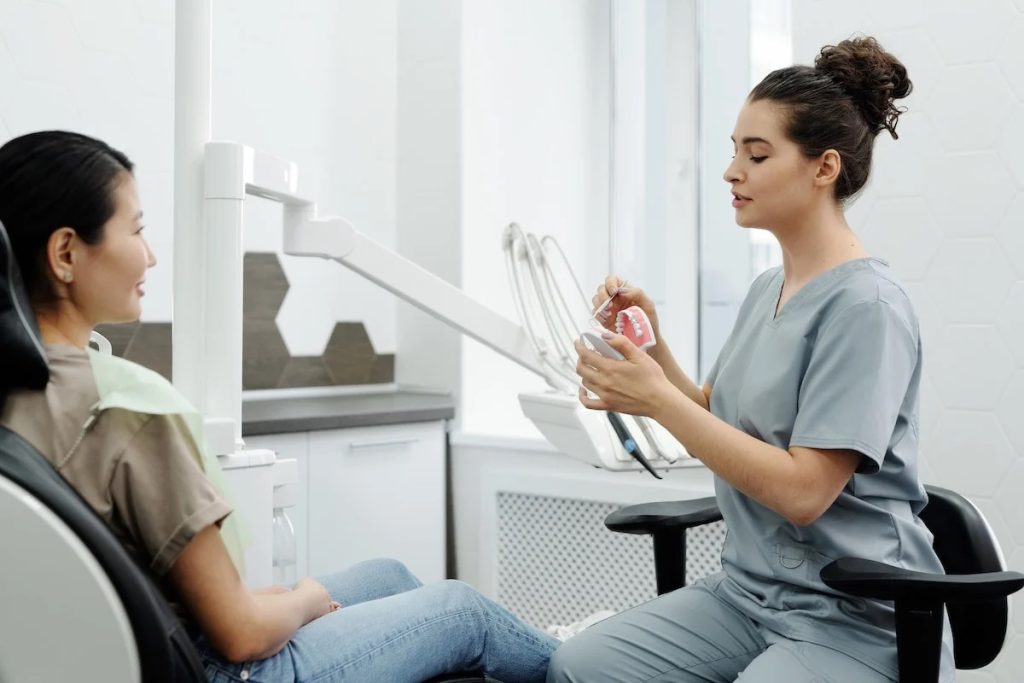
Many parents do not realize how closely a child’s teeth are connected to speech development. Teeth help children form sounds, say words clearly, and speak with confidence. Many families planning orthodontic care also consider Invisalign cost when evaluating treatment options. Without teeth, children would have a hard time talking and eating. Teeth can even affect a child’s voice and language skills as they grow.

Speech and language development begins early in life. Around the age of one, children start to combine sounds and use simple words to ask for things. This is also the time when children usually have their first dental visit. As children learn to talk, they also learn how to move their mouth, tongue, and lips to make sounds. Healthy teeth help guide where sounds are made in the mouth, which improves speech over time.

Teeth play a big role in articulation, which means making sounds clearly. Some sounds are more affected by teeth than others. For example, the “F” sound is made by placing the top teeth on the bottom lip. If a child does not have front teeth, this sound can be hard to say. The “S” sound is another example. Missing or unhealthy front teeth can cause the tongue to move too far forward, leading to a frontal lisp. In these cases, speech therapists help children relearn how to move their mouth correctly to make clear sounds.

Dentists also check other parts of the mouth that affect speech, such as the uvula. The uvula is the small piece of tissue that hangs at the back of the throat. Its job is to close off the nose so air can flow out of the mouth during speech. If the uvula does not work properly, speech can sound nasal or unclear. This can make it hard for others to understand the child, which may cause frustration.

The tongue and teeth are also very important for eating. Even if a child does not have all their teeth yet, they can still eat solid foods. The tongue moves food around the mouth and helps push it toward the molars, which chew and break it down. After chewing, the tongue forms the food into a small ball and helps the child swallow safely. Speech and occupational therapists can help children who have trouble with feeding or are very picky eaters.

Tongue ties are another issue that can affect speech and feeding. A tongue tie restricts the tongue’s range of movement. This can make breastfeeding difficult for babies and speech difficult for older children. Dentists and speech therapists often work together to decide the best treatment.

Finally, drinking enough water is very important for both speech and oral health. Water keeps the voice clear and healthy. Sugary and caffeinated drinks can cause cavities and make the voice sound raspy or hoarse. Encouraging children to drink more water can help protect their teeth and improve their speech.

Glowing skin is a universal desire, but it does not have to be difficult. When performed correctly, a basic program may produce incredible outcomes. You can maintain your skin bright, vibrant, and fresh by taking care of it from dawn to dusk. You merely need the appropriate items, not many. Consistency is key, but Eminence organics​ provides natural, healthy options to suit your regimen. Taking a few simple daily actions can help you achieve radiant, healthy skin and boost your self-esteem every time you face the mirror.

Find below five ways in which you can unlock glowing skin with this simple morning-to-night beauty routine plan.

Start Your Morning With A Gentle Cleanse

When you wash your face in the morning, you eliminate sweat, oil, and any accumulation from the previous night. Use a mild cleanser that does not cause skin stripping. Your face should feel cleansed but not constricted after using it. This helps other products perform better and gets your skin ready for the day. Use only products designed for your skin type, whether it is sensitive, oily, or dry.

Hydrate And Protect With Light Layers.

Hydration is essential for glowing skin. After cleaning, use a mild serum with vitamin C or hyaluronic acid to preserve moisture and brighten your skin. Then, use a mild moisturizer to maintain the softness of your skin throughout the day. A hydrating spray might be a quick remedy without affecting your makeup if your skin feels dry during the day.

Never Skip Sunscreen Before You Head Out.

Sun damage can hasten aging and dim your radiance. Even on overcast days, always use a broad-spectrum sunscreen with at least SPF 30 in the morning. SPF is increasingly a common ingredient in moisturizers, which saves time throughout your regimen. Products from companies like Eminence Organics frequently combine natural ingredients with SPF to provide a calming and protective barrier for your skin.

End Your Day With A Clean Face And Treatments.

Your skin heals itself at night. Before going to bed, always wash your face and remove your makeup. Select a cleanser that effectively removes impurities without causing skin irritation. Then, based on your skin’s demands, use treatments like retinol-containing serums, peptides, or niacinamide. While you sleep, they aid in repairing, revitalizing, and regaining your shine.

Moisturize Deeply And Practice Skin-Loving Habits.

Use a heavier moisturizer to complete your nightly regimen after treatments. This keeps your skin supple till morning and locks in all the benefits. Remember the lifestyle choices that contribute to your glow, which include controlling stress, eating well, getting adequate sleep, and drinking enough water. How you treat your entire body is reflected in your skin.

To Sum Up

Your glow is the result of simple actions, care, and consistency, not chance. Day or night, follow a regimen that works for your skin type. You can have radiant skin every day if you follow the proper routine and use high-quality products like those from Eminence Organics. Treat your skin with kindness, and it will return the favour.

A thread lift is a cutting-edge procedure that gives the appearance of more youth without requiring invasive surgery. To raise the face, a thread is put into the skin, tightened, and then adjusted into the desired position. The patient’s skin texture and appearance are improved as the threads stay in place until they dissolve on their own. Additionally, the therapy promotes the creation of collagen, which results in tighter, firmer skin. Thread lifting can increase collagen levels because the human body produces less of it as we age.

Several typical facial aging symptoms can be treated using thread lifts, including the drooping cheeks, wrinkles, forehead, the jawline’s drooping skin, lines, and wrinkles surrounding the mouth.

The two most widely used methods for thread lift areCat/fox eye lift and Ponytail. The first one gives the eyes a beautiful upward tilt by concentrating on the creases on the upper eyelids. Just like a ponytail, the second one might provide the appearance of powerful revitalization by lifting upper face.

A surgical lift

This procedure in invasive when compared to thread lift. Surgery frequently requires multiple incisions, but threading does not.Depending on the locations being treated, a surgeon may make several skin incisions, such as below the chin, around the ears, or along the hairline. After improving the underlying area by realigning tissues and fat, they will lift the skin to give it a tighter, smoother look.

How is thread lifts performed?

To reduce discomfort during thread lifting for V-shaped face (ร้อยไหมหน้าเรียว, this is the term in the Thai), a local anesthetic is administered to the targeted locations. Threads are inserted beneath the skin’s surface using a needle or cannula. To meet the specific objectives of each patient, the thread is pulled and the tissues are raised into the proper position. Carefully clipping the ends of the threads allows them to remain in place and maintain the tissues’ elevation. The entrance and exit areas are treated with antibiotic ointment.

Thread Lift

How does surgery lift the skin?

Several steps are included in a surgical facelift. The purpose of anesthesia is to reduce pain. Depending on the patient and the amount of labor required, this could be either local or general. To keep scaring discrete, an incision is performed as gently as possible. Fat is either eliminated or redistributed to achieve the desired result. Tissues are also adjusted to create appearance of tighter skin. It is possible to eliminate extra skin. The skin is carefully adjusted before every incision is sealed with stitches that will eventually dissolve or be taken out. Sometimes skin glue might be used in its place.

What is the duration of the treatment?

Though it can vary, thread lifting typically takes an hour or so. The kind of lift and the particular requirements of the patient will determine this. After the professional has spoken with you about the procedure and your objectives, they will be able to provide you with a precise time limit during your appointment.

Lifting through surgery undoubtedly take more time than thread lifting. The amount of modification ultimately decides the amount of time the procedure will take. Longer treatments can take up to six hours to perform, while shorter ones might be finished in about two.

Every small aspect matters in the high-stakes field of healthcare, particularly when it comes to medical imaging correctness. The tools physicians use from digital X-rays to MRIs and CT scans must generate constantly accurate results. Medical calibration guarantees this consistency behind the scenes; it is a critical but frequently ignored operation. This procedure guarantees that medical equipment—imaging displays in particular—satisfies performance standards across time. Even the most cutting-edge imaging systems can provide inaccurate results without correct calibration, therefore affecting patient outcomes.

Software products such PerfectLum offer automated calibration and quality assurance tests to help buildings maintain compliance and image reliability, hence meeting this continuous demand for accuracy. To ensure they don’t diverge from ideal settings, a calibration software calibration program monitors luminance, contrast, and other display parameters. Robust automation from the QUBYX team improves this process by making sure that daily clinical practices include routine testing and validation, thereby removing human mistake and simplifying compliance with sector standards.

What is Medical Calibration?

Medical calibration is the procedure of fixing and validating medical equipment, especially imaging displays, such that their outputs match set tolerances. Essentially, it’s about guaranteeing that the scan images produced by the equipment match exactly what the radiologist views on their monitor—consistency is key here. The calibration process involves fine-tuning aspects like brightness, contrast, grayscale accuracy, and color fidelity, so the radiologist can interpret the images with complete confidence.

In a diagnostic environment, this level of accuracy isn’t optional—it’s absolutely critical. Even the smallest variation in tissue density or a subtle shadow on a lung scan can point to a serious medical issue. That’s why every detail in the calibration process plays a vital role in ensuring reliable, precise diagnoses.

These elements might be overlooked or incorrectly understood unless calibrated precisely. This is why calibration is a direct contributor to patient safety rather than just a technical procedure.

The Risks of Skipping Calibration

Regular monitor upkeep may sometimes get lost in hurried hospitals or imaging facilities. Regrettably, the effects might be severe. Over time, high-end medical monitors deteriorate as well. They could lose brightness, change colors, or fail to properly show contrast levels. Though they may not be seen by the human eye, these little alterations can result in major diagnostic mistakes.

Unreliable monitor performance might lead to missed diagnoses, overdiagnosis, or pointless further testing. From a legal and clinical perspective, healthcare providers cannot afford to take it. Consistent calibration guarantees that the monitor in use now is as precise as it was when it was initially set up.

Automation Makes It Easier

Modern calibration tools have helped to make this procedure much more bearable. Solutions that are creative provide automated calibration, monitoring, and reporting capabilities that help to lower the need for hand checks. These systems can store performance logs for audits or quality reviews, carry out background checks, and alert users when calibration is needed.

Apart from saving time, this automation lowers the possibility of human mistake. Without continuously having to schedule manual exams or depend on IT employees to handle compliance documentation, healthcare professionals can feel confident that their imaging displays are operating at top performance.

Medical calibration is more than just a technical need – it is a crucial component of providing top-notch care eventually.

  1. WHAT IS THE FUNCTION OF ENDOCANNABINOIDS?

Endocannabinoids are part of the body’s natural system that helps regulate various functions in the central nervous system. This system is known as the endocannabinoid system (ECS). It plays a crucial role in keeping the body balanced and maintaining things like mood, sleep, and pain. The chemicals in cannabis, such as THC, interact with the ECS, which is why people experience effects from marijuana. This system was discovered through research on marijuana’s effects, helping scientists understand more about how the body maintains balance or homeostasis. Visit here https://twdshop.co/product-category/weed-delivery-areas-in-toronto/vaughan-weed-delivery-same-day/

  1. WHAT IS MARIJUANA?

Marijuana, also called weed or pot, comes from the cannabis plant. It contains THC, a chemical that causes psychoactive or “high” effects when consumed. People use marijuana in different ways, such as smoking it in a joint, using a pipe or bong, or adding it to food. Some also brew it as tea. Marijuana is one of the most commonly used drugs in the United States, with nearly 12 million young adults using it in 2018 alone.

  1. HOW LONG DOES MARIJUANA STAY DETECTABLE?

Drug tests can detect marijuana for different lengths of time depending on the type of test:

  • Saliva test: Marijuana can be found in saliva for up to 34-48 hours after use.
  • Urine test: Occasional users test positive for 1-3 days, moderate users for up to 7-21 days, and heavy users for a month or more.
  • Hair test: Marijuana can be detected in hair for up to 90 days.
  • Blood test: It is visible in the blood for up to 36 hours after use.
  1. HOW TO REMOVE MARIJUANA FROM THE BODY FASTER?

The most effective way to clear marijuana from your body is to stop using it, a process known as detox. When detoxing, some people experience withdrawal symptoms such as headaches, irritability, depression, anxiety, trouble sleeping, and loss of appetite. Detox can be done naturally by following a healthy diet, drinking lots of water, exercising regularly, and avoiding caffeine. There are also detox kits, pills, and drinks available, but detoxing under medical supervision is recommended to avoid complications and relapses.

  1. EFFECTS OF MARIJUANA ON THE BODY AND BRAIN

When a person smokes marijuana, THC quickly enters the bloodstream and travels to the brain. The effects are usually felt within 30 minutes to an hour. Marijuana affects the brain in several ways:

  • Changes in senses and time perception
  • Mood swings
  • Memory problems
  • Hallucinations and delusions
  • Anxiety and fear
  • Difficulty thinking clearly
  • Increased appetite
  1. TREATMENT OPTIONS FOR MARIJUANA ABUSE

Currently, there are no medications specifically approved to treat marijuana addiction. Treatment usually involves behavioral therapies such as:

  • Motivational Enhancement Therapy (MET): Helps individuals find motivation to quit marijuana.
  • Cognitive Behavioral Therapy (CBT): Teaches users how to stop using marijuana and how to deal with problems that may arise.
  • Contingency Management: Offers rewards like vouchers to encourage abstinence.

Though medications may not treat addiction directly, some antidepressants can help manage withdrawal symptoms and prevent relapse.

Key Takeaways:

  • Personal trainer certification is crucial for aspiring fitness professionals to demonstrate their competence and qualifications.
  • Certified personal trainers provide numerous benefits, including personalized workout plans, guidance on proper techniques, and motivation.
  • Accreditation, curriculum, cost, and time commitment are important factors to consider when choosing a certification program.
  • Popular certification programs include ACE, NASM, ACSM, ISSA, and NSCA, each with its own unique features and specializations.
  • Less common but reputable certifications like NCSF and NFPT are worth exploring for specific niches or populations.
  • Obtaining and maintaining certification requires meeting prerequisites, passing exams, participating in continuing education, and staying updated.
  • Certifying organizations often provide support, resources, and networking opportunities for certified personal trainers.

1. Understanding the Importance of Personal Trainer Certification

Why Is Personal Trainer Certification Necessary?

Personal trainer certification is a crucial step for anyone aspiring to become a professional in the fitness industry. It not only demonstrates your competence and knowledge in the field but also assures potential clients that you have the necessary qualifications to guide them on their fitness journey.

By completing a personal trainer certification program, you acquire the skills and expertise needed to design safe and effective exercise programs, assess clients’ fitness levels, and provide valuable guidance on nutrition and lifestyle modifications.

Moreover, personal trainer certification is often a requirement for employment at reputable fitness facilities, as it ensures that trainers meet certain industry standards and uphold ethical practices.

Benefits of Hiring a Certified Personal Trainer

When it comes to working out, having a certified personal trainer by your side can make all the difference. Certified personal trainers possess the knowledge and experience to create personalized workout plans that cater to your specific goals, whether it’s weight loss, strength training, or overall fitness.

Furthermore, certified trainers can provide guidance on proper exercise techniques, helping you avoid injuries and maximize the effectiveness of your workouts. They are also well-versed in anatomy and physiology, allowing them to understand how different exercises and movements impact your body.

Additionally, certified personal trainers can offer valuable support and motivation, holding you accountable and pushing you to achieve your fitness goals. They can help you overcome plateaus, adapt your workouts as you progress, and provide a fresh perspective on your fitness journey.

The Role of Certification in Ensuring Quality Training

Personal trainer certification plays a crucial role in maintaining quality standards within the fitness industry. Certified trainers have undergone comprehensive training and education, equipping them with the knowledge and skills necessary to provide safe and effective training to their clients.

By choosing a certified personal trainer, you can have confidence in their ability to design workouts that align with your individual needs and goals, taking into account any specific health considerations or limitations you may have.

Moreover, certified trainers must adhere to a code of ethics, which ensures professionalism, confidentiality, and respect for clients’ boundaries. This code of conduct protects clients and helps build trust and rapport between trainers and those they train.

2. Criteria for Choosing the Best Personal Trainer Certification

Accreditation: Is the Certification Recognized and Respected?

What is the best personal trainer certification? One of the most important factors to consider when choosing a personal trainer certification is accreditation. Accreditation ensures that the certification program meets certain industry standards and is recognized and respected by fitness professionals and employers.

Look for certifications that are accredited by reputable organizations such as the National Commission for Certifying Agencies (NCCA) or the European Health & Fitness Association (EHFA). These organizations evaluate certification programs based on criteria such as content validity, administrative processes, and psychometric soundness.

An accredited certification not only demonstrates that you have received a quality education but also enhances your credibility and employability within the fitness industry.

Curriculum and Course Content: What Does the Certification Cover?

When evaluating different personal trainer certifications, it’s important to thoroughly examine the curriculum and course content. A comprehensive certification program should cover topics such as exercise science, anatomy and physiology, exercise programming and prescription, nutrition, and client assessment.

Consider whether the certification provides in-depth knowledge on these topics and whether the course materials are up-to-date with the latest research and industry best practices. Additionally, look for certifications that offer practical experience and hands-on training to ensure you are well-prepared to work with clients in real-world settings.

Cost and Time Commitment: Finding the Right Program

Another crucial aspect to consider when choosing a personal trainer certification is the cost and time commitment required to complete the program. Certification programs can vary greatly in terms of duration and cost, so it’s important to find a program that fits your budget and schedule.

While it’s tempting to opt for the most affordable option, keep in mind that cheaper certifications may not hold the same level of recognition and respect within the industry. On the other hand, more expensive certifications may provide additional benefits such as extensive study materials, ongoing support, and job placement assistance.

Consider your goals, budget, and time availability when selecting the right certification program for you. Remember that investing in a reputable certification is a worthwhile investment in your professional development and future success as a personal trainer.

3. Popular Personal Trainer Certification Programs in the Fitness Industry

Comparing ACE, NASM, and ACSM Certifications

ACE (American Council on Exercise), NASM (National Academy of Sports Medicine), and ACSM (American College of Sports Medicine) are among the most popular and well-respected personal trainer certification programs in the fitness industry.

ACE certification is known for its emphasis on practical application and real-world scenarios. Their curriculum covers a wide range of topics, including behavior change, program design, and client motivation.

NASM certification focuses on evidence-based practices and uses a systematic approach to assess, correct, and strengthen movement patterns. They provide specialized certifications in areas such as corrective exercise, performance enhancement, and fitness nutrition.

ACSM certification is highly regarded for its scientific rigor and comprehensive coverage of exercise science. Their curriculum includes topics such as exercise physiology, biomechanics, and exercise prescription for special populations.

When choosing between these certifications, consider your individual learning style, career goals, and the specific populations you wish to work with.

Unique Features and Specializations of ISSA and NSCA Certifications

The ISSA (International Sports Sciences Association) and NSCA (National Strength and Conditioning Association) certifications offer unique features and specializations that may be of interest to aspiring personal trainers.

ISSA certification stands out for its flexible study options, allowing individuals to complete the program at their own pace. They offer a variety of specialized certifications, including fitness nutrition, strength and conditioning, and exercise therapy.

NSCA certification is highly recognized in the field of strength and conditioning. They provide certifications for both personal trainers and strength and conditioning specialists, with a focus on sports performance and athletic training.

Consider your interests and career aspirations when exploring these certifications, as they may align with specific niches or client populations you wish to serve.

Exploring Less Common but Reputable Certifications

In addition to the well-known certifications mentioned above, there are several less common but reputable certifications worth exploring.

The NCSF (National Council on Strength and Fitness) certification is recognized for its focus on functional training and sports performance. They provide certifications for personal trainers, strength coaches, and medical exercise specialists.

The CPT (Certified Personal Trainer) certification offered by the NFPT (National Federation of Professional Trainers) is known for its comprehensive coverage of exercise science, anatomy, and client assessment. They also provide business support and continuing education opportunities for their certified trainers.

When considering these less common certifications, research their curriculum, accreditation status, and reputability within the fitness industry.

4. The Process of Obtaining and Maintaining Personal Trainer Certification

Prerequisites and Exam Requirements

The requirements for obtaining personal trainer certification can vary depending on the certifying organization. However, most certifications require candidates to have a high school diploma or equivalent and be CPR/AED certified.

Once the prerequisites are met, candidates must pass an exam to demonstrate their knowledge and competency in the field. The exam may consist of multiple-choice questions, practical demonstrations, and case studies.

It is essential to thoroughly review the exam requirements and study materials provided by the certifying organization to increase your chances of success.

Continuing Education and Recertification: Staying Up-to-Date

Personal trainer certification is not a one-time achievement. To maintain your certification and stay up-to-date with the latest industry trends and research, you will need to participate in continuing education activities and recertify periodically.

Continuing education can include attending workshops, conferences, or webinars, completing online courses, or obtaining additional specialized certifications. These activities not only enhance your knowledge but also demonstrate your commitment to professional growth.

Recertification requirements vary among certifying organizations but often involve earning a certain number of continuing education credits and renewing CPR/AED certification. It’s crucial to familiarize yourself with the recertification process to ensure you meet all the necessary requirements.

Support and Resources for Certified Personal Trainers

Many certifying organizations provide ongoing support and resources for certified personal trainers. This support can include access to educational materials, online communities, job boards, insurance options, and networking opportunities.

Take advantage of these resources to improve your skills, expand your professional network, and stay connected with the fitness community. They can provide valuable insights, mentorship, and career development opportunities.

Additionally, consider joining professional associations such as the IDEA Health and Fitness Association or the National Strength and Conditioning Association, which offer a wealth of resources and benefits for fitness professionals.

By understanding the importance of personal trainer certification, criteria for choosing the best certification, exploring popular certification programs, and learning about the process of obtaining and maintaining certification, you are well-equipped to make an informed decision on your personal trainer certification journey. Remember, selecting the right certification program is an investment in your future as a knowledgeable, skilled, and respected personal trainer.

FAQ

Question: What are the benefits of hiring a certified personal trainer? – Hiring a certified personal trainer can provide numerous benefits such as personalized workout plans, guidance on proper techniques, and motivation. They have the knowledge and experience to help you achieve your specific fitness goals and can offer support to overcome plateaus and adapt your workouts as you progress.

Question: What role does certification play in ensuring quality training? – Personal trainer certification ensures that trainers have undergone comprehensive training, possess the necessary knowledge and skills, and adhere to a code of ethics. This guarantees professional conduct, confidentiality, and respect for clients’ boundaries, ultimately building trust and rapport between trainers and clients.

Question: What criteria should I consider when choosing a personal trainer certification? – When selecting a personal trainer certification, consider factors such as accreditation, curriculum, cost, and time commitment. Look for certifications that are accredited by reputable organizations, provide comprehensive coverage of relevant topics, fit your budget and schedule, and offer additional benefits like study materials and support.

Question: What are some popular personal trainer certification programs? – Some popular personal trainer certification programs include ACE, NASM, ACSM, ISSA, and NSCA. Each program has its own unique features and specializations, so consider your learning style, career goals, and the specific populations you wish to work with when choosing between them.

Question: Are there any less common but reputable personal trainer certifications worth exploring? – Yes, there are several less common but reputable certifications worth exploring. The NCSF offers certifications for personal trainers, strength coaches, and medical exercise specialists with a focus on functional training and sports performance. The NFPT’s CPT certification provides comprehensive coverage of exercise science, anatomy, and client assessment, along with business support and continuing education opportunities.

Question: What is the process of obtaining and maintaining personal trainer certification? – The process of obtaining personal trainer certification typically involves meeting prerequisites, such as having a high school diploma and CPR/AED certification, and passing an exam to demonstrate knowledge and competency. To maintain certification, personal trainers must participate in continuing education activities and recertify periodically by earning a certain number of continuing education credits and renewing CPR/AED certification.

Question: What kind of support and resources are available for certified personal trainers? – Many certifying organizations provide ongoing support and resources for certified personal trainers. These can include access to educational materials, online communities, job boards, insurance options, and networking opportunities. Joining professional associations such as the IDEA Health and Fitness Association or the National Strength and Conditioning Association can also provide additional resources and benefits for fitness professionals.

Question: How does personal trainer certification benefit aspiring professionals and potential clients? – Personal trainer certification benefits aspiring professionals by demonstrating competence and qualifications in the fitness industry, enhancing their credibility and employability. It benefits potential clients by assuring them that their trainer has the necessary qualifications to guide them on their fitness journey and provide safe and effective

Introduction:

Venous disease, though often overlooked, can significantly impact one’s health and quality of life if left untreated. Recognizing the early signs and symptoms is crucial for timely intervention and effective management. In this comprehensive guide, we’ll shed light on the various manifestations of venous disease, empowering you to take proactive steps towards seeking expert care. Plus, we’ll direct your attention to the leading vascular surgeon in Calicut, offering specialized treatment and compassionate care.

Understanding Venous Disease:

Before we delve into the symptoms, let’s gain a basic understanding of venous disease. Our veins play a vital role in returning blood to the heart, overcoming gravity to ensure efficient circulation. However, various factors such as age, genetics, lifestyle, and underlying health conditions can impair venous function, leading to the development of venous disease.

Venous disease encompasses a spectrum of conditions, including:

  1. Varicose Veins: These enlarged, twisted veins often appear as bulging, bluish cords beneath the skin’s surface. Varicose veins typically occur in the legs and may cause discomfort, heaviness, and aching sensations.
  2. Spider Veins: Unlike varicose veins, spider veins are smaller, dilated blood vessels that appear close to the skin’s surface. They often resemble spider webs or tree branches and may cause itching or burning sensations.
  3. Chronic Venous Insufficiency (CVI): CVI occurs when the valves within the veins fail to function properly, leading to blood pooling in the legs. Symptoms may include swelling, skin discoloration, leg ulcers, and a sensation of heaviness or tiredness in the legs.
  4. Deep Vein Thrombosis (DVT): DVT occurs when a blood clot forms within a deep vein, typically in the legs. This condition can be life-threatening if the clot dislodges and travels to the lungs, causing a pulmonary embolism. Symptoms of DVT may include swelling, pain, warmth, and redness in the affected limb.

Identifying Early Symptoms:

Early detection of venous disease is key to preventing complications and improving outcomes. Here are some common signs and symptoms to watch out for:

  1. Visible Vein Abnormalities: Pay attention to any visible changes in the appearance of your veins, such as bulging, twisting, or discoloration, especially in the legs.
  2. Leg Discomfort: Persistent leg discomfort, such as aching, heaviness, cramping, or throbbing, particularly after prolonged standing or sitting, may indicate underlying venous insufficiency.
  3. Swelling: Unexplained swelling, especially in the ankles, calves, or feet, that doesn’t resolve with rest or elevation warrants further evaluation, as it could be a sign of impaired venous function.
  4. Skin Changes: Keep an eye out for skin changes, including redness, itching, dryness, or thickening, particularly around the ankles or lower legs. Discoloration or the development of ulcers on the skin may also indicate advanced venous disease.
  5. Fatigue and Restlessness: If you experience persistent fatigue or restlessness in your legs, especially at night, it could be a sign of underlying venous insufficiency.

Seeking Expert Care:

If you notice any of the aforementioned symptoms or have concerns about your venous health, it’s essential to consult a qualified vascular surgeon for a comprehensive evaluation and personalized treatment plan.

For residents of Calicut and surrounding areas, the leading vascular surgeon in Calicut offers expertise in diagnosing and treating a wide range of venous disorders. With advanced diagnostic capabilities and state-of-the-art treatment modalities, they provide compassionate care aimed at improving venous circulation and enhancing overall well-being.

Conclusion:

Early detection of venous disease is crucial for preventing complications and optimizing treatment outcomes. By familiarizing yourself with the early signs and symptoms, you can take proactive steps towards preserving your venous health. Remember, if you suspect you may have venous disease, don’t hesitate to seek expert care from the leading vascular surgeon in Calicut. Your journey to healthier veins starts here.

Introduction Finding the right dentist for your dental implant needs is crucial for a successful and comfortable experience. Dental implants are a popular and effective way to replace missing teeth, but the success of the procedure largely depends on the skill and experience of the dentists performing it. In this article, we will discuss how to find the right dentist for your dental implant needs, as well as the importance of having access to emergency dental care in case of any complications.

  1. Research Potential Dentists Start by researching potential dentists in your area who specialize in dental implants. You can use online resources such as search engines, dental association websites, and online directories to find dentists in your area. Look for dentists who have experience with dental implant procedures and a good reputation.
  2. Check Credentials and Experience Once you have a list of potential dentists, check their credentials and experience. Look for dentists who are board-certified and have completed additional training in dental implantology. It’s also important to consider how long the dentist has been practicing and how many dental implant procedures they have performed.
  3. Read Reviews and Ask for Recommendations Reading online reviews can give you an idea of what to expect from a particular dentist. Look for reviews that mention the dentist’s skill, bedside manner, and the overall experience of the procedure. You can also ask friends, family members, or your regular dentist for recommendations.
  4. Schedule a Consultation Before making a decision, schedule a consultation with the dentist to discuss your dental implant needs. During the consultation, ask about the dentist’s experience with dental implants, the types of implants they use, and what to expect during the procedure. This is also a good time to ask about the cost of the procedure and any financing options that may be available.
  5. Consider the Dentist’s Approach Pay attention to the dentist’s approach during the consultation. A good dentist will take the time to listen to your concerns and answer your questions thoroughly. They should also be able to explain the dental implant procedure in a way that is easy to understand. Additionally, consider the dentist’s bedside manner and how comfortable you feel with them.
  6. Ask About Emergency Dental Care In addition to finding a dentist who is skilled in dental implants, it’s also important to consider their availability for emergency dental care. Dental emergencies can happen, and you’ll want to know that your dentist is available to help if you experience any issues with your dental implants. Ask about their emergency dental care policy and how quickly they can accommodate emergencies.

Conclusion

Finding the right dentist for your dental implant needs is an important decision that can have a significant impact on your oral health and overall well-being. By researching potential dentists, checking their credentials and experience, reading reviews, asking for recommendations, scheduling a consultation, considering their approach, and asking about emergency dental care, you can find a dentist who is skilled, experienced, and able to meet your dental implant needs.

You are unable to set aside time in your daily schedule to attend to your health. There’s a possibility that you will experience physical pain if you continue working nonstop. There are moments when it creates a busy area. Selecting some alternate remedies won’t always be feasible during that period. Even when you utilize the supplements, they only temporarily provide relief; after that, you start to worry. If you want a long-term solution, consider using CBD oil, which will improve your condition right away. You can use it without reluctance on a regular basis in your daily life.

And What About Those Potent Energy Enhancers?

The CBD oil you consume has the ability to relieve muscle aches, and athletes frequently utilize this oil. All kinds of people who want to get the greatest possible benefits use it. This oil is beneficial for reducing inflammation, anxiety, sleeplessness, and other major concerns. Find the best CBD oil available on the market and purchase it to get the greatest benefits. Using it on a regular basis result in positive changes in your body and mind.

How Should CBD Oils Be Applied?

When using it for the first time, you could feel a little puzzled about whether applying it or mixing it with other components requires extra work or not. It is simple to use, though; simply apply it to the troublesome area and gently massage it for a few minutes. You will feel better when you realize that the pain is no longer in that particular location, which will take some time to pass. Look for evaluations that help you comprehend and examine every aspect of the product you plan to use. Additionally, this oil can improve your quality of sleep. When you get enough sleep, your stress level progressively drops to a low level, allowing you to wake up feeling rejuvenated the following morning.

Your Skin Is Nourished with CBD Oil

The biggest organ in your body, your skin, benefits greatly from CBD oil in terms of keeping it glowing. It is utilized to lessen skin redness, induce the healing process, and soothe irritation that has been produced in your skin. The best CBD oil infused products might be quite beneficial if you have eczema, psoriasis, or acne. You must use them on a daily basis if you want to achieve the ideal shine there. In addition, it can be applied to broader regions that are actually intended to relieve the discomfort that causes anxiety.


In recent years, the retail landscape has undergone a significant transformation, with one of the most notable shifts being the emergence of cannabis stores. As legislation surrounding cannabis continues to evolve, the once-taboo topic has blossomed into a burgeoning industry, redefining the retail space and consumer experience. This article takes you inside the revolutionizing world of cannabis retail, exploring how these establishments are not just selling products but are creating immersive, educational, and community-driven spaces.

The Genesis of the Modern Cannabis Dispensary Near Me

The journey of cannabis from covert operations to mainstream storefronts is a testament to changing societal norms and progressive legislation. Today’s cannabis stores are a far cry from the secretive and often stigmatized establishments of the past. They are legitimate, sophisticated businesses prioritizing safety, education, and customer experience.

Design and Ambiance: A New Era of Retail Aesthetics

One of the first things you’ll notice when stepping into a modern cannabis store is the meticulous attention to design and ambiance. These spaces are crafted to dismantle the stereotypes associated with cannabis, offering a welcoming environment that appeals to a broad demographic. From sleek, minimalist designs to cozy, boutique-style interiors, cannabis stores set new standards in retail aesthetics.

Product Diversity and Education

Gone are the days of limited selections and hushed transactions. Today’s cannabis stores boast an extensive array of products, including flowers, edibles, tinctures, and topicals, catering to both medicinal and recreational users. However, what sets these stores apart is their commitment to education. Knowledgeable staff, often referred to as ‘budtenders’, are on hand to guide customers through the product range, ensuring informed and responsible consumption.

The Customer Experience Revolution

The evolution of cannabis retail is not just about aesthetics and product range; it’s fundamentally about redefining the customer experience. These stores are designed to be more than just points of sale; they are community hubs, educational centers, and safe spaces for both seasoned consumers and cannabis-curious individuals.

Community and Inclusion

Cannabis stores are increasingly focusing on building community and fostering a sense of inclusion. Through educational workshops, product demonstrations, and community events, these establishments break down barriers and create an open dialogue around cannabis.

17

Technology and Innovation

Technology plays a pivotal role in the modern cannabis retail experience. From digital menus and self-service kiosks to augmented reality experiences, cannabis stores leverage technology to enhance customer engagement, streamline operations, and provide personalized shopping experiences.

Navigating Regulatory Landscapes

Despite the rapid growth and acceptance of cannabis retail, navigating the complex web of regulations remains a significant challenge for these businesses. Compliance with state and local laws, stringent product testing, and labeling requirements are just a few of the hurdles cannabis stores face. However, these challenges also drive innovation and professionalism within the industry, further legitimizing cannabis retail as a responsible and ethical sector.

The Future of Cannabis Retail

As we look to the future, the cannabis retail space is poised for continued growth and innovation. With advancements in product development, technology, and experiential retail, cannabis stores will undoubtedly play a pivotal role in shaping the future of cannabis consumption and culture.

Economic Impact and Job Creation

The burgeoning cannabis industry has become a powerhouse for economic growth, contributing billions to the economy and creating thousands of jobs. From cultivation and distribution to retail and ancillary services, the cannabis sector generates opportunities across various skill sets and professions. This economic boon is particularly notable in regions hit hard by economic downturns, where cannabis businesses have become vital engines of local economies.

Social Equity and Community Development

Beyond economic contributions, there’s a growing movement within the cannabis industry towards social equity and community development. Many cannabis stores are actively working to address the historical injustices of cannabis prohibition. Through initiatives like social equity programs, community reinvestment, and support for policy reform, these businesses strive to ensure that the benefits of the cannabis industry are shared widely and equitably.

Sustainability and Ethical Practices

Sustainability is another critical area where cannabis stores are leading by example. With an acute awareness of the environmental impact of cannabis cultivation and production, many stores are championing sustainable practices. This includes sourcing eco-friendly products, minimizing waste, supporting ethical brands, and prioritizing environmental stewardship.

18

The Role of Technology in Shaping the Future

As we peer into the future of cannabis retail, technology will undoubtedly play a pivotal role. From blockchain for transparent supply chains to AI-powered personalization, technological innovations will continue transforming the customer experience, making it more seamless, personalized, and engaging. Additionally, online sales and delivery services are expanding, offering convenience and accessibility to consumers, further integrating cannabis retail into the fabric of everyday life.

Overcoming Challenges and Embracing Opportunities

Despite the positive momentum, regulatory inconsistencies, banking restrictions, and market saturation pose ongoing hurdles. However, these challenges also present opportunities for innovation, advocacy, and community engagement, driving the industry toward greater maturity and resilience.

Conclusion: A New Chapter in Retail

The revolution in cannabis retail marks a significant chapter in the broader narrative of retail innovation. Marijuana Dispensary is not merely places to purchase products but the epicenters of education, community, and cultural change. As this industry evolves, it will undoubtedly influence broader retail trends, setting new benchmarks for customer experience, social responsibility, and community engagement.

In this dynamic landscape, the cannabis store stands as a beacon of progress, challenging conventional retail norms and paving the way for a future where cannabis is recognized for its economic potential and as a catalyst for social and environmental change. As we move forward, the story of cannabis retail is far from complete; it is a story of ongoing transformation, resilience, and community, reflecting the ever-changing tapestry of society itself.