
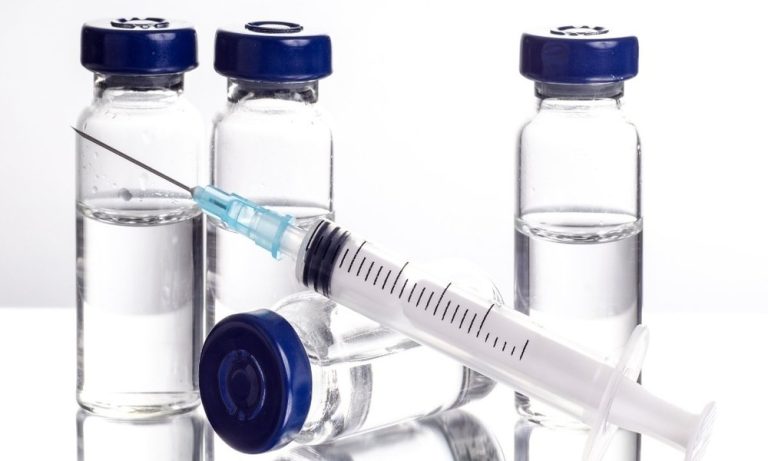
Peptides are small chains of amino acids, which are the building blocks of proteins. Your body naturally produces them, and they play a key role in many important processes like healing, hormone regulation, muscle growth, and even brain function. Scientists have been studying peptides for over a century, and some of them have been developed into medicines. For example, insulin, the first lab-made peptide, has been helping people with diabetes since 1923.
Lately, research peptides USA has become a hot topic as more people are interested in using peptides for fitness, anti-aging, and overall wellness. Celebrities and wellness influencers often buy peptides in the US and promote peptides on social media, which makes them seem like a quick and easy solution to build muscle, lose weight, or improve skin. But while they sound promising, it’s important to understand what peptides can and cannot do.
How Peptides Work in the Body
Peptides affect many areas of the body. Some help the immune system fight disease, support muscle recovery after exercise, or improve joint and tissue health. Others can boost brain function, reduce inflammation, help with digestion, and even support hormone balance and sexual health. Compared to some drugs, peptides often have fewer side effects because the body can naturally process the amino acids they’re made of.
Peptides are also common in everyday products. You’ll find them in skin creams, serums, protein powders, and supplements, and some are even available as injections for weight loss, recovery, or sexual function. This widespread use is part of why they’ve become so popular online.
What You Need to Know Before Using Peptides
Risks and Safety Concerns
While peptides can be helpful when used correctly under medical supervision, there are real risks if you use them without guidance. Many peptides sold online or in med spas are not regulated, so their purity, dosage, and safety are not guaranteed. Some products may contain harmful contaminants or may not even be the peptide they claim to be.
Injections, in particular, come with risks. Improper technique can lead to infections, abscesses, or scarring. Even minor mistakes can have serious consequences. Side effects vary depending on the peptide, but may include:
- Joint pain
- Increased blood pressure
- Headaches
- Water retention
- Mood changes
- Changes in blood sugar
- Stress on organs
Some peptides can affect hormone levels, which can throw your body out of balance. This can impact sleep, metabolism, and menstrual cycles. Because many trendy peptides are not approved by the FDA, we also don’t know the long-term effects of using them for months or years.
Making Safe Choices
Your body already produces many of the peptides it needs. If you’re feeling off—like being unusually tired, gaining weight, having trouble sleeping, or noticing signs of aging—it’s better to speak with a healthcare professional first. A doctor can look at your overall health and guide you safely rather than relying on the latest social media trend.
Think of peptides like tools: they can be very useful when used correctly, but they can be risky if handled without the proper knowledge. Before trying any peptide, especially injections or hormone-related ones, it’s important to research carefully and consult a medical professional.