
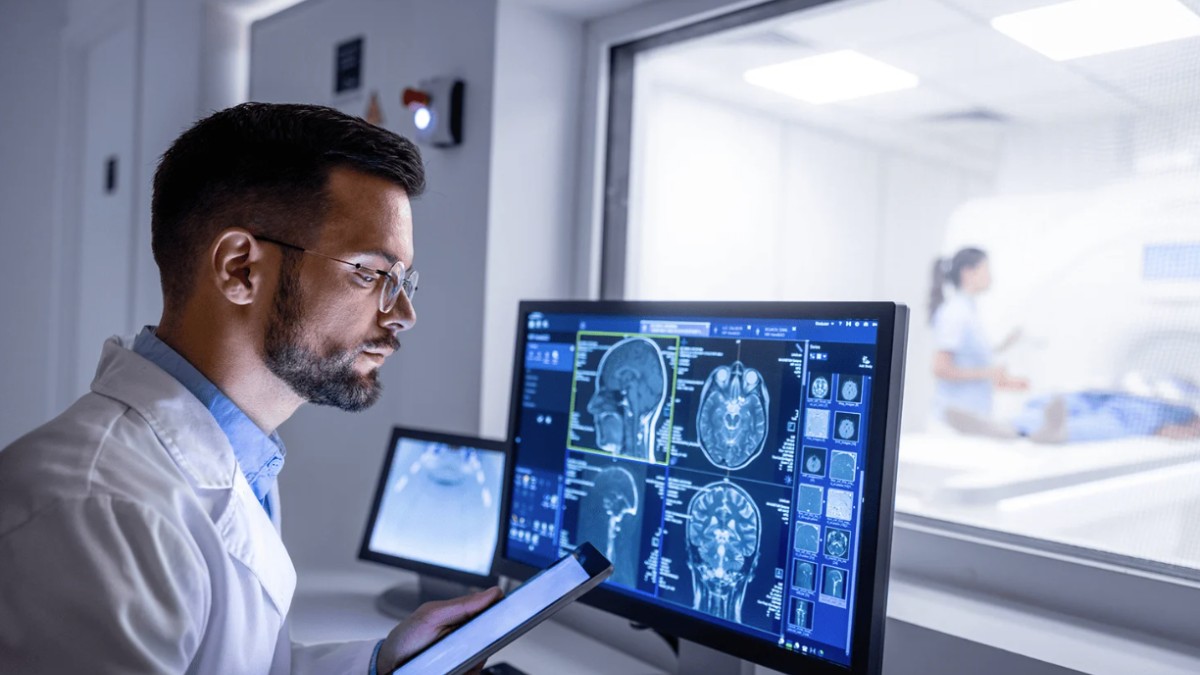
Every small aspect matters in the high-stakes field of healthcare, particularly when it comes to medical imaging correctness. The tools physicians use from digital X-rays to MRIs and CT scans must generate constantly accurate results. Medical calibration guarantees this consistency behind the scenes; it is a critical but frequently ignored operation. This procedure guarantees that medical equipment—imaging displays in particular—satisfies performance standards across time. Even the most cutting-edge imaging systems can provide inaccurate results without correct calibration, therefore affecting patient outcomes.
Software products such PerfectLum offer automated calibration and quality assurance tests to help buildings maintain compliance and image reliability, hence meeting this continuous demand for accuracy. To ensure they don’t diverge from ideal settings, a calibration software calibration program monitors luminance, contrast, and other display parameters. Robust automation from the QUBYX team improves this process by making sure that daily clinical practices include routine testing and validation, thereby removing human mistake and simplifying compliance with sector standards.
What is Medical Calibration?
Medical calibration is the procedure of fixing and validating medical equipment, especially imaging displays, such that their outputs match set tolerances. Essentially, it’s about guaranteeing that the scan images produced by the equipment match exactly what the radiologist views on their monitor—consistency is key here. The calibration process involves fine-tuning aspects like brightness, contrast, grayscale accuracy, and color fidelity, so the radiologist can interpret the images with complete confidence.
In a diagnostic environment, this level of accuracy isn’t optional—it’s absolutely critical. Even the smallest variation in tissue density or a subtle shadow on a lung scan can point to a serious medical issue. That’s why every detail in the calibration process plays a vital role in ensuring reliable, precise diagnoses.
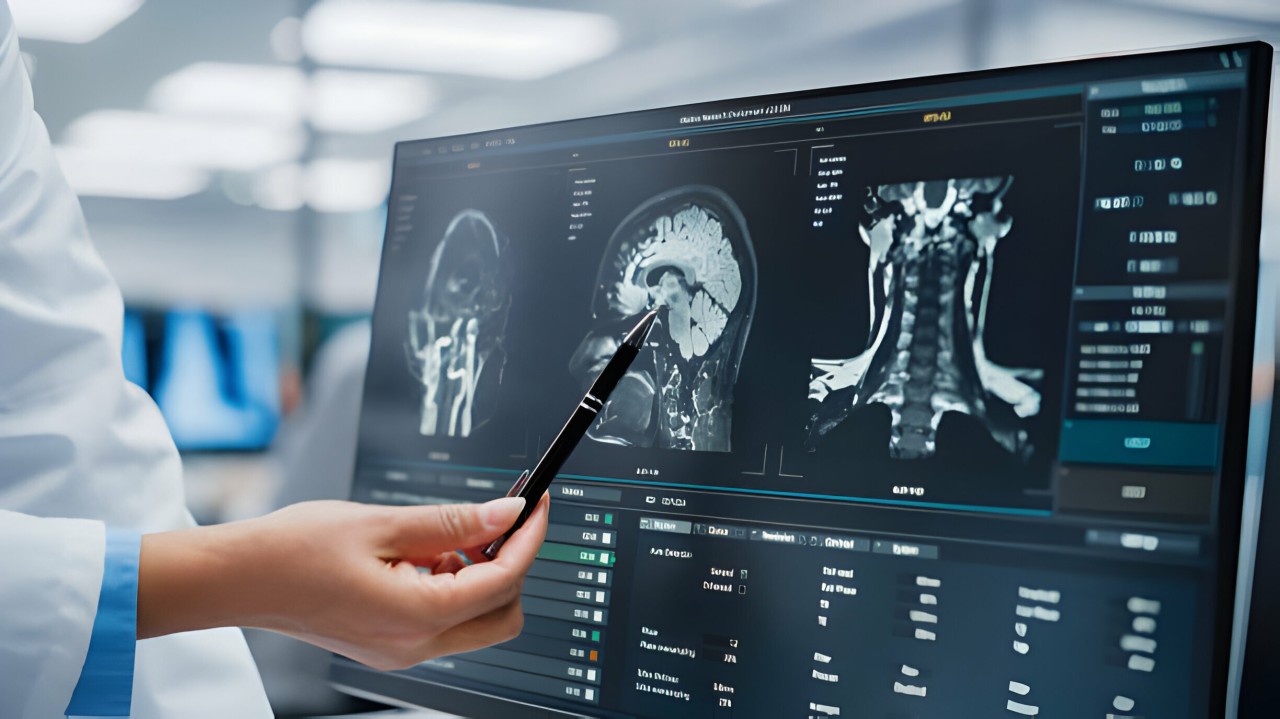
These elements might be overlooked or incorrectly understood unless calibrated precisely. This is why calibration is a direct contributor to patient safety rather than just a technical procedure.
The Risks of Skipping Calibration
Regular monitor upkeep may sometimes get lost in hurried hospitals or imaging facilities. Regrettably, the effects might be severe. Over time, high-end medical monitors deteriorate as well. They could lose brightness, change colors, or fail to properly show contrast levels. Though they may not be seen by the human eye, these little alterations can result in major diagnostic mistakes.
Unreliable monitor performance might lead to missed diagnoses, overdiagnosis, or pointless further testing. From a legal and clinical perspective, healthcare providers cannot afford to take it. Consistent calibration guarantees that the monitor in use now is as precise as it was when it was initially set up.
Automation Makes It Easier
Modern calibration tools have helped to make this procedure much more bearable. Solutions that are creative provide automated calibration, monitoring, and reporting capabilities that help to lower the need for hand checks. These systems can store performance logs for audits or quality reviews, carry out background checks, and alert users when calibration is needed.
Apart from saving time, this automation lowers the possibility of human mistake. Without continuously having to schedule manual exams or depend on IT employees to handle compliance documentation, healthcare professionals can feel confident that their imaging displays are operating at top performance.
Medical calibration is more than just a technical need – it is a crucial component of providing top-notch care eventually.

Comments are closed.