
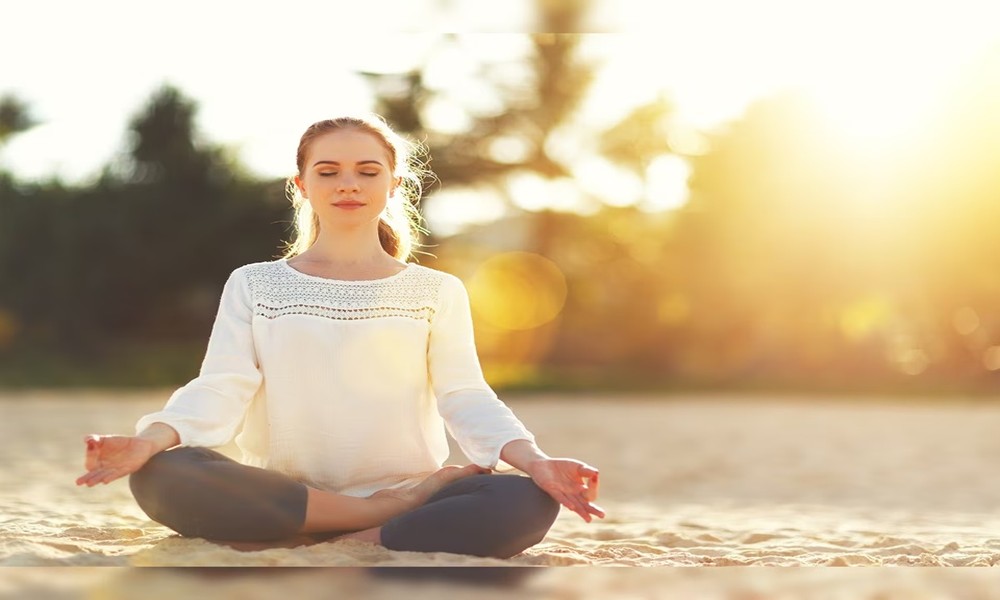
Meditation has long been used to calm the mind, improve emotional balance, and support inner awareness. Many people today practice meditation to manage stress, reduce anxiety, and create a sense of mental clarity. One of the most effective methods used during meditation is the repetition of mantras.
A mantra is a sound, word, or phrase repeated during meditation to help maintain focus and encourage relaxation. The steady repetition of calming sounds may reduce mental distractions and create emotional stillness. For centuries, mantras have been used in spiritual and mindfulness practices to support concentration and inner calmness.
In modern life, where stress and constant distractions are common, meditation with mantras has become a simple and natural method for improving mental well-being and relaxation.
What Are Mantras?
Mantras are words, syllables, or phrases repeated during meditation or mindfulness practices. The purpose of repeating a mantra is to help focus the mind and reduce unnecessary mental activity.
Mantras may be spoken aloud, whispered softly, or repeated silently in the mind. The repetition creates a rhythm that encourages relaxation and concentration.
Different traditions use different types of mantras, including:
Spiritual Mantras
These are traditional sacred sounds used in meditation practices.
Positive Affirmations
Simple positive phrases are sometimes used to encourage emotional balance and confidence.
Breathing Mantras
Short words or sounds may be repeated along with breathing exercises.
Personal Mantras
Some people create calming phrases that feel meaningful and comforting to them personally.
The sound and repetition of a mantra often become more important than the literal meaning of the words.
How Mantras Support Meditation
Meditation becomes difficult for many people because the mind constantly moves from one thought to another. Mantras help provide a single point of focus, making it easier to maintain concentration.
Benefits of mantra meditation may include:
- Reduced stress
- Improved concentration
- Emotional calmness
- Better mental focus
- Reduced overthinking
- Improved relaxation
Repeating a calming sound may help slow mental activity and encourage mindfulness during meditation.
The Connection Between Sound and the Mind
Sound has a powerful influence on emotions and mental state. Calm and repetitive sounds may help reduce emotional tension and support relaxation.
During mantra meditation, repeated sounds create rhythm and consistency that encourage the brain to settle into a calmer state. This process may help reduce distractions and improve mental clarity.
Many meditation practices use sound because it helps:
- Improve focus
- Calm emotional reactions
- Support breathing rhythm
- Create mental stillness
- Encourage relaxation
The soothing effect of repetitive sound is one reason mantra meditation remains popular worldwide.
Popular Mantras Used in Meditation
Different people prefer different types of mantras depending on comfort and personal beliefs.
Om
“Om” is one of the most widely recognized meditation sounds. It is often associated with calmness and awareness.
So Hum
This mantra is connected with breathing and mindfulness meditation.
Peace-Based Affirmations
Simple phrases such as “I am calm” or “I am peaceful” may support emotional relaxation.
Gratitude Mantras
Words focused on appreciation and positivity may encourage emotional balance.
Many people use Mantras daily as part of meditation routines to improve focus and create a calmer state of mind.
How to Practice Mantra Meditation
Mantra meditation is simple and suitable for beginners. Regular practice may improve concentration and emotional relaxation over time.
Choose a Quiet Space
A peaceful environment helps reduce distractions during meditation.
Sit Comfortably
Relax the body and maintain a comfortable posture.
Focus on Breathing
Slow breathing helps calm the nervous system and prepare the mind for meditation.
Repeat the Mantra
Repeat the chosen sound or phrase slowly and consistently.
Stay Relaxed
If distracting thoughts appear, gently return attention to the mantra.
Even short daily sessions may provide noticeable relaxation benefits.
Benefits of Mantra Meditation
Consistent mantra meditation may support both emotional and mental well-being.
Reduces Stress and Anxiety
Repetitive sounds help calm emotional tension and reduce overthinking.
Improves Concentration
Focusing on a single sound may strengthen attention and mindfulness.
Supports Emotional Balance
Meditation encourages calmness and emotional awareness.
Encourages Better Sleep
Relaxation practices before bedtime may improve sleep quality.
Creates Mental Calmness
Mantras help reduce mental distractions and encourage peaceful thinking.
These benefits often become more noticeable with regular practice.
Can Beginners Practice Mantra Meditation?
Yes, mantra meditation is beginner-friendly and does not require advanced experience. Simple breathing and repetition techniques are easy to learn and practice.
Beginners may start with:
- Short meditation sessions
- Simple calming words
- Guided meditation audio
- Slow breathing exercises
Consistency is more important than session length. Regular daily practice often produces better results over time.
Common Mistakes to Avoid
Certain habits may reduce the effectiveness of mantra meditation.
Forcing Concentration
Meditation should feel calm and natural rather than stressful.
Choosing Complicated Mantras
Simple sounds or phrases are usually easier for beginners.
Practicing in Noisy Environments
Too many distractions may interrupt focus.
Expecting Immediate Results
Mental relaxation often improves gradually with regular practice.
Patience and consistency are important for developing meditation habits.
Why Mental Peace Matters
Mental calmness supports emotional balance, focus, and overall well-being. Constant stress and distractions may create emotional pressure and mental exhaustion.
Meditation with calming sounds encourages the mind to slow down and focus more peacefully. Over time, this practice may improve awareness, patience, and emotional comfort.
The connection between meditation and Peace Of Mind becomes stronger when relaxation techniques are practiced consistently.
Conclusion
Mantras provide a simple and effective way to improve meditation and support emotional calmness. Repeating peaceful sounds or phrases helps reduce mental distractions, improve concentration, and create relaxation.
Although meditation experiences vary from person to person, many individuals find that mantra meditation supports stress management and emotional balance. By practicing regularly and creating a peaceful meditation routine, it becomes easier to calm the mind and improve overall well-being.
Simple breathing exercises and calming sounds may help create long-term mental relaxation and healthier mindfulness habits.
FAQs
What is a mantra in meditation?
A mantra is a word, sound, or phrase repeated during meditation to improve focus and relaxation.
Can mantra meditation reduce stress?
Yes, mantra meditation may help calm the mind and reduce emotional tension.
How long should I practice mantra meditation?
Many people practice for 10 to 20 minutes daily, though even shorter sessions may help.
Is mantra meditation suitable for beginners?
Yes, simple mantra meditation techniques are easy for beginners to practice.
Do I need spiritual beliefs to use mantras?
No, many people use mantras simply for relaxation and mental focus.
Can mantra meditation improve sleep?
Relaxation and breathing techniques used during mantra meditation may support better sleep quality.

Comments are closed.