
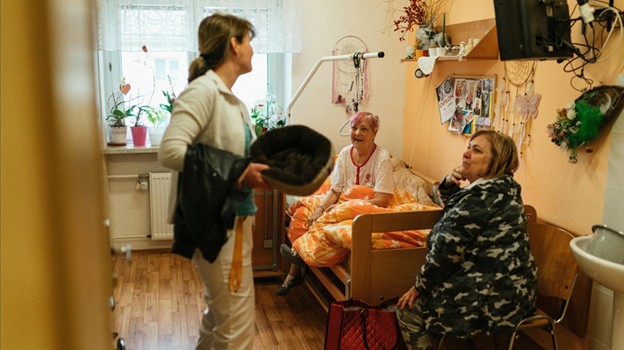
For many individuals with physical disabilities, chronic illnesses, or age-related limitations, staying at home isn’t just a preference — it’s a lifeline to dignity, comfort, and self-direction. The Nursing Home Transition and Diversion (NHTD) Waiver was created precisely for this purpose. It offers essential supports that help people remain in their own homes or transition out of institutional settings while still receiving the care they need.
But what truly makes the NHTD Waiver so powerful are the everyday independence wins it enables. These wins may seem small from the outside, yet they dramatically shape quality of life. Here are eight meaningful ways individuals gain greater independence through the NHTD Waiver and NHTD Waiver program services.
1. Being Able to Navigate the Home Safely and Confidently
Mobility challenges are among the biggest barriers to independent living, especially in older homes not designed for wheelchair use or limited mobility. Through home modifications and assistive technology, the NHTD Waiver allows individuals to move about freely and safely.
This may include:
- Installing grab bars and railings
- Improving lighting
- Adding ramps or lowering thresholds
- Utilizing mobility devices
- Rearranging furniture for safe pathways
These changes reduce fall risk and empower participants to access every part of their home without fear or physical strain.
2. Managing Personal Care Without Feeling Rushed or Overwhelmed
Independence doesn’t mean doing everything alone — it means having the right support so daily routines feel manageable. With personal care assistance, individuals gain help with bathing, grooming, toileting, dressing, and other intimate tasks.
The win?
They remain clean, comfortable, and confident while maintaining privacy and control over how and when they receive care.
For many, the ability to maintain their own routine is a profound emotional and physical relief.
3. Preparing Meals Safely and Eating Well Every Day
Cooking can be one of the most challenging — and dangerous — tasks for individuals with mobility or cognitive limitations. The waiver provides assistance with:
- Meal planning
- Safe meal preparation
- Grocery shopping
- Ensuring dietary needs are met
This support gives participants peace of mind while helping them maintain good nutrition and avoid food insecurity. Simply being able to enjoy meals at home, made to their preferences, is a valuable independence win.
4. Keeping the Home Clean, Organized, and Comfortable
A clean environment isn’t just about comfort — it’s about health, safety, and emotional wellbeing. Through homemaking assistance, the NHTD Waiver helps individuals maintain a functional living space.
This includes:
- Light cleaning
- Laundry
- Changing linens
- Organizing living areas
For many, this support prevents accidents, reduces stress, and ensures their home remains a place they enjoy spending time in.
5. Accessing the Community Without Barriers
Social isolation is one of the biggest risks for individuals with disabilities or chronic conditions. The NHTD Waiver allows participants to stay engaged with their community through structured support such as:
- Transportation assistance
- Help attending medical appointments
- Support with community activities
- Participation in social or recreational programs
These experiences restore a sense of normalcy and connection — essential components of independent living.
6. Directing Their Own Services and Making Personal Choices
One of the most empowering aspects of the waiver is its focus on participant choice. Individuals are encouraged to be involved in decision-making regarding:
- Their care plans
- Their service providers
- Their daily routines
- Which goals matter most to them
This autonomy promotes confidence and self-direction. Participants don’t just receive services — they help define how those services support their goals and preferred lifestyle.
7. Remaining in Their Own Home Surrounded by Familiarity
For many people, home is more than a location — it’s comfort, history, and identity. Being able to stay at home while receiving services is one of the greatest independence wins the waiver provides.
At home, individuals can:
- Keep their own routines
- Stay connected to neighbors and loved ones
- Enjoy the familiarity of their environment
- Avoid the emotional stress of institutional settings
Remaining at home preserves dignity and prevents the loneliness often associated with facility-based care.
8. Transitioning Out of a Nursing Facility with Supportive Services in Place
For participants who want to leave a nursing home, the NHTD Waiver provides essential transition services that make the process possible and sustainable. This includes assistance with:
- Finding housing
- Furnishing and setting up the home
- Coordinating community-based supports
- Ensuring all necessary services are in place before discharge
This transition support helps individuals reclaim autonomy and reconnect with their lives outside institutional care.
Independence isn’t defined by doing everything alone — it’s defined by having the tools, support, and freedom to live life on your own terms. The NHTD Waiver empowers individuals to do exactly that. Through essential supports, personalized care planning, and a strong focus on dignity and choice, participants experience daily wins that collectively transform their quality of life.
For families and individuals alike, understanding these independence benefits highlights why the program is such a vital resource for long-term community-based living.

Comments are closed.