Author

Lorraine

Browsing

In today’s fast-paced and stressful world, finding ways to unwind and relax is crucial for maintaining a healthy and balanced lifestyle. One often overlooked source of comfort and stress relief is our furry friends pets. Whether you own a cat, dog, or even a hamster, the presence of a pet in your life can significantly reduce stress levels and improve overall well-being.

Companionship and Unconditional Love

Pets provide companionship like no other. Coming home to a wagging tail or a purring cat can instantly lift your mood and make you forget about the day’s stressors. Unlike human relationships, pets offer unconditional love and acceptance, which can be incredibly soothing during challenging times. They are always there to lend an ear or rather, a paw without judgement or criticism.

Reduced Anxiety and Blood Pressure

Interacting with pets has been scientifically proven to reduce anxiety and lower blood pressure. When you stroke a cat or play with a dog, your body releases endorphins, which are natural mood-boosting hormones. These endorphins help to counteract the effects of stress hormones, such as cortisol, leading to a sense of calm and relaxation. Additionally, the rhythmic nature of petting a furry friend can have a meditative effect, soothing both the mind and body.

Physical Activity and Mental Well-being

Owning a pet often requires physical activity, such as walking a dog or playing with a cat. Engaging in regular exercise not only benefits your physical health but also has a positive impact on your mental well-being. Exercise releases neurotransmitters like serotonin and dopamine, which are linked to happiness and improved mood. Taking your pet for a walk or playing with them can help distract your mind from daily stresses and provide a much-needed mental break.

Creating a Routine and Structure

Pets thrive on routine, and having a structured daily routine can be beneficial for pet owners as well. Knowing that you have to feed your pet, take them for a walk, or clean their litter box can provide a sense of purpose and stability. Having a pet-dependent routine can help to break the cycle of stress and provide a much-needed distraction from daily worries.

Social Connections and Support

Pets can also act as social catalysts, helping their owners to form connections with others. Whether it’s striking up a conversation at the dog park or joining online communities dedicated to a specific pet breed, owning a pet can create opportunities for social interactions and support. Sharing stories and experiences with fellow pet owners can be therapeutic and provide a sense of belonging.

Affection and Touch Therapy

The power of touch should never be underestimated. Pets love physical affection, and cuddling or petting them can stimulate the release of oxytocin, a hormone associated with bonding and feelings of love. The act of petting a furry friend can be incredibly soothing and relaxing, helping to alleviate stress and promote overall well-being.

Pets can serve as a buffer against life’s daily stresses in numerous ways. From providing companionship and unconditional love to reducing anxiety and blood pressure, the positive impact of owning a pet on mental and emotional well-being is undeniable. So, if you find yourself overwhelmed by the challenges of everyday life, consider adopting a furry friend and experience the incredible benefits they can bring to your life.

As we age, it becomes increasingly important to take care of both our physical and mental well-being. Mind-body practices offer a holistic approach to graceful aging, promoting harmony between the mind, body, and spirit. These practices can help improve overall health, reduce stress, enhance cognitive function, and increase longevity. Here are some effective mind-body practices that aid in graceful aging:

1. Yoga

Yoga is a centuries-old practice that combines physical postures, breathing exercises, and meditation. It helps improve flexibility, strength, and balance, which are crucial for maintaining mobility and preventing falls as we age. Regular yoga practice also promotes relaxation, reduces stress, and enhances mental clarity.

2. Tai Chi

Tai Chi is a gentle martial art that involves slow, flowing movements and deep breathing. It improves balance, coordination, and flexibility, making it an excellent practice for older adults. Tai Chi also promotes relaxation and mindfulness, helping to reduce anxiety and improve mental well-being.

3. Meditation

Meditation is a practice that involves focusing the mind and achieving a state of deep relaxation. It can be done in various forms, such as seated meditation, walking meditation, or mindfulness meditation. Regular meditation practice has been shown to reduce stress, improve attention and memory, and increase feelings of happiness and well-being.

4. Mindfulness

Mindfulness is the practice of paying attention to the present moment without judgment. It involves being fully aware of your thoughts, feelings, and sensations in a non-reactive way. Practicing mindfulness can help reduce stress, improve emotional well-being, and increase self-awareness. It also promotes a positive outlook on life and enhances overall resilience.

5. Breathing exercises

Deep breathing exercises are a simple yet powerful practice that can be done anywhere, anytime. They help activate the body’s relaxation response, reduce stress, and improve oxygenation. Deep breathing exercises also enhance lung capacity, which is especially beneficial for older adults who may be prone to respiratory issues.

6. Creative expression

Engaging in creative activities such as painting, writing, or playing a musical instrument can have a profound impact on graceful aging. These activities stimulate the brain, promote self-expression, and provide a sense of fulfillment. Creative expression also fosters a positive mindset, enhances cognitive function, and improves overall well-being.

7. Social connections

Maintaining strong social connections is essential for healthy aging. Engaging in social activities, spending time with loved ones, and participating in community events can help reduce loneliness and improve mental well-being. Social connections provide a sense of belonging and purpose, which are crucial for graceful aging.

Incorporating these mind-body practices into your daily routine can greatly contribute to graceful aging. They offer a holistic approach to health and well-being, addressing both the physical and mental aspects of aging. Whether it’s through yoga, meditation, or creative expression, find the practices that resonate with you and make them a regular part of your life. Embrace the journey of graceful aging with a balanced mind, body, and spirit.

Chronic stress is a condition characterized by ongoing exposure to stressful situations or stimuli, leading to a range of biochemical and physiological changes in the body. These changes are the body’s response to prolonged stress and can have a significant impact on overall health and well-being.

1. Activation of the Hypothalamic-Pituitary-Adrenal (HPA) Axis

One of the key mechanisms involved in the response to chronic stress is the activation of the hypothalamic-pituitary-adrenal (HPA) axis. The hypothalamus releases corticotropin-releasing hormone (CRH), which stimulates the pituitary gland to secrete adrenocorticotropic hormone (ACTH). ACTH then triggers the release of cortisol from the adrenal glands.

Cortisol, commonly known as the stress hormone, plays a crucial role in regulating the body’s response to stress. In chronic stress situations, cortisol levels remain elevated for an extended period, leading to several physiological changes.

2. Altered Neurotransmitter Levels

Chronic stress can also disrupt the balance of neurotransmitters in the brain. Neurotransmitters are chemical messengers that transmit signals between nerve cells. Imbalances in neurotransmitter levels can affect mood, cognition, and overall mental health.

One example is the decreased production of serotonin, a neurotransmitter known for its role in regulating mood and promoting feelings of well-being. Lower serotonin levels have been associated with an increased risk of developing depression and anxiety disorders, which are commonly observed in individuals experiencing chronic stress.

3. Inflammation and Immune System Dysfunction

Prolonged stress can lead to chronic low-grade inflammation and dysfunction of the immune system. Stress triggers the release of pro-inflammatory cytokines, which are molecules involved in the immune response. Inflammation plays a crucial role in the body’s defense against pathogens, but when it becomes chronic, it can contribute to the development of various diseases.

Additionally, chronic stress can suppress the immune system, making individuals more susceptible to infections and diseases. The body’s ability to fight off pathogens may be compromised, leading to frequent illnesses and delayed healing.

4. Cardiovascular Changes

Chronic stress has a profound impact on the cardiovascular system. Elevated cortisol levels can lead to increased blood pressure and heart rate, which, over time, can contribute to the development of hypertension and cardiovascular diseases.

Furthermore, chronic stress can also lead to the accumulation of plaque in the arteries, a condition known as atherosclerosis. This buildup of plaque restricts blood flow and increases the risk of heart attacks and strokes.

5. Digestive System Disorders

The gut-brain axis, the bidirectional communication pathway between the gut and the brain, is highly influenced by stress. Chronic stress can disrupt the balance of beneficial bacteria in the gut, leading to gastrointestinal disorders such as irritable bowel syndrome (IBS) and inflammatory bowel disease (IBD).

Additionally, stress can affect digestion and nutrient absorption, leading to malnutrition and other related health issues.

Chronic stress is a complex condition that affects both the mind and body. The biochemical and physiological changes that occur during chronic stress can have a profound impact on overall health and well-being. Understanding these changes is crucial for developing effective strategies to manage and mitigate the negative effects of chronic stress on the body.

Hair loss is a common problem that affects millions of people worldwide. While there are several factors that can contribute to hair loss, one significant factor that is often overlooked is stress.

Stress can have a profound impact on our overall health and well-being, and our hair is no exception. When we experience stress, our bodies release a hormone called cortisol. Elevated levels of cortisol can disrupt the normal hair growth cycle, leading to hair thinning and hair loss.

Understanding the Hair Growth Cycle

To understand how stress affects hair loss, it is essential to familiarize yourself with the hair growth cycle.

The hair growth cycle consists of three phases:

  1. Anagen (Growth Phase): This is the active phase where hair follicles produce new hair. On average, this phase lasts between two to six years.
  2. Catagen (Transition Phase): In this phase, the hair follicles shrink, and hair growth stops. It lasts for about two weeks.
  3. Telogen (Resting Phase): This is the final phase where the hair follicles remain dormant for about two to three months before shedding and new hair begins to grow.

The Impact of Stress on Hair Loss

When we experience stress, it can disrupt the hair growth cycle. Stress-induced hair loss is known as telogen effluvium, a condition where a significant number of hair follicles enter the resting phase prematurely, causing hair shedding.

Typically, 85-90% of hair follicles are in the anagen (growth) phase, while the remaining 10-15% are in the telogen (resting) phase. However, during periods of intense stress, a higher percentage of hair follicles can enter the telogen phase simultaneously, resulting in noticeable hair loss.

Managing Stress for Healthy Hair

To minimize the impact of stress on hair loss, it is crucial to manage stress effectively. Here are some tips for reducing stress levels:

  • Practice relaxation techniques such as deep breathing exercises, meditation, or yoga.
  • Engage in regular physical activity to promote overall well-being and reduce stress.
  • Get enough sleep to allow your body and mind to rest and rejuvenate.
  • Seek support from friends, family, or a professional therapist to help manage stressors.
  • Adopt healthy lifestyle habits such as eating a balanced diet, avoiding excessive caffeine and alcohol, and staying hydrated.

Remember, managing stress is not only beneficial for your hair but also for your overall health and quality of life.

The connection between stress and hair loss is undeniable. Stress can disrupt the normal hair growth cycle, leading to hair thinning and shedding. By effectively managing stress levels through various techniques and lifestyle changes, you can minimize the impact of stress on hair loss and promote healthy hair growth.

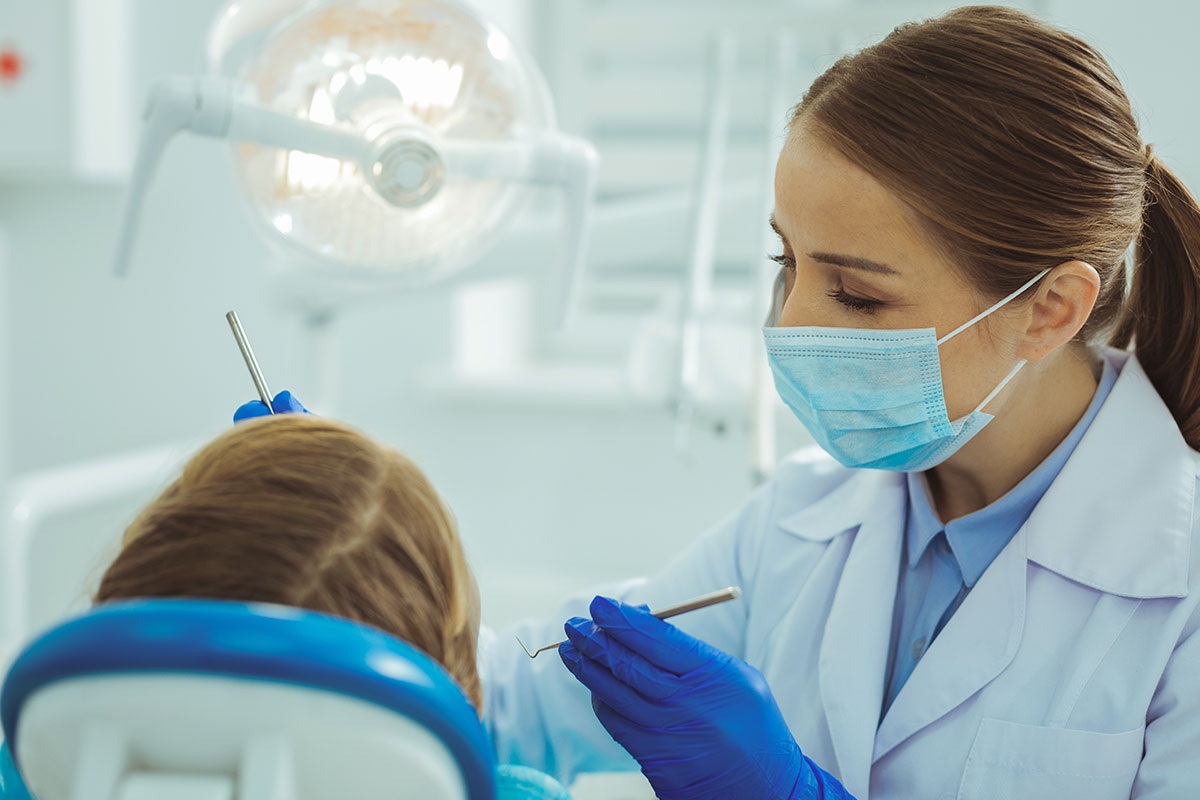
Teledentistry, a branch of telemedicine, is revolutionizing the way dental care is delivered in remote areas. With advancements in technology and internet connectivity, teledentistry has emerged as a powerful tool to bridge the gap between dental professionals and patients in underserved communities. This article explores the implications of teledentistry in remote areas and its potential to improve access to dental care.

Improved Access to Dental Care

One of the primary implications of teledentistry in remote areas is the improved access to dental care. In many remote regions, access to dental clinics and oral healthcare professionals is limited or non-existent. Teledentistry allows patients to connect with dentists remotely, eliminating the need for travel and reducing barriers to care. Through virtual consultations, dentists can assess oral health conditions, provide advice, and even prescribe medications when appropriate.

Moreover, teledentistry enables dental professionals to reach populations in remote areas who may have difficulty accessing traditional dental care due to various reasons such as physical disabilities, mobility issues, or lack of transportation. This breakthrough technology allows dentists to extend their reach beyond physical boundaries and provide essential dental services to those who need it the most.

Educational Opportunities

Teledentistry also brings about educational opportunities for both dental professionals and patients in remote areas. Through virtual conferences, webinars, and online training programs, dentists can stay updated with the latest dental practices and advancements. This continuous professional development ensures that dental professionals in remote areas can provide high-quality care comparable to their urban counterparts.

For patients, teledentistry offers educational resources and guidance on oral hygiene, preventive care, and common dental issues. Patients can access educational videos, interactive tools, and guidance materials from the comfort of their homes, empowering them to take better care of their oral health. By improving oral health literacy, teledentistry contributes to prevention and early intervention, reducing the need for extensive dental treatments in the long run.

Cost Savings and Efficiency

Another implication of teledentistry in remote areas is the potential for cost savings and increased efficiency. Traditional dental care often involves significant costs associated with travel expenses and time off work. Teledentistry eliminates these expenses by allowing patients to receive care remotely, reducing the financial burden on individuals and healthcare systems.

Additionally, teledentistry streamlines the workflow for dental professionals. Through virtual consultations, dentists can efficiently triage patients, identify urgent cases, and determine the need for in-person visits. This targeted approach allows dental practices to optimize their resources and allocate more time and attention to patients who require immediate care.

Challenges and Future Directions

While teledentistry holds great promise for improving access to dental care in remote areas, it also faces certain challenges. The availability of reliable internet connectivity and access to appropriate technology can be limiting factors in some remote regions. Additionally, there are regulatory and legal considerations that need to be addressed to ensure the safe and ethical practice of teledentistry.

Despite these challenges, the future of teledentistry in remote areas looks promising. As technology continues to advance and become more affordable, more dental professionals and patients will be able to benefit from this innovative approach to oral healthcare delivery.

Teledentistry has far-reaching implications for remote areas in terms of improved access to dental care, educational opportunities, cost savings, and increased efficiency. By harnessing the power of technology, teledentistry has the potential to transform oral healthcare delivery in underserved communities, ensuring that everyone has access to quality dental care regardless of their geographical location.

In today’s fast-paced and technology-driven world, many individuals find themselves feeling overwhelmed, stressed, and disconnected from the natural world. Ecotherapy, also known as nature therapy or green therapy, is a practice that recognizes the healing power of nature and outdoor spaces on our mental, emotional, and physical well-being.

The Benefits of Ecotherapy

Engaging in ecotherapy activities can have numerous positive effects on our overall health and well-being. Here are some of the key benefits:

  1. Reduced stress: Spending time in nature has been proven to significantly reduce stress levels. Natural environments provide a sense of calm and tranquility, allowing individuals to relax and unwind.
  2. Improved mental health: Ecotherapy has been shown to alleviate symptoms of anxiety, depression, and other mental health disorders. Being in nature boosts the production of serotonin, a neurotransmitter that plays a crucial role in regulating mood and promoting feelings of happiness.
  3. Enhanced physical health: Engaging in outdoor activities, such as hiking, gardening, or cycling, can improve physical fitness levels. It helps individuals maintain a healthy weight, reduces the risk of chronic diseases, and boosts cardiovascular health.
  4. Increased mindfulness: Nature has a way of grounding us in the present moment. By immersing ourselves in the sights, sounds, and smells of the natural world, we can enhance our mindfulness and cultivate a greater sense of awareness.
  5. Improved creativity: Nature stimulates our creativity and enhances problem-solving abilities. Studies have shown that spending time outdoors can boost cognitive function, enhance concentration, and promote innovative thinking.

Types of Ecotherapy Activities

Ecotherapy encompasses a wide range of activities that allow individuals to connect with nature and experience its healing benefits. Here are some popular ecotherapy activities:

  • Forest bathing: This Japanese practice involves immersing oneself in the healing atmosphere of a forest, engaging all the senses to experience its therapeutic effects.
  • Gardening: Planting, nurturing, and caring for plants and flowers can provide a sense of purpose, boost self-esteem, and create a deeper connection with nature.
  • Outdoor exercise: Engaging in physical activities such as hiking, biking, or practicing yoga in natural environments can provide a refreshing change of scenery and amplify the benefits of exercise.
  • Animal-assisted therapy: Interacting with animals in natural settings can have a calming effect and promote social interaction, emotional connection, and stress reduction.
  • Nature walks: Taking leisurely walks in parks, gardens, or any natural setting can help individuals reconnect with the natural world, reduce anxiety, and improve overall well-being.

Embracing Ecotherapy in Daily Life

Incorporating ecotherapy into our daily lives is essential for reaping its benefits consistently. Here are some simple ways to embrace ecotherapy:

  1. Set aside time each day to spend in nature, even if it’s just a short walk in your local park or sitting in your backyard.
  2. Create a garden space, whether it’s a small container garden or a larger outdoor plot. Tending to plants can be therapeutic and offer a sense of accomplishment.
  3. Make outdoor exercise a regular part of your routine. Instead of hitting the gym, consider going for a hike, swimming in a lake, or practicing yoga in a park.
  4. Disconnect from technology regularly and immerse yourself in the natural world. Leave your devices behind and focus on the beauty around you.
  5. Consider joining ecotherapy groups or workshops to connect with like-minded individuals and deepen your understanding of the healing power of nature.

Ecotherapy offers a holistic approach to well-being, recognizing the importance of our connection to the natural world. By incorporating ecotherapy activities into our lives, we can enhance our mental, emotional, and physical health, and cultivate a deeper appreciation for the healing power of nature.

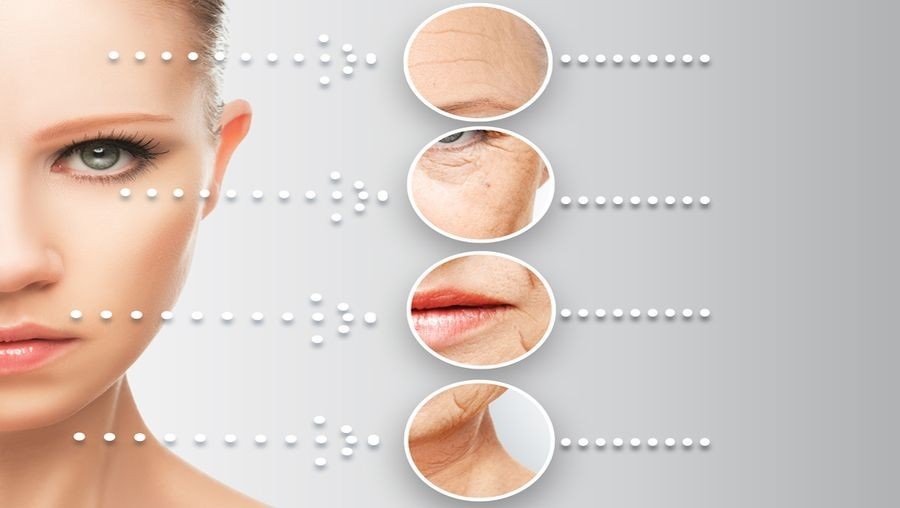
Having healthy and youthful-looking skin is a desire shared by many individuals. While there are various skincare products and treatments available, it is essential to recognize the significant role that diet plays in maintaining skin health and preventing premature aging. The saying, “you are what you eat,” holds true for the skin as well. The foods we consume can either promote a vibrant complexion or contribute to skin issues such as acne, wrinkles, and dullness.

The Link between Diet and Skin Health

Our skin is the largest organ in the body and serves as a protective barrier against external factors. It requires a constant supply of essential nutrients to function optimally. A well-balanced diet rich in vitamins, minerals, antioxidants, and healthy fats can help nourish the skin from within, providing it with the necessary tools for repair, rejuvenation, and a youthful appearance.

Here are some key nutrients found in certain foods that have a positive impact on skin health:

  • Vitamin C: Found in citrus fruits, berries, and leafy greens, vitamin C is crucial for collagen production, which keeps the skin firm and supple.
  • Vitamin E: Nuts, seeds, and avocados are excellent sources of vitamin E, which helps protect the skin from free radical damage caused by sun exposure and pollution.
  • Omega-3 fatty acids: Foods like fatty fish, walnuts, and flaxseeds are rich in omega-3 fatty acids, which help maintain skin elasticity and reduce inflammation.
  • Antioxidants: Brightly colored fruits and vegetables such as tomatoes, carrots, and spinach contain antioxidants that fight oxidative stress and promote a healthy glow.
  • Water: Staying hydrated by drinking an adequate amount of water throughout the day is essential for maintaining skin moisture and preventing dryness.

The Effects of an Unhealthy Diet on the Skin

On the other hand, consuming a diet high in processed foods, refined sugars, and unhealthy fats can have detrimental effects on the skin, leading to various skin issues and accelerated aging. These types of foods can contribute to inflammation, break down collagen, and increase sebum production, which can result in acne and other skin conditions.

Furthermore, a diet lacking in essential nutrients can compromise the skin’s ability to repair itself, leading to a dull and lackluster complexion. A deficiency in vitamins and minerals can also weaken the skin’s protective barrier, making it more susceptible to environmental damage.

Tips for a Skin-Healthy Diet

To promote skin health and slow down the aging process, it is crucial to incorporate skin-friendly foods into your diet. Here are some tips:

  1. Include a variety of fruits and vegetables in your meals, aiming for different colors to ensure a diverse range of nutrients.
  2. Incorporate sources of healthy fats such as avocados, nuts, and olive oil into your diet.
  3. Choose whole grains over refined grains to maintain stable blood sugar levels and reduce inflammation.
  4. Limit your intake of processed foods, sugary snacks, and beverages, as they can contribute to skin problems.
  5. Stay hydrated by drinking plenty of water throughout the day.
  6. Consider adding skin-boosting supplements such as collagen peptides or omega-3 fish oil to your routine, after consulting with a healthcare professional.

A well-balanced diet plays a significant role in maintaining healthy skin and preventing premature aging. By nourishing our bodies with the right nutrients, we can support our skin’s natural processes, enhance its appearance, and maintain a youthful glow. So, next time you think about skincare, remember that what you put on your plate is just as important as what you put on your skin.

Pregnancy is a time of immense change and excitement for expectant mothers. While most people are aware of the importance of maintaining overall health during pregnancy, dental care is often overlooked. However, it is crucial for pregnant women to prioritize their oral health as it can have a significant impact on both their own well-being and that of their unborn child.

Why is dental care important during pregnancy?

Dental care is important during pregnancy for several reasons:

  • Hormonal changes: Pregnancy causes hormonal changes in the body, which can lead to an increased risk of gum disease. Pregnant women are more susceptible to gum inflammation and infection, which can negatively affect the health of their teeth and gums.
  • Gestational gingivitis: Hormonal changes can also result in a condition called gestational gingivitis, which is characterized by swollen, tender, and bleeding gums. If left untreated, it can progress to more severe gum disease, known as periodontitis.
  • Preventing preterm birth: Studies have shown a correlation between gum disease and preterm birth. Pregnant women with untreated gum disease are at a higher risk of giving birth prematurely, which can have long-term health implications for the baby.
  • Protecting the baby’s developing teeth: The baby’s teeth begin to develop during the second trimester of pregnancy. Proper dental care, including a balanced diet and regular brushing and flossing, can help ensure the healthy development of the baby’s teeth and gums.
  • Minimizing the risk of pregnancy complications: Poor oral health has been linked to an increased risk of developing pregnancy complications such as preeclampsia, gestational diabetes, and low birth weight. Taking care of your teeth and gums can help reduce the likelihood of experiencing these complications.

Tips for maintaining good oral health during pregnancy

Here are some tips to help pregnant women maintain good oral health:

  1. Visit your dentist: Schedule a dental check-up before or during your pregnancy to address any existing oral health issues and receive professional guidance on maintaining a healthy mouth.
  2. Practice good oral hygiene: Brush your teeth at least twice a day using a fluoride toothpaste and a soft-bristled toothbrush. Don’t forget to floss daily to remove plaque and food particles from between your teeth.
  3. Eat a balanced diet: Consume a variety of nutrient-rich foods to support your oral and overall health. Limit sugary snacks and beverages, as they can contribute to tooth decay and gum problems.
  4. Manage morning sickness: If you experience morning sickness, rinse your mouth with water or a fluoride mouthwash after vomiting to help neutralize stomach acid and protect your teeth.
  5. Stay hydrated: Drink plenty of water throughout the day to keep your mouth moist and reduce the risk of dry mouth, which can increase the likelihood of dental problems.
  6. Share your pregnancy status with your dentist: Inform your dentist about your pregnancy so that they can provide appropriate dental care and make any necessary adjustments to your treatment plan.

Remember, taking care of your oral health during pregnancy is not only beneficial for you but also for the health and development of your baby. By following these simple steps, you can ensure a healthy smile for both you and your little one.

As we age, our bodies go through various changes, both internally and externally. One of the key factors that contribute to the aging process and age-related diseases is the role of telomeres. Telomeres are repetitive DNA sequences found at the ends of chromosomes that protect them from degradation or fusion with other chromosomes. They act as a sort of protective cap, preventing damage to the genetic information contained within the chromosomes.

Telomeres play a crucial role in cell division and aging. Each time a cell divides, the telomeres shorten. Eventually, they become so short that the cells can no longer divide and enter a state called senescence or apoptosis, leading to the loss of tissue function and the onset of aging. This phenomenon is known as the Hayflick limit, named after Leonard Hayflick, who first discovered it in the 1960s.

Furthermore, the length of telomeres has also been linked to various age-related diseases. Shortened telomeres have been associated with an increased risk of cardiovascular diseases, diabetes, Alzheimer’s disease, and certain types of cancer. This connection between telomere length and disease susceptibility has sparked interest in studying telomeres as potential biomarkers for early detection and prevention of age-related diseases.

Telomeres and Cellular Aging

Cellular aging is a natural process that occurs as a result of telomere shortening. Telomeres protect the genetic material of the chromosomes from being eroded or fused together. With each cell division, the telomeres shorten, eventually reaching a critical length where the cells can no longer divide. This leads to cellular senescence, where cells lose their ability to function properly and contribute to the aging process.

Several factors can accelerate telomere shortening, such as chronic stress, poor diet, lack of exercise, and exposure to environmental toxins. These factors can increase oxidative stress and inflammation, further damaging the telomeres and contributing to accelerated aging.

Telomeres and Age-Related Diseases

Research has shown that shortened telomeres are associated with an increased risk of age-related diseases. Cardiovascular diseases, such as heart disease and stroke, have been linked to telomere shortening. The connection between telomeres and cardiovascular health is thought to be due to the role of telomeres in maintaining the integrity of blood vessel walls and regulating inflammation.

Telomere shortening has also been implicated in the development of diabetes. Shortened telomeres can affect the function of pancreatic beta cells, which are responsible for producing insulin. This dysfunction can lead to insulin resistance and the development of type 2 diabetes.

Furthermore, telomeres have been studied in relation to neurodegenerative diseases, including Alzheimer’s disease. Shortened telomeres have been found in the brains of individuals with Alzheimer’s disease, suggesting a potential role in the disease’s progression. Additionally, telomere dysfunction has been associated with an increased risk of certain types of cancer, such as lung, breast, and prostate cancer.

Telomeres as Biomarkers

Given the association between telomere length and age-related diseases, telomeres have emerged as potential biomarkers for early detection and prevention of these conditions. Measuring telomere length can provide insight into an individual’s biological age and their risk of developing age-related diseases.

Several methods for measuring telomere length have been developed, including quantitative polymerase chain reaction (qPCR) and fluorescence in situ hybridization (FISH). These techniques allow researchers to accurately assess telomere length and study its relationship with various health outcomes.

Understanding the role of telomeres in aging and age-related diseases has opened up new avenues for research and potential interventions. Strategies aimed at preserving or lengthening telomeres, such as lifestyle modifications, antioxidant supplementation, and telomerase activation, are being explored as potential approaches to slow down the aging process and reduce the risk of age-related diseases.

  • Telomeres play a crucial role in cell division and aging.
  • Shortened telomeres have been associated with an increased risk of cardiovascular diseases, diabetes, Alzheimer’s disease, and certain types of cancer.
  • Cellular aging occurs as a result of telomere shortening, leading to cellular senescence and functional decline.
  • Telomere shortening is accelerated by factors such as chronic stress, poor diet, lack of exercise, and exposure to environmental toxins.
  • Measuring telomere length can serve as a biomarker for assessing an individual’s risk of age-related diseases.

Living in the modern world can be overwhelming. With the constant demands of work, personal life, and the ever-increasing presence of technology, it is no wonder that stress has become a common part of our daily lives. As stress levels rise, it is crucial to find effective ways to manage and counter it. One such method that has gained significant attention is mindfulness meditation.

Understanding Mindfulness Meditation

Mindfulness meditation is a practice rooted in ancient Buddhist traditions but has found its place in contemporary society as a powerful tool for stress reduction. It involves focusing one’s attention on the present moment, acknowledging and accepting thoughts, feelings, and bodily sensations without judgment.

By cultivating mindfulness, individuals learn to observe their thoughts and emotions from a distance, allowing them to gain more perspective and avoid getting caught up in the stress-inducing whirlwind of daily life.

The Science Behind Mindfulness Meditation

Scientific research has demonstrated the numerous benefits of mindfulness meditation in countering daily stress. Studies have shown that regular practice of mindfulness meditation can lead to a reduction in stress hormones, such as cortisol, and an increase in positive emotions and overall well-being.

Furthermore, mindfulness meditation has been found to enhance brain function, with neuroimaging studies revealing structural and functional changes in areas associated with emotion regulation and attention. These changes enable individuals to better cope with stress and improve their ability to focus and make decisions.

How Mindfulness Meditation Counters Daily Stress

Mindfulness meditation acts as a counter to daily stress through several mechanisms:

  1. Reducing Reactivity: By practicing mindfulness, individuals become more aware of their automatic reactions to stressors. This awareness allows them to respond to stressful situations with greater clarity and composure, reducing the negative impact of stress on their well-being.
  2. Enhancing Self-Compassion: Mindfulness meditation cultivates a non-judgmental attitude towards oneself. This self-compassion helps individuals approach their stressors with kindness and understanding, reducing self-criticism and increasing resilience in the face of stress.
  3. Improving Emotional Regulation: Mindfulness meditation helps individuals develop a better understanding and acceptance of their emotions. By observing their emotions without judgment, individuals can regulate their responses more effectively, preventing stress from spiraling out of control.
  4. Promoting Relaxation: Mindfulness meditation techniques, such as deep breathing and body scanning, activate the body’s relaxation response. This physiological response counteracts the stress response, promoting a sense of calm and reducing the physical symptoms associated with stress.

Incorporating Mindfulness Meditation into Daily Life

Integrating mindfulness meditation into your daily routine can have a profound impact on your ability to counter daily stress. Here are some practical tips to get started:

  • Set aside dedicated time for meditation each day, even if it’s just a few minutes.
  • Find a quiet and comfortable space where you can practice without distractions.
  • Start with short sessions and gradually increase the duration as you become more comfortable.
  • Focus on your breath, sensations in your body, or a specific anchor point to cultivate mindfulness.
  • Be patient and gentle with yourself. Remember that mindfulness is a practice, and it takes time to develop.
  • Consider joining a mindfulness meditation group or using guided meditation apps to support your practice.
  • Try incorporating mindfulness into your daily activities, such as mindful eating or mindful walking.

By making mindfulness meditation a regular part of your life, you can equip yourself with a powerful tool to counter daily stress and cultivate a greater sense of peace and well-being.