Author

Lorraine

Browsing

In the era of constant advancements in beauty technology, one treatment that has gained immense popularity is HIFU (High-Intensity Focused Ultrasound). 

HIFU has revolutionized the way people achieve a youthful and radiant appearance without the need for invasive surgery. 

With its remarkable effectiveness and impressive results, it’s no wonder that HIFU has become a go-to treatment for many individuals seeking a rejuvenated look. 

In this article, we will delve into the incredible effects of HIFU, exploring why it has become a sought-after procedure in the realm of beauty enhancement.

Understanding HIFU

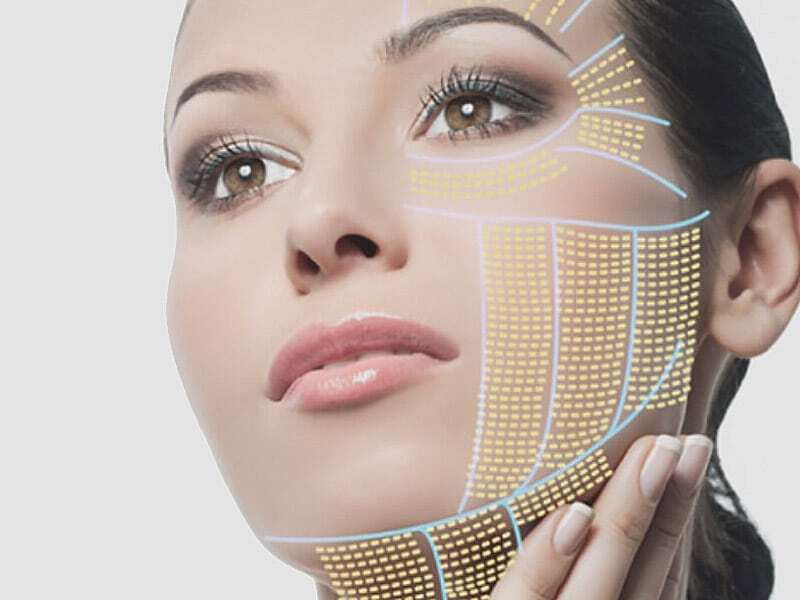
hifu效果, or Hi Fu as it is commonly referred to, is a non-invasive cosmetic treatment that utilizes focused ultrasound energy to stimulate collagen production deep within the skin. 

This innovative approach allows HIFU to effectively lift and tighten sagging and loose areas on the face, neck, and body, resulting in a more sculpted and youthful appearance. 

Unlike traditional surgical face-lifting procedures, HIFU targets the foundational layers of the skin without causing any harm to the outer layers. 

This makes it a safe and popular choice for individuals looking for a non-surgical alternative to traditional facelifts.

The Remarkable Effects of HIFU

  • Lifts and Tightens

HIFU’s key benefit lies in its ability to lift and tighten loose or sagging skin. By penetrating precise areas with focused ultrasound energy, HIFU stimulates collagen production. Collagen, the protein responsible for maintaining skin elasticity and firmness, undergoes a replenishment process with HIFU treatments. 

The result is a noticeable improvement in skin firmness, resulting in a lifted and more youthful appearance.

  • Wrinkle Reduction

As we age, fine lines and wrinkles become more prominent on our faces. HIFU effectively minimizes the appearance of these aging signs by stimulating collagen production and increasing skin elasticity. 

By targeting the deeper layers of the skin, HIFU encourages the natural healing process, reducing the visibility of wrinkles and creating a smoother complexion.

  • Improved Facial Contouring

HIFU’s versatility extends beyond wrinkle reduction. It can be employed to contour and define specific facial areas such as the jawline, cheekbones, and chin. 

By harnessing the power of ultrasound energy, HIFU tightens and sculpts these areas, enhancing the overall facial profile. The treatment can effectively refine facial contours, offering a slimmer and more defined look.

  • Non-Invasive and Minimal Downtime

Unlike surgical procedures that require extensive downtime and recovery, HIFU is a non-invasive treatment with minimal to no downtime. 

This means that individuals can resume their daily activities immediately after the treatment. HIFU sessions are generally comfortable, with minimal discomfort experienced during the procedure. 

This convenience and efficiency make HIFU an attractive option for individuals with busy lifestyles.

Conclusion

HIFU, the revolutionary non-invasive treatment, has swept the beauty industry by storm, offering incredible effects that were once only achievable through surgical procedures. 

With its ability to lift, tighten, reduce wrinkles, and contour the face and body, HIFU is a game-changer for those seeking a refreshed and youthful appearance. 

As technology progresses and more individuals strive to look their best, HIFU stands at the forefront of innovation, providing a safe, effective, and non-surgical solution to their beauty needs. Embrace the power of HIFU and unlock your true beauty potential today!

Landing page 

Let our team of experts guide you through the transformative journey to a youthful and radiant you. Don’t miss out on the chance to redefine your beauty with the incredible power of HIFU!

The HCG diet has become an increasingly popular rapid weight loss method thanks to the development of convenient online HCG drops. But to achieve the best results on this diet, use the drops properly. With many brands of HCG drops available, it’s important to choose one that contains actual diluted homeopathic HCG. The HCG should be manufactured in an FDA-registered facility and tested for purity and potency. Avoid “hormone-free” drops, as these products do not contain real HCG and will not provide the same results. High-quality drops will lead to more appetite suppression and better weight loss outcomes.

Follow the diet protocol correctly

The HCG diet requires following a customized low-calorie diet while taking the HCG drops. Failing to follow the diet protocol properly limits your results. 

  • Begin with the 2-day high-calorie loading phase to bulk up fat stores before the low-calorie phase. 
  • The low-calorie phase should consist of lean proteins, non-starchy vegetables, and limited fruit.
  • Avoid all sugars, unhealthy fats, and most dairy foods during the low-calorie phase. 
  • Drink a minimum of 64oz of water daily to stay hydrated. Include herbal teas and mineral water for variety.
  • Take a high-quality multivitamin to ensure you get sufficient micronutrients while eating so few calories.

Follow the dosing schedule 

Taking the HCG drops at the proper times each day maximizes the effect of the hormone on your metabolism and appetite. 

  1. Place 10-15 drops under your tongue 3 times per day, allowing 1-2 minutes for full absorption before swallowing.
  2. Take drops 20 minutes before each meal for the best appetite suppression effects. You adjust dose timing as needed based on your hunger levels throughout the day.
  3. Use the drops for a minimum of 21 days up to a maximum of 40 days for a single round of the diet. Taking breaks helps avoid HCG resistance.
  4. Allow at least 4 weeks between multiple rounds of the diet to give your body time to reset itself.

Combine with light exercise

While heavy workouts are not recommended on so few calories, light exercise boosts results on the HCG diet. Aim for 20-30 minutes of walking or gentle yoga daily.

  • Increase calorie burn 
  • Boost energy levels
  • Reduce stress 
  • Mobilize fatty acids for use as fuel
  • Increase fat breakdown and prevent muscle loss
  • Regulate appetite hormones 
  • Improve sleep quality

Avoid Pitfalls

Some common mistakes can hinder your progress when using HCG drops. Be sure to avoid it.

  1. Taking extra doses to try to speed up weight loss. This overloads your HCG receptors.
  2. Skipping drops or not taking them at consistent times. Inconsistent dosing reduces efficacy.
  3. Eating hidden sugars or starches that stall weight loss. Read labels carefully.
  4. Under-eating below 500 calories per day. This negatively impacts results.
  5. Overusing diuretics or laxatives depletes nutrients and electrolytes.
  6. Expecting overnight success. The average loss is 0.5 to 1 pound per day. Patience and consistency are key.

Properly using online hcg diet drops Van couver along with the very low-calorie diet plan provides powerful weight loss results. Committing to the protocol sets you up to safely lose up to a pound per day and keep it off long after completing treatment.

Climate change has become one of the most pressing issues of our time, with far-reaching consequences on various aspects of our planet. One area that is significantly affected by climate change is the spread of vector-borne diseases. Vector-borne diseases are illnesses caused by pathogens such as bacteria, viruses, or parasites that are transmitted to humans through the bite of infected arthropods, such as mosquitoes, ticks, and flies.

As global temperatures rise and weather patterns become more erratic, the conditions for the spread of vector-borne diseases are becoming increasingly favorable. Here’s a closer look at how climate change influences the prevalence and distribution of these diseases:

1. Expansion of Vector Habitat

Warmer temperatures allow vectors to survive and thrive in regions where they were previously unable to. Mosquitoes, for example, have specific temperature requirements for their development and survival. As temperatures rise, the geographic range of mosquitoes expands, allowing them to reach new areas and potentially introduce diseases to populations that were once unaffected.

2. Altered Vector Behavior

Climate change also affects the behavior of vectors. Rising temperatures can accelerate the development and reproduction rates of these organisms, leading to increased biting activity and longer breeding seasons. This, in turn, increases the chances of disease transmission to humans.

Furthermore, changes in precipitation patterns can create more breeding sites for vectors. Heavy rainfall or periods of drought can result in the formation of stagnant water bodies, which serve as ideal breeding grounds for mosquitoes. Increased flooding can also displace populations, leading to overcrowding and increased interaction between humans and vectors, further facilitating disease transmission.

3. Altered Disease Dynamics

Climate change not only affects vectors but also influences the pathogens they carry. Higher temperatures can accelerate the replication and mutation rates of these pathogens, potentially increasing their virulence and ability to infect humans.

Furthermore, climate change can disrupt ecological balances, causing shifts in the distribution and abundance of various species. For example, changes in temperature and rainfall patterns can impact the availability of food sources for vectors, leading to changes in their populations and potentially altering the dynamics of disease transmission.

4. Changing Disease Patterns

Climate change has already been linked to the changing patterns of several vector-borne diseases. For instance, the spread of malaria, a disease transmitted by mosquitoes, is heavily influenced by climate factors such as temperature and rainfall.

In some regions, declining rainfall and increased temperatures have led to a reduction in the number of breeding sites for mosquitoes, resulting in a decrease in malaria transmission. Conversely, in other areas, changing climatic conditions have created more suitable habitats for mosquitoes, leading to an increase in malaria cases.

Similar patterns have been observed for other vector-borne diseases like dengue fever, Zika virus, and Lyme disease. As climate change continues to unfold, the prevalence and distribution of these diseases are expected to change, posing significant challenges for public health systems worldwide.

The influence of climate change on the spread of vector-borne diseases cannot be ignored. Rising temperatures, altered vector behavior, changing disease dynamics, and shifting disease patterns are all factors that contribute to the increased risk and impact of these diseases.

To mitigate the effects of climate change on vector-borne diseases, it is crucial to prioritize efforts in disease surveillance, vector control, and public health infrastructure. Additionally, addressing climate change through reducing greenhouse gas emissions and promoting sustainable practices is essential for long-term prevention and control.

Sound healing is an ancient practice that uses various frequencies and vibrations to promote physical, mental, and emotional well-being. This alternative therapy has gained popularity in recent years as people seek natural ways to support their overall health.

The Power of Sound:

Sound has been recognized as a powerful tool for healing since ancient times. Different sounds and frequencies can have a profound impact on our bodies and minds. From the soothing sound of ocean waves to the rhythmic beat of a drum, sound has the ability to influence our mood, emotions, and even our physical state.

When we listen to certain sounds or vibrations, our brainwaves can synchronize with them, leading to a state of relaxation and harmony. This phenomenon, known as entrainment, is the foundation of sound healing.

How Sound Healing Works:

Sound healing can be experienced in various forms, including the use of singing bowls, tuning forks, drums, and even the human voice. Each of these instruments produces specific frequencies and vibrations that can resonate with different parts of our body, promoting balance and healing.

When sound waves enter our body, they travel through our tissues, organs, and cells, creating a gentle massaging effect. This stimulation can help release tension, increase circulation, and improve the flow of energy in our body.

Furthermore, sound healing can also impact our brainwaves. For example, low-frequency sounds can induce a deep state of relaxation, while higher frequencies can promote alertness and focus. By carefully selecting the appropriate sounds and frequencies, sound healers can target specific areas of the body and mind to facilitate healing.

The Therapeutic Benefits:

The therapeutic benefits of sound healing are wide-ranging and can be experienced on multiple levels. Some of the key benefits include:

  • Stress Reduction: Sound healing helps to activate the body’s relaxation response, reducing stress and anxiety.
  • Pain Relief: The vibrations created during sound healing can help alleviate physical pain and discomfort.
  • Improved Sleep: Sound healing can help regulate sleep patterns and promote deep, restful sleep.
  • Enhanced Mood: Certain frequencies and vibrations can stimulate the release of endorphins and serotonin, promoting a positive mood.
  • Increased Energy and Vitality: Sound healing can help balance the body’s energy centers, restoring vitality and promoting overall well-being.

Sound healing is a versatile and powerful therapeutic modality that harnesses the healing properties of sound frequencies and vibrations. By listening to specific sounds and allowing them to resonate within our bodies, we can experience profound physical, mental, and emotional benefits. Whether you choose to explore sound healing through a professional practitioner or through self-guided practices, this ancient art can be a valuable addition to your holistic wellness routine.

As individuals age, the impact on their mental health becomes increasingly significant. The aging process brings about various challenges and changes that can affect a person’s mental well-being. Understanding the intersection of mental health and aging is crucial to ensure the overall well-being of older adults.

1. Age-related Changes and Mental Health

As people age, they may experience several physical and cognitive changes. These changes can have a direct impact on mental health. For example, decreased mobility, chronic health conditions, and the loss of loved ones can lead to feelings of isolation, loneliness, and depression.

Moreover, cognitive decline and memory loss can contribute to anxiety and frustration, making it difficult for older adults to cope with daily activities and maintain their independence. Recognizing and addressing these challenges are essential for promoting positive mental health in the aging population.

2. Stigma and Mental Health in Older Adults

Unfortunately, mental health issues among older adults often go unaddressed due to the stigma surrounding mental health in society. There is a prevalent belief that mental health problems are a normal part of aging, leading to the underdiagnosis and undertreatment of mental health conditions in this population.

It is crucial to challenge this misconception and raise awareness about the importance of mental health at all stages of life. By reducing stigma, older adults are more likely to seek help and receive the necessary support for their mental well-being.

3. Prevention and Supportive Measures

Implementing preventive measures and providing support systems can significantly improve the mental health of older adults. Encouraging regular physical activity, promoting social interactions, and maintaining a healthy lifestyle can help alleviate symptoms of depression and anxiety.

Additionally, providing access to mental health services and resources specifically tailored to the needs of older adults is of utmost importance. This can include counseling services, support groups, and educational programs addressing mental health concerns in aging populations.

4. Caregiver’s Role in Mental Health

Family members and caregivers play a crucial role in supporting the mental health of older adults. Providing emotional support, engaging in active listening, and encouraging open communication can help older adults feel understood and valued.

Caregivers should also be aware of the signs of mental health issues and seek professional help when necessary. Collaborating with healthcare professionals can ensure that older adults receive the appropriate treatment and support for their mental well-being.

5. Empowering Older Adults

Empowering older adults is essential to promote positive mental health. Encouraging them to maintain their independence, engage in meaningful activities, and pursue hobbies and interests can enhance their overall well-being.

Furthermore, fostering a sense of purpose and belonging within the community can significantly impact mental health. By recognizing the value and wisdom older adults bring, society can create an environment that supports their mental and emotional needs.

The intersection of mental health and aging is a crucial aspect of overall well-being in older adults. Understanding the age-related changes, challenging stigma, implementing preventive measures, involving caregivers, and empowering older adults are all essential components in promoting positive mental health. By prioritizing mental health at all stages of life, we can ensure a healthier and happier aging population.

Bees play a crucial role in our ecosystem as pollinators, and their impact on human health cannot be understated. Pollination is the process by which plants transfer pollen from the male reproductive organs to the female reproductive organs, enabling successful reproduction. Bees are one of the most effective and important pollinators, responsible for fertilizing a wide variety of plants, including many of the crops that make up a significant portion of our diet.

Pollination and Food Security

One of the primary reasons bees are so important to human health is their role in ensuring food security. It is estimated that bees contribute to the pollination of around one-third of the world’s food crops. Without bees, many fruits, vegetables, and nuts would become scarce or disappear altogether. This would not only lead to a less diverse and nutritious diet but also have severe economic implications.

Many staple crops, including apples, almonds, and berries, rely heavily on bee pollination. The decline in bee populations in recent years, attributed to factors such as habitat loss, pesticide use, and climate change, has raised concerns about the future of our food supply. Without sufficient pollination, crop yields would decrease, resulting in higher prices and potential food shortages.

Medicinal Benefits

In addition to their role in pollination, bees also contribute to human health through their production of honey and other bee products. Honey has been used for centuries as a natural remedy for various ailments, including sore throats, coughs, and wounds. It has antimicrobial and anti-inflammatory properties, making it an effective treatment for certain infections and skin conditions.

Bee products such as royal jelly, propolis, and bee pollen are also known for their medicinal benefits. Royal jelly, secreted by worker bees, is rich in proteins, vitamins, and minerals. It is believed to have anti-aging properties and to enhance immune function. Propolis, a resinous substance bees collect from tree buds, has antimicrobial, antifungal, and anti-inflammatory properties. Bee pollen is considered a natural source of antioxidants and is used to boost energy levels and support overall well-being.

Biodiversity and Environmental Balance

Another reason bees are vital for human health is their role in maintaining biodiversity and environmental balance. Bees are not only responsible for pollinating crops but also wild plants, including those that provide habitats and food sources for other animals. By facilitating the reproduction of different plant species, bees contribute to the overall health and resilience of ecosystems.

The decline in bee populations has far-reaching consequences beyond food security. It can disrupt entire ecosystems, leading to reduced biodiversity and imbalances in the natural environment. This, in turn, can have a cascading effect on other species, including those that depend on the plants bees pollinate for their own survival.

Protecting Bees and Ensuring Their Survival

Given the critical role bees play in our lives, it is essential to take action to protect them and ensure their survival. This can be achieved through various means, including creating and preserving bee-friendly habitats, reducing the use of pesticides, and raising awareness about the importance of bees among the general public.

Individuals can contribute by planting bee-friendly flowers in their gardens, avoiding the use of harmful pesticides, and supporting local beekeepers. Governments and organizations can implement policies and initiatives to protect pollinator habitats, promote sustainable agricultural practices, and invest in research and education to address the challenges bees face.

In conclusion, bees are not only important for the pollination of crops but also have a significant impact on human health. Their role in ensuring food security, providing medicinal benefits, and maintaining biodiversity and environmental balance cannot be overlooked. By recognizing the importance of bees and taking steps to protect them, we can secure a healthier and more sustainable future for both bees and humans.

In today’s fast-paced digital age, the constant exposure to screens and the overwhelming amount of information available can lead to increased stress levels. As we spend more time online, it becomes crucial to find effective ways to manage our screen time and combat information overload. By adopting a mindful and balanced approach, we can improve our well-being and reduce the negative impact of excessive digital consumption.

Recognizing the Effects of Digital Stress

Spending excessive time in front of screens can have detrimental effects on our mental and physical health. It can lead to symptoms such as eye strain, headaches, poor sleep quality, decreased productivity, and heightened anxiety levels. Moreover, the constant bombardment of information can leave us feeling overwhelmed and mentally exhausted.

Therefore, it is essential to acknowledge the impact of digital stress and take proactive steps to manage it effectively.

Setting Boundaries with Screen Time

One of the key strategies for managing stress in the digital age is setting boundaries with screen time. Establishing a healthy balance between online and offline activities can significantly reduce the negative effects of excessive screen exposure.

Consider implementing the following practices:

  1. Set specific time limits for using digital devices, both for work and leisure activities.
  2. Create designated screen-free zones in your home, such as bedrooms or dining areas.
  3. Engage in regular breaks from screens, incorporating physical activities or hobbies.
  4. Practice digital detoxes by taking extended periods away from devices, such as weekends or vacations.

By setting boundaries, you create a healthier relationship with technology and allow yourself time for other fulfilling activities.

Filtering and Organizing Information

Information overload is a common consequence of the digital age. With an abundance of news, social media updates, and emails, it’s easy to become overwhelmed. Fortunately, there are practical ways to manage the influx of information:

  • Use email filters and folders to organize incoming messages and prioritize important ones.
  • Curate your social media feeds by unfollowing accounts that do not add value to your life.
  • Bookmark websites and articles for later reading instead of trying to consume everything at once.
  • Consider using productivity tools and apps that help manage and categorize information effectively.

By filtering and organizing the information you consume, you can create a more streamlined and manageable digital experience.

Practicing Mindfulness and Self-Care

Mindfulness and self-care play crucial roles in managing stress, particularly in the digital age. By consciously taking steps to prioritize your well-being, you can minimize the negative impact of constant digital exposure.

Some effective strategies include:

  • Engaging in regular physical exercise to reduce tension and improve mental clarity.
  • Practicing mindfulness techniques, such as meditation or deep breathing exercises, to calm the mind.
  • Scheduling regular breaks throughout the day to disconnect from screens and engage in self-care activities.
  • Establishing a consistent sleep routine to ensure quality rest and rejuvenation.

By incorporating these self-care practices into your routine, you can create a healthier relationship with technology and alleviate digital stress.

As we navigate the digital age, managing stress becomes increasingly important. By setting boundaries with screen time, filtering and organizing information, and practicing mindfulness and self-care, we can effectively mitigate the negative impact of excessive digital consumption. Remember, finding a balance between our online and offline lives is key to maintaining overall well-being in today’s fast-paced world.

Oral health plays a crucial role in our overall well-being, and recent studies have shown a significant link between oral health and cardiovascular diseases. While the connection between oral health and heart health may not be immediately apparent, research has revealed that poor oral hygiene and the presence of gum disease can contribute to the development of various cardiovascular conditions.

Understanding the Link

Gum disease, also known as periodontal disease, is a common oral health issue that affects the tissues surrounding the teeth. When left untreated, it can lead to inflammation and infection, causing the gums to pull away from the teeth and form pockets. These pockets become a breeding ground for bacteria, which can enter the bloodstream and travel to other parts of the body, including the heart.

Scientific studies have shown that the same bacteria responsible for gum disease have been found in the plaque that clogs the arteries. This plaque buildup can lead to atherosclerosis, a condition characterized by the narrowing and hardening of the arteries. When the arteries become narrow, blood flow to the heart is restricted, increasing the risk of heart attacks and other cardiovascular diseases.

Prevention is Key

Maintaining good oral hygiene practices is essential for preventing gum disease and reducing the risk of cardiovascular diseases. Here are some essential steps to follow:

  • Brush your teeth at least twice a day using fluoride toothpaste.
  • Floss daily to remove plaque and food particles from between the teeth.
  • Use an antimicrobial mouthwash to kill bacteria and freshen breath.
  • Visit your dentist regularly for professional cleanings and check-ups.

In addition to these oral care practices, adopting a healthy lifestyle can also contribute to better oral and cardiovascular health. Avoiding tobacco products, maintaining a balanced diet, and managing stress levels are all factors that can positively impact both your oral and heart health.

The Importance of Regular Dental Check-ups

Regular dental check-ups are crucial for early detection and prevention of gum disease. Dentists can identify signs of inflammation, infection, or other oral health issues that may contribute to cardiovascular diseases. They can provide professional cleanings to remove plaque and tartar buildup, reducing the risk of bacteria entering the bloodstream.

Furthermore, if you already have a pre-existing cardiovascular condition, it is essential to inform your dentist. They can take necessary precautions during dental procedures to minimize the risk of bacteria entering the bloodstream.

Good oral health is not just about having a beautiful smile; it is also closely linked to our cardiovascular well-being. Maintaining proper oral hygiene practices, such as regular brushing, flossing, and dental check-ups, can significantly reduce the risk of gum disease and its potential impact on cardiovascular health. By taking care of our teeth and gums, we can strive for a healthier heart.

Stem cell research has emerged as a revolutionary field of study with immense potential in various medical applications. One area where stem cells have shown significant promise is in anti-aging treatments. In recent years, breakthroughs in stem cell research have offered new hope for combating the effects of aging and rejuvenating the human body.

The Science Behind Stem Cells

Stem cells are undifferentiated cells that have the remarkable ability to develop into different types of specialized cells in the body. They can self-renew and divide to produce more stem cells or differentiate into specific cell types, such as muscle, nerve, or skin cells. This unique characteristic makes them invaluable in regenerative medicine.

Anti-Aging Potential of Stem Cells

As we age, our body’s ability to regenerate and repair itself diminishes. This decline is evident in the visible signs of aging, such as wrinkles, loss of skin elasticity, and reduced muscle mass. Stem cells offer a potential solution to counteract these effects by stimulating the body’s natural regenerative processes.

Researchers have discovered that stem cells can secrete various growth factors and signaling molecules that promote tissue repair and regeneration. By harnessing these properties, scientists are exploring ways to utilize stem cells to reverse the signs of aging.

Breakthroughs in Stem Cell Research

Recent advancements in stem cell research have provided exciting breakthroughs in anti-aging treatments. One significant development is the ability to extract stem cells from adipose tissue, commonly known as fat cells. Adipose-derived stem cells (ADSCs) have shown tremendous potential in rejuvenating aging skin.

Scientists have found that ADSCs can differentiate into skin cells and stimulate the production of collagen and elastin, two essential proteins responsible for maintaining skin elasticity and firmness. Clinical trials have demonstrated that injecting ADSCs into the skin can reduce wrinkles, improve skin texture, and enhance overall skin quality.

In addition to ADSCs, researchers are also exploring the use of induced pluripotent stem cells (iPSCs) in anti-aging therapies. iPSCs are adult cells that are reprogrammed to behave like embryonic stem cells, offering the ability to generate various cell types. This opens up new possibilities for regenerating damaged tissues and organs affected by aging.

The Future of Anti-Aging Treatments

While stem cell research has made significant progress in anti-aging treatments, there is still much to uncover. Scientists are continuously exploring different approaches to harness the potential of stem cells and refine their application in rejuvenation therapies.

Advancements in stem cell technology, such as tissue engineering and gene editing, hold great promise for the future of anti-aging treatments. By combining these innovative techniques with the regenerative properties of stem cells, researchers aim to develop more targeted and effective interventions to reverse the effects of aging.

Breakthroughs in stem cell research have opened up new possibilities in the field of anti-aging treatments. The unique regenerative properties of stem cells offer a potential solution to counteract the effects of aging and rejuvenate the human body. As research continues to progress, we can look forward to more innovative therapies that harness the power of stem cells to help us age gracefully.

In recent years, telemedicine has emerged as a promising solution to the healthcare challenges faced by remote communities. With advancements in technology and the increasing accessibility of internet connectivity, telemedicine has the potential to revolutionize the way healthcare is delivered to individuals living in remote areas. This article explores the future of telemedicine and its implications for remote communities.

What is Telemedicine?

Telemedicine, also known as telehealth, refers to the use of telecommunications technology to provide remote clinical healthcare services. It allows patients to consult with healthcare professionals, receive diagnoses, and access treatment plans without the need for in-person visits. Telemedicine can be conducted through various mediums such as video calls, phone calls, text messaging, and even remote monitoring devices.

The Advantages of Telemedicine for Remote Communities

1. Increased Access to Healthcare: One of the primary benefits of telemedicine is that it expands access to healthcare services for individuals living in remote communities. These areas often lack sufficient healthcare facilities and specialists, making it challenging for residents to receive timely and quality care. Telemedicine bridges this gap by enabling remote consultations, reducing the need for long and expensive travel.

2. Cost-Effective: Telemedicine can significantly reduce healthcare costs for both patients and healthcare providers. Remote consultations eliminate the need for transportation expenses, saving patients money. Additionally, telemedicine can help reduce the burden on healthcare facilities by minimizing the number of unnecessary in-person visits, leading to cost savings for both patients and healthcare systems.

3. Timely Diagnosis and Treatment: Telemedicine enables healthcare professionals to diagnose and treat patients in a timely manner, regardless of their geographical location. Through virtual consultations, patients can receive medical advice promptly, avoiding delays that could worsen their conditions. This is particularly crucial for remote communities where access to healthcare services may be limited.

4. Continuity of Care: Telemedicine allows for better coordination and continuity of care for patients in remote communities. Through remote monitoring devices, healthcare professionals can remotely track patients’ vital signs and health conditions, ensuring that appropriate interventions are implemented when necessary. This helps prevent complications and improves overall patient outcomes.

The Future of Telemedicine

The future of telemedicine looks promising, with continuous advancements in technology and increasing acceptance from healthcare providers and patients. Here are some key trends that are likely to shape the future of telemedicine:

  • Artificial Intelligence (AI) Integration: AI technology can enhance telemedicine by enabling accurate diagnosis, personalized treatment plans, and predictive analytics. AI-powered chatbots can provide initial assessments and triage patients based on their symptoms, providing valuable insights to healthcare professionals.
  • Virtual Reality (VR) and Augmented Reality (AR): VR and AR technologies have the potential to revolutionize telemedicine by providing immersive experiences. Surgeons can use VR to practice complex procedures, while patients can use AR to receive real-time guidance during self-administered treatments.
  • Internet of Things (IoT) Integration: IoT devices, such as wearables and remote monitoring devices, can capture and transmit real-time patient data to healthcare professionals. This integration allows for remote monitoring of chronic conditions and early detection of potential health issues.

The future of telemedicine holds great promise for remote communities. With increased access to healthcare, cost-effectiveness, timely diagnosis and treatment, and improved continuity of care, telemedicine has the potential to bridge the healthcare gap in remote areas. As technology continues to advance, the integration of AI, VR/AR, and IoT will further enhance telemedicine, ensuring that individuals in remote communities receive the quality care they deserve.