Category

Health

Category

The pursuit of healthier, glowing skin is a common goal for many women. With the market flooded with an array of skin supplements for women, understanding what these supplements do and their efficacy is crucial. This article delves into the science behind these supplements, explaining how they work and what you should consider before adding them to your regimen.

Understanding Skin Health

Skin health is influenced by various factors, including genetics, diet, environment, and skincare routines. While topical treatments address external issues, the concept behind skin supplements is to nourish the skin from within. These supplements often contain vitamins, minerals, antioxidants, and other compounds believed to support skin health.

Key Ingredients in Skin Supplements

Vitamins

Vitamins play a significant role in maintaining skin health. Vitamin C, known for its antioxidant properties, helps in collagen production, which is vital for skin elasticity and firmness. Vitamin E, another powerful antioxidant, protects the skin from damage caused by free radicals and UV radiation. Vitamin A, often found in the form of retinoids, promotes cell turnover, aiding in the reduction of fine lines and wrinkles.

Minerals

Zinc and selenium are essential minerals frequently included in skin supplements for women. Zinc aids in healing skin wounds, reducing inflammation, and balancing oil production, making it particularly beneficial for those with acne-prone skin. Selenium, on the other hand, works synergistically with vitamins to protect the skin from oxidative stress.

Collagen

Collagen supplements have gained popularity for their purported ability to improve skin elasticity and hydration. Collagen is a protein that gives skin its structure, but natural production decreases with age. Supplementing with collagen peptides can potentially replenish some of this lost collagen, leading to firmer, more supple skin.

Antioxidants

Antioxidants like coenzyme Q10, resveratrol, and green tea extract are commonly included in skin supplements for their protective effects against environmental stressors. These compounds neutralise free radicals, which can damage skin cells and accelerate ageing.

How Skin Supplements Work

Skin supplements for women work by providing the body with additional nutrients that may be lacking in the diet. When ingested, these nutrients are absorbed into the bloodstream and delivered to various tissues, including the skin. This systemic approach can address underlying deficiencies and support overall skin health.

For instance, antioxidants in supplements can reduce oxidative stress, which is a major contributor to skin ageing. Vitamins and minerals support the body’s natural processes, such as collagen production and cell repair, leading to healthier skin over time.

The Science Behind Efficacy

While the ingredients in skin supplements have known benefits, the extent to which they improve skin health can vary. Scientific studies on the efficacy of these supplements provide mixed results. Some studies show significant improvements in skin hydration, elasticity, and reduction in wrinkles, while others suggest only marginal benefits.

One key factor is bioavailability, which refers to how well the body can absorb and utilise these nutrients. Not all supplements are created equal; formulations and the quality of ingredients can impact their effectiveness. For example, certain forms of vitamins are more easily absorbed than others.

Considerations Before Taking Skin Supplements

Consultation with a Healthcare Professional

Before incorporating skin supplements into your routine, it is advisable to consult with a healthcare professional. They can help determine if you have any nutritional deficiencies and whether supplements are necessary. They can also guide you on the appropriate dosages and potential interactions with other medications you may be taking.

Quality and Sourcing

When choosing skin supplements for women, it is essential to consider the quality and sourcing of the products. Look for supplements that are third-party tested for purity and potency. Products from reputable brands are more likely to contain the ingredients listed on the label in the correct dosages.

Balanced Diet

Supplements should not replace a balanced diet. A healthy diet rich in fruits, vegetables, lean proteins, and healthy fats provides the necessary nutrients for optimal skin health. Supplements can be a valuable addition but should not be relied upon as the sole source of nutrition.

Potential Risks and Side Effects

While skin supplements can offer benefits, they may also pose risks and side effects, particularly when taken in excess. For example, high doses of certain vitamins, such as vitamin A, can lead to toxicity and adverse effects like nausea, headache, and even liver damage. Additionally, some individuals may experience allergic reactions to ingredients in supplements, highlighting the importance of reading labels carefully and being aware of any sensitivities.

It’s also crucial to consider the potential interactions between supplements and medications. Certain supplements can interfere with the absorption or effectiveness of medications, leading to unintended consequences. For instance, vitamin K supplements can interact with blood thinners, affecting their ability to regulate blood clotting. Therefore, it’s essential to disclose all supplements you’re taking to your healthcare provider to avoid any potential complications.

Conclusion

Skin supplements for women offer a promising avenue for supporting skin health from the inside out. With key ingredients like vitamins, minerals, collagen, and antioxidants, these supplements can complement your skincare routine. However, it is essential to approach them with realistic expectations and a focus on overall health and wellness. Consulting a healthcare professional and prioritising a balanced diet are critical steps in achieving healthier, radiant skin. By understanding the science behind these supplements, you can make informed decisions that benefit your skin in the long run.

What is TRT?

Testosterone Replacement Therapy (TRT) is a medical treatment designed to supplement low levels of testosterone in men. This therapy is often prescribed to men who have been diagnosed with hypogonadism, a condition where the body does not produce enough testosterone. TRT can be administered through various methods, including injections, patches, gels, and pellets.

Benefits of TRT

Many men with low testosterone report improved energy levels, sex drive, and mood after testosterone treatment. The benefits of TRT can also include increased muscle mass, bone density, and overall well-being. For those struggling with symptoms of low testosterone, TRT can be a life-changing treatment.

Potential Risks and Side Effects

While TRT offers numerous benefits, it is not without potential risks and side effects. Some men may experience acne, sleep apnea, or an increase in red blood cell count. It is crucial to discuss these potential risks with a healthcare provider to determine if testosterone replacement therapy is right for you. Regular monitoring and follow-up appointments can help mitigate these risks and ensure the treatment is effective and safe.

The Role of Monitoring in TRT

Importance of Regular Blood Tests

Regular blood tests are crucial for anyone undergoing Testosterone Replacement Therapy (TRT). These tests help in tracking hormone levels and ensuring that the treatment is effective. Prostate risk and monitoring are also essential aspects that need to be considered. Blood tests can help in identifying any potential issues early on, allowing for timely intervention.

Tracking Symptoms and Side Effects

Monitoring symptoms and side effects is another critical component of TRT. Patients should keep a detailed record of any changes they experience, both positive and negative. This information can be invaluable for healthcare providers in making necessary adjustments to the treatment plan. TRT was associated with a greater increase in PSA than placebo in the first year of treatment, highlighting the importance of vigilant monitoring.

Adjusting Treatment Based on Results

Adjustments to the treatment plan should be made based on the results of regular monitoring. This may include changes in dosage or even switching to a different form of testosterone. The goal is to optimize the treatment for the best possible outcomes while minimizing side effects. Regular monitoring allows for a more personalized approach, ensuring that the treatment remains effective over time.

Dosage Adjustment Strategies

Factors Influencing Dosage

Several factors can influence the optimal testosterone dosage in TRT. These include age, weight, baseline testosterone levels, and overall health. Additionally, individual response to treatment and symptom improvement play crucial roles in determining the appropriate dosage.

Methods for Adjusting Dosage

There are various methods for adjusting testosterone dosage in TRT. These methods include:

  • Incremental Adjustments: Gradually increasing or decreasing the dosage based on regular monitoring and blood test results.
  • Symptom-Based Adjustments: Modifying the dosage according to the patient’s reported symptoms and side effects.
  • Combination Approach: Using a mix of both incremental and symptom-based adjustments to fine-tune the treatment.

When to Consult Your Doctor

It is essential to consult your doctor before making any changes to your TRT dosage. Regular consultations ensure that adjustments are made safely and effectively. Your healthcare provider can offer guidance based on your specific needs and monitor for any potential side effects or complications.

Lifestyle Factors Affecting TRT Outcomes

Optimizing the results of Testosterone Replacement Therapy (TRT) involves more than just medication. Several lifestyle factors play a crucial role in determining the effectiveness of TRT.

Diet and Nutrition

A balanced diet rich in essential nutrients can significantly impact TRT outcomes. Obesity and poor dietary habits can lead to hormonal imbalances, which may counteract the benefits of TRT. It’s important to include foods that support hormonal health, such as lean proteins, healthy fats, and plenty of fruits and vegetables.

Exercise and Physical Activity

Regular physical activity is essential for maximizing the benefits of TRT. Exercise helps in reducing visceral fat mass, which is known to disrupt the gonadal axis and lower testosterone levels. Incorporating both cardiovascular and strength training exercises can enhance overall well-being and support hormonal balance.

Stress Management

Chronic stress can negatively affect testosterone levels and overall health. Effective stress management techniques, such as mindfulness, meditation, and adequate sleep, are vital for maintaining optimal TRT results. Reducing stress can help in stabilizing hormone levels and improving the body’s response to TRT.

Common Challenges and Solutions in TRT

Dealing with Plateaus

One of the most common challenges in testosterone replacement therapy (TRT) is hitting a plateau. Patients may initially experience significant improvements, but over time, the benefits may level off. To address this, it’s crucial to regularly review and adjust the treatment plan. This may involve altering the dosage or trying different forms of testosterone.

Managing Side Effects

While TRT can offer numerous benefits, it also comes with potential side effects. Common side effects include acne, sleep apnea, and increased red blood cell count. To manage these, patients should work closely with their healthcare providers. Regular blood tests and monitoring can help in identifying and mitigating these issues early on.

Ensuring Consistent Treatment

Consistency is key in TRT. Missing doses or irregular administration can lead to fluctuations in testosterone levels, which can affect the overall effectiveness of the treatment. Patients should adhere to their prescribed schedule and consult their doctors if they encounter any issues. Regular follow-ups with healthcare providers can ensure that the treatment remains effective and safe.

The Importance of Patient Education

Patient education is a crucial aspect of Testosterone Replacement Therapy (TRT). Understanding the treatment plan and its implications can empower individuals to make informed decisions about their health. Communicating effectively with healthcare providers ensures that patients receive the necessary support and guidance throughout their TRT journey. Staying informed about new research and developments in the field of TRT can help patients stay up-to-date with the latest advancements in treatment options. By prioritizing patient education, individuals can take an active role in their treatment and overall well-being.

As a recent college graduate preparing for job interviews, I wanted to put my best face forward. However, I had always been self-conscious about the numerous skin tags and minor blemishes on my skin. I knew that first impressions are crucial, and I wanted to feel confident and polished. 


That’s when I discovered the Neatcell Picosecond Laser Pen. After using it for a few months, I can confidently say that it has made a significant difference in my skin’s appearance and my self-esteem. 


In this review, I’ll share my experience with the Neatcell Picosecond Laser Pen, how it works, and why I believe it’s a game-changer for anyone looking to improve their skin at home.

What is Neatcell?

The Neatcell Picosecond Laser Pen is a cosmetic device designed for various skin treatments, including tattoo removal, skin rejuvenation, and the treatment of pigmented lesions. It has gained popularity due to its effectiveness and non-invasive nature. 

The pen is available in two versions: red light and blue light, each targeting different pigment types. The red light version is typically used for black tattoos, while the blue light version is more effective for colored tattoos and other pigmented lesions.

How Does It Work?

The Neatcell Picosecond Laser Pen works by emitting extremely short pulses of laser energy, measured in picoseconds (one trillionth of a second). These pulses are absorbed by the pigment in the skin, breaking it down into smaller particles that the body’s immune system can naturally remove. 

This process not only helps in removing unwanted tattoos and pigmentation but also stimulates collagen production, improving skin texture and reducing the appearance of wrinkles.

The pen uses different wavelengths to target various pigment colors: a 755nm wavelength for darker colors like black and blue, and a 532nm wavelength for red, orange, and yellow pigments. This allows for effective treatment of a wide range of tattoo colors and pigmented lesions.

How to Use Neatcell Picosecond Laser Pen

Using the Neatcell Picosecond Laser Pen involves several steps to ensure safety and effectiveness:

  1. Preparation:Power on the device and wait for the digital screen to display the frequency and intensity settings.
  2. Setting the Device:Adjust the intensity and frequency using the “Inten” and “Fre/Hz” buttons. It is recommended to start at the lowest settings and gradually increase as needed. For new users, the lowest frequency (level 9) and weakest intensity (1 bar) are advised
  3. Application:Position the pen’s hole over the spot you wish to treat. For the blue laser pen, do not stay in the same location for more than 2 seconds to avoid skin damage
  4. Post-Treatment Care:Apply a repair essence or healing lotion immediately after treatment to soothe the skin.

Treatments should be spaced several weeks apart, with a typical recommendation of one session per month. Multiple sessions may be required for optimal results, especially for tattoo removal and deep pigmentation

The Pros and Cons of Neatcell Picosecond Laser Pen

Pros

  1. Cost-Effective:The Neatcell Picosecond Laser Pen is significantly cheaper than professional laser treatments, which can cost thousands of dollars per session
  2. Convenience:It allows users to perform treatments at home, saving time and the hassle of scheduling appointments at a clinic
  3. Versatility:The pen can be used for various skin issues, including tattoo removal, acne scars, age spots, freckles, and wrinkles
  4. Quick Results:Users have reported seeing results after a few sessions, with some tattoos and skin blemishes fading noticeably
  5. Minimal Side Effects:When used correctly, the pen causes minimal side effects compared to traditional laser treatments, such as reduced risk of scarring and hyperpigmentation

Cons

  1. Safety Concerns:Improper use can lead to skin damage, burns, or blisters. The blue light version, in particular, requires careful handling and protective eyewear, which is not always provided
  2. Effectiveness:The effectiveness of the pen can vary widely. Some users report significant improvements, while others see little to no change
  3. Lack of Professional Guidance:Without professional supervision, users may not achieve optimal results and could potentially harm their skin

Is Neatcell Legit?

The Neatcell Picosecond Laser Pen is considered legitimate. The pen uses picosecond laser technology, which is a well-established method in dermatology for breaking down pigment particles in the skin. This technology is known for its ability to deliver ultra-short pulses of laser energy, minimizing heat transfer to surrounding tissues and reducing the risk of side effects

Many users have shared positive experiences with the Neatcell Picosecond Laser Pen, noting its effectiveness in fading tattoos and improving skin conditions like acne scars and age spots

When used according to the manufacturer’s instructions, the pen is safe and effective with minimal side effects. It is designed to be less damaging to the skin than traditional laser treatments

The Neatcell Picosecond Laser Pen has been featured in reputable beauty magazines and has won awards, further validating its effectiveness and popularity.

Where to Buy Neatcell Picosecond Laser Pen?

To guarantee you are getting an authentic Neatcell Picosecond Laser Pen, it is best to buy directly from the official Neatcell retail store. 

This ensures you receive a high-quality product with the manufacturer’s warranty and access to customer service. 

The official store often has special deals and discounts, making it a reliable and cost-effective choice.

As we age, maintaining well-being becomes more important, but it can also be harder. Seniors may have a hard time doing everyday things, which affects their overall quality of life. That’s why companion care services are needed. 

In this blog post, we will talk about how senior companion care can make older adults feel better and make their lives better.

What Does Companion Care Look Like?

Companion care is helping seniors in their homes or assisted living facilities. Companion caregivers help seniors with daily tasks like cooking, cleaning, taking them places, and being with them. This helps them stay independent and involved in their communities.

What Caregivers Do For Their Companions?

Companion caregivers help their senior clients by offering emotional support, companionship, and encouragement. They help seniors with tasks that might be hard for them because of their age. This helps them stay independent and enjoy life.

How Senior Companion Care Helps People Feel Better?

Let’s take a look at the reasons on why senior companion care is a good idea and how it helps people to feel good.

Getting Rid Of Loneliness And Isolation

Seniors often feel lonely and alone, especially if they live alone or don’t have many friends. Companion caregivers help seniors feel less lonely and isolated by talking with them, doing things together, and going on trips.

Promotion Of Mental And Emotional Health

Caregivers help seniors feel better mentally and emotionally. They help seniors deal with challenges, stress, and feelings of anxiety or depression. A companion caregiver can improve seniors mood, self-esteem, and overall outlook on life.

Enhancing Quality of Life

Companion caregivers help seniors by helping them with daily activities and giving them practical help. They help seniors with things like meal preparation, grocery shopping, medication reminders, and transportation.

Helping Families Feel Calm And Relaxed

Companion care services not only help seniors, but they also give families peace of mind. Knowing that their loved ones are getting care and support from trained caregivers can help family members relax and focus on their own responsibilities.

Making Companion Care Specific To Each Person

Here is how to customize a plan for every senior person:

Plans For Taking Care Of Yourself

Companion care services are designed to meet the needs of each senior client. Caregivers work with seniors and their families to make care plans that address their specific needs, preferences, and goals.

Being Able To Change And Adapt

Caregivers are able to adjust their approach to seniors’ changing needs and circumstances. Caregivers help seniors by providing companionship, running errands, or helping them with personal care tasks. They respond to their changing needs and make sure they get the best care at all times.

Conclusion

Senior companion care services help older adults thrive in their golden years by providing them with essential support, companionship, and assistance. Companion caregivers help seniors live independently and have happy lives by reducing loneliness.

In home care services improve mental and emotional health, making life better, and giving families peace of mind. If you or someone you care about could use companion care, contact a reputable home care company to find out what options are available and how it can help your life.

Key Takeaways:

  • Personal trainer certification is crucial for aspiring fitness professionals to demonstrate their competence and qualifications.
  • Certified personal trainers provide numerous benefits, including personalized workout plans, guidance on proper techniques, and motivation.
  • Accreditation, curriculum, cost, and time commitment are important factors to consider when choosing a certification program.
  • Popular certification programs include ACE, NASM, ACSM, ISSA, and NSCA, each with its own unique features and specializations.
  • Less common but reputable certifications like NCSF and NFPT are worth exploring for specific niches or populations.
  • Obtaining and maintaining certification requires meeting prerequisites, passing exams, participating in continuing education, and staying updated.
  • Certifying organizations often provide support, resources, and networking opportunities for certified personal trainers.

1. Understanding the Importance of Personal Trainer Certification

Why Is Personal Trainer Certification Necessary?

Personal trainer certification is a crucial step for anyone aspiring to become a professional in the fitness industry. It not only demonstrates your competence and knowledge in the field but also assures potential clients that you have the necessary qualifications to guide them on their fitness journey.

By completing a personal trainer certification program, you acquire the skills and expertise needed to design safe and effective exercise programs, assess clients’ fitness levels, and provide valuable guidance on nutrition and lifestyle modifications.

Moreover, personal trainer certification is often a requirement for employment at reputable fitness facilities, as it ensures that trainers meet certain industry standards and uphold ethical practices.

Benefits of Hiring a Certified Personal Trainer

When it comes to working out, having a certified personal trainer by your side can make all the difference. Certified personal trainers possess the knowledge and experience to create personalized workout plans that cater to your specific goals, whether it’s weight loss, strength training, or overall fitness.

Furthermore, certified trainers can provide guidance on proper exercise techniques, helping you avoid injuries and maximize the effectiveness of your workouts. They are also well-versed in anatomy and physiology, allowing them to understand how different exercises and movements impact your body.

Additionally, certified personal trainers can offer valuable support and motivation, holding you accountable and pushing you to achieve your fitness goals. They can help you overcome plateaus, adapt your workouts as you progress, and provide a fresh perspective on your fitness journey.

The Role of Certification in Ensuring Quality Training

Personal trainer certification plays a crucial role in maintaining quality standards within the fitness industry. Certified trainers have undergone comprehensive training and education, equipping them with the knowledge and skills necessary to provide safe and effective training to their clients.

By choosing a certified personal trainer, you can have confidence in their ability to design workouts that align with your individual needs and goals, taking into account any specific health considerations or limitations you may have.

Moreover, certified trainers must adhere to a code of ethics, which ensures professionalism, confidentiality, and respect for clients’ boundaries. This code of conduct protects clients and helps build trust and rapport between trainers and those they train.

2. Criteria for Choosing the Best Personal Trainer Certification

Accreditation: Is the Certification Recognized and Respected?

What is the best personal trainer certification? One of the most important factors to consider when choosing a personal trainer certification is accreditation. Accreditation ensures that the certification program meets certain industry standards and is recognized and respected by fitness professionals and employers.

Look for certifications that are accredited by reputable organizations such as the National Commission for Certifying Agencies (NCCA) or the European Health & Fitness Association (EHFA). These organizations evaluate certification programs based on criteria such as content validity, administrative processes, and psychometric soundness.

An accredited certification not only demonstrates that you have received a quality education but also enhances your credibility and employability within the fitness industry.

Curriculum and Course Content: What Does the Certification Cover?

When evaluating different personal trainer certifications, it’s important to thoroughly examine the curriculum and course content. A comprehensive certification program should cover topics such as exercise science, anatomy and physiology, exercise programming and prescription, nutrition, and client assessment.

Consider whether the certification provides in-depth knowledge on these topics and whether the course materials are up-to-date with the latest research and industry best practices. Additionally, look for certifications that offer practical experience and hands-on training to ensure you are well-prepared to work with clients in real-world settings.

Cost and Time Commitment: Finding the Right Program

Another crucial aspect to consider when choosing a personal trainer certification is the cost and time commitment required to complete the program. Certification programs can vary greatly in terms of duration and cost, so it’s important to find a program that fits your budget and schedule.

While it’s tempting to opt for the most affordable option, keep in mind that cheaper certifications may not hold the same level of recognition and respect within the industry. On the other hand, more expensive certifications may provide additional benefits such as extensive study materials, ongoing support, and job placement assistance.

Consider your goals, budget, and time availability when selecting the right certification program for you. Remember that investing in a reputable certification is a worthwhile investment in your professional development and future success as a personal trainer.

3. Popular Personal Trainer Certification Programs in the Fitness Industry

Comparing ACE, NASM, and ACSM Certifications

ACE (American Council on Exercise), NASM (National Academy of Sports Medicine), and ACSM (American College of Sports Medicine) are among the most popular and well-respected personal trainer certification programs in the fitness industry.

ACE certification is known for its emphasis on practical application and real-world scenarios. Their curriculum covers a wide range of topics, including behavior change, program design, and client motivation.

NASM certification focuses on evidence-based practices and uses a systematic approach to assess, correct, and strengthen movement patterns. They provide specialized certifications in areas such as corrective exercise, performance enhancement, and fitness nutrition.

ACSM certification is highly regarded for its scientific rigor and comprehensive coverage of exercise science. Their curriculum includes topics such as exercise physiology, biomechanics, and exercise prescription for special populations.

When choosing between these certifications, consider your individual learning style, career goals, and the specific populations you wish to work with.

Unique Features and Specializations of ISSA and NSCA Certifications

The ISSA (International Sports Sciences Association) and NSCA (National Strength and Conditioning Association) certifications offer unique features and specializations that may be of interest to aspiring personal trainers.

ISSA certification stands out for its flexible study options, allowing individuals to complete the program at their own pace. They offer a variety of specialized certifications, including fitness nutrition, strength and conditioning, and exercise therapy.

NSCA certification is highly recognized in the field of strength and conditioning. They provide certifications for both personal trainers and strength and conditioning specialists, with a focus on sports performance and athletic training.

Consider your interests and career aspirations when exploring these certifications, as they may align with specific niches or client populations you wish to serve.

Exploring Less Common but Reputable Certifications

In addition to the well-known certifications mentioned above, there are several less common but reputable certifications worth exploring.

The NCSF (National Council on Strength and Fitness) certification is recognized for its focus on functional training and sports performance. They provide certifications for personal trainers, strength coaches, and medical exercise specialists.

The CPT (Certified Personal Trainer) certification offered by the NFPT (National Federation of Professional Trainers) is known for its comprehensive coverage of exercise science, anatomy, and client assessment. They also provide business support and continuing education opportunities for their certified trainers.

When considering these less common certifications, research their curriculum, accreditation status, and reputability within the fitness industry.

4. The Process of Obtaining and Maintaining Personal Trainer Certification

Prerequisites and Exam Requirements

The requirements for obtaining personal trainer certification can vary depending on the certifying organization. However, most certifications require candidates to have a high school diploma or equivalent and be CPR/AED certified.

Once the prerequisites are met, candidates must pass an exam to demonstrate their knowledge and competency in the field. The exam may consist of multiple-choice questions, practical demonstrations, and case studies.

It is essential to thoroughly review the exam requirements and study materials provided by the certifying organization to increase your chances of success.

Continuing Education and Recertification: Staying Up-to-Date

Personal trainer certification is not a one-time achievement. To maintain your certification and stay up-to-date with the latest industry trends and research, you will need to participate in continuing education activities and recertify periodically.

Continuing education can include attending workshops, conferences, or webinars, completing online courses, or obtaining additional specialized certifications. These activities not only enhance your knowledge but also demonstrate your commitment to professional growth.

Recertification requirements vary among certifying organizations but often involve earning a certain number of continuing education credits and renewing CPR/AED certification. It’s crucial to familiarize yourself with the recertification process to ensure you meet all the necessary requirements.

Support and Resources for Certified Personal Trainers

Many certifying organizations provide ongoing support and resources for certified personal trainers. This support can include access to educational materials, online communities, job boards, insurance options, and networking opportunities.

Take advantage of these resources to improve your skills, expand your professional network, and stay connected with the fitness community. They can provide valuable insights, mentorship, and career development opportunities.

Additionally, consider joining professional associations such as the IDEA Health and Fitness Association or the National Strength and Conditioning Association, which offer a wealth of resources and benefits for fitness professionals.

By understanding the importance of personal trainer certification, criteria for choosing the best certification, exploring popular certification programs, and learning about the process of obtaining and maintaining certification, you are well-equipped to make an informed decision on your personal trainer certification journey. Remember, selecting the right certification program is an investment in your future as a knowledgeable, skilled, and respected personal trainer.

FAQ

Question: What are the benefits of hiring a certified personal trainer? – Hiring a certified personal trainer can provide numerous benefits such as personalized workout plans, guidance on proper techniques, and motivation. They have the knowledge and experience to help you achieve your specific fitness goals and can offer support to overcome plateaus and adapt your workouts as you progress.

Question: What role does certification play in ensuring quality training? – Personal trainer certification ensures that trainers have undergone comprehensive training, possess the necessary knowledge and skills, and adhere to a code of ethics. This guarantees professional conduct, confidentiality, and respect for clients’ boundaries, ultimately building trust and rapport between trainers and clients.

Question: What criteria should I consider when choosing a personal trainer certification? – When selecting a personal trainer certification, consider factors such as accreditation, curriculum, cost, and time commitment. Look for certifications that are accredited by reputable organizations, provide comprehensive coverage of relevant topics, fit your budget and schedule, and offer additional benefits like study materials and support.

Question: What are some popular personal trainer certification programs? – Some popular personal trainer certification programs include ACE, NASM, ACSM, ISSA, and NSCA. Each program has its own unique features and specializations, so consider your learning style, career goals, and the specific populations you wish to work with when choosing between them.

Question: Are there any less common but reputable personal trainer certifications worth exploring? – Yes, there are several less common but reputable certifications worth exploring. The NCSF offers certifications for personal trainers, strength coaches, and medical exercise specialists with a focus on functional training and sports performance. The NFPT’s CPT certification provides comprehensive coverage of exercise science, anatomy, and client assessment, along with business support and continuing education opportunities.

Question: What is the process of obtaining and maintaining personal trainer certification? – The process of obtaining personal trainer certification typically involves meeting prerequisites, such as having a high school diploma and CPR/AED certification, and passing an exam to demonstrate knowledge and competency. To maintain certification, personal trainers must participate in continuing education activities and recertify periodically by earning a certain number of continuing education credits and renewing CPR/AED certification.

Question: What kind of support and resources are available for certified personal trainers? – Many certifying organizations provide ongoing support and resources for certified personal trainers. These can include access to educational materials, online communities, job boards, insurance options, and networking opportunities. Joining professional associations such as the IDEA Health and Fitness Association or the National Strength and Conditioning Association can also provide additional resources and benefits for fitness professionals.

Question: How does personal trainer certification benefit aspiring professionals and potential clients? – Personal trainer certification benefits aspiring professionals by demonstrating competence and qualifications in the fitness industry, enhancing their credibility and employability. It benefits potential clients by assuring them that their trainer has the necessary qualifications to guide them on their fitness journey and provide safe and effective

Introduction:

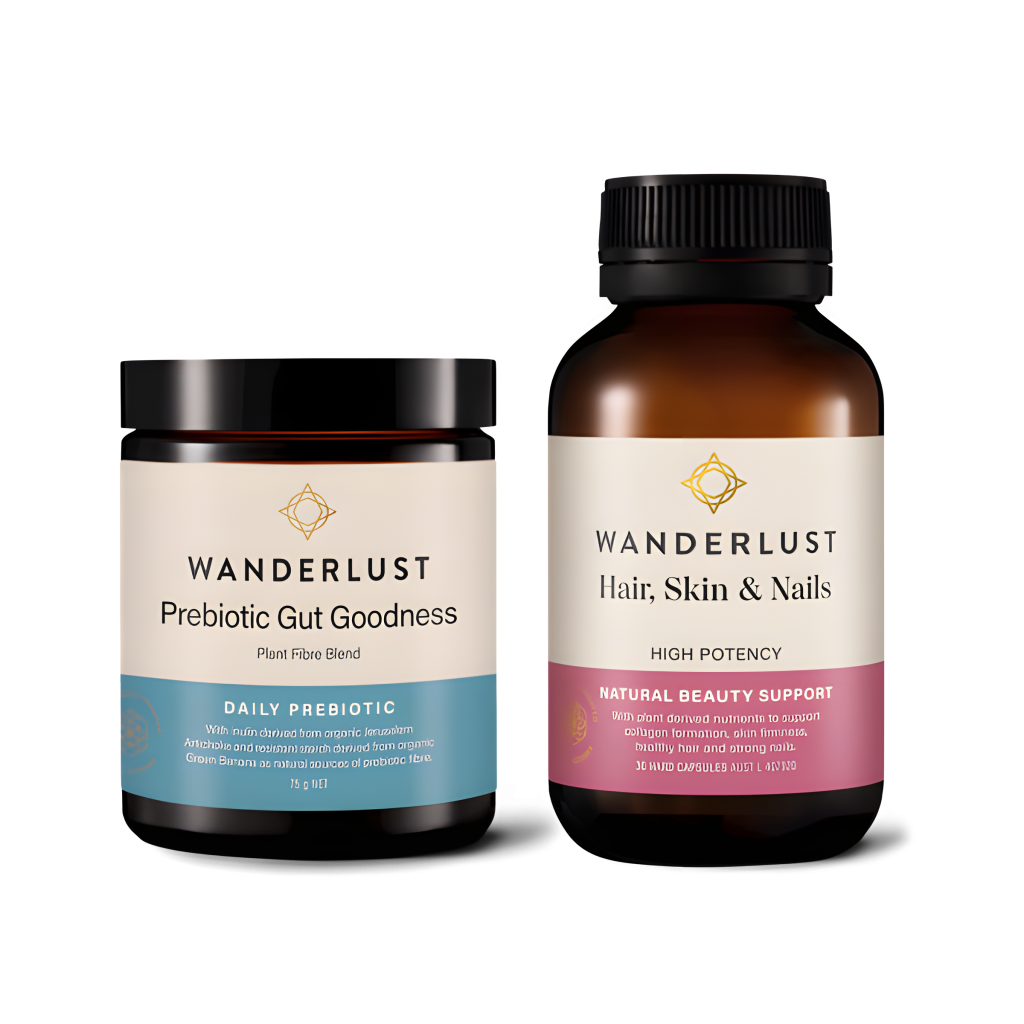
Venous disease, though often overlooked, can significantly impact one’s health and quality of life if left untreated. Recognizing the early signs and symptoms is crucial for timely intervention and effective management. In this comprehensive guide, we’ll shed light on the various manifestations of venous disease, empowering you to take proactive steps towards seeking expert care. Plus, we’ll direct your attention to the leading vascular surgeon in Calicut, offering specialized treatment and compassionate care.

Understanding Venous Disease:

Before we delve into the symptoms, let’s gain a basic understanding of venous disease. Our veins play a vital role in returning blood to the heart, overcoming gravity to ensure efficient circulation. However, various factors such as age, genetics, lifestyle, and underlying health conditions can impair venous function, leading to the development of venous disease.

Venous disease encompasses a spectrum of conditions, including:

  1. Varicose Veins: These enlarged, twisted veins often appear as bulging, bluish cords beneath the skin’s surface. Varicose veins typically occur in the legs and may cause discomfort, heaviness, and aching sensations.
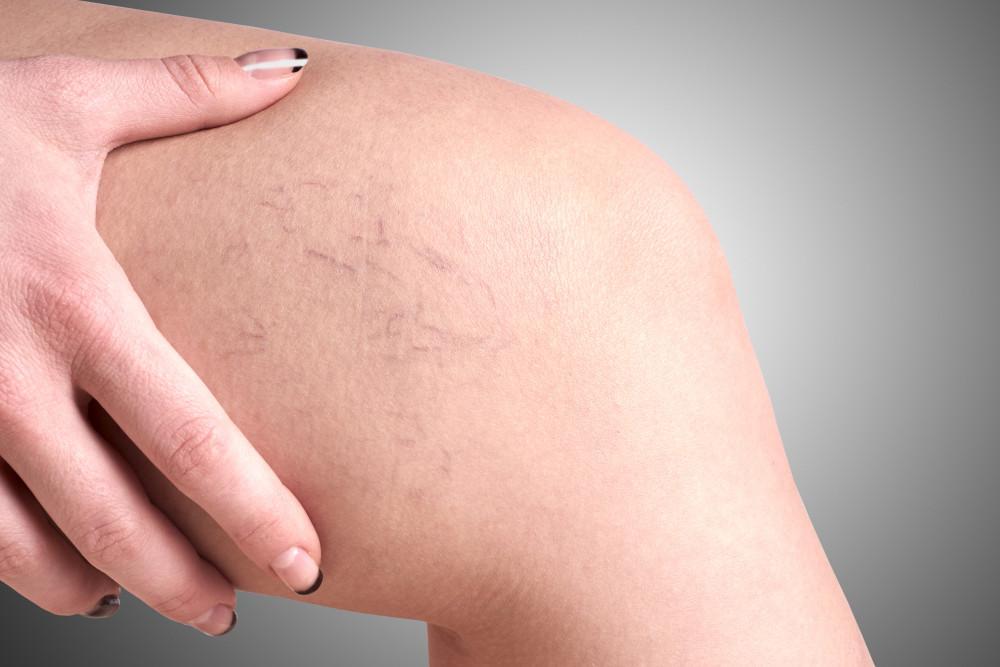
  2. Spider Veins: Unlike varicose veins, spider veins are smaller, dilated blood vessels that appear close to the skin’s surface. They often resemble spider webs or tree branches and may cause itching or burning sensations.
  3. Chronic Venous Insufficiency (CVI): CVI occurs when the valves within the veins fail to function properly, leading to blood pooling in the legs. Symptoms may include swelling, skin discoloration, leg ulcers, and a sensation of heaviness or tiredness in the legs.
  4. Deep Vein Thrombosis (DVT): DVT occurs when a blood clot forms within a deep vein, typically in the legs. This condition can be life-threatening if the clot dislodges and travels to the lungs, causing a pulmonary embolism. Symptoms of DVT may include swelling, pain, warmth, and redness in the affected limb.

Identifying Early Symptoms:

Early detection of venous disease is key to preventing complications and improving outcomes. Here are some common signs and symptoms to watch out for:

  1. Visible Vein Abnormalities: Pay attention to any visible changes in the appearance of your veins, such as bulging, twisting, or discoloration, especially in the legs.
  2. Leg Discomfort: Persistent leg discomfort, such as aching, heaviness, cramping, or throbbing, particularly after prolonged standing or sitting, may indicate underlying venous insufficiency.
  3. Swelling: Unexplained swelling, especially in the ankles, calves, or feet, that doesn’t resolve with rest or elevation warrants further evaluation, as it could be a sign of impaired venous function.
  4. Skin Changes: Keep an eye out for skin changes, including redness, itching, dryness, or thickening, particularly around the ankles or lower legs. Discoloration or the development of ulcers on the skin may also indicate advanced venous disease.
  5. Fatigue and Restlessness: If you experience persistent fatigue or restlessness in your legs, especially at night, it could be a sign of underlying venous insufficiency.

Seeking Expert Care:

If you notice any of the aforementioned symptoms or have concerns about your venous health, it’s essential to consult a qualified vascular surgeon for a comprehensive evaluation and personalized treatment plan.

For residents of Calicut and surrounding areas, the leading vascular surgeon in Calicut offers expertise in diagnosing and treating a wide range of venous disorders. With advanced diagnostic capabilities and state-of-the-art treatment modalities, they provide compassionate care aimed at improving venous circulation and enhancing overall well-being.

Conclusion:

Early detection of venous disease is crucial for preventing complications and optimizing treatment outcomes. By familiarizing yourself with the early signs and symptoms, you can take proactive steps towards preserving your venous health. Remember, if you suspect you may have venous disease, don’t hesitate to seek expert care from the leading vascular surgeon in Calicut. Your journey to healthier veins starts here.

Embarking on a fitness journey can be both exciting and intimidating, especially for those who are new to exercising. Whether your goal is to lose weight, build strength, or just improve overall health, starting a fitness routine requires commitment and a strategic approach. Here are essential tips to help beginners start their fitness journey and stay motivated over the long haul.

Set Realistic Goals

The first step in any successful fitness journey is to set realistic, achievable goals. Instead of vague ambitions like “get fit,” define specific targets such as “run a 5K without stopping” or “attend three fitness classes per week.” These measurable goals will give you something concrete to aim for and keep you motivated. Celebrate small victories along the way to maintain your enthusiasm and motivation.

Create a Balanced Routine

A well-rounded fitness program should include a variety of activities that improve cardiovascular health, increase strength, and enhance flexibility. This can involve a mix of walking, weight training, yoga, or any other activities you enjoy. Starting with exercises you are comfortable with can help build your confidence and encourage you to stick with your routine. As you grow more comfortable, gradually introduce new exercises to keep the routine exciting and challenging.

Start Slow

One common mistake many beginners make is starting too intensely, which can lead to burnout or injury. Start with light activities and gradually increase the intensity and duration of your workouts as your fitness level improves. Remember, even a 20-minute walk is a good start if you’re new to exercise.

Find a Workout Buddy

Having a workout partner can significantly enhance your motivation. A buddy can help you stay committed to your fitness goals, share tips, and make exercising more enjoyable. Whether it’s a friend, family member, or coworker, having someone to share the journey with can provide a powerful motivational boost.

Keep a Fitness Journal

Documenting your fitness journey can be an effective way to track progress, set goals, and stay motivated. Note down details like the type of exercise, duration, how you felt, and any improvements you noticed. Reviewing this journal can provide encouraging evidence of how far you’ve come and can push you to keep going.

Integrate Supplements for Enhanced Energy and Recovery

For those new to fitness, maintaining energy levels and ensuring proper recovery after workouts can be a challenge. Supplements can play a crucial role here. According to Thrive Reviews, many beginners have benefited from using Thrive’s range of supplements, which are designed to help with energy and recovery. These supplements can be particularly helpful in keeping you energized for workouts and aiding in faster recovery afterward.

Schedule Regular Rest Days

Rest is just as important as activity. Your muscles need time to recover and rebuild after workouts. Make sure to schedule at least one or two rest days per week, depending on the intensity of your workouts. Use these days to relax, stretch, or engage in light activities like walking to stay active without overexerting yourself.

Listen to Your Body

Paying attention to how your body feels during and after workouts is crucial. If you experience pain or extreme discomfort, it might be a sign that you’re pushing too hard or need to adjust your exercise form. It’s important to differentiate between the normal muscle soreness that comes from a good workout and the pain that signals potential injury. Listening to your body not only prevents harm but also teaches you about your physical limits and how gradually you can expand them.

Explore Professional Guidance

For beginners, navigating the complexities of various exercises, equipment, and nutrition can be overwhelming. Investing in a few sessions with a personal trainer can provide invaluable insights into the correct forms, effective workout strategies, and personalized advice based on your health status and fitness goals. Trainers can also help you develop a more structured workout plan that aligns with your objectives, ensuring that you make the most of your time spent exercising and reduce the risk of injury.

Stay Hydrated and Eat Well

Hydration and nutrition are key components of any fitness regimen. Drink plenty of water before, during, and after exercise to stay hydrated. Eat a balanced diet rich in fruits, vegetables, lean proteins, and whole grains to fuel your body for exercise and aid in recovery. Avoid heavily processed foods that can drain your energy levels.

Use Technology and Resources

Leverage technology to stay motivated. Fitness apps can track your progress, suggest new workouts, and even provide virtual coaching. Social media groups and online fitness communities can offer support, advice, and encouragement from others who are on similar fitness journeys.

Embrace the Process

Finally, remember that progress takes time. Fitness is a lifelong journey, not a sprint. There will be ups and downs, but each step you take is a step toward a healthier, more active life. Stay patient, keep a positive attitude, and don’t be too hard on yourself. Embrace the process and enjoy your fitness journey.

By following these tips, beginners can effectively start their fitness journey and find the motivation to continue. Remember, consistency is key to any successful fitness regimen. Keep pushing forward, and don’t hesitate to seek guidance and support when needed.

In today’s fast-paced world, maintaining focus and concentration can be challenging. Distractions are everywhere, from the constant buzz of social media notifications to the demands of a busy workday. However, enhancing mental clarity and boosting cognitive function is vital for achieving professional success and maintaining personal well-being. Here are some effective strategies to help you improve your focus and concentration.

Establish a Dedicated Workspace

Creating a physical environment conducive to concentration is foundational. Whether it’s a home office, a desk in the corner of your living room, or even a local café, ensure your workspace is organized and free from distractions. Equip your space with all the necessary tools you need to work effectively and make it a point to only use this area for work-related activities. This helps your brain associate this space with productivity and focus.

Prioritize Sleep

Sleep is crucial for cognitive function and overall health. Lack of sleep can lead to decreased attention span, memory issues, and reduced problem-solving capabilities. Aim for 7-9 hours of quality sleep per night. Establish a consistent sleep schedule by going to bed and waking up at the same time every day, even on weekends. Consider practices such as avoiding screens an hour before bedtime and creating a bedtime ritual that signals to your body it’s time to wind down.

Implement Time Management Techniques

Effective time management can significantly enhance your ability to focus. Techniques like the Pomodoro Technique, where you work for 25 minutes followed by a 5-minute break, can help maintain your concentration over longer periods. This method not only helps in keeping you mentally fresh but also in managing fatigue, which can detract from focus and productivity.

Practice Mindfulness and Meditation

Mindfulness and meditation have been shown to improve focus and cognitive flexibility. Even a few minutes a day can help calm your mind and enhance your concentration. Start with simple breathing exercises or guided meditations, focusing on being present in the moment. Gradually increase the duration and frequency of your meditation as you become more comfortable with the practice.

Embrace Breaks as Opportunities for Rejuvenation

Taking regular breaks during long periods of work is not just beneficial; it’s necessary for sustained mental performance. Use breaks as a chance to step away from your desk, stretch, or engage in a quick physical activity that rejuvenates your mind. Breaks are also a perfect opportunity to practice quick mindfulness exercises, which can reset your focus and clear your mind of clutter. Remember, a short break can lead to longer periods of concentrated work.

Enhance Your Cognitive Flexibility

Adapting to new situations and changing your approach as tasks demand can greatly improve your cognitive resilience and focus. Try to regularly challenge your brain by learning new skills, solving puzzles, or engaging in activities that require mental agility. This keeps your brain active and trained to handle various types of cognitive tasks, enhancing your ability to concentrate on challenging projects without losing focus.

Maintain a Balanced Diet

What you eat affects your brain’s performance. To enhance focus, incorporate foods rich in omega-3 fatty acids, antioxidants, and proteins into your diet. These nutrients support brain health and improve cognitive function. Foods like fish, nuts, blueberries, and green leafy vegetables are excellent choices. Moreover, ensure you stay hydrated, as dehydration can lead to concentration lapses.

Stay Physically Active

Physical exercise is not only good for the body but also the mind. Regular physical activity increases blood flow to the brain and improves cognitive abilities, including concentration. Whether it’s a brisk walk, a jog, or a session at the gym, find an activity that you enjoy and make it a part of your daily routine.

Explore Cognitive-Enhancing Supplements

In addition to these lifestyle changes, certain supplements can aid in boosting mental clarity and focus. For example, the Thrive Patch is popular among those looking to support cognitive function through natural ingredients. This innovative product, developed by Le-Vel, offers a unique method of delivering essential vitamins and minerals through the skin, which may enhance mental alertness and overall brain function.

Limit Distractions

In an era dominated by digital devices, managing distractions is crucial for maintaining focus. Set specific times to check emails and social media rather than allowing them to interrupt your work constantly. Consider apps that block distracting sites during work hours or use noise-canceling headphones to block out background noise.

Set Clear Goals

Define clear, achievable goals for each day and break them into manageable tasks. This helps keep your work structured and your mind focused. Checking off tasks as you complete them can also provide a sense of accomplishment and motivate you to continue focusing.

By integrating these strategies into your daily life, you can significantly enhance your focus and concentration. Remember, like any skill, improving your cognitive function takes practice and patience. Start with small steps and gradually build up as you become more adept at managing your mental focus. With the right tools and techniques, you can achieve greater mental clarity and succeed in all your endeavors.

In an age where health is a top priority, strengthening the immune system naturally has become a critical goal for many. A robust immune system helps the body fend off illnesses and promotes overall health. Through a combination of diet, exercise, and supplements, you can naturally enhance your body’s defenses. Here’s how to harness natural methods to boost your immune system effectively.

The Power of a Nutrient-Rich Diet

The foundation of a strong immune system is a healthy, balanced diet. Certain foods are particularly beneficial for boosting immunity:

  • Citrus fruits: Rich in vitamin C, citrus fruits like oranges, lemons, and grapefruits help increase the production of white blood cells, key players in fighting infections.
  • Broccoli: Packed with vitamins A, C, and E, as well as fiber and many other antioxidants, broccoli is one of the healthiest vegetables you can put on your plate.
  • Garlic: Known for its infection-fighting capabilities, garlic has been used in medicine for centuries. It contains allicin, a compound that can help boost the immune system.
  • Ginger: Another ingredient many turn to after getting sick, ginger can help decrease inflammation, which can help reduce a sore throat and inflammatory illnesses.
  • Spinach: Not only rich in vitamin C but also packed with numerous antioxidants and beta carotene, which may increase the infection-fighting ability of our immune systems.
  • Yogurt: Look for yogurts that have “live and active cultures” printed on the label, like Greek yogurt. These cultures may stimulate your immune system to help fight diseases.

Incorporating these foods into your daily meals can help keep your immune system strong and ready to ward off infections.

Embrace Healthy Fats

Incorporating healthy fats into your diet is another effective way to boost your immune system. Foods rich in omega-3 fatty acids, such as salmon, mackerel, and flaxseeds, help regulate the body’s immune responses. Omega-3s can reduce inflammation, which can protect your body from harmful pathogens. Similarly, olive oil and avocados, which are high in healthy monounsaturated fats, also support immune function by providing essential nutrients that cells need to operate optimally.

Focus on Fermented Foods

Fermented foods like sauerkraut, kimchi, kombucha, and kefir are excellent for the immune system because they contain live cultures known as probiotics. These bacteria reside in your gut and play an integral role in your body’s defense against pathogens. By enhancing gut health, these probiotics not only improve your digestive function but also help modulate the immune system, making it more efficient at responding to infections.

Regular Physical Activity

Exercise isn’t just for building muscles and helping you lose weight; it also plays a crucial role in boosting your immune system. Regular, moderate exercise, such as brisk walking, swimming, or cycling, can help the immune cells perform effectively; increasing blood flow, reducing stress and inflammation, and strengthening antibodies.

Proper Hydration

Staying hydrated is not directly linked to immune strength, but preventing dehydration is important to maintain overall health. Dehydration can cause headaches and hinder physical performance, focus, mood, digestion, and heart and kidney functions. These complications can increase susceptibility to illness, so make sure to drink plenty of fluids each day.

Supplement Wisely

While getting your nutrients from foods is ideal, supplements can play a vital role in filling any gaps in your diet, especially during times when you’re less likely to eat a variety of foods. Supplements well-known for immune support often include vitamins C and D, zinc, and elderberry.

Sleep and Immunity

Sleep and immune function are closely tied. Lack of sleep can activate the stress response, depress immune function, and elevate inflammatory chemicals. Adults should aim for 7-9 hours of sleep per night to support the immune system. Establishing a regular sleeping routine and minimizing screen time before bed can help improve sleep quality.

Manage Stress

Long-term stress promotes inflammation, as well as imbalances in immune cell function. Activities that reduce stress and promote relaxation, such as meditation, yoga, and journaling, are beneficial for your immune system. These practices can help decrease the production of stress hormones and promote overall well-being.

Stay Informed with Reviews

When choosing supplements to enhance your immune system, consult reliable sources for information and guidance. Reviews, particularly from trusted sources like Le-Vel, provide valuable insights into how effective these supplements are for others, helping you make informed decisions about which products might work best for you.

Natural Sunlight

Sunlight spurs the production of vitamin D in the skin, which is crucial for healthy immune function. Just 10-15 minutes of sunlight several times a week can help maintain adequate levels, but remember to wear sunscreen if you plan to be outside longer to protect against harmful UV rays.

Conclusion

Boosting your immunity naturally involves a combination of dietary choices, regular physical activity, proper hydration, adequate sleep, stress management, and sensible supplementation. By adopting these habits, you can build a stronger immune system that will not only defend against illness but also support your overall health and well-being. Remember, every small step can lead to big changes in how your body copes with and fights off diseases.

As a woman in my mid-40s, I’ve become increasingly concerned about the visible signs of aging on my skin. Fine lines, wrinkles, and dullness have started to creep in, making me feel self-conscious and eager to find an effective solution. That’s when I discovered the Cleopatra LED Mask, and let me tell you, it has been a game-changer in my skincare routine.

From the moment I unboxed this sleek and futuristic-looking device, I was excited to try it out. The mask itself is lightweight and comfortable to wear, with adjustable straps that ensure a snug fit. But what really sets it apart is the impressive array of LED lights – a whopping 192 of them, to be precise.

With seven different light colors to choose from, each targeting specific skin concerns, I felt like I had a personalized treatment plan at my fingertips. The red light, for instance, has been a godsend for diminishing those pesky fine lines and wrinkles, while the blue light has helped keep my occasional breakouts at bay.

But what truly impressed me was the mask’s ability to cover not just my face but also my neck area. As someone who has always neglected that area in my skincare routine, I was thrilled to see visible improvements in the texture and firmness of my neck skin after just a few weeks of consistent use.

Using the Cleopatra LED Mask has become a relaxing ritual for me. I simply slip it on, adjust the light settings to my preference, and let the soothing glow work its magic for 15-20 minutes. It’s a peaceful escape from the stresses of daily life, and the results have been nothing short of remarkable.

My skin looks brighter, more even-toned, and significantly more youthful. The fine lines around my eyes and mouth have softened, and my overall complexion has a radiant glow that I haven’t seen in years. Friends and family have even commented on how refreshed and rejuvenated I look, which is always a confidence booster.

If you’re like me – a busy woman seeking an effective, convenient, and affordable way to combat the signs of aging – I cannot recommend the Cleopatra LED Mask enough. It has truly become an indispensable part of my self-care routine, and I can’t imagine going back to life without it.

Let me share the details below.

What is Cleopatra LED Mask?

The Cleopatra LED Mask is a skincare device designed to provide the benefits of professional-grade LED light therapy at home. It features 192 LEDs and offers seven different light colors, each targeting specific skin concerns such as acne, aging, and inflammation. The mask is wireless, covering both the face and neck, and is marketed as a convenient and effective tool for improving skin health and appearance.

How Does It Work?

The Cleopatra LED Mask utilizes light-emitting diodes (LEDs) to deliver various wavelengths of light to the skin. Each color of light penetrates the skin at different depths, providing unique benefits:

  1. Red Light (650-950nm): Stimulates collagen and elastin production, reducing fine lines and wrinkles.
  2. Blue Light (450-495nm): Targets acne-causing bacteria, reducing inflammation and blemishes.
  3. Green Light (495-570nm): Balances complexion, reduces oil secretion, and boosts radiance.
  4. Yellow Light (570-650nm): Flushes toxins, stimulates cell renewal, and brightens the skin.
  5. Purple Light (380-450nm): Combines red and blue light benefits, promoting faster healing and reducing scars.
  6. Cyan Light: Calms and soothes irritated skin, promoting collagen and protein synthesis.
  7. White Light: Enhances nutrient absorption, accelerates skin tissue metabolism, and improves cell turnover and wound healing.

How to Use Cleopatra LED Mask

  1. Preparation:Cleanse your face thoroughly and remove any makeup.
  2. Powering On:Flip the “ON” switch located at the top of the mask.
  3. Selecting Settings:To select the desired light color, tap above the right eye.
  4. Usage:Wear the mask for 15 to 30 minutes per session, depending on your skin’s needs and the specific light therapy being used.
  5. Post-Use:After the session, turn off the mask by tapping the center of the forehead again.

The Pros of Cleopatra LED Mask

  1. Multiple Light Settings: The Cleopatra LED Mask offers seven different light colors, each targeting specific skin concerns such as acne, aging, and inflammation. This versatility allows users to customize their treatment based on their skin’s needs.
  2. High LED Count: With 192 LEDs, the mask provides more focused coverage for both the face and neck compared to other masks in its price range, which typically have fewer LEDs.
  3. Wireless Design: The mask is wireless, allowing users to move around freely during their treatment sessions. This feature is particularly beneficial for multitasking.
  4. Ease of Use: The mask features touch-sensitive controls for changing light settings and intensity, making it user-friendly. It also comes with protective eye gear and a storage case, enhancing the overall user experience.
  5. Positive User Reviews: Many users have reported noticeable improvements in their skin’s appearance, including reduced fine lines and acne, after consistent use of the mask.

The Cons of Cleopatra LED Mask

  1. Customer Service Issues: Several users have reported poor customer service experiences, including difficulties in contacting the company and issues with returns and refunds.
  2. Product Quality Concerns: Some users have experienced malfunctions with their masks, such as LEDs fading or the mask not working after a few uses. These issues have raised concerns about the product’s durability and reliability.
  3. Inconsistent Results: While many users have seen positive results, others have reported minimal to no improvement in their skin condition, suggesting that the effectiveness of the mask may vary from person to person.

Is Cleopatra LED Mask Legit?

Yes, it’s legit. The Cleopatra LED Mask uses professional-grade LED light therapy technology, which has been widely studied and proven effective for various skin concerns. The mask’s 192 LEDs and seven different light settings provide comprehensive treatment options, similar to those offered in professional clinics and spas.

Despite some negative reviews, many users have reported positive experiences with the Cleopatra LED Mask. They have noted improvements in skin texture, reduced fine lines, and fewer acne breakouts after consistent use. These testimonials suggest that the mask can deliver on its promises for many users.

Where Can You Buy Cleopatra LED Mask?

You can buy the Cleopatra LED Mask at the official Cleopatra store. Right now, it’s on sale for a good deal, but I’m not sure how long that will last. I got mine there and I’m happy with it. They shipped it fast and had great customer service.