Category

Health

Category

Introduction

Muscle growth doesn’t occur during training – it happens during recovery. Every workout creates microscopic damage to muscle fibers, depletes energy stores, and stresses the nervous system. The body’s response to that stress, when supported by proper nutrition, sleep, and hydration, is what ultimately leads to strength gains, improved endurance, and better overall performance.

Yet many athletes and recreational lifters focus almost exclusively on training intensity while overlooking the biological processes that drive recovery. Understanding how muscle tissue repairs itself, how hormones regulate adaptation, and how lifestyle factors influence these mechanisms can make the difference between steady progress and chronic stagnation.

This article breaks down the science of muscle recovery and outlines the evidence-based strategies that support long-term performance and injury prevention.

What Happens to Your Muscles After Training?

During resistance training or high-intensity exercise, muscle fibers experience mechanical tension and microtrauma. This damage activates satellite cells – specialized stem cells that repair and rebuild muscle tissue.

The recovery process unfolds in three main stages:

  1. Inflammatory response – White blood cells clear damaged tissue
  2. Protein synthesis phase – New muscle proteins are produced
  3. Remodeling phase – Muscle fibers grow thicker and stronger

This process is regulated by anabolic signaling pathways, including insulin-like growth factor 1 (IGF-1), mTOR activation, and androgen receptor activity. Without adequate recovery, this repair cycle is interrupted, increasing the risk of overtraining and injury.

The Role of Protein and Nutrient Timing

Protein provides the amino acids required for muscle protein synthesis. Research consistently shows that consuming adequate dietary protein supports lean mass development and recovery.

Evidence-Based Guidelines:

  • Daily intake: 1.6-2.2g of protein per kilogram of bodyweight
  • Per-meal dose: 25-40g of high-quality protein
  • Leucine-rich sources: Whey, eggs, lean meat, dairy

Carbohydrates are equally important. They replenish muscle glycogen, reduce cortisol levels, and support training output. Post-workout nutrition combining protein and carbohydrates has been shown to enhance muscle repair and reduce soreness.

Fats also play a regulatory role in hormone production and inflammation control, particularly omega-3 fatty acids, which may help reduce exercise-induced muscle damage.

Hydration and Muscle Function

Water makes up roughly 75% of muscle tissue. Even mild dehydration can impair strength, endurance, and neuromuscular coordination.

Hydration affects:

  • Nutrient transport
  • Joint lubrication
  • Temperature regulation
  • Cellular metabolism

Electrolytes such as sodium, potassium, magnesium, and calcium regulate muscle contraction and nerve signaling. Athletes training in hot or humid environments should pay special attention to fluid and electrolyte balance to prevent cramping, fatigue, and performance decline.

Sleep: The Most Powerful Recovery Tool

Sleep is where most physiological recovery takes place.

During deep sleep stages:

  • Growth hormone secretion increases
  • Muscle protein synthesis accelerates
  • Inflammation is reduced
  • Neural recovery occurs

Chronic sleep deprivation disrupts glucose metabolism, reduces testosterone levels, and increases cortisol – all of which impair recovery and body composition.

Recommended Sleep Targets:

  • 7-9 hours per night for most adults
  • Consistent bedtime and wake time
  • Cool, dark, quiet sleep environment

Athletes who prioritize sleep show better reaction time, improved strength, and lower injury rates.

Nervous System Recovery and Training Load

Muscle recovery is only part of the equation. The central nervous system (CNS) controls movement, coordination, and force production.

High-volume or high-intensity training places significant stress on the CNS. Symptoms of inadequate neural recovery include:

  • Reduced motivation
  • Decreased strength output
  • Poor coordination
  • Elevated resting heart rate

Periodized training programs that include deload weeks and recovery phases allow both muscular and neurological systems to adapt properly.

Overtraining: When Recovery Falls Behind

Overtraining syndrome occurs when training stress exceeds recovery capacity for prolonged periods. It is associated with:

  • Persistent fatigue
  • Declining performance
  • Increased injury risk
  • Hormonal disruption
  • Sleep disturbances

Balancing training volume with adequate recovery is essential for sustainable progress.

How Muscle Recovery Is Studied in Research Settings

Muscle adaptation is a major focus of exercise physiology and biomedical research. Scientists study how muscle tissue responds to mechanical load, nutrient availability, hormonal signaling, and cellular stress.

In laboratory environments, researchers often use controlled models to observe how different compounds interact with androgen receptors and anabolic pathways. Some experimental studies examine selective androgen receptor modulators (SARMs) strictly as research compounds to better understand androgen signaling mechanisms involved in muscle protein synthesis and tissue repair.

These compounds are not approved for human use, but their role in controlled research has contributed to a broader understanding of muscle biology and anabolic regulation. For readers interested in the scientific background behind this field, an independent SARMs research guide on androgen receptor studies provides a detailed overview of how these pathways are investigated in laboratory settings.

Practical Recovery Strategies for Athletes

1. Train With Structure

  • Use progressive overload
  • Rotate intensity blocks
  • Include deload weeks every 6-8 weeks

2. Prioritize Nutrition

  • Hit daily protein targets
  • Refuel with carbohydrates post-training
  • Stay hydrated throughout the day

3. Optimize Sleep

  • Keep a consistent schedule
  • Limit screen exposure before bed
  • Create a dark, cool sleep environment

4. Monitor Recovery

The Long-Term Perspective on Performance

The most successful athletes are not those who train the hardest, but those who recover the smartest. Muscle growth, strength development, and endurance adaptation all depend on the body’s ability to repair itself efficiently.

By supporting recovery through proper nutrition, hydration, sleep, and intelligent programming, athletes can sustain progress for years while minimizing injury risk.

Recovery is not a passive process – it is an active investment in long-term performance.

Summary

Muscle recovery is a complex biological process regulated by nutrition, sleep, hydration, and hormonal signaling. Training creates the stimulus, but recovery drives adaptation. Athletes who understand and respect this process build stronger, more resilient bodies capable of sustained performance.


It is not just about being bigger. Moving better, protecting joints and building strength that is useful in daily life are the main goals. Many men work out hard, but struggle with stubborn belly fat, poor core stability or muscle imbalances which slow down performance and increase the risk of injury.

Emsculpt Neo is the answer. It does not replace training. It’s a tool for performance that works alongside training. It supports muscle strength and improves body form.

Emsculpt Neo: Why Men are good candidates

This treatment is effective for men because it combines three factors: a higher muscle mass at the start, a strong neuromuscular response, and adherence to specialized training. These characteristics enable the technology to deliver functional and visible results faster.

Ideal candidates for males include:

  • Despite training, men still have stubborn abdominal fat
  • Athletes who need to improve core activation, balance and coordination
  • Men who are recovering from injury and want to gain strength without joint strain
  • People who are busy and find it difficult to squeeze in more time for exercise during the week

Emsculpt Neo for Men stimulates deep muscles while simultaneously reducing fat. This combines aesthetics with performance.

What It Does to Muscle Strength

The supramaximal contraction of muscles is the core of the system. These contractions are more intense than voluntary exercise. In one session, muscles undergo thousands of high intensity contractions which force adaptation.

This leads to:

  • Muscle fiber recruitment increased
  • Stabilization of the core
  • Neuromuscular efficiency improved
  • Strengthened functional capability

This increase in strength is carried over to traditional training. Squats are more stable. Deadlifts are more controlled. Running and agility movements are more efficient, because the core is no longer leaking power.

The Waist Advantage

Men tend to notice the results in their waist first. Even those who have visible abs struggle with a lower layer of the belly that won’t cooperate. The body is protecting that area through hormones and metabolism.

Emsculpt Neo targets muscle and fat simultaneously. The waistline shrinks as the abdominal muscles tighten. The fat cells are reduced in this area. This results in a flatter midsection, as well as a more functional and athletic midsection.

The body’s recomposition is visible here. Body weight loss is not the only thing that happens. It changes its shape.

Strength Transfer into Training

When combined with the right training, this treatment is powerful. Men who exercise, run, or practice their sport continue to see improvements.

  • More stable core during compound lifts
  • Sports with better rotational control
  • Improved posture and spinal support
  • Lower back fatigue reduced

Coordination improves because the nervous system and muscles adapt together. It means that the force is transferred more efficiently from the ground to the body when performing athletic movements.

Simple Stack with Training

Emsculpt Neo is most effective when combined with smart training, rather than being replaced.

This is a simple performance stack:

Training

Strengthening sessions are recommended 3-5 times per week.
Focus on compound lifts and core engagement

Emsculpt Neo Sessions

Four sessions are usually scheduled over two weeks. Maintenance is required as needed.

Nutrition

Increased protein intake for muscle growth
Moderate caloric restriction for fat loss

Recovery

Sleep and hydration are essential for tissue remodeling

This stack helps the body build muscle more quickly while simultaneously shedding fat from the areas treated. Over time, your physique will become leaner, more powerful, and more resilient.

Who Benefits the Most

Emsculpt Neo for men works best for:

  • Men seeking visible abdominal definition
  • Athletes want better power transfer, stability and security
  • Men plateau in their training progress
  • Heavy lifting is not allowed for men recovering from injuries
  • Men who want to lose weight without dieting

There are no shortcuts. It’s about optimizing the body’s capabilities.

The Mental Performance Boost

Many men also experience an unexpected benefit, which is a renewed motivation. The results of improved core definition, waist measurement, and performance are a great way to reinforce training discipline.

Consistency improves when the body responds quicker. Consistency improves when long-term results are achieved.

Final Thoughts

Emsculpt Neo isn’t just about men looking slimmer. It’s about performing better and moving more efficiently, while putting less strain on your body. It is a powerful tool for any performance plan because it enhances muscle strength, supports body recomposition and reinforces athletic movement.

The results are far more than just a good look. The results are visible in how the body moves, feels and performs each day.

This post was written by a licensed professional at Vive Aesthetics, a trusted medical spa offering Professional Med Spa in Parrish, FL to enhance your natural beauty and overall wellness. Guided by a thoughtful “less is more” philosophy, our team delivers subtle, balanced results through personalized care so you look refreshed, feel confident, and stay authentically you every single day.

Introduction

Pediatric dentistry plays a vital role in protecting a child’s oral health from an early age. Children’s teeth and gums need special care as they grow and develop. Early dental attention helps prevent problems, teaches good habits, and builds a strong foundation for lifelong oral health. When children receive proper dental care from the beginning, they are more likely to maintain healthy smiles as they grow older.

Early Dental Care and Its Benefits

Starting dental care at a young age is very important. Parents should plan their child’s first dental visit by the age of one or when the first tooth appears. These early visits allow dentists to check tooth development, identify potential concerns, and guide parents on proper brushing, flossing, healthy eating, and overall oral hygiene. Early dental care helps prevent tooth decay and ensures that baby teeth grow and fall out as expected. It also helps children get used to dental visits, reducing fear and anxiety in the future.

Preventing Tooth Decay and Dental Problems

Tooth decay is among the most common oral health issues affecting children. Pediatric dentists focus on preventing cavities through regular checkups, cleanings, and preventive treatments. Many parents visiting a dental office learn about limiting sugary snacks and drinks, drinking water after meals, and brushing twice a day. Regular dental visits help detect cavities and gum issues early, making treatment simpler and less painful. Healthy baby teeth also help with proper speech, chewing, and guiding permanent teeth into the correct position.

Teaching Healthy Dental Habits

Pediatric dentistry is not just about treating teeth; it is also about education. Dentists teach children the importance of brushing, flossing, and maintaining good oral habits. Parents are encouraged to help young children brush until they can do it effectively on their own. Children who learn good habits early are more likely to continue them throughout life. Dentists also recommend mouthguards for children involved in sports to protect their teeth from injuries during physical activities.

Creating a Positive Dental Experience

A good dental experience in childhood can influence a person’s attitude toward dental care throughout their life. Pediatric dentists are trained to handle children gently and patiently, creating a friendly and comfortable environment. This approach helps reduce dental fear and builds trust. When children feel safe and understood, they are more willing to cooperate during visits and maintain regular dental checkups as they grow.

Conclusion

Pediatric dentistry is essential for building healthy smiles from childhood. Early dental visits, preventive care, education, and positive experiences all contribute to strong teeth and healthy gums. By starting dental care early and maintaining regular checkups, parents can help their children develop lifelong oral health habits, prevent dental problems, and enjoy confident, healthy smiles well into adulthood.

Understanding the Challenge

As the population ages, more families are seeking ways to help their senior loved ones remain independent at home. In Northern Virginia, Care with Love provides a solution that not only meets these needs but exceeds expectations through their unique and thoughtful approach to senior care. Their focus is encapsulated in the “5 C’s” methodology, which forms the foundation of their service and ensures that seniors can thrive while living independently. This approach is tailor-made for the community’s unique needs, ensuring seniors receive the dedicated, compassionate care they deserve.

The “5 C’s” of Care with Love

So, what makes Care with Love stand out from the crowd? At its core, the company’s approach is defined by the “5 C’s”: Client Centric, Commitment, Cheerfulness, Compassion, and Credibility. Each of these principles is meticulously woven into the fabric of their care plans, ensuring that seniors receive holistic and personalized attention.

1. Client Centric

Care with Love is deeply committed to being client-centric, which means that their care begins with active listening. To truly understand and respond to the concerns of each client, Care with Love personalizes each care plan. This involves more than just physical care; it’s about knowing what makes each individual comfortable and content. By putting clients at the center of their care delivery model, Care with Love can offer services that truly make a difference in clients’ lives.

2. Commitment

The commitment at Care with Love extends to both clients and staff. This dual-focused commitment ensures that clients receive outstanding care while staff members feel valued and satisfied in their roles. A happy and well-supported caregiver is equipped to provide the best possible care, which ultimately benefits the clients. The unwavering commitment goes beyond daily tasks; it encompasses a promise to enhance quality of life for all involved.

3. Cheerfulness

Cheerfulness is another cornerstone of Care with Love’s philosophy. They believe in creating a warm and welcoming atmosphere for both clients and staff. A joyful environment helps clients feel comfortable and relaxed, which can lead to better health outcomes and overall satisfaction. The team’s genuine smiles and positive attitudes are contagious, creating a delightful experience for everyone.

4. Compassion

Compassion is intricately tied to the care offered at Care with Love. It’s this quality that fosters trust and support between caregivers and clients. Compassionate care means understanding the emotional and psychological needs of clients, which goes a long way in nurturing a caring environment. By prioritizing compassion, Care with Love helps affirm the dignity and worth of each individual.

5. Credibility

In an industry built on trust, maintaining credibility is paramount. Care with Love prides itself on honesty, transparency, and consistency. Clients and their families can rely on the unwavering ethics and integrity that Care with Love brings to every interaction. Knowing that care decisions are made with utmost transparency provides peace of mind for the families and confidence for the staff.

The Impact of Care with Love’s Services

In Northern Virginia, the impact of these principles is evident in the vibrant lives that seniors are able to lead with Care with Love’s assistance. Personalized home care services allow seniors to maintain their independence while receiving the support they need. This includes help with daily activities, companion care, and specialized care for those with specific medical needs. The effect of Care with Love’s approach can be seen in the improved quality of life and well-being of their clients.

Holistic and Personalized Care

Care with Love’s unique approach is geared towards providing holistic care that addresses the physical, emotional, and mental well-being of clients. Their dedication to personalized care ensures that every aspect of a senior’s lifestyle is considered when developing care plans. This holistic approach allows them to cater to each client’s unique situation and preferences, ensuring not just comfort, but happiness and fulfillment. To learn more about their comprehensive services, visit their services page.

Enhancing Independence with Professional Support

The professional caregivers at Care with Love are well-trained and embody the company’s principles. They provide a wide range of services, including medication reminders, meal preparation, and personal care tasks, all designed to support independence at home. Their focus is on enabling seniors to thrive, live productively, and enjoy the comforts of home with the peace of mind that support is always at hand.

Choosing Care with Love: A Family Decision

Deciding on the right care for loved ones is a significant and personal decision for many families. Care with Love emphasizes working closely with families to ensure that their services align with the family’s values and expectations. Their client-centric approach means family members are involved every step of the way, creating a collaborative and supportive environment for decision-making.

Care with Love: A Trusted Partner in Senior Care

By adhering to their core principles, Care with Love establishes itself as a trusted partner for families seeking reliable and loving care for seniors. With a reputation for excellence and dedication, they are a preferred choice in Northern Virginia for those who value independence, dignity, and quality of life for their loved ones.


For additional information about their mission and values, or if you’re interested in joining their team, you can explore their about page and learn how they uphold the highest standards of care through their “5 C’s”. Care with Love is committed to supporting seniors in living healthier, happier, and more independent lives at home.

Introduction

Sometimes parents believe that infant teeth are not very important because they are only temporary. But, infant teeth control jaw expansion, act as temporary replacements for permanent teeth, and have a significant impact on speaking ability and food consumption. To ensure a child’s oral health for the rest of their life, dentists place a high priority on the condition of their first set of teeth.

Influencing future smiles

The adult teeth that are scheduled to come up later are kept in proper position and space by the primary ones. Adjacent teeth may shift if a baby tooth is lost prematurely, resulting in crowded or misaligned permanent teeth. Many parents also wonder how much do braces cost when planning for their child’s orthodontic care. Additionally, healthy infant teeth provide adequate nourishment that promotes general development by allowing appropriate chewing and biting activities.

Early checkups and future examinations

According to the American Dental Association, children should see a dentist by the age of one or within six months after the emergence of their first tooth. Frequent visits enable doctors to monitor growth, treat cavities early, and instruct parents on how to properly care for their child’s growing teeth. Additionally, by making dental appointments easier for young kids, this preemptive strategy helps them feel less anxious in future appointments.

Options for treatment and preventative strategies

To prevent tooth decay, a common problem that can worsen quickly in young kids, the majority of dentists provide fluoride medications, dental sealing compounds, and recommendations for eating habits. In the event cavities happen, they also offer mild restoration treatments to keep baby teeth intact until it’s time for them to loosen and fall out on their own. The foundation for an eternity of good smiles is created by baby teeth.

Choose reputable dentists

The majority of dental professionals are aware that your child’s comfort and health come first. For this reason, they have made it their goal to offer top-notch, dependable dental services in a friendly setting that makes both parents and kids feel comfortable. Additionally, they are committed to providing the highest quality pediatric dental treatment possible, with a focus on sedation techniques to guarantee young children have a pleasant dental visit.

Falling of baby teeth

The sequence in which baby teeth disappear matches the order in which they first appeared. Baby teeth fall off in the same sequence they appeared. Most children start to lose baby teeth around the age of 4 or 5. Most children have all of their remaining teeth by the age of 12 or 14. Adult molars emerge behind baby teeth as the jawbone develops, but some people will not lose their last baby molars till their final teen years or early twenties.

Conclusion

An entire life of dental wellness depends on healthy baby teeth. Teeth are essential for clear speech, self-assured smiles, and effective food chewing, all of which support the body’s overall well-being. Tooth decay can be avoided both now and in future years by following preventative measures. Parents are also responsible for their child’s oral and dental health.

Chemical peels are cosmetic skin-resurfacing procedures that are applied to enhance the skin’s beauty by aiding in the clearance of the damaged outer layers. They are supposed to make the skin under it look smoother, fresher and have fewer wrinkles, uneven colouring and a more even colour. Chemical peels may be applied to the face, neck or hands and are specific to individual issues of fine lines, age spots, acne scarring and sun damage. Peel depth is determined depending on your skin and the objectives of your treatment.

Overview

A chemical peel entails the coating of the skin with a chemical solution with the purpose of inflicting controlled damage into the outer skin layers. The layers that have been treated peel off and new skin surfaces that are mostly smooth and better-toned. chemical peel treatment in Coimbatore may be used to reduce fine lines under the eyes or around the mouth, address some acne and minor scarring, and treat pigmentation problems such as sun spots or freckles. Superficial peels apply to minor problems, but deeper peels address major damage.

Not all types of skin respond to chemical peels. Individuals with dark skin pose a greater risk of post-inflammatory hyperpigmentation (darkening of the skin) following treatment. Patients who have a history of abnormal scarring and sensitive skin conditions might also require alternative options. A dermatologist would assist in identifying the safest and most effective method for your particular skin.

Treatment Details

The chemical peels are normally done at the office of a doctor or a surgery centre and do not require an overnight stay. The skin is cleansed well prior to the peel removal of oils and debris. An acidic solution is then poured onto the skin, the chemical solution may be glycolic acid, salicylic acid, trichloroacetic acid (TCA), lactic acid or phenol. These solutions are of different strengths and depth of penetration, ranging between those that are light, medium, and deep peels, all depending on the state that the treatment is meant to cure.

●      Light Chemical Peels only impact the skin surface which is most effective in small texture problems, pigmentation problems or pigmentation issues and slight sun damage. It can only take a few days to recuperate.

●      Medium Peels penetrate further into deep in the upper middle layer of the skin and are applied in moderate skin discolouration, age spots, and medium to fine wrinkles. The recovery period lasts between one and two weeks.

●      Deep Peels travel to the deepest middle dermis and treat more severe wrinkles, widespread sunburns and non-cancerous lesions. These need more time to heal and must be more thoroughly prepared before they can be treated.


Risks / Benefits

The chemical peels are able to enhance the skin colour and the skin texture in a great way. But, as in all processes, they have dangers. These involve both temporary and permanent alteration of skin colour particularly in individuals with darker skin; potential scarring of some parts of the face; and reappearing cold sores in those with a history of herpes outbursts. The risk of infection is very low but exists.

For many individuals with physical disabilities, chronic illnesses, or age-related limitations, staying at home isn’t just a preference — it’s a lifeline to dignity, comfort, and self-direction. The Nursing Home Transition and Diversion (NHTD) Waiver was created precisely for this purpose. It offers essential supports that help people remain in their own homes or transition out of institutional settings while still receiving the care they need.

But what truly makes the NHTD Waiver so powerful are the everyday independence wins it enables. These wins may seem small from the outside, yet they dramatically shape quality of life. Here are eight meaningful ways individuals gain greater independence through the NHTD Waiver and NHTD Waiver program services.

1. Being Able to Navigate the Home Safely and Confidently

Mobility challenges are among the biggest barriers to independent living, especially in older homes not designed for wheelchair use or limited mobility. Through home modifications and assistive technology, the NHTD Waiver allows individuals to move about freely and safely.

This may include:

  • Installing grab bars and railings
  • Improving lighting
  • Adding ramps or lowering thresholds
  • Utilizing mobility devices
  • Rearranging furniture for safe pathways

These changes reduce fall risk and empower participants to access every part of their home without fear or physical strain.

2. Managing Personal Care Without Feeling Rushed or Overwhelmed

Independence doesn’t mean doing everything alone — it means having the right support so daily routines feel manageable. With personal care assistance, individuals gain help with bathing, grooming, toileting, dressing, and other intimate tasks.

The win?
They remain clean, comfortable, and confident while maintaining privacy and control over how and when they receive care.

For many, the ability to maintain their own routine is a profound emotional and physical relief.

3. Preparing Meals Safely and Eating Well Every Day

Cooking can be one of the most challenging — and dangerous — tasks for individuals with mobility or cognitive limitations. The waiver provides assistance with:

  • Meal planning
  • Safe meal preparation
  • Grocery shopping
  • Ensuring dietary needs are met

This support gives participants peace of mind while helping them maintain good nutrition and avoid food insecurity. Simply being able to enjoy meals at home, made to their preferences, is a valuable independence win.

4. Keeping the Home Clean, Organized, and Comfortable

A clean environment isn’t just about comfort — it’s about health, safety, and emotional wellbeing. Through homemaking assistance, the NHTD Waiver helps individuals maintain a functional living space.

This includes:

  • Light cleaning
  • Laundry
  • Changing linens
  • Organizing living areas

For many, this support prevents accidents, reduces stress, and ensures their home remains a place they enjoy spending time in.

5. Accessing the Community Without Barriers

Social isolation is one of the biggest risks for individuals with disabilities or chronic conditions. The NHTD Waiver allows participants to stay engaged with their community through structured support such as:

  • Transportation assistance
  • Help attending medical appointments
  • Support with community activities
  • Participation in social or recreational programs

These experiences restore a sense of normalcy and connection — essential components of independent living.

6. Directing Their Own Services and Making Personal Choices

One of the most empowering aspects of the waiver is its focus on participant choice. Individuals are encouraged to be involved in decision-making regarding:

  • Their care plans
  • Their service providers
  • Their daily routines
  • Which goals matter most to them

This autonomy promotes confidence and self-direction. Participants don’t just receive services — they help define how those services support their goals and preferred lifestyle.

7. Remaining in Their Own Home Surrounded by Familiarity

For many people, home is more than a location — it’s comfort, history, and identity. Being able to stay at home while receiving services is one of the greatest independence wins the waiver provides.

At home, individuals can:

  • Keep their own routines
  • Stay connected to neighbors and loved ones
  • Enjoy the familiarity of their environment
  • Avoid the emotional stress of institutional settings

Remaining at home preserves dignity and prevents the loneliness often associated with facility-based care.

8. Transitioning Out of a Nursing Facility with Supportive Services in Place

For participants who want to leave a nursing home, the NHTD Waiver provides essential transition services that make the process possible and sustainable. This includes assistance with:

  • Finding housing
  • Furnishing and setting up the home
  • Coordinating community-based supports
  • Ensuring all necessary services are in place before discharge

This transition support helps individuals reclaim autonomy and reconnect with their lives outside institutional care.

Independence isn’t defined by doing everything alone — it’s defined by having the tools, support, and freedom to live life on your own terms. The NHTD Waiver empowers individuals to do exactly that. Through essential supports, personalized care planning, and a strong focus on dignity and choice, participants experience daily wins that collectively transform their quality of life.

For families and individuals alike, understanding these independence benefits highlights why the program is such a vital resource for long-term community-based living.

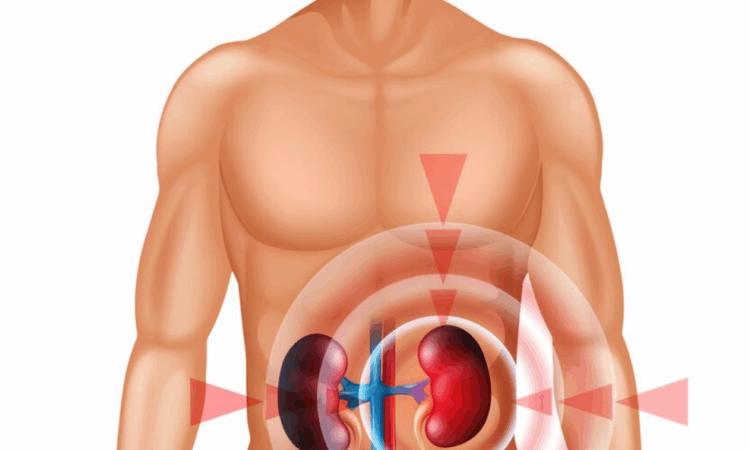
Living with kidney failure can be physically demanding and emotionally exhausting. The constant fatigue, dietary restrictions, and regular dialysis sessions often take a toll on every aspect of life. Thankfully, kidney transplant offers a way forward. By replacing the damaged kidney with a healthy one, it restores the body’s natural balance, reduces dependence on dialysis, and helps patients regain their strength and independence. For many, it means the freedom to live normally again to work, travel, and enjoy life without constant medical limitations.

In this article, we will explore the complete kidney transplant journey, from evaluation and surgery to recovery and long-term care, to help you understand what to expect at every stage.

When is a Kidney Transplant Needed?

A kidney transplant surgery is usually considered when kidney function drops below 10–15% of normal capacity and dialysis becomes necessary to maintain life. The most common causes of kidney failure include:

  • Chronic diabetes and hypertension
  • Polycystic kidney disease
  • Glomerulonephritis (inflammation of the kidney’s filtering units)
  • Recurrent kidney infections or urinary tract obstructions
  • Autoimmune disorders such as lupus nephritis

Doctors recommend a transplant when medical management and dialysis are no longer sufficient to sustain overall health and wellbeing.

At this point, a nephrologist evaluates if transplantation is the most suitable option. Early referral for assessment helps in identifying potential donors, completing necessary tests, and preparing the patient before health declines further.

Types of Kidney Transplants

Kidney transplants are categorised based on the type of donor:

  • Living Donor Transplant: A healthy person, often a family member or friend, donates one of their kidneys. Living donor kidneys usually function immediately and last longer.
  • Deceased Donor Transplant: The kidney is obtained from a person declared brain-dead whose family consents to organ donation. These kidneys are carefully matched and allocated through organ-sharing networks.
  • Paired Kidney Exchange: In cases where a donor and recipient are incompatible, they may swap donors with another pair for a compatible match.

Evaluation Before a Kidney Transplant

Before undergoing a transplant, both the recipient and potential donor must complete a detailed medical evaluation to ensure safety, compatibility, and long-term success. This process is led by a nephrologist and a multidisciplinary transplant team.

Recipient Evaluation

The patient’s health is assessed through:

  • Blood tests to check for infections, immunity levels, and blood type.
  • Heart and lung evaluations to confirm surgical fitness.
  • Imaging scans of the kidneys and bladder to assess structure and blood flow.
  • Cancer and infection screenings to ensure no active disease interferes with the procedure.
  • Psychological and nutritional assessments to prepare mentally and physically for the journey ahead.

Donor Evaluation

Kidneys for transplantation can come from either a living or deceased donor.

  • Living donors undergo blood type and tissue matching, crossmatch tests, kidney imaging, and full medical and psychological screening to confirm compatibility and safety.
  • Deceased donors are evaluated by the organ retrieval team to ensure medical suitability. The recipient is notified immediately once a compatible kidney becomes available, and final matching tests are done before surgery.

Once both donor and recipient are cleared, the surgery is scheduled.

Preparing for the Surgery

Before the operation, patients undergo preoperative preparation to optimise their health. This step involves:

  • Routine tests such as blood work, ECG, and chest X-rays.
  • Review of ongoing medications; certain drugs may be adjusted or stopped temporarily.
  • Dietary and hydration advice to prepare the body for anaesthesia.
  • Counselling sessions for patients and families to understand the procedure, recovery process, and post-surgery expectations.

Patients are typically admitted to the hospital a day before surgery. For deceased donor transplants, surgery is performed immediately after organ availability is confirmed.

Kidney Transplant Procedure – A Step-by-Step Overview 

Anaesthesia and Preparation

Before the procedure begins, the patient is given general anaesthesia to induce deep sleep and eliminate pain. The surgical area, usually the lower abdomen, is cleaned and sterilised. Intravenous lines and monitoring devices are connected to continuously track vital parameters such as heart rate, blood pressure, and oxygen levels throughout the surgery.

Surgical Incision

The surgeon makes a curved incision in the lower abdomen, usually on one side (commonly the right). This approach allows easy access to the major blood vessels, the iliac artery and vein, which will supply blood to the transplanted kidney.

Unlike what many assume, the patient’s diseased kidneys are generally not removed, unless they are chronically infected, cancerous, or causing high blood pressure that cannot be controlled by medication.

Placement of the Donor Kidney

The donor kidney is carefully positioned in the recipient’s pelvic cavity, just above the groin. Placing it here makes it easier for surgeons to connect the new kidney’s blood vessels and ureter and also ensures better post-operative monitoring and access if needed.

Connecting the Blood Vessels

The most critical step in the surgery is the vascular anastomosis, the joining of blood vessels.

  • The renal artery of the donor kidney is connected to the external iliac artery of the recipient.
  • The renal vein of the donor kidney is connected to the external iliac vein.
    These connections restore the blood supply, allowing oxygen and nutrients to flow into the transplanted kidney.

Attaching the Ureter

Once the kidney has been connected to the blood vessels, the surgeon attaches the ureter (the tube that carries urine from the kidney to the bladder) to the recipient’s urinary bladder. A small stent (temporary tube) may be placed in the ureter to keep it open and prevent blockage while healing occurs. This stent is usually removed after a few weeks through a minor outpatient procedure.

Restoring Blood Flow and Testing Function

After all connections are complete, the surgical team gradually restores blood flow to the transplanted kidney. In most cases, the kidney starts producing urine immediately on the operating table. However, in some cases, especially when the organ is from a deceased donor, it may take a few days to regain full function, during which dialysis may be temporarily required.

Closure of the Incision

Once the surgical team confirms that the transplanted kidney is functioning properly and there are no leaks or bleeding, the incision is closed in layers using absorbable sutures or staples. A small drain may be placed near the surgical site to remove excess fluid or blood, which is usually removed after a few days.

Post-Surgery Monitoring and Recovery

After the operation, the patient is moved to a specialised transplant intensive care unit (ICU) for close observation. The transplant team closely monitors urine output, which serves as the first sign of how well the new kidney is functioning. They also keep a constant check on blood pressure, fluid balance, and any early signs of rejection or infection. During this phase, the patient receives appropriate pain relief, intravenous fluids, and antibiotics to support recovery and prevent complications.

Most patients stay in the hospital for 7–10 days before being discharged. Upon returning home, it’s crucial to follow all medication schedules and attend follow-up appointments. The early weeks are critical for detecting and managing any signs of infection or rejection.

Life After a Kidney Transplant

Life after a transplant often feels like a fresh start. However, maintaining kidney health requires ongoing care and discipline.

Regular Follow-ups

Patients must attend regular check-ups with their nephrologist to monitor kidney function and overall health. Frequent Kidney Function Tests are performed to ensure the new kidney is filtering blood efficiently and that medication levels remain balanced.

Medication Management

Immunosuppressants are essential for preventing rejection but can make patients more vulnerable to infections. Doctors adjust dosages carefully, and it’s vital never to skip doses or stop medication without medical advice.

Lifestyle and Diet

A healthy lifestyle supports long-term transplant success.

  • Eat a balanced, low-sodium diet with adequate protein.
  • Stay hydrated, but avoid overconsumption of fluids.
  • Maintain a healthy weight and exercise regularly under guidance.
  • Avoid smoking and limit alcohol intake.

Emotional and Physical Wellbeing

Recovery isn’t just physical, patients often need emotional adjustment as well. Support groups, counselling, and family involvement can make this transition smoother. With time, most recipients return to work, travel, and daily routines with improved energy and independence.

Common Complications and Their Management

Although kidney transplants are highly successful, complications can occasionally occur. The most common include:

  • Rejection: The immune system may recognise the new kidney as foreign and attack it. This is managed with immunosuppressive medication and close monitoring.
  • Infections: Because of lowered immunity, patients are more prone to infections. Preventive hygiene, vaccines, and early treatment help reduce risks.
  • Medication side effects: Long-term drug use may cause weight gain, diabetes, or high blood pressure, all of which can be managed through lifestyle changes and medication adjustments.

With timely follow-up and proper care, most complications can be detected early and successfully controlled.

Cost and Success Rate of Kidney Transplant in India

India has become one of the most sought-after destinations for kidney transplants, offering advanced medical facilities, skilled surgeons, and high success rates at comparatively lower costs.

The cost of a kidney transplant in India varies depending on factors such as hospital type, donor source, and post-operative care but is generally far lower than in many Western countries.

Modern techniques, experienced transplant teams, and improved access to immunosuppressive medication have led to success rates exceeding 90% in most centres. Many patients go on to live normal, healthy lives for years after surgery, especially when they follow medical advice and maintain regular check-ups.

Conclusion

A kidney transplant offers a new lease on life for patients with end-stage kidney disease. It restores kidney function, eliminates the need for dialysis, and allows individuals to regain strength and independence.

The journey begins with timely evaluation through Kidney Function Tests, guided by an experienced nephrologist, and continues through careful post-transplant management. With the right medical support, adherence to medication, and healthy lifestyle habits, most patients enjoy long-term success and a vastly improved quality of life after a kidney transplant.

Healthcare has changed more in the last few years than it actually did in the last few decades. Technology has significantly changed the way people access healthcare. One of the biggest shifts in the healthcare landscape that has found a way into people’s daily lives is online doctor consultations. With simply a smartphone and a reliable internet connection, anyone can consult a doctor online without having to step out of the comfort of their home. 

Why Online Doctor Consultations Have Become Popular?

A significant reason behind the rise in popularity of online doctor consultations is the increased accessibility that they offer. They’re quick, easily accessible and affordable. But most importantly, they enable you to get medical advice exactly at the time you need it the most. Using an app for health care like Healthsy, you can easily book an online doctor consultation and resolve the following most common health issues: 

1. Common cough, fever, flu and cold: 

One of the major reasons behind the increasing line of people outside doctors’ clinics is minor respiratory problems, causing common cough, cold, fever and flu. If you have general symptoms of a runny nose, mild fever, sore throat and cough, then these can be easily addressed using a doctor appointment booking application like Healthsy. 

All of these are seasonal illnesses and do not generally require lab tests for further examination. Hence, these can be solved using over-the-counter medicines. Online consultations can save you from unnecessary trips to the hospital or doctor’s clinic at a time when you are feeling extremely unwell. 

2. Skin Problems: 

If you are someone who is prone to various skin conditions and problems due to constant changes in the atmosphere, then online doctor consultations are best suited for you. You can instantly share images of the affected area or even make it visible during the video consultation. The dermatologist can then identify your issue and prescribe medications to resolve the problem. Common skin concerns you can treat online are: 

  • Acne and pimples
  • Eczema
  • Rashes
  • Fungal infections
  • Psoriasis
  • Dandruff
  • Pigmentation
  • Rashes and redness

3. Digestive Problems: 

Gastrointestinal problems, often caused by a sedentary lifestyle, are rising these days. These problems can easily be understood by doctors through the patient’s lifestyle patterns, eating habits and medical history. Thereby, diminishing the need for an in-clinic consultation. In situations like these, a doctor appointment site like Healthsy can prove to be very helpful in booking online consultations. 

Some common digestive problems that can be managed online are: 

  • Acidity and gas
  • Constipation
  • Diarrhea
  • Nausea
  • Mild stomach pain
  • Indigestion
  • Bloating

4. Women’s Health Problems: 

No matter how much we have tried to normalise women’s sexual health and menstrual problems, there still remains a widely practised taboo about it. Might not be vocal enough, but women in today’s age still feel quite uncomfortable visiting a clinic and raising concerns about issues related to menstruation, sexual health, or hormonal imbalances. Here is where online consultations make it extremely easy and comfortable for women to discuss about the problems they are facing openly. 

Booking an online consultation with a gynaecologist can immediately give them clarity on issues like: 

  • Irregular periods
  • PCOS symptoms
  • Menstrual cramps
  • Vaginal infections
  • UTI
  • Birth control advice

5. Mental Health and Emotional Well-being: 

People suffering from mental health problems often feel embarrassed to go to a doctor and speak about it. Online consultations have made many people open up and also feel comfortable talking about their struggles. The primary reason behind seeking emotional support online is the absence of judgment that comes from having to personally visit a clinic for therapy sessions. 

You can anytime book an online consultation with a reliable psychologist and seek help about: 

  • Stress
  • Anxiety
  • Mild depression
  • Panic Attacks
  • Sleep issues
  • Relationship problems
  • Work problems

6. Chronic Diseases And Lifestyle Management: 

In a fast-paced lifestyle like ours, almost every other person is suffering from some chronic or lifestyle-related disease. Instead of travelling to the hospital every other week and spending hours in the waiting room, people can now easily book a consultation online and save on their time as well as money. 

Hop on an online consultation with a doctor who can review your reports, check your vitals (from home-monitor readings) and adjust medications as per the same. 

This is quite helpful in cases of: 

  • Diabetes
  • High blood pressure
  • Thyroid disorders
  • Cholesterol management
  • Asthma
  • Obesity or weight-management
  • Arthritis

7. Sexual Health And Intimate Concerns: 

Discussing sexual health issues can feel embarrassing for many people. Online consultations remove this discomfort by giving patients privacy and confidence in their own and familiar surroundings. Whether it’s difficulty during intercourse, infections, or contraceptive concerns, doctors can guide you effectively. 

You can comfortably discuss such sexual health and intimate concerns with an online specialist: 

  • Erectile dysfunction
  • Premature ejaculation
  • STDs
  • Contraception
  • Reproductive health concerns
  • Vaginal infections

8. Pediatric Consultations: 

When it comes to kids, every single minute is crucial, and any health problem can arise at any time. In cases like these, parents often need quick medical advice for their children. Not every issue might require a physical hospital visit. Paediatricians can help diagnose minor illnesses, guide dosage, and suggest home remedies, all via a video call. 

Common issues that you can discuss with a paediatrician online are: 

  • Fever
  • Cold and cough
  • Mild allergies
  • Rashes
  • Digestive issues
  • Nutrition doubts
  • Vaccination queries

When Should You Not Use Online Consultation?

There might not be an end to situations where an online consultation with a doctor can come in very handy, but there are cases where you absolutely should not rely on an online consultation. 

In cases of: 

  • Chest pain
  • Difficulty in breathing
  • Heavy bleeding
  • Serious injuries
  • Unconsciousness
  • Stroke symptoms
  • Sudden vision loss
  • Severe abdominal pain

Online doctor consultations have made healthcare more accessible than ever. Whether you’re dealing with a common cold, a skin issue, digestive discomfort, or long-term health conditions, you can get reliable medical advice from home. They save time, reduce stress, and help you make quick, informed decisions about your health.


As long as your symptoms aren’t an emergency, online consultations can offer the same level of support, care, and clarity as a regular clinic visit. With rising digital adoption in India, virtual healthcare is no longer the future—it’s the new normal.

It might be difficult to choose the best cosmetic product, particularly if you want outstanding results without going over budget. This becomes even more crucial when selecting the appropriate concealer (คอนซีลเลอร์, which is the term in Thai) because it has a direct impact on how smooth and youthful your skin appears. You are looking for something that complements your natural tone, feels light, and covers effectively. You may achieve excellent beauty results without going over your budget if you make informed decisions. 

Amway’s goods are made with care and research to make people’s lives better. Their main goal is to make you feel naturally gorgeous, self-assured, and healthy. Their business strategy allows you to expand at your own speed, and their beauty science promotes skin that appears radiant and youthful. With high-quality products that make you feel and look your best every day, you can create a flexible existence both offline and online. 

Find below five factors to consider when finding the right concealer on a budget. 

Know Your Skin Type 

Your skin type is important.  A creamy formula is necessary for dry skin. Matte finishes work well on oily skin. Select something durable if you live in a humid environment. Knowing your skin type facilitates decision-making and keeps you from purchasing the incorrect item. 

Choose The Right Shade 

It is crucial to match shades. To hide spots, use a tint that is similar to your skin tone. To brighten the area beneath your eyes, use one that is a little lighter. When you can, test your jawline. Your appearance will be more natural the closer the contest is. 

Check The Coverage Level 

A few individuals choose a light covering. Some desire complete coverage to conceal dark circles or other blemishes. Select a level of coverage according to your daily requirements. For regular usage, light formulations feel natural, yet heavier coverage is ideal for special occasions. 

Look For Long-Lasting Results 

An excellent concealer ought to remain in place. Choose a long-wear formula if you move about a lot during the day. This keeps you looking new without the need for touch-ups. If you want to get value for your money, being strong is crucial. 

Compare Prices And Ingredients 

High quality does not have to cost a lot of money. Select clean, skin-friendly solutions by reading ingredient lists and comparing brands. Simple components frequently provide excellent outcomes. You may have a beautiful, seamless finish while staying within your budget by checking pricing. 

To Sum Up 

You may achieve beauty that suits your budget and style with this well-rounded approach.