Category

Health

Category

Staring at the ceiling at 2 a.m., replaying the day or worrying about tomorrow, has become a nightly ritual for millions of people. Instead of waking up rested, many start the day already tired, foggy, and stressed. That’s why meditation for sleep has become one of the most talked-about natural tools for beating insomnia and resetting an overactive mind. Research now shows that simple, guided practices before bed can help people fall asleep faster, stay asleep longer, and wake up feeling more refreshed.

Why Your Brain Struggles to Switch Off

Good sleep isn’t just about how long you’re in bed; it’s about how easily your mind and body can shift from “go mode” into “rest mode.” Endless notifications, late-night scrolling, and chronic stress all keep the brain in a state of high alert. That activates the sympathetic nervous system—your fight-or-flight response—raising heart rate, tightening muscles, and flooding the body with stress hormones that directly interfere with sleep.

Meditation calms the opposite side of the system: the parasympathetic “rest and digest” response. When practiced consistently, it becomes like a nightly signal to the body that it’s safe to relax. Over time, this helps lower bedtime anxiety and reduces the mental “spin” that makes it so hard to drift off.

What Meditation Does to Your Body and Brain at Bedtime

Sleep-focused meditation combines slow breathing, gentle awareness, and guided imagery to ease the body toward sleep. Studies on mindfulness and related practices show:

  1. Improved sleep quality and efficiency in people with insomnia and sleep disturbances
  2. Reduced cognitive arousal (less mental chatter and worry at night)
  3. Lower symptoms of anxiety and depression, which often go hand-in-hand with chronic insomnia.

On a physical level, meditation can slow your heart rate, deepen your breathing, and reduce muscle tension—all classic components of the “relaxation response” that counters the stress response. Over time, these repeated nightly signals help your nervous system learn a new pattern: instead of lying in bed wired and restless, your body begins to associate your practice with winding down and letting go.

How to Build a Simple Meditation-Based Bedtime Routine

When people talk about meditation for sleep, they’re usually referring to a gentle, guided practice you do right before bed (or even while already lying down). You don’t need an hour or a quiet retreat—just a few intentional steps:

  1. Cut stimulation 30–60 minutes before bed.

Dim the lights, step away from email, and avoid intense news or social feeds. Giving your brain a “landing strip” makes it easier for meditation to work.

  1. Find a comfortable position.

You can sit upright on your bed or lie down on your back with your arms relaxed by your sides. The key is feeling supported and warm.

  1. Start with slow breathing.

Inhale through the nose for a count of four, exhale through the mouth for a count of six or eight. Longer exhales nudge the nervous system toward calm.

  1. Use a guided body scan.

Move attention slowly from your toes up to your head, noticing and softening tight areas. This helps release hidden tension in the jaw, shoulders, and back.

  1. Let thoughts drift by

Instead of fighting your thoughts (“I have to sleep now”), imagine them as clouds passing across the sky. Each time you notice you’re lost in worry, gently come back to the voice or your breath.

  1. Stay with the audio, not the clock.

Constantly checking the time adds pressure. Let the meditation track carry you; if you fall asleep before it ends, that’s success.

Practiced regularly, this kind of routine turns bedtime from a stress event into a predictable, soothing ritual your mind starts to trust.

How Op e n Supports Better Sleep

If you want structured support rather than figuring it out on your own, the mindfulness platform Op e n is a great place to explore guided sleep tools. Op e n is a modern mindfulness studio that blends meditation, breathwork, movement, music, and sound into immersive experiences designed to help you feel more present and calmer in everyday life.

On its blog, Op e n features a dedicated guide to guided meditation for sleep and insomnia, explaining how audio-led practices can quiet racing thoughts, relax the body, and support people who struggle with both occasional sleepless nights and longer-term insomnia. While many sleep tools rely only on tips like “avoid screens” or “go to bed earlier,” Op e n pairs clear education with practical, ready-to-use sessions you can play right in bed.

Through Op e n’s app and digital studio, you can:

  1. Choose sleep-specific classes designed to help you drift off
  2. Experiment with calming breathwork before or during a meditation track
  3. Build a consistent nighttime routine using playlists or series focused on rest and recovery

By turning sleep meditation into a guided, sensory experience—using expert teachers, music, and thoughtful sequencing—Op e n makes it much easier to stick with the habit long enough actually to feel the benefits.

A Gentler Way to End the Day

Sleeping pills and late-night scrolling might offer short-term escapes, but they rarely solve the root problem: a nervous system stuck in overdrive. Meditation provides a different path—one that trains your mind and body to downshift naturally, night after night.

With a simple routine, a bit of patience, and supportive platforms like Op e n, meditation for sleep can become more than a trend. It can be your nightly reset button—helping you fall asleep faster, wake up clearer, and finally feel like your nights are working for you instead of against you.


When someone you love develops Alzheimer’s, conversation can shift from effortless to fragile. Words may slip away, meanings may blur, and frustration often takes center stage for both parties. Yet communication remains essential—it preserves dignity, builds trust, and provides emotional safety. These 11 caregiver-tested strategies can help you connect more clearly, compassionately, and confidently when supporting someone with Alzheimer’s disease.

1) Approach Calmly and Create a Sense of Safety

Before speaking, take a breath. Approach slowly from the front, smile, and make gentle eye contact. Sudden movements or loud tones can trigger confusion or fear. Nonverbal cues—facial expressions, posture, and tone—often communicate more than words. Calm energy invites cooperation and reduces defensive reactions.

2) Use Simple, Concrete Language

Alzheimer’s affects comprehension, especially of abstract or complex sentences. Keep statements short, clear, and specific:
Instead of “We have to get ready soon because the therapist will be here,” say, “The therapist is coming. Let’s get dressed now.”
Use familiar words and avoid pronouns like “he” or “they”—clarity prevents misunderstandings.

3) Ask One Question at a Time

Multiple questions can feel overwhelming and lead to shutdown or irritation. Instead of, “Would you like tea or coffee, and do you want it hot or iced?” try, “Would you like tea?” Pause, then add, “Hot or cold?”
Give them time to process and respond. Silence isn’t resistance—it’s thinking time.

4) Rely on Positive Body Language

If words fail, your body becomes the message. Maintain an open stance, relaxed shoulders, and gentle gestures. A reassuring pat on the hand or nod of understanding can convey warmth and stability. Avoid crossing arms or hovering; physical tension communicates disapproval even if you’re trying to help.

5) Reframe Instead of Correcting

When someone says something factually wrong—“My parents are coming over soon,” though they passed years ago—correction rarely helps. Instead, meet them where they are emotionally. You could say, “You’re thinking about your parents. They loved spending time with you.” This technique validates feelings while steering the moment toward calm. Truth-telling matters less than comfort and trust.

6) Focus on Feelings, Not Facts

Words may falter, but emotions remain strong. Listen beneath the literal message. A frustrated “I want to go home” may mean “I’m scared” or “I feel lost.” Reflect back feelings with empathy: “You seem worried,” or “You miss being in your own house.” Emotional acknowledgment often eases tension more effectively than logical explanations.

7) Keep Environmental Distractions Low

Too many sounds or visual stimuli make communication harder. Turn off the TV, close unnecessary tabs on a screen, or lower background noise. Sit face-to-face in soft lighting. Minimizing distractions helps the brain focus on your voice and expression—key for comprehension and calmness.

8) Use Memory Aids and Visual Cues

Pointing, holding up objects, or using photos can help bridge understanding. For example, showing a spoon when saying “It’s time to eat” links the word to a familiar image. Labeling drawers (“Socks,” “Towels”) or using color-coded reminders reinforces routine and independence. Consistent cues create confidence and reduce repetitive questions.

9) Stay Patient with Repetition

Repeating questions or phrases is a hallmark of Alzheimer’s. It’s often anxiety-driven or related to short-term memory loss. Resist frustration—each repetition feels new to them. Answer calmly or redirect gently with a sensory anchor (“Let’s have some tea while we wait”). Predictability soothes the mind, and your calm presence sets the emotional tone.

10) Use Music and Rhythm as Communication Tools

When verbal communication fades, rhythm and melody remain powerful. Singing familiar songs, tapping to a beat, or playing gentle background music can bypass language barriers and spark emotional engagement. Music accesses long-term memory networks, often evoking smiles or conversation even in advanced stages. It’s not just recreation—it’s neurological therapy.

11) End Every Interaction with Reassurance

Alzheimer’s can leave people feeling uncertain long after a conversation ends. Close each exchange with grounding statements: “You’re safe,” “I’ll be here with you,” or “Everything is okay.” These phrases reinforce trust and emotional stability, helping to reduce agitation and confusion throughout the day.

Successful communication in Alzheimer’s care isn’t about perfect wording—it’s about presence. When you slow down, simplify, and meet your loved one’s emotions before their logic, understanding often follows naturally. Each interaction becomes less about correction and more about connection.

Caregivers who practice these habits consistently find that daily life feels smoother, crises shorten, and emotional connection lasts longer, even as words fade. If you’re new to caregiving or struggling to manage behavioral changes, local memory care specialists and support groups can provide valuable guidance on communication tools, stress management, and relationship preservation within the disease process.

For more structured education, training, and symptom management guidance, consult reputable Alzheimer’s patient care programs and organizations. These resources can offer communication templates, caregiver workshops, and practical strategies for every stage of the disease.

Alzheimer’s changes how we communicate, but it doesn’t erase the need to be heard, understood, and loved. With patience, empathy, and the right techniques, meaningful connection remains possible—one gentle conversation at a time.

A practical guide to magnesium, dietary needs, supplement forms, safety, and smarter decision-making for children

Parents looking for a Liposomal Magnesium supplement for kids are often trying to solve a very specific problem: a child who is a picky eater, has a limited diet, or may not be getting enough magnesium from everyday foods. But choosing a children’s supplement should be more than finding a colorful gummy on a store shelf. The right approach starts with understanding what magnesium does, how much children need, and when supplementation actually makes sense.

Why Magnesium Matters During Childhood

Magnesium is an essential mineral involved in hundreds of processes in the body. It contributes to normal muscle and nerve function, supports energy metabolism, and plays a role in maintaining healthy bones. Children need adequate nutrition while their bodies are growing, making a balanced diet the first priority.

Good food sources include nuts and seeds, beans, whole grains, leafy green vegetables, and some dairy products. A child who regularly eats a varied diet may already be getting substantial magnesium without a supplement.

When Parents May Consider a Supplement

A supplement can be worth discussing with a pediatrician when a child’s diet is consistently limited or when there is a specific nutritional concern. Picky eating by itself does not automatically mean a child has a magnesium deficiency.

It is also important not to treat a supplement as a general solution for sleep, behavior, anxiety, growing pains, or other symptoms without identifying the underlying issue. Children’s symptoms can have many causes, and a healthcare professional can help determine whether magnesium is relevant.

Choosing a Kids Magnesium Supplement

Not all products are identical. Parents should look beyond the front of the package and check the Supplement Facts panel.

Consider these factors:

**1. Age-appropriate serving size.** The amount intended for a young child is not necessarily appropriate for an older child. Follow the product’s age guidance and professional advice.

**2. Magnesium amount.** Check how much elemental magnesium is provided per serving rather than focusing only on the name or weight of the magnesium compound.

**3. Form of magnesium.** Products may use different magnesium compounds, such as citrate, glycinate, or oxide. Their characteristics and tolerability can differ, so the form should be selected based on the child’s needs and professional guidance rather than marketing claims.

**4. Unnecessary ingredients.** If a child already consumes a lot of sweetened foods, a heavily sugar-coated gummy may not be the most practical option. Parents can compare sweeteners, flavors, colors, and other additives.

**5. Quality and labeling.** Choose products from reputable manufacturers with clear labeling and appropriate quality-control information.

Food First Still Matters

A magnesium supplement should complement—not replace—a nutritious diet. For example, pumpkin seeds, almonds, peanuts, black beans, oats, and spinach can contribute magnesium while also supplying other nutrients.

For a picky eater, improving food variety may be more valuable over the long term than relying on a supplement every day. A simple strategy is to introduce one nutrient-rich food at a time and pair it with foods the child already enjoys.

Safety Is Especially Important for Children

More is not better when it comes to minerals. Magnesium from supplements and medications has a separate upper limit from magnesium naturally present in food, and excessive supplemental magnesium can cause diarrhea, nausea, and abdominal cramping.

Parents should also consider medications and medical conditions before adding a supplement. A pediatrician or qualified healthcare professional can help determine whether supplementation is appropriate and whether the chosen dose fits the child’s age and circumstances.

A Better Way to Evaluate a Product

Before purchasing a kids magnesium supplement, ask five questions:

  1. Does my child actually have a reason to need supplemental magnesium?
    2. How much magnesium does my child get from food?
    3. How much elemental magnesium does this product provide?
    4. Is the serving size appropriate for my child’s age?
    5. Have I checked the product with a pediatrician or other qualified healthcare professional when there is a medical or nutritional concern?

These questions shift the decision from “Which supplement is popular?” to “Which option, if any, fits my child’s nutritional needs?”

Conclusion

A kids magnesium supplement can be useful in appropriate circumstances, but it should not be viewed as a shortcut to better nutrition. Start with a varied diet, understand the child’s actual nutritional needs, read the Supplement Facts panel carefully, and seek professional guidance when supplementation is being considered for a specific health concern.

The best children’s supplement choice is not necessarily the one with the longest ingredient list or the strongest marketing. It is the one that provides an appropriate amount of magnesium, fits the child’s age and needs, and is used as part of a broader approach to healthy nutrition.

Teenagers today want confidence, comfort, and convenience—especially when it comes to orthodontic treatment. Metal braces, while effective, often feel restrictive and noticeable. That’s where Invisalign Ado comes in. Designed specifically for growing teens, this modern aligner system offers a discreet, flexible, and effective way to straighten teeth without interrupting everyday life.


What Is Invisalign Ado?

Invisalign Ado (short for Invisalign for Adolescents) is a version of the popular clear aligner treatment tailored to meet the needs of teenagers whose teeth and jaws are still developing. It uses a series of transparent, removable aligners made from medical-grade plastic that gently guide teeth into proper alignment over time.

Unlike metal braces, Invisalign Ado aligners are nearly invisible and can be taken out for meals, sports, or special occasions—making them ideal for active, image-conscious teens.


How Invisalign Ado Works

  1. Digital Scanning: Orthodontists take a 3D scan of the teen’s mouth, eliminating messy molds.
  2. Custom Treatment Plan: Specialized software maps out every tooth movement, showing exactly how the smile will transform.
  3. Series of Aligners: Teens receive multiple sets of aligners, each worn for about one to two weeks.
  4. Regular Checkups: Orthodontists monitor progress and provide new aligners as treatment advances.

Most treatments last 12–18 months, though this can vary based on the complexity of alignment needs.


Why It’s Perfect for Teens

1. Practically Invisible

Teenagers often feel self-conscious about their appearance. Invisalign Ado’s clear aligners blend seamlessly with natural teeth, allowing teens to smile, talk, and laugh confidently without visible wires or brackets.

2. Comfortable to Wear

The aligners are smooth and custom-fitted, eliminating irritation from sharp brackets or wires. They apply gentle, consistent pressure to move teeth, resulting in a much more comfortable experience.

3. Removable for Flexibility

Teens can remove their aligners for eating, brushing, and sports. This freedom means no food restrictions and easier maintenance of oral hygiene—something traditional braces make difficult.

4. Built-In Wear Indicators

Invisalign Ado aligners feature small blue compliance indicators that fade with consistent wear. This helps orthodontists and parents monitor whether the aligners are being worn the recommended 20–22 hours a day.

5. Designed for Growing Mouths

Invisalign Ado accommodates erupting teeth—a common concern for teens still developing their smiles. The system adjusts to these changes without disrupting progress, ensuring alignment stays on track.

6. Fewer Office Visits

Unlike metal braces that require frequent tightening, Invisalign checkups are spaced further apart—usually every 6 to 8 weeks. This convenience fits busy teen schedules filled with classes, sports, and activities.

7. Less Risk of Damage

Since the aligners are removable, there’s no risk of broken brackets or poking wires. Teens can also continue playing musical instruments or contact sports without discomfort or fear of injury.


Health and Hygiene Advantages

Maintaining oral hygiene is far easier with Invisalign. Teens can remove aligners to brush and floss thoroughly, preventing plaque buildup and gum issues common with traditional braces.

The removable design also reduces the risk of staining or enamel damage, helping teens finish treatment with not just straight teeth but also a cleaner, healthier smile.


Confidence That Grows With Every Smile

Teen years are full of milestones—school photos, social events, and daily interactions. Invisalign Ado allows teens to go through these moments without feeling self-conscious. Many report improved confidence and self-esteem as their smiles gradually improve, even before treatment ends.


Final Thoughts

Invisalign Ado combines cutting-edge orthodontic technology with the flexibility and aesthetics teens need. It delivers effective teeth straightening without the discomfort or appearance of metal braces.

Many people search for solutions that restore firmness naturally, without looking “fake” or requiring long recovery. That’s where Thermage FLX makes a difference.

The best part?

There’s no downtime. You can go back to work, shopping, or social plans immediately after. Thermage FLX results appear gradually, which makes them look very natural. Many people repeat the treatment once a year to maintain firmness.

This article will take you through what Thermage FLX is, how it works, and why it might be the right choice if you want to bring back firmer, younger-looking skin.

The Challenge of Aging Skin

Skin aging is mostly caused by the gradual loss of collagen — the natural protein that keeps our skin elastic and smooth. From our late 20s onward, the body produces less collagen each year. By the time we reach our 40s and 50s, this loss becomes more visible as:

Wrinkles and fine lines One session only Usually one treatment per year is enough.

Loose skin on the neck or body Many people search for ways to restore firmness without looking “overdone.” That’s where Thermage 熱瑪吉 comes in.

What is Thermage?

The best part? There’s no downtime. You can go straight back to your daily activities. Immediately Skin feels slightly tighter due to collagen contraction. Many people repeat the treatment once a year to maintain their results.

Fillers and Botox Give instant changes but last only a few months. Thermage works deeper in the skin layers. There are many skin treatments available, so how does Thermage compare.

Thermage can be used in different areas, including:

  • Face – to soften wrinkles and lift sagging
  • Eyes – to improve hooded eyelids, crow’s feet, or under-eye bags
  • Neck and jawline – to restore a sharper contour
  • Body – to tighten skin on the stomach, arms, or thighs

Meet Thermage FLX – The New Generation

Thermage FLX is the latest version of the treatment. It has been designed to make the experience quicker and more comfortable, while delivering even better results.

Here’s what makes it different:

  • Speed – Larger tips cover more area, cutting treatment time.
  • Comfort – Cooling and vibration features reduce discomfort.
  • Right after treatment – Some people notice mild tightening.
  • 2–6 months later – Collagen production increases, and results become more visible.
  • 12–18 months – The effects last for more than a year, depending on your skin condition.

How Does It Work?

  • Faster sessions – Larger tips cover more skin in less time.
  • More comfortable – Cooling and vibration technology make the treatment easier to tolerate.
  • Precise results – Smart energy control ensures even and consistent tightening.
  • More comfort – Cooling and vibration reduce discomfort Precise results – Smart energy control ensures even treatment.

The beauty of Thermage is that the results look gradual and natural — like your skin is improving on its own.

What Happens During a Session?

  • Consultation – A doctor or therapist examines your skin and explains the treatment.
  • Preparation – The area is cleaned, and a grid is applied to guide the device.
  • Treatment – The handheld device is moved across the skin.
  • Treatment – The Thermage FLX device is moved across the skin. You’ll feel warmth and vibration with each pulse.
  • Finish – The session takes between 30–90 minutes, depending on the area.

There’s no recovery period. You can head straight back to work, shopping, or dinner after your session.

Does It Hurt?

Thermage FLX is designed for comfort. Botox and fillers – Provide instant but temporary results. Thermage works naturally and lasts longer. Thermage works deeper to stimulate collagen.

When Do You See Results?

One of the best things about Thermage is the mix of instant and gradual improvements:

  • Right away – Some people notice tightening directly after treatment.
  • 2–6 months later – Results improve as your body produces more collagen.
  • Lasting results – Most people enjoy the effects for 12–18 months.

To maintain results, many patients repeat the treatment once a year.

Why People Love Thermage FLX

Here are the key reasons Thermage FLX has become so popular:

Only one session needed for results. Thermage FLX is versatile and can treat multiple areas.

  • Face – Smooths wrinkles and lifts sagging cheeks
  • Eyes – Reduces hooded eyelids and fine lines

Thermage FLX is the latest version of Thermage technology. Immediately – Some skin tightening may be visible due to collagen contraction.

The best part? No downtime you can resume your normal daily activities immediately after. Immediately – Some skin tightening may be visible due to collagen contraction.

Is Thermage FLX Right for You?

Thermage is suitable for people who:

  • Many people repeat the treatment annually to maintain their results.
  • Prefer natural improvements
  • Have little time for recovery
  • Are in their 30s–60s and want to maintain firmness
  • One session – Most people need only one session per year.

Safety and Side Effects

Thermage FLX has a strong safety record. Side effects are usually very mild, such as:

  • Redness
  • Swelling
  • Tingling

Temporary soreness

These usually disappear within hours or days. Complications are rare when the treatment is done by qualified professionals.

Thermage vs. Other Treatments

  • Ultherapy (HIFU) – Uses ultrasound for deeper lifting. Thermage works better for overall tightening and texture.
  • Laser treatments – Target surface problems like pigmentation and scars. Thermage works deeper, in the collagen layer.

Thermage FLX is the latest version of Thermage technology. Compared to older versions, it offers: Faster sessions Covers larger areas quickly.

Natural results Stimulates your own collagen It’s a convenient option for people with busy schedules who want visible but natural improvements.

Final Thoughts

For very severe sagging, a surgical facelift may be more suitable. But for most people, Thermage FLX provides noticeable and natural results.

These usually disappear within hours or a few days. Botox or fillers Provide fast but temporary results. Thermage works gradually and lasts longer.

More comfort Cooling and vibration reduce discomfort Precise results Smart energy control ensures even treatment The best part? No downtime you can resume your normal daily activities immediately after.

The treatment approach depends on the program being used to overcome addiction. Each method is designed to fit the needs of every patient. Evidence-based treatments focus on physical dependency. They also address behavioural patterns that contribute to substance abuse. Outpatient drug rehab Orange County centres provide a variety of therapy types that help patients develop coping skills necessary for long-term recovery. Patients receive support and guidance throughout the healing process.

Group therapy circles

Peer support groups bring together people facing similar addiction problems, creating communities where members share experiences plus victories in safe spaces. Group dynamics build accountability, reduce isolation, and provide multiple views on recovery methods that participants can use in their own situations.

  • Weekly process groups focus on current problems plus emotional control skills
  • Educational groups teach coping methods, relapse prevention, and stress management
  • Speciality groups target specific populations like women, young adults, professionals
  • 12-step meetings provide a structured spiritual framework for ongoing recovery support
  • Alumni groups connect current patients with program graduates who stay sober

Group participation develops communication skills, empathy, and social connections that many people lose during active addiction periods. Members learn to give plus receive feedback while practising social skills in supportive settings. These groups often become important support networks. Participants continue to use them long after they finish formal treatment programs.

Cognitive behavioural therapy

Cognitive behavioural therapy involves identifying negative thought patterns. It also addresses behaviours that keep addiction cycles going. Patients learn to notice triggers. They challenge irrational thoughts. They know healthier ways to handle stress. They can face difficult emotions that may have caused substance use. Following structured methods gives them practical tools to manage daily situations without using drugs or alcohol. The doctor guides the exercises as the patient completes them. Exercises such as these demonstrate the connection between thoughts and actions. They show how thoughts influence feelings. They show how feelings influence behaviours. Patients see how mental patterns affect addiction choices. Skills training teaches mindfulness techniques. It also teaches problem-solving methods.

Family therapy sessions

Family involvement helps repair relationships damaged by addiction. It teaches family members healthy ways to communicate. It shows how to set boundaries. It guides them in rebuilding trust. These sessions help family members understand that addiction is a medical condition.

  1. Communication training helps family members express concerns. It prevents defensive reactions from being triggered.
  2. Boundary workshops help relatives learn when to help versus when to step back
  3. Education sessions provide information about addiction, the recovery process, and realistic expectations
  4. Conflict resolution techniques address ongoing disputes related to past addiction behaviours
  5. Recovery planning involves family members in creating supportive home environments

Family therapy recognises that addiction affects the entire family system. These options address many aspects of addiction recovery through personalised treatment planning. Patients can receive individual therapy. They can also participate in group support. Cognitive behavioural interventions are part of the treatment. Family involvement is included to strengthen recovery. These methods ensure patients get the right help for their addiction patterns. They also consider mental health needs. Family situations that affect recovery are addressed. Communication training helps family members express concerns. This training reduces defensive reactions.

When you’ve grown up with a bat in your hands and countless hours on the field, you learn the importance of keeping your body—and especially your grip—ready for action. For me, strong wrists and forearms are the foundation of power at the plate and accuracy on the mound. That’s why when I first came across the Vital Wrist Ball, I was curious if this little compact gadget could really make a difference. After weeks of putting it to use during travel, workouts, and even before games, I can say without hesitation: this device is a powerful tool for athletes like me. Whether you’re a pro heading out during a marathon season, a weekend league player, or just somebody looking to improve hand and forearm strength, the Vital Wrist Ball is a smart piece of gear to keep in your rotation.

What is Vital Wrist Ball?

The Vital Wrist Ball is a palm-sized training tool that uses gyroscopic technology to challenge your muscles in a dynamic way. Instead of just grabbing a dumbbell and cranking out wrist curls, you’re using resistance powered by movement itself. Inside the ball, there’s a rotor that runs as you spin it, and the harder you keep it going, the more resistance it creates. The beauty of that resistance is how natural and fluid it feels—like it pushes back with exactly the right force to engage every part of your wrist, hand, and forearm. The device is designed for anyone: athletes, musicians, gamers, or even folks who just spend long hours typing at a desk. But for me and other baseball players, the benefits stand out immediately. Baseball is a sport where grip strength is non-negotiable. Think about holding the bat steady during a high-speed pitch, or snapping your wrist on a throw from the outfield. A strong forearm and fluid wrist control keep you competitive and injury-resistant. What I love about the Vital Wrist Ball is that it condenses a full workout into a compact tool I can use literally anywhere.

Why Baseball Players Need Wrist and Forearm Strength

If you’ve swung a bat for real under stadium lights, you know the importance of forearm endurance. Early innings might feel fresh, but when you’re deep into extended play or a tough double-header, the slightest fatigue in your grip can cost you a hit or overthrow a base runner. Wrist strength directly impacts bat speed, follow-through, and even the confidence you feel every time you dig into the batter’s box. Pitchers, too, can’t overlook what this device delivers. Wrist stabilization equals control. Being able to consistently snap off a curveball or ride a fastball without strain means training beyond traditional arm workouts. Vital Wrist Ball engages those stabilizer muscles most of us don’t even realize we’re neglecting. And here’s what struck me: after about a week of short sessions, I noticed my grip felt tighter on the bat grip tape, my follow-through felt cleaner, and I was shaking off forearm tightness that usually creeps in after long practice days. That alone sold me on its effectiveness.

My First Impressions Using Vital Wrist Ball

At first glance, it looks like a sleek, futuristic ball—compact enough to sit in the palm of my glove hand. I thought, “Okay, neat gadget. But will it hold up for real workouts?” Within minutes, I had my answer. After starting the rotor, I felt an instant pull in my forearm muscles. It wasn’t painful; it just felt like natural resistance fighting back at me. The harder I worked it, the more challenging it became. It’s one of those tools where you control the intensity. If I wanted a light warm-up before heading to the park, a slow spin did the job. If I wanted to push harder, I cranked up the speed until my arms were really firing. The portability blew my mind. I carried it in my equipment bag, used it in hotel rooms during away games, and even pulled it out during downtime in the dugout. No dumbbells, no machines, no big gym setup needed—just a Vital Wrist Ball and a few minutes of spinning.

Key Benefits I’ve Noticed

  • Increased grip strength: I feel more connected to my bat. Less slippage, more control.
  • Forearm endurance: No more early fatigue even during long days of hitting drills.
  • Wrist flexibility and stability: Helps me manage the quick snap of the wrist without strain.
  • Injury prevention: Baseball players know wrist sprains or forearm tightness ruin momentum. The device trains those stabilizers and keeps things balanced.
  • Convenience: It’s literally pocket-sized. I use it anywhere—while watching film, during warm-up, or even on bus rides to games.

Adding It into My Training Routine

Baseball conditioning isn’t just about bench presses or squats—it’s about training movements that reflect the sport. That’s where this thing shines. I typically use the Vital Wrist Ball before games as a warm-up tool. A couple of minutes gets blood flowing in the forearms and helps me loosen the wrist. It’s like prepping my body for the motions I depend on during hitting and throwing. Off the field, I use it in short bursts—5 minutes here and there. It’s amazing how quickly you feel the burn. After a few sessions, I compared it to doing grip squeeze exercises or wrist curls with a weight, and it honestly feels more effective, not to mention easier to fit into my daily life.

Who Else Can Benefit?

While it’s perfect for baseball, I can see it helping all kinds of athletes. Tennis players, golfers, lacrosse players—all need wrist stability and grip control. Musicians who rely on finger dexterity, like guitarists or pianists, will love how it strengthens without creating bulk. Even gamers who spend hours with controllers or keyboards could find relief from wrist strain. This device isn’t just about getting stronger—it’s about healthier movement. My trainer pointed out that biomechanical strength in the wrist and forearm means avoiding those nagging overuse injuries. For athletes, that’s priceless.

Durability and Design

With all the gear I throw in my bag—bats, gloves, sunflower seeds, the occasional lucky wristband—you’d expect smaller gadgets to take a beating. But the Vital Wrist Ball has held up great. The outer casing feels solid, the internal gyro runs smoothly, and after dozens of spins, it still feels brand new. It’s clear it’s built with durability in mind, which you need if you’re tossing it around in sports environments. The design is simple but sleek. Easy to grip, easy to start, and doesn’t require batteries for the base model. It’s all powered by you. That self-powered aspect makes it sustainable—you never have to worry about charging it up or plugging it in.

Value for the Price

Compared to gym memberships, training devices, or even pricey pieces of equipment, the Vital Wrist Ball is affordable. Yet the value it brings to performance and injury prevention is way beyond its price tag. It’s one of those rare tools that athletes across levels will actually use day in and day out instead of letting it gather dust.

Where to buy Vital Wrist Ball?

The best way to make sure you’re getting the authentic product is to buy it directly from the official Vital Wrist Ball retail store. That ensures quality, warranty, and the confidence that you’ve got the real deal. From my perspective as a baseball player, the Vital Wrist Ball is more than a cool gadget—it’s a worthy investment in your grip strength, game performance, and long-term health. I’ve seen how this small ball translates into better hitting, stronger throws, and less fatigue on the field. If strengthening your wrists, hands, and forearms matters to you—and believe me, it should—you won’t regret picking this up. In short: yes, Vital Wrist Ball is worth buying.

Introduction

Facial harmony often depends on the balance between the chin, jawline, and other key features. When the chin appears recessed or the jawline lacks definition, the entire profile may look less structured. Fortunately, modern aesthetic treatments provide non-surgical solutions to enhance these areas. One of the most effective approaches involves combining chin fillers with jawline contouring. With treatments such as Clinique Mediluxe fillers, patients can achieve subtle yet impactful improvements that bring balance and definition to the face.

Understanding Chin Fillers

Chin fillers are dermal injections that add volume, projection, and symmetry to the chin. Made of hyaluronic acid or other biocompatible materials, these fillers can:

  • Improve weak or recessed chins.
  • Create better proportion between the chin, nose, and lips.
  • Smooth out age-related changes, such as sagging or loss of volume.

The treatment is quick, minimally invasive, and delivers immediate results with little to no downtime.

What Is Jawline Contouring?

Jawline contouring with fillers focuses on enhancing the lower facial structure by:

  • Defining the jawline for a sharper, more sculpted look.
  • Reducing the appearance of jowls caused by aging.
  • Balancing facial proportions by improving symmetry between the left and right sides.

Like chin fillers, this treatment relies on dermal fillers to add structure, volume, and definition, providing natural yet noticeable results.

Why Combine Chin Fillers and Jawline Contouring?

While each treatment can make a difference individually, combining them often creates a more dramatic and harmonious result:

  • Balanced Profile – A stronger chin paired with a defined jawline creates symmetry and proportion.
  • Youthful Appearance – Both treatments counteract sagging and volume loss, restoring a more youthful shape.
  • Customization – The combined approach allows practitioners to tailor results based on each patient’s unique facial anatomy.

By addressing both the chin and jawline together, patients achieve a transformation that looks natural rather than piecemeal.

Ideal Candidates for Combination Treatments

Not everyone requires both procedures, but certain candidates benefit most:

  • Individuals with weak chins and undefined jawlines.
  • Patients experiencing age-related volume loss along the lower face.
  • Those seeking a non-surgical alternative to implants or surgery.
  • People with realistic expectations who want subtle yet visible improvements.

A professional consultation ensures that the treatment plan is customized to meet specific goals.

Procedure and Recovery

The process of combining chin fillers with jawline contouring is straightforward:

  1. Assessment – A practitioner evaluates facial balance and discusses desired outcomes.
  2. Injection Technique – Fillers are carefully placed along the chin and jawline to create structure and symmetry.
  3. Immediate Results – Patients see changes instantly, though minor swelling or redness may occur.
  4. Minimal Downtime – Most people resume normal activities the same day.

Results generally last 12–18 months, depending on the filler type and individual metabolism.

Benefits Beyond Aesthetics

Beyond physical improvements, patients often report psychological and social benefits:

  • Increased confidence in professional and personal settings.
  • Greater comfort with profile photos and video calls.
  • Enhanced self-image due to improved facial harmony.

These non-surgical treatments deliver not just cosmetic changes but also meaningful boosts in self-esteem.

Final Thoughts

Chin fillers and jawline contouring complement each other perfectly, offering patients a non-surgical path to a stronger, more defined lower face. Together, they create balance, symmetry, and youthful structure without the need for invasive surgery. With professional expertise and advanced techniques, treatments such as Clinique Mediluxe fillers provide customized results that enhance natural beauty while maintaining subtlety.

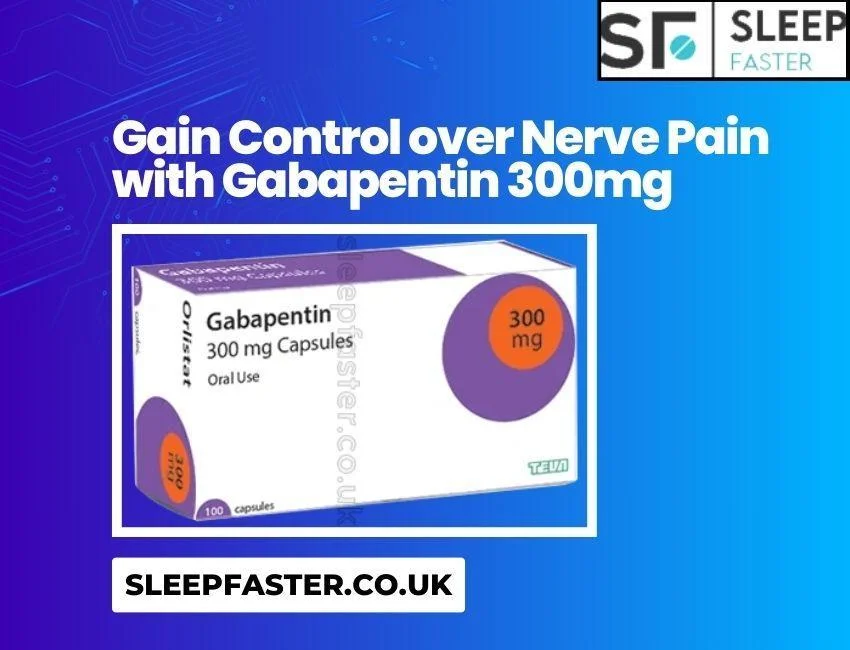
This medication has been I use since 1993 and has been used to treat a wide array of conditions that cause or are linked to nerve pain. Although it has other uses, its ability to provide strong and long lasting pain relief is its primary prescription use.

This blog post will talk about how the medication works, its benefits, how to use it safely, and why online pharmacies are a good option for buying it. Many people in the UK struggle with chronic pain conditions and that is why this medication is very important for improving the quality of life for so many.

The information provided here is intended to help those who are suffering with chronic pain to decide if it is the right choice for them and should serve a starter for conversation with a healthcare professional.

Categories of Pain 

Many people in the UK suffer from different types of pain, which can affect their daily lives. Pain is classified according to its intensity (mild, moderate, or severe) as well as its duration (acute or chronic).

Acute pain happens suddenly and is usually caused by an injury, surgery, or illness but it usually subsides once the body heals. Chronic pain, on the other hand, lasts for a much longer time, a standard duration for classification being three months or more. Conditions like nerve damage, arthritis, and fibromyalgia can cause chronic pain that needs strong relief.

Studies show that more than 28 million adults in the UK experience chronic pain. Medications like gabapentin 300mg can help manage moderate to severe chronic pain effectively, improving sleep, mobility, and overall well-being.

Benefits of Gabapentin Tablets 

This medication is usually prescribed as a second step if lighter versions of pain relief medication are ineffective. This medication acts directly on the central nervous system and that makes it especially helpful for nerve pain, which can be difficult to treat with other types of pain medications.

One of the main benefits of gabapentin 300mg is that it helps reduce pain by calming overactive nerves. This makes it useful for conditions like shingles, diabetic nerve pain, and fibromyalgia. It can also improve sleep by reducing discomfort that keeps people with chronic pain awake at night.

Another advantage is that, unlike benzodiazepines, this medication does not carry the same risk of addiction common among pain medications. Many people find that this treatment allows them to manage their pain better and helps them move more easily and engage in daily activities with less discomfort.

Safe Dosage and Usage 

Gabapentin 300mg should always be taken exactly as prescribed. It is usually taken three or four times a day, with the maximum daily dose ranging from 2400mg to 3600mg, according to NHS guidelines.

This medication must be used according to a regular and well-planned schedule. If a dose is missed, it is bet to wait for the next scheduled dose and to take it as normal. Swallow gabapentin tablets whole and drink a glass of water without crushing or chewing the medication.

Stopping this medication suddenly can cause withdrawal symptoms, so it should only be reduced or stopped using a gradual tapering off method. Using gabapentin 300mg responsibly helps ensure safety while effectively managing pain.

Customer Reviews

Reviews play an important role in helping people decide whether gabapentin 300mg is the right choice for them. Reviews give new buyers real experiences from others who have used the medication, helping them understand its effectiveness, side effects, and overall benefits.

Leaving a review after purchasing gabapentin 300mg can assist others in making informed choices. Many customers share how this medication has helped them manage pain and how it has improved their daily lives.

Honest feedback helps our online platform maintain high standards by addressing areas where service may be lax. In this way we can work together to guarantee safety and quality.

Order Gabapentin Tablets Prescription Free? 

Ordering this medication online without a prescription is a convenient way to access treatment for chronic pain. We are proud to provide access to this important for those who may have been traditionally underserved by the medical community.

We offer fast delivery, secure payment options, and customer support to give customers the best possible experience. Buy gabapentin 300mg from us is much more affordable than dealing with traditional pharmacies and our customers greatly appreciate the savings.

To ensure safety, check with a healthcare professional to ensure that this medication matches your needs and lifestyle choices. Our support staff are available 24 hours per day to ensure your questions don’t unanswered.

Conclusion /////

Nerve pain can have a serious impact on daily life, making effective treatment something that must be easily accessible. Gabapentin 300mg helps manage pain by calming overactive nerves, allowing people to live in comfort and regain mobility. This medication gives relief to those struggling with sensations of burning, stabbing, or shooting pain typically associated with nerve damage.

Ordering gabapentin tablets from a trusted online pharmacy offers a convenient, affordable, and discreet way to access treatment. This means that a much wider section of the public now has access to this much needed medication. With responsible use and the right support, people can take control of their pain and improve their quality of life.

Laser hair removal is often praised as a game-changer in personal grooming. With promises of smooth, hair-free skin and long-term results, it’s no wonder this cosmetic treatment has become so popular. But is it truly the right choice for everyone?

Before you schedule your first session, it’s important to weigh the pros and cons of laser hair removal. From convenience to cost, and comfort to effectiveness, here’s what you need to know to make an informed decision.

Pros of Laser Hair Removal

1. Long-Term Results

Unlike shaving or waxing, laser hair removal targets the hair follicle itself, which slows regrowth and, over time, can permanently reduce the amount of hair in the treated area. For many, this means smoother skin for months—or even years.

2. Precision Targeting

Lasers are incredibly precise. They can focus on dark, coarse hairs without damaging the surrounding skin. This makes laser treatment ideal for sensitive or hard-to-reach areas like the bikini line, underarms, and upper lip.

3. Speed and Efficiency

A single laser pulse takes less than a second and can treat multiple hairs at once. Smaller areas, like the upper lip, can be treated in minutes. Larger areas, such as legs or back, may take up to an hour but still require far less maintenance in the long run.

4. Fewer Ingrown Hairs

Since the hair is targeted at the root, laser treatments drastically reduce the chance of developing painful ingrown hairs—something that’s common with waxing and shaving.

5. Convenience Over Time

Though laser hair removal requires multiple sessions, the long-term convenience is a major draw. Many clients find they no longer need to shave or wax regularly, saving both time and money.

Cons of Laser Hair Removal

1. Multiple Sessions Required

Laser hair removal isn’t a one-and-done process. Most people require 6 to 8 sessions spaced several weeks apart to achieve optimal results, as hair grows in cycles.

2. Upfront Cost

While it saves money in the long term, the initial cost can be higher than other hair removal methods. Prices vary depending on the size of the area being treated and the number of sessions needed.

3. Discomfort During Treatment

Many describe the sensation as a rubber band snapping against the skin. While it’s generally tolerable, some areas can be more sensitive than others. Topical numbing creams can help reduce discomfort.

4. Not Suitable for All Hair or Skin Types

Laser hair removal works best on individuals with light skin and dark hair due to the way lasers target pigment. While advancements in technology have improved safety for darker skin tones, results can still vary based on hair color and skin type.

5. Risk of Side Effects

When performed incorrectly, laser hair removal can lead to temporary side effects like redness, swelling, and, in rare cases, burns or pigmentation changes. That’s why choosing a qualified provider is crucial.

Choosing the Right Clinic

Where you get your treatment makes a huge difference in safety and results. Trusted providers like Salon Deauville laser hair removal offer personalized treatments using advanced equipment tailored for various skin tones and hair types. Their trained specialists focus on comfort and efficacy, reducing risks while delivering noticeable, lasting results.

Conclusion

Laser hair removal offers a powerful solution for those seeking smoother skin and freedom from the daily grind of shaving and waxing. While it comes with upfront costs and requires multiple sessions, the long-term benefits like reduced hair growth, fewer ingrown hairs, and lasting convenience make it a worthwhile investment for many.