Category

Health

Category

Insomnia may affect your quality of life, and it’s important to find a feasible solution. CBN is one of the effective solutions, and it brings ultimate comfort. CBN is available in different forms, and you can find the suitable one that fulfills your specifications. CBN even lowers your pain sensation, thus improving your quality of life. It helps you get rid of stress, and you will explore how life brings the best options. CBN works naturally with your body’s endocannabinoid system, which regulates your mood. Hence, it helps you fall asleep quickly, and you will gain strength to perform your daily work. This way, you will learn how CBN makes life better, and you can stay away from all the worries.

CBN Promotes Relaxation

Do you want to feel relaxed? CBN is a constituent of the cannabis sativa plant, and you will enjoy a great sleep free from distractions. It brings a sensation of calmness, and it becomes easy to deal with stress and anxiety. CBN gummies promote relaxation, and you will feel the serenity deep inside. It’s the best natural solution if you are finding it difficult to fall asleep, and you can now lead a better life. Now, you can stay asleep for a longer period, and it gives you confidence to go ahead and achieve success. The mornings become more refreshing, and you will learn the importance of using CBN. You will enjoy peaceful sleep that boosts immunity, and you can fight certain diseases and infections.

Is It Safe to Use CBN?

CBN is non-psychoactive, and it won’t give rise to any side effects. CBN easily bonds with the CB1 receptors in your brain, which regulate sleep. Thus, CBN produces the best effects, and you can now explore life in a better way. CBN provides a natural solution for sleep and relaxation. CBN also has anti-inflammatory properties, and you will get relieved from the pain and discomfort. It works best for arthritis and chronic nerve pain, bringing relief in real-time. It improves your daily lifestyle, and nowadays, it’s easy to get the gummies.

Improve your sleep with CBN

Proper sleep helps you wake up in the morning, and you can begin your day in a new way. The gummies come up in different flavours, and it’s time to find the ideal one. Once you get the genuine CBN gummies, you will learn how they improve your sleep pattern. Now, it’s time to say goodbye to chronic pain and sleepless nights, and you will enjoy the moments nicely. Finally, you can now give life a new start, and CBN brings relaxation, helping your brain function perfectly.


Defining Cerebral Palsy

Cerebral palsy (CP) is a group of disorders that affect a person’s ability to move and maintain balance and posture. It’s not a single condition but rather a term that covers a range of motor impairments. These impairments stem from damage to the developing brain, either before, during, or shortly after birth. The key characteristic of cerebral palsy is that it affects movement and posture, not intelligence or consciousness. The brain damage itself does not change over time, but the resulting physical problems can change as a child grows. It’s important to remember that CP is a lifelong condition, but with proper support and therapies, individuals can lead fulfilling lives.

Types and Severity of Cerebral Palsy

Cerebral palsy is categorized based on the type of movement disorder and the parts of the body affected. The main types include:

  •  This is the most common type, characterized by stiff or tight muscles. It can affect one side of the body (hemiplegia), both legs (diplegia), or the entire body (quadriplegia).
  •  This type involves involuntary movements that can be slow and writhing (athetosis) or jerky and abrupt (chorea).
  •  This less common type affects balance and depth perception, leading to shaky movements and difficulty with coordination.
  •  Many individuals have a combination of these types.

The severity of cerebral palsy can vary greatly, from mild impairments that may only be noticeable with certain activities to severe disabilities that require significant assistance with daily tasks. Some individuals may also have associated conditions, such as intellectual disabilities, seizures, or vision and hearing problems.

Impact on Motor Function

The primary impact of cerebral palsy is on motor function, which refers to the body’s ability to control movement. This can manifest in several ways:

  •  Muscles may be too stiff (spasticity) or too loose (hypotonia).
  •  Difficulty with fine motor skills (like writing or buttoning clothes) and gross motor skills (like walking or running).
  •  Challenges maintaining an upright posture, leading to falls.
  •  Trouble initiating and controlling planned movements.

These motor challenges can affect a person’s ability to perform everyday activities, requiring adaptations and therapies to help them achieve their maximum potential. The specific impact is highly individual and depends on the type and severity of the CP.

Factors Contributing to Cerebral Palsy

Cerebral palsy (CP) is a complex condition, and its development can be linked to a variety of factors that affect a child’s brain development. These influences can occur at different stages, from before birth to shortly after. Understanding these contributing elements is key to recognizing potential risks and working towards better outcomes.

Prenatal Influences

Many factors can impact brain development while a baby is still growing inside the womb. These can include genetic predispositions, infections that the mother might contract during pregnancy, or even issues with the placenta. For instance, certain maternal infections can cross the placental barrier and affect the developing fetal brain. Sometimes, problems with the mother’s health, like uncontrolled diabetes or high blood pressure, can also play a role. Nutritional deficiencies, such as a lack of folic acid, have also been identified as potential contributors. The overall health and well-being of the mother during pregnancy are quite important for the baby’s development. You can find more information on the causes of CP at Cerebral palsy is a group of disorders.

Perinatal Complications

Complications that arise around the time of birth, known as perinatal events, are another significant area of concern. These can include issues like premature birth, where the baby is born too early and their organs, including the brain, may not be fully developed. Difficulties during labor and delivery, such as a lack of oxygen to the baby (hypoxia) or a very difficult birth, can also lead to CP. Problems with the umbilical cord, like compression or prolapse, can also restrict oxygen flow. The medical team’s ability to manage these situations promptly and effectively is vital.

Postnatal Events

While less common than prenatal or perinatal causes, certain events occurring after birth can also contribute to cerebral palsy. These might include severe infections like meningitis or encephalitis, which are inflammations of the brain or its surrounding membranes. Traumatic head injuries in infancy, perhaps from an accident or abuse, can also damage the developing brain. Additionally, conditions like jaundice that are not properly treated can, in rare cases, lead to brain damage. These postnatal factors highlight the need for continued vigilance and prompt medical attention for infants.

Identifying Preventable Birth Injury

Recognizing when a birth injury leading to cerebral palsy might have been prevented involves careful observation and understanding of potential warning signs. It’s not always obvious, and sometimes things happen that are beyond anyone’s control. However, in many situations, medical professionals can take steps to reduce risks.

Recognizing Warning Signs During Pregnancy

Pregnancy is a time of constant monitoring, and certain signs can indicate potential issues. These might include:

  • Unexplained bleeding or spotting.
  • Severe abdominal pain or cramping.
  • Signs of premature labor, such as regular contractions before 37 weeks.
  • Maternal infections that are not properly managed.

Early detection and prompt medical attention for these issues are key. Sometimes, a condition like placental abruption can pose a significant risk, and recognizing its symptoms quickly is vital.

Monitoring Fetal Well-being

Throughout pregnancy and labor, healthcare providers use various methods to check on the baby’s health. This monitoring helps catch problems before they become serious. Common methods include:

  • Regular ultrasounds to track growth and development.
  • Fetal heart rate monitoring, especially during the later stages of pregnancy and labor.
  • Assessing the amount of amniotic fluid.

If a baby shows signs of distress, such as a slow or irregular heartbeat, medical teams need to act swiftly. This careful watch is a primary way to identify potential problems that could lead to injury.

Assessing Risks During Labor and Delivery

The labor and delivery period itself carries inherent risks. Healthcare providers are trained to identify and manage these. Some factors that require close attention include:

  • Prolonged labor or failure of labor to progress.
  • The baby’s position in the birth canal (e.g., breech presentation).
  • Signs of fetal distress during contractions.

When these risks are present, medical staff must make informed decisions about the safest course of action, which might involve interventions like a C-section. Understanding the potential for birth injury is part of providing safe care for both mother and child.

Medical Negligence and Cerebral Palsy

When a child develops cerebral palsy, it’s natural for parents to seek answers. Sometimes, the cause is not preventable. However, in other instances, medical negligence during pregnancy, labor, or delivery can play a significant role. This section explores how mistakes by healthcare providers can lead to this condition.

Failure to Diagnose or Treat Infections

Infections during pregnancy can pose serious risks to a developing fetus. If a healthcare provider fails to properly identify or treat an infection, such as a urinary tract infection or chorioamnionitis (infection of the amniotic fluid and membranes), it can lead to complications. These complications might include premature labor or direct harm to the baby’s brain. Prompt diagnosis and appropriate treatment of maternal infections are vital for fetal well-being.

Inadequate Management of Fetal Distress

Fetal distress occurs when a baby isn’t getting enough oxygen before or during birth. Signs of distress can include changes in the baby’s heart rate. Medical professionals are trained to monitor these signs and respond quickly. If they fail to recognize fetal distress or delay necessary interventions, like a timely C-section, the baby can suffer brain damage. This lack of timely action can be a key factor in a cerebral palsy lawsuit.

Improper Use of Delivery Instruments

Tools like forceps or vacuum extractors are sometimes used to assist with delivery. While these instruments can be helpful when used correctly, their improper application can cause injury to the baby. Excessive force, incorrect positioning, or using the instruments when they are not indicated can lead to trauma that might result in cerebral palsy. It’s important for medical staff to have proper training and to use these tools only when necessary and with great care.

Seeking Recourse for Preventable Cerebral Palsy

When cerebral palsy is suspected to be the result of medical mistakes, families may consider legal action. This path is about seeking accountability and compensation for the lifelong care needs of a child affected by a preventable birth injury. It’s a complex process, but understanding the steps involved can help.

Consulting with Legal Professionals

Finding the right legal help is the first step. Not all lawyers handle birth injury cases, and even fewer specialize in cerebral palsy claims. It’s important to find an attorney or a law firm with a proven track record in medical malpractice, specifically involving birth injuries. They can assess the specifics of the situation to see if there’s a valid claim. Many offer initial consultations for free, so families can discuss their case without immediate financial commitment. They will look at the medical records and talk with the parents about what happened during the pregnancy, labor, and delivery.

Gathering Medical Evidence

Building a strong case requires thorough documentation. This involves collecting all relevant medical records, which can include prenatal care notes, labor and delivery logs, hospital records, and any post-birth medical information for the child. Expert medical professionals will review this evidence to determine if the standard of care was breached. This review is key to establishing that the injury was indeed preventable. Evidence might also include witness statements from family members or hospital staff, if possible.

Understanding Legal Avenues

If a case is pursued, it typically falls under medical malpractice law. This means proving that a healthcare provider or institution failed to meet the accepted standard of care, and this failure directly led to the child’s cerebral palsy. The goal is usually to secure compensation to cover:

  • Ongoing medical treatments and therapies
  • Specialized equipment and assistive devices
  • Educational support and accommodations
  • Home modifications
  • Lost earning potential for the child in the future
  • Pain and suffering experienced by the child and family

Legal proceedings can be lengthy and emotionally taxing. However, for families facing the challenges of a preventable birth injury, seeking recourse can provide necessary resources and a sense of justice.

Advocating for Improved Birth Outcomes

Improving birth outcomes and reducing the incidence of preventable cerebral palsy requires a multi-faceted approach. It involves looking closely at the standards of care before, during, and after birth, and supporting research that can lead to new preventative strategies. Collective action from healthcare providers, policymakers, and families is key to making meaningful progress.

Promoting Prenatal Care Standards

High-quality prenatal care is the first line of defense. This means making sure expectant parents have regular check-ups and access to information about potential risks. It also involves healthcare providers staying up-to-date with the latest guidelines for managing conditions like infections, preeclampsia, and gestational diabetes, all of which can affect fetal development. Early detection and management of these issues can significantly lower the risk of complications that might lead to birth injury. For instance, advancements in neonatal care are showing promise in improving brain oxygen stability in preterm infants, a critical step in preventing brain injury.

Enhancing Labor and Delivery Protocols

During labor and delivery, vigilance is paramount. Healthcare teams must be well-trained in recognizing and responding to signs of fetal distress. This includes having clear protocols for when and how to intervene, such as performing a timely Cesarean section if necessary. The appropriate use of medical instruments and techniques is also vital to avoid causing trauma to the baby. Continuous monitoring of the baby’s heart rate and other vital signs helps medical staff make informed decisions quickly. A focus on evidence-based practices during this critical period can make a substantial difference.

Supporting Research into Birth Injury Prevention

Continued investment in research is indispensable for understanding the complex factors that contribute to birth injuries. Studies that explore the genetic, environmental, and medical aspects of conditions like cerebral palsy can uncover new ways to prevent them. This includes research into better diagnostic tools, more effective treatments for maternal and fetal conditions, and improved methods for monitoring fetal well-being. Supporting these research efforts helps build a future where fewer families have to face the challenges associated with preventable birth injuries.

Related Resources

Uterine fibroids are far more common than most women realise — yet the topic is often brushed aside until symptoms become impossible to ignore. These non-cancerous growths in the uterus can impact everything from your menstrual cycle to fertility and quality of life. But the good news is: you don’t have to live with the discomfort.

Suppose you’re dealing with symptoms like heavy periods, pelvic pain, bloating, or pressure in the lower abdomen. In that case, it’s time to consider your options for uterine fibroids treatment in London — and get back to feeling like yourself again.

What Are Uterine Fibroids?

Fibroids are benign tumours made of muscle and connective tissue. They can be as small as a seed or as large as a grapefruit, and while some cause no symptoms at all, others can lead to significant disruption in daily life.

There are different types of fibroids, depending on their location in the uterus:

  • Intramural – within the uterine wall
  • Submucosal – bulging into the uterine cavity
  • Subserosal – projecting to the outside of the uterus
  • Pedunculated – attached to the uterus by a stalk

The symptoms and treatment options often depend on the type, size, and number of fibroids present.

Common Symptoms of Fibroids

While some women discover their fibroids during a routine pelvic exam, others experience a range of disruptive symptoms, including:

  • Heavy or prolonged menstrual bleeding
  • Pelvic pressure or pain
  • Frequent urination or trouble emptying the bladder
  • Constipation or bloating
  • Lower back pain
  • Pain during intercourse
  • Difficulty getting pregnant

If any of these sound familiar, it’s worth consulting with a gynaecologist specialist in London to get a clear diagnosis and tailored treatment plan.

What’s the Best Treatment for Fibroids?

The best treatment for fibroids depends on several factors — including your symptoms, age, future pregnancy plans, and the size and location of the fibroids. There’s no one-size-fits-all approach, which is why expert evaluation is key.

Here are some of the most common treatment paths:

  1. Watchful Waiting

If your fibroids aren’t causing symptoms, your doctor may recommend monitoring them with regular checkups.

  1. Medication

Hormonal treatments, such as birth control pills or GnRH agonists, can help manage symptoms like heavy bleeding but won’t eliminate fibroids entirely.

  1. Minimally Invasive Procedures

Options like uterine artery embolisation (UAE) or MRI-guided focused ultrasound can shrink fibroids without surgery, which is ideal for women seeking quicker recovery times.

  1. Surgical Options
  • Myomectomy – Removes fibroids while preserving the uterus, which is best for women who plan to have children.
  • Hysterectomy – Removes the uterus completely and offers a permanent solution, usually reserved for severe cases or when other options haven’t worked.

It’s crucial to work with a provider who helps you weigh both the short-term benefits and the long-term outcomes.

Localised Care: Fibroid Treatment in St John’s Wood

For women looking for fibroid treatment in St John’s Wood, access to expert care in a calm, discreet environment makes a huge difference. In such a personal health journey, being seen by a specialist who truly listens — and works with you, not just on you — can turn an overwhelming process into an empowering one.

Top clinics in this area offer diagnostic services, such as ultrasounds and pelvic exams, followed by personalised treatment plans that prioritise your comfort, goals, and health history.

Why Choose a Gynaecologist Specialist in London?

A general practitioner might identify fibroids — but a gynaecologist specialist in London is equipped to treat them with precision and experience. They can help you understand:

  • What type of fibroids do you have
  • How they may be affecting your reproductive health
  • What treatments are most effective for your body and your future

Specialists also stay up to date on the latest minimally invasive options and advances in care, giving you access to treatments that may not be available through general clinics.

Take Back Control of Your Health

Living with fibroids doesn’t mean settling for daily discomfort or putting your life on pause. The right treatment can relieve your symptoms, restore your energy, and give you back control of your health.

If you’re struggling with heavy bleeding, pelvic pain, or other signs that something’s not right, don’t wait for it to get worse. Fibroids are treatable — and relief is closer than you think.

For trusted, expert-led uterine fibroids treatment in London, including personalised care from a leading gynaecologist specialist, Well Women Clinic in St John’s Wood offers comprehensive diagnosis and treatment options tailored to your needs, goals, and peace of mind.

Glowing skin is a universal desire, but it does not have to be difficult. When performed correctly, a basic program may produce incredible outcomes. You can maintain your skin bright, vibrant, and fresh by taking care of it from dawn to dusk. You merely need the appropriate items, not many. Consistency is key, but Eminence organics​ provides natural, healthy options to suit your regimen. Taking a few simple daily actions can help you achieve radiant, healthy skin and boost your self-esteem every time you face the mirror.

Find below five ways in which you can unlock glowing skin with this simple morning-to-night beauty routine plan.

Start Your Morning With A Gentle Cleanse

When you wash your face in the morning, you eliminate sweat, oil, and any accumulation from the previous night. Use a mild cleanser that does not cause skin stripping. Your face should feel cleansed but not constricted after using it. This helps other products perform better and gets your skin ready for the day. Use only products designed for your skin type, whether it is sensitive, oily, or dry.

Hydrate And Protect With Light Layers.

Hydration is essential for glowing skin. After cleaning, use a mild serum with vitamin C or hyaluronic acid to preserve moisture and brighten your skin. Then, use a mild moisturizer to maintain the softness of your skin throughout the day. A hydrating spray might be a quick remedy without affecting your makeup if your skin feels dry during the day.

Never Skip Sunscreen Before You Head Out.

Sun damage can hasten aging and dim your radiance. Even on overcast days, always use a broad-spectrum sunscreen with at least SPF 30 in the morning. SPF is increasingly a common ingredient in moisturizers, which saves time throughout your regimen. Products from companies like Eminence Organics frequently combine natural ingredients with SPF to provide a calming and protective barrier for your skin.

End Your Day With A Clean Face And Treatments.

Your skin heals itself at night. Before going to bed, always wash your face and remove your makeup. Select a cleanser that effectively removes impurities without causing skin irritation. Then, based on your skin’s demands, use treatments like retinol-containing serums, peptides, or niacinamide. While you sleep, they aid in repairing, revitalizing, and regaining your shine.

Moisturize Deeply And Practice Skin-Loving Habits.

Use a heavier moisturizer to complete your nightly regimen after treatments. This keeps your skin supple till morning and locks in all the benefits. Remember the lifestyle choices that contribute to your glow, which include controlling stress, eating well, getting adequate sleep, and drinking enough water. How you treat your entire body is reflected in your skin.

To Sum Up

Your glow is the result of simple actions, care, and consistency, not chance. Day or night, follow a regimen that works for your skin type. You can have radiant skin every day if you follow the proper routine and use high-quality products like those from Eminence Organics. Treat your skin with kindness, and it will return the favour.

A thread lift is a cutting-edge procedure that gives the appearance of more youth without requiring invasive surgery. To raise the face, a thread is put into the skin, tightened, and then adjusted into the desired position. The patient’s skin texture and appearance are improved as the threads stay in place until they dissolve on their own. Additionally, the therapy promotes the creation of collagen, which results in tighter, firmer skin. Thread lifting can increase collagen levels because the human body produces less of it as we age.

Several typical facial aging symptoms can be treated using thread lifts, including the drooping cheeks, wrinkles, forehead, the jawline’s drooping skin, lines, and wrinkles surrounding the mouth.

The two most widely used methods for thread lift areCat/fox eye lift and Ponytail. The first one gives the eyes a beautiful upward tilt by concentrating on the creases on the upper eyelids. Just like a ponytail, the second one might provide the appearance of powerful revitalization by lifting upper face.

A surgical lift

This procedure in invasive when compared to thread lift. Surgery frequently requires multiple incisions, but threading does not.Depending on the locations being treated, a surgeon may make several skin incisions, such as below the chin, around the ears, or along the hairline. After improving the underlying area by realigning tissues and fat, they will lift the skin to give it a tighter, smoother look.

How is thread lifts performed?

To reduce discomfort during thread lifting for V-shaped face (ร้อยไหมหน้าเรียว, this is the term in the Thai), a local anesthetic is administered to the targeted locations. Threads are inserted beneath the skin’s surface using a needle or cannula. To meet the specific objectives of each patient, the thread is pulled and the tissues are raised into the proper position. Carefully clipping the ends of the threads allows them to remain in place and maintain the tissues’ elevation. The entrance and exit areas are treated with antibiotic ointment.

Thread Lift

How does surgery lift the skin?

Several steps are included in a surgical facelift. The purpose of anesthesia is to reduce pain. Depending on the patient and the amount of labor required, this could be either local or general. To keep scaring discrete, an incision is performed as gently as possible. Fat is either eliminated or redistributed to achieve the desired result. Tissues are also adjusted to create appearance of tighter skin. It is possible to eliminate extra skin. The skin is carefully adjusted before every incision is sealed with stitches that will eventually dissolve or be taken out. Sometimes skin glue might be used in its place.

What is the duration of the treatment?

Though it can vary, thread lifting typically takes an hour or so. The kind of lift and the particular requirements of the patient will determine this. After the professional has spoken with you about the procedure and your objectives, they will be able to provide you with a precise time limit during your appointment.

Lifting through surgery undoubtedly take more time than thread lifting. The amount of modification ultimately decides the amount of time the procedure will take. Longer treatments can take up to six hours to perform, while shorter ones might be finished in about two.

As a personal trainer, my mission is to help clients achieve their fitness goals while minimizing the risk of injury, particularly when it comes to joint stress. Knees are among the most vulnerable joints, especially for those who engage in high-impact activities, repetitive movements, or are simply getting older. Over the years, I’ve seen countless products promising relief, but few deliver lasting results. That’s why I was genuinely excited to try RejuvaKnee—a product that has rapidly gained attention in the fitness community for its innovative approach to knee support and joint rejuvenation.

From the outset, RejuvaKnee stood out for its science-backed formulation and the positive testimonials from both users and professionals. As someone who values evidence-based solutions, I was eager to see if RejuvaKnee could truly make a difference for my clients and myself. After several weeks of observation and personal use, I can confidently say that RejuvaKnee is not just another supplement—it’s a comprehensive knee health solution that addresses the root causes of joint discomfort and supports long-term mobility.

What is RejuvaKnee?

RejuvaKnee is a specialized knee health supplement designed to promote joint comfort, flexibility, and overall knee function. Unlike generic joint supplements, RejuvaKnee combines a unique blend of natural ingredients that target inflammation, cartilage repair, and lubrication within the knee joint. Its formula is tailored for individuals who experience knee discomfort due to exercise, aging, or previous injuries.

Key Features:

  • Advanced Ingredient Profile: RejuvaKnee includes clinically studied compounds such as glucosamine, chondroitin, MSM (methylsulfonylmethane), turmeric extract, and hyaluronic acid. These ingredients are renowned for their roles in supporting cartilage health, reducing inflammation, and enhancing joint lubrication.
  • Targeted Action: The supplement is specifically formulated to address the unique stresses placed on the knee joint, making it ideal for athletes, fitness enthusiasts, and anyone with an active lifestyle.
  • Natural and Safe: RejuvaKnee is made with natural ingredients and is free from harmful additives, making it suitable for long-term use without the risk of dependency or adverse side effects.

Why Knee Health Matters in Fitness

Knee health is foundational to almost every movement pattern in fitness—whether it’s squatting, lunging, running, or jumping. When knees are compromised, it can lead to compensatory movements, increased risk of injury, and a decline in overall performance. As trainers, we constantly emphasize the importance of joint care, yet many clients overlook preventative measures until discomfort sets in.

RejuvaKnee bridges this gap by offering proactive support for knee joints. Its ingredients work synergistically to:

  • Reduce inflammation and swelling after intense workouts
  • Support cartilage regeneration, which is crucial for long-term joint integrity
  • Enhance synovial fluid production, improving joint lubrication and movement
  • Alleviate stiffness, making warm-ups and cool-downs more effective

RejuvaKnee Reviews

My Experience with RejuvaKnee

I incorporated RejuvaKnee into my daily routine and recommended it to a select group of clients dealing with mild to moderate knee discomfort. Here’s what we observed:

  • Noticeable Reduction in Discomfort: Within two weeks, most users reported a marked decrease in knee soreness, especially after high-intensity sessions.
  • Improved Mobility: Clients found it easier to perform deep squats, lunges, and plyometric exercises without the usual stiffness or pain.
  • Faster Recovery: Recovery times post-workout improved, allowing for more consistent training schedules.
  • No Adverse Effects: None of my clients experienced negative side effects, which is a significant advantage over some pharmaceutical interventions.

What Makes RejuvaKnee Stand Out?

Science-Driven Formulation

Many knee supplements rely on outdated ingredient profiles or under-dosed formulas. RejuvaKnee, however, uses optimal dosages of proven compounds. For example, glucosamine and chondroitin are well-documented for their ability to support cartilage health, while MSM and turmeric provide anti-inflammatory benefits. The addition of hyaluronic acid further enhances joint lubrication, making movement smoother and less painful.

User-Friendly and Convenient

RejuvaKnee comes in easy-to-swallow capsules with a recommended dosage that fits seamlessly into any daily routine. There’s no need for messy creams or complicated regimens—just take the supplement as directed and let the ingredients work from within.

Trusted by Professionals

The growing endorsement from fitness professionals, physical therapists, and athletes speaks volumes about RejuvaKnee’s effectiveness. Its reputation is built on real-world results, not just marketing hype.

Who Should Use RejuvaKnee?

  • Active Individuals: Runners, cyclists, weightlifters, and anyone engaging in regular physical activity.
  • Older Adults: Those experiencing age-related joint wear and tear.
  • Rehabilitation Patients: Individuals recovering from knee injuries or surgeries (with physician approval).
  • Prevention-Focused Clients: Anyone looking to maintain knee health and prevent future issues.

Tips for Maximizing Results

  • Combine with Exercise: Use RejuvaKnee alongside a balanced fitness program that includes strength training and flexibility work.
  • Stay Hydrated: Proper hydration supports joint lubrication and overall health.
  • Monitor Progress: Keep a journal of your knee health and mobility to track improvements over time.
  • Consult a Professional: Always consult with a healthcare provider before starting any new supplement, especially if you have pre-existing conditions.

Where to Buy RejuvaKnee?

For those interested in trying RejuvaKnee, I strongly recommend purchasing directly from the official retail store. This ensures you receive a genuine product, benefit from any ongoing promotions, and have access to customer support should you need it. Avoid third-party sellers, as counterfeit or expired products can compromise your results and safety.

RejuvaKnee has quickly become a staple in my joint health toolkit, both for myself and my clients. Its thoughtful formulation, proven effectiveness, and ease of use make it a standout choice for anyone serious about maintaining strong, healthy knees. As personal trainers, our goal is to keep clients moving safely and confidently—RejuvaKnee helps us do just that.

Rough patches. Enlarged pores. Bumpy or uneven tone. If you’ve ever looked in the mirror and felt like your skin didn’t look as smooth or refined as you’d like, you’re not alone. Skin texture is one of the most common concerns people have—and the good news is, there are plenty of ways to improve it without resorting to invasive or aggressive procedures.

From professional treatments to at-home changes, it’s possible to achieve soft, radiant skin with minimal downtime. The key is consistency, a gentle approach, and the right tools for your specific skin type. Below are six dermatologist-approved ways to improve skin texture—no harsh peels or lasers required.

1. Use a Gentle Chemical Exfoliant

You don’t need gritty scrubs or rough brushes to smooth your skin. In fact, physical exfoliants can sometimes create microtears that make things worse. Instead, opt for chemical exfoliants like alpha hydroxy acids (AHAs) or beta hydroxy acids (BHAs).

  • AHAs like glycolic or lactic acid help dissolve dead skin cells on the surface.
  • BHAs like salicylic acid penetrate deeper into pores to unclog them.

Used a few times a week, these exfoliants can dramatically improve texture, reduce bumps, and boost glow. Look for low-percentage products to start and always pair them with sunscreen, as exfoliated skin is more sensitive to UV damage.

2. Incorporate Niacinamide Into Your Routine

Niacinamide, also known as Vitamin B3, is a powerhouse ingredient that helps improve skin barrier function, minimize pores, reduce inflammation, and smooth uneven texture. It’s one of the gentlest actives on the market and plays well with other ingredients like hyaluronic acid and retinol.

Look for serums or moisturizers containing 5% niacinamide for a noticeable improvement in tone and smoothness over time. With consistent use, it can also help fade post-acne marks and reduce redness.

3. Hydrate—Inside and Out

Dehydrated skin often appears rough, flaky, or uneven. Keeping your skin properly hydrated can instantly improve its appearance and texture.

  • Internally, drink plenty of water and eat foods rich in omega-3 fatty acids (like salmon or chia seeds).
  • Topically, use products with humectants like hyaluronic acid or glycerin to attract and retain moisture.

If your skin still feels dry or tight after moisturizing, try layering a facial oil or occlusive (like squalane or petrolatum) over your cream to seal in hydration.

4. Try a Professional Facial or Light Peel

You don’t have to go all-in with aggressive treatments to see results. Many professionals offer gentle resurfacing options that refine texture without harsh side effects.

  • Enzyme facials use fruit-based enzymes to gently exfoliate and smooth the skin.
  • Mild chemical peels, such as those with mandelic or lactic acid, can help improve tone and texture with minimal redness or flaking.

These options are ideal for those with sensitive skin or anyone new to cosmetic skincare. Ask about low-intensity cosmetic dermatology treatments designed specifically for texture improvement without major downtime.

5. Use Retinoids the Smart Way

Retinoids (like retinol and tretinoin) are among the most effective ingredients for improving skin texture, boosting collagen production, and speeding up cell turnover. They’re especially useful for smoothing fine lines, reducing rough patches, and treating acne scars.

But retinoids can be irritating when not used correctly. To ease your skin into it:

  • Start with a low strength (like 0.25%) and apply only 2–3 times a week.
  • Use a gentle moisturizer to buffer irritation.
  • Always wear sunscreen during the day.

With patience and regular use, retinoids can reveal smoother, firmer skin without the need for harsh procedures.

6. Don’t Skip Sunscreen—Ever

Sun damage is one of the leading causes of rough, uneven skin texture. UV rays break down collagen, lead to discoloration, and exacerbate fine lines—all of which contribute to a bumpy or dull appearance.

Wearing a broad-spectrum SPF of at least 30 every day is one of the simplest and most effective ways to preserve smooth, healthy skin. Even on cloudy days or while indoors near windows, UV exposure can sneak in. Make it a non-negotiable part of your morning routine.

Smoother skin doesn’t have to come at the cost of pain, peeling, or prolonged downtime. With gentle, targeted care and a little patience, you can significantly improve skin texture through non-invasive means. From hydrating properly to incorporating powerhouse ingredients like niacinamide and retinol, small consistent steps yield real results.

For those looking to level up their routine, cosmetic dermatology can offer an extra boost—without the need for harsh or aggressive procedures. A consultation with a skincare professional can help you choose the most effective and least disruptive path to smoother, healthier-looking skin.

Every small aspect matters in the high-stakes field of healthcare, particularly when it comes to medical imaging correctness. The tools physicians use from digital X-rays to MRIs and CT scans must generate constantly accurate results. Medical calibration guarantees this consistency behind the scenes; it is a critical but frequently ignored operation. This procedure guarantees that medical equipment—imaging displays in particular—satisfies performance standards across time. Even the most cutting-edge imaging systems can provide inaccurate results without correct calibration, therefore affecting patient outcomes.

Software products such PerfectLum offer automated calibration and quality assurance tests to help buildings maintain compliance and image reliability, hence meeting this continuous demand for accuracy. To ensure they don’t diverge from ideal settings, a calibration software calibration program monitors luminance, contrast, and other display parameters. Robust automation from the QUBYX team improves this process by making sure that daily clinical practices include routine testing and validation, thereby removing human mistake and simplifying compliance with sector standards.

What is Medical Calibration?

Medical calibration is the procedure of fixing and validating medical equipment, especially imaging displays, such that their outputs match set tolerances. Essentially, it’s about guaranteeing that the scan images produced by the equipment match exactly what the radiologist views on their monitor—consistency is key here. The calibration process involves fine-tuning aspects like brightness, contrast, grayscale accuracy, and color fidelity, so the radiologist can interpret the images with complete confidence.

In a diagnostic environment, this level of accuracy isn’t optional—it’s absolutely critical. Even the smallest variation in tissue density or a subtle shadow on a lung scan can point to a serious medical issue. That’s why every detail in the calibration process plays a vital role in ensuring reliable, precise diagnoses.

These elements might be overlooked or incorrectly understood unless calibrated precisely. This is why calibration is a direct contributor to patient safety rather than just a technical procedure.

The Risks of Skipping Calibration

Regular monitor upkeep may sometimes get lost in hurried hospitals or imaging facilities. Regrettably, the effects might be severe. Over time, high-end medical monitors deteriorate as well. They could lose brightness, change colors, or fail to properly show contrast levels. Though they may not be seen by the human eye, these little alterations can result in major diagnostic mistakes.

Unreliable monitor performance might lead to missed diagnoses, overdiagnosis, or pointless further testing. From a legal and clinical perspective, healthcare providers cannot afford to take it. Consistent calibration guarantees that the monitor in use now is as precise as it was when it was initially set up.

Automation Makes It Easier

Modern calibration tools have helped to make this procedure much more bearable. Solutions that are creative provide automated calibration, monitoring, and reporting capabilities that help to lower the need for hand checks. These systems can store performance logs for audits or quality reviews, carry out background checks, and alert users when calibration is needed.

Apart from saving time, this automation lowers the possibility of human mistake. Without continuously having to schedule manual exams or depend on IT employees to handle compliance documentation, healthcare professionals can feel confident that their imaging displays are operating at top performance.

Medical calibration is more than just a technical need – it is a crucial component of providing top-notch care eventually.

When we think of alcoholism, we often picture someone whose life is falling apart. But not every person with alcohol use disorder fits that image. Some people drink heavily and still seem to function well. They go to work, maintain relationships, and appear to lead normal lives. These people are recognized as high-functioning alcoholics.

What Is High-Functioning Alcoholism?

High-functioning alcoholism refers to people who are addicted to alcohol but can still manage daily responsibilities. They might be successful professionals, caring parents, or good friends. On the outside, everything seems fine. But behind the scenes, they may be battling a serious and silent addiction.

Unlike traditional alcoholics, high-functioning individuals often hide their drinking habits. They drink in private, deny their problem, or justify it by saying they perform well in life. This makes the issue hard to detect — even for close family members.

Warning Signs to Look For

It’s not always easy to spot high-functioning alcoholism. However, there are some signs that can help identify it:

  • Drinking alone or secretly
  • Becoming defensive about drinking
  • Using alcohol as a means to unwind or enhance self-assurance
  • Drinking in the morning or during work breaks
  • Joking about having a drinking problem
  • Being irritable or anxious when not drinking
  • Missing important events due to hangovers
  • Drinking more than intended regularly

Even if they don’t seem “out of control,” these behaviors indicate a deeper issue. Over time, the body and mind become dependent on alcohol. This can lead to serious health risks and emotional damage.

Why It’s Hard to Seek Help

Many high-functioning alcoholics don’t realize they have a problem. They may believe that as long as they meet responsibilities, they are in control. This false belief stops them from seeking help early.

Another reason is the fear of judgment. People worry about losing their reputation, job, or relationships. Admitting the problem takes courage. But silence only makes it worse.

Tools like Soberlink are helping people take the first step. According to many Soberlink Reviews, this remote alcohol monitoring device gives individuals a way to stay accountable without shame. It helps track sobriety in a private and supportive way.

The Hidden Risks of High-Functioning Alcoholism

Just because someone is “functioning” doesn’t mean they are healthy. Long-term drinking can lead to:

  • Liver disease
  • Heart problems
  • Brain damage
  • Memory loss
  • Depression and anxiety
  • Trouble sleeping

Also, the emotional toll is real. Many high-functioning alcoholics live with guilt, shame, and fear. They may feel alone or scared of being discovered. This constant stress affects their quality of life and mental well-being.

Impact on Family and Friends

Family members often don’t see the problem right away. The alcoholic may be loving and supportive most of the time. But unpredictable mood swings, emotional distance, or broken promises start to hurt over time.

Children may feel confused or unsafe. Partners may feel neglected or emotionally drained. Friends might pull away due to trust issues. The damage builds up slowly and quietly.

That’s why it’s important to educate loved ones about the signs. Early support can prevent bigger problems down the road.

Steps Toward Recovery

Recovery from high-functioning alcoholism is possible. It starts with recognizing the issue. This might happen through self-reflection or after a wake-up call, like a health scare or relationship issue.

Here are some steps that can help:

  1. Talk to someone – A trusted friend, counselor, or doctor can offer guidance.
  2. Join a support group – Groups like Alcoholics Anonymous (AA) provide a safe space to share.
  3. Use monitoring tools – Devices like Soberlink support sobriety through real-time tracking.
  4. Build healthy habits – Exercise, hobbies, and healthy eating help the mind and body heal.
  5. Avoid triggers – Stay away from situations or people that encourage drinking.
  6. Celebrate small wins – Every sober day is a step forward.

Helping a Loved One

If someone you care about shows signs of high-functioning alcoholism, approach them with kindness. Don’t judge or criticize. Instead, express concern and offer support.

You can say things like:

  • “I’ve noticed you’ve been drinking more lately. Are you okay?”
  • “I’m worried about your health and well-being.”
  • “I’m here if you ever want to talk or get help.”

Be patient. They may not accept help right away. But your words can plant a seed for future change.

Final Thoughts

High-functioning alcoholism is a hidden struggle. It affects people from all walks of life. Just because someone looks fine doesn’t mean they are okay. Recognizing the signs and speaking up can make a huge difference.

Recovery is not easy, but it’s always possible. With the right tools, like support groups and accountability devices such as Soberlink, individuals can break free from addiction. The key is to start — one step, one day at a time.

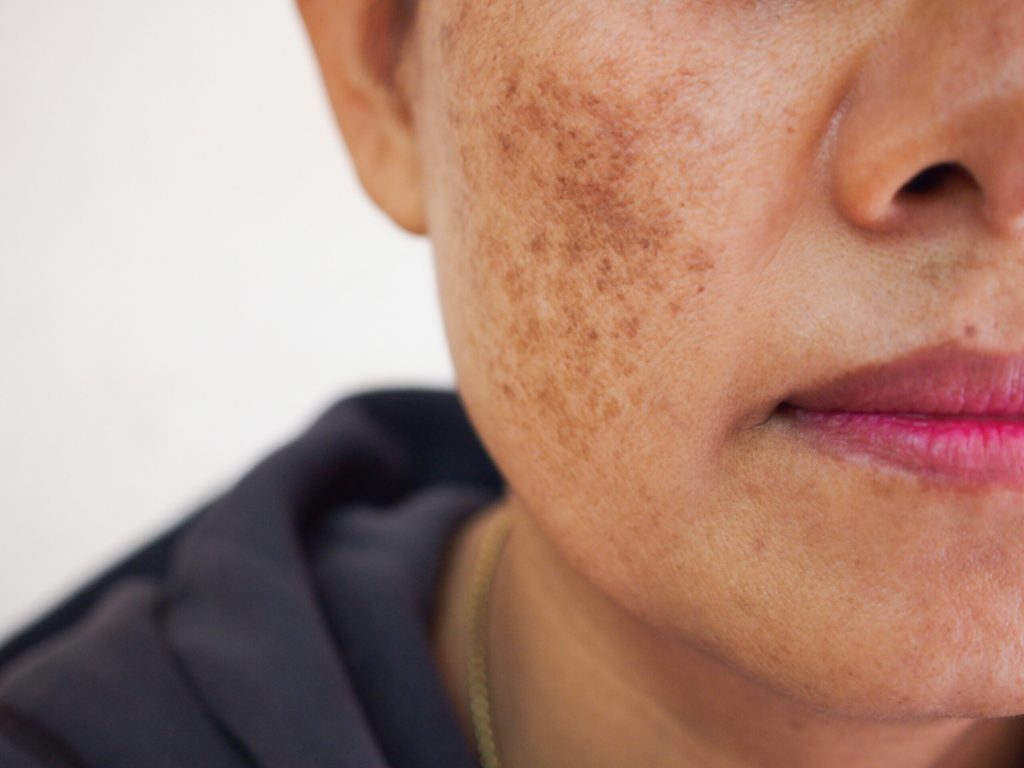
Melasma refers to a skin condition that causes the emergence of brown or gray patches, mainly targeting the facial region. It typically occurs on the cheeks, forehead, nose, and upper lip. This condition is more frequent in women, especially during pregnancy or while using birth control pills. Although it poses no physical threat, melasma can still affect an individual’s confidence and emotional state.

Understanding the causes and knowing how to manage melasma can help you regain clearer and more even-toned skin.

What Triggers Melasma?

Melasma develops when the skin synthesizes an excessive amount of melanin, the pigment that provides color to your skin. Several factors can trigger this condition:

  1. Sun Exposure

Sunlight is one of the most common triggers. UV rays stimulate pigment cells to produce more melanin. Even small amounts of sun can cause melasma to return after it has faded.

  1. Hormonal Changes

Pregnancy, birth control pills, and hormone therapy can all affect melanin production. That’s why melasma is sometimes called the “mask of pregnancy.”

  1. Genetics

If your close family members have melasma, you might be more likely to get it. Skin tone also plays a role. People with medium to dark skin are at higher risk.

  1. Certain Skin Products

Some cosmetic products can irritate the skin and make melasma worse. Be cautious with strong creams, fragrances, or exfoliants.

  1. Heat and Light Exposure

Heat from cooking, saunas, or even laptops can also contribute. Visible light—not just UV rays—can increase pigmentation in sensitive skin.

Spotting the Difference: LED Red Light Therapy Before and After

Many people explore natural or non-invasive treatments for melasma. One popular option is red light therapy. It uses low-wavelength light to help heal the skin and reduce pigmentation. When you look at LED red light therapy before and after comparisons, the changes are usually subtle but meaningful—less discoloration, smoother texture, and a more even tone. This therapy works best when used regularly and along with other healthy skin habits.

How to Manage Melasma Effectively

While melasma can be stubborn, there are many safe ways to control and reduce it. Let’s look at the best options.

  1. Protect Your Skin from the Sun

This is the most important step. Use a broad-spectrum sunscreen with SPF 50 every day. Reapply every two hours, especially if you are sweating or outdoors. Wear wide-brimmed hats and sunglasses to shield your face from direct sunlight.

  1. Use Gentle Skincare Products

Choose products made for sensitive skin. Avoid harsh scrubs, alcohol-based toners, or strong acids. Look for calming ingredients like niacinamide, licorice extract, or aloe vera.

  1. Topical Creams

Dermatologists often suggest creams that reduce pigmentation. Common ingredients include:

  • Hydroquinone (a bleaching agent used under medical advice)
  • Azelaic acid (natural and gentle)
  • Kojic acid
  • Tranexamic acid
  • Retinoids (vitamin A-based compounds)

These creams help by slowing down melanin production and encouraging skin renewal.

  1. Natural Remedies

Some natural ingredients may help lighten melasma over time. These include:

  • Aloevera gel
  • Green tea extract
  • Vitamin C serum
  • Licorice root

While natural options are gentle, they may take longer to show results. Always do a patch test before using a new remedy.

  1. Red Light Therapy

As mentioned earlier, red light therapy is a promising treatment. It boosts blood flow and skin healing. While it may not completely erase melasma, it helps reduce inflammation and improves skin tone. It is non-invasive and painless. Many users report visible changes within a few weeks.

  1. Chemical Peels

For deeper melasma, dermatologists may recommend mild chemical peels. These remove the top layer of skin and allow new skin to grow. However, they must be done by professionals to avoid damage or worsening pigmentation.

  1. Microneedling and Laser Therapy

These are advanced treatments often used for stubborn melasma. They should only be done by skin specialists. Not all laser treatments are suitable for melasma, so choose the clinic carefully. Improper use can make pigmentation worse.

  1. Hormonal Check-Up

If your melasma is linked to hormones, talk to a doctor. Adjusting birth control methods or treating hormone imbalances can help reduce skin discoloration.

  1. Stay Consistent and Patient

Melasma doesn’t disappear overnight. It may take several weeks or even months to see changes. Be consistent with your routine. Avoid trying too many treatments at once, as this may irritate the skin.

Final Thoughts

Melasma can be frustrating, but it’s manageable with the right steps. Avoid the sun, use gentle products, and explore options like red light therapy. Comparing LED red light therapy before and after images shows how steady treatment can lead to smoother, brighter skin.

Every skin is different. What works for one person may not work for another. Start slow, keep your skin protected, and talk to a skin specialist if needed. With patience and proper care, melasma can be reduced safely and naturally.